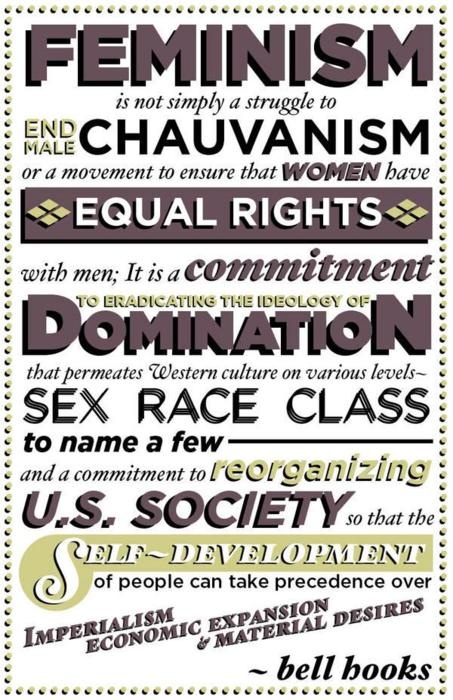
Feminism. The very word seems to ignite a firestorm of opinions, assumptions, and outright vitriol. Is it a movement for radical man-haters? A crusade against tradition? Or, as some claim, is it simply for “everyone?” Let’s dissect this thorny question with the surgical precision it demands. Because truth, like a rare orchid, often hides beneath layers of misrepresentation and carefully cultivated ignorance.
The Illusion of Universalism: A Siren Song?
The claim that feminism is for everyone is, at first glance, appealing. It conjures images of unity, of a global sisterhood transcending boundaries of race, class, and sexual orientation. But is this a genuine reflection of the movement’s history, its present reality, and its potential future? Or is it a dangerous simplification that masks the complexities and inherent contradictions within feminism itself?
Think of it as a meticulously crafted mirage. The promise of inclusion, of universal applicability, sounds beautiful. However, scratch beneath the surface, and you discover that the very notion of “everyone” is a construct fraught with power dynamics. Who defines “everyone”? Whose experiences are centered? And whose voices are systematically marginalized, even within the supposedly inclusive framework of feminism?
The Historical Baggage: Whose Shoulders Carry the Weight?
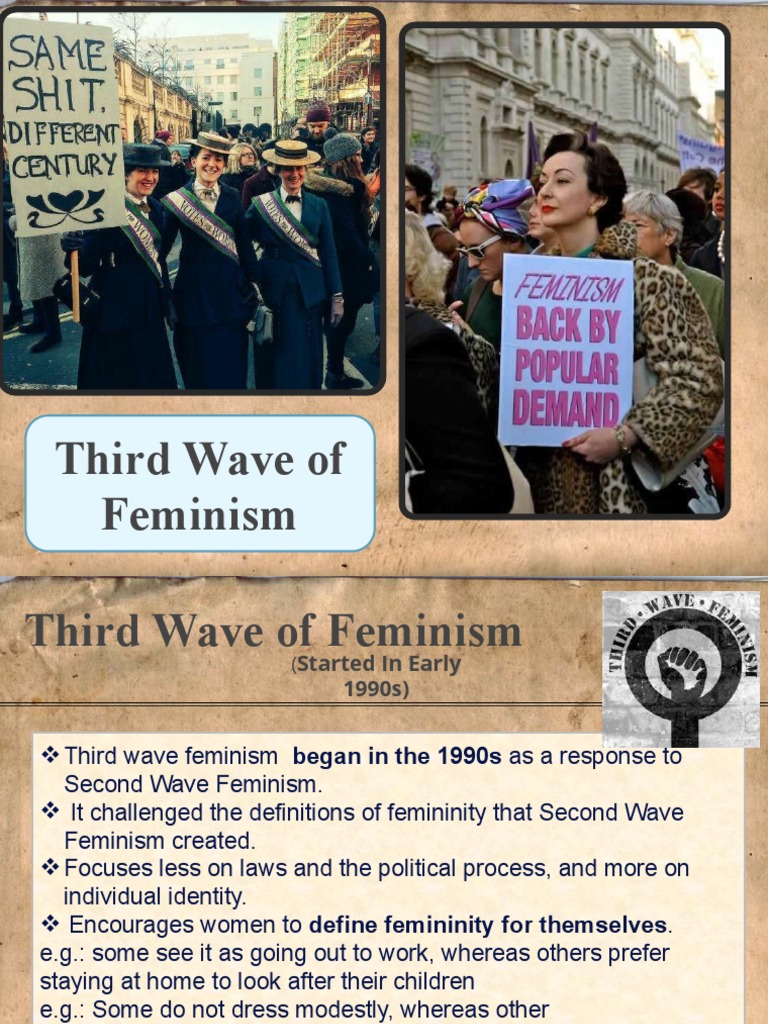
Feminism’s roots, particularly in the Western world, are deeply entangled with colonialism, white supremacy, and class privilege. The Suffragette movement, for instance, focused largely on the enfranchisement of white, middle-class women, often at the expense of women of color and working-class women. This legacy continues to haunt the movement, creating a chasm of mistrust and resentment.
Consider the concept of “intersectionality,” coined by Kimberlé Crenshaw. It’s a powerful framework for understanding how various forms of oppression – race, class, gender, sexuality, disability – intersect and create unique experiences of marginalization. To ignore these intersections is to render invisible the experiences of countless women who are relegated to the margins of the margins. Therefore, when we declare feminism is “for everyone,” are we truly acknowledging the historical injustices that continue to shape the lives of women differently?
We need to delve into the epistemic violence that erases these realities. We need to confront the ways in which dominant narratives within feminism have historically prioritized the concerns of a privileged few. Otherwise, the call for universal inclusion becomes a hollow platitude, a rhetorical sleight of hand that perpetuates the very inequalities it claims to address.
The Problem of Representation: Who Gets to Speak for “Everyone?”
The question of representation is inextricably linked to the issue of historical baggage. Who gets to define what feminism is? Whose voices are amplified? And whose perspectives are deemed “authentic” or “legitimate?” All too often, the answer reflects existing power structures, both within and outside of the feminist movement.
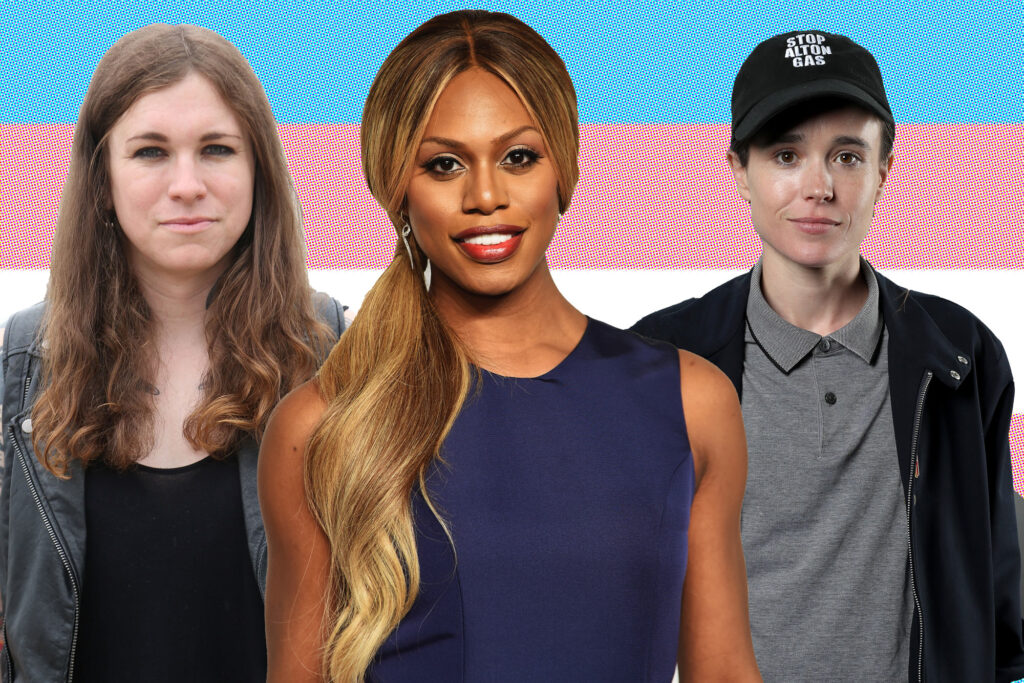
Consider the media landscape. How often do you see diverse voices representing the full spectrum of feminist thought? How often are women of color, trans women, disabled women, and working-class women given a platform to share their experiences? The answer, sadly, is not often enough. Instead, we are often presented with a sanitized, palatable version of feminism that caters to a mainstream audience and avoids challenging the status quo too aggressively.
This lack of representation has profound consequences. It creates a sense of alienation and exclusion for many women who feel that their experiences are not reflected in the dominant narrative. It also perpetuates the myth that feminism is a monolithic movement, rather than a diverse and ever-evolving collection of perspectives and approaches.
The Contradictions of Capitalism: Can Feminism Thrive Under Neoliberalism?
The relationship between feminism and capitalism is a complex and often fraught one. On the one hand, capitalism has provided opportunities for some women to achieve economic independence and break free from traditional gender roles. On the other hand, it has also exacerbated inequalities and created new forms of exploitation, particularly for women in the Global South.
Think about the rise of “lean-in feminism,” which encourages women to climb the corporate ladder and achieve success within the existing capitalist system. While there’s nothing inherently wrong with individual women achieving success, this approach often ignores the systemic barriers that prevent many women from even entering the game, let alone winning it. It also risks perpetuating the idea that individual achievement is the solution to systemic inequality.
Furthermore, the relentless pursuit of profit often comes at the expense of workers’ rights, environmental protection, and social justice. How can feminism truly be for everyone when it operates within a system that inherently disadvantages so many? This is a question that demands serious reflection and a willingness to challenge the very foundations of the capitalist order.
The Imperative of Intersectional Solidarity: Building Bridges, Not Walls
Despite these challenges, there is still hope for a more inclusive and equitable feminism. The key lies in embracing intersectionality, practicing solidarity, and actively working to dismantle the power structures that perpetuate inequality. This requires a willingness to listen to and learn from the experiences of marginalized women, to challenge our own biases, and to engage in collective action.
Intersectionality is not merely a buzzword; it’s a critical lens for understanding the complexities of oppression. It demands that we recognize the interconnectedness of different forms of discrimination and that we work to dismantle them all, rather than prioritizing one over another. This means challenging racism, sexism, classism, homophobia, transphobia, ableism, and all other forms of injustice.
Solidarity, in turn, requires a commitment to standing in solidarity with marginalized women, even when their experiences differ from our own. It means amplifying their voices, supporting their struggles, and working together to create a more just and equitable world. This is not always easy, but it is essential if we are to build a truly inclusive feminist movement.
Beyond Inclusion: The Pursuit of Liberation
Ultimately, the goal of feminism should not simply be to include more women in the existing power structures. It should be to dismantle those structures altogether and create a society where all people are free from oppression. This requires a radical shift in perspective, a willingness to challenge the status quo, and a commitment to building a more just and equitable world for everyone.
Perhaps, then, the question isn’t whether feminism is for everyone, but whether everyone is ready for feminism. Are we ready to confront our own privileges and biases? Are we ready to listen to and learn from the experiences of marginalized women? Are we ready to challenge the power structures that perpetuate inequality? If the answer is yes, then perhaps, just perhaps, feminism can truly be for everyone.
It demands nothing less than a complete re-evaluation of our societal values, a dismantling of patriarchal structures, and a genuine commitment to justice and equity. It is not a comfortable journey, but it is a necessary one if we are to create a world where all people can thrive. It is time to shed the illusion of easy answers and embrace the complexity, the contradiction, and the transformative potential of a truly intersectional and radical feminism.
The answer to the question “Is feminism for everyone?” is not a simple yes or no. It’s a challenge, a provocation, and an invitation to engage in a continuous process of critical reflection, collective action, and unwavering commitment to liberation.







Leave a Comment