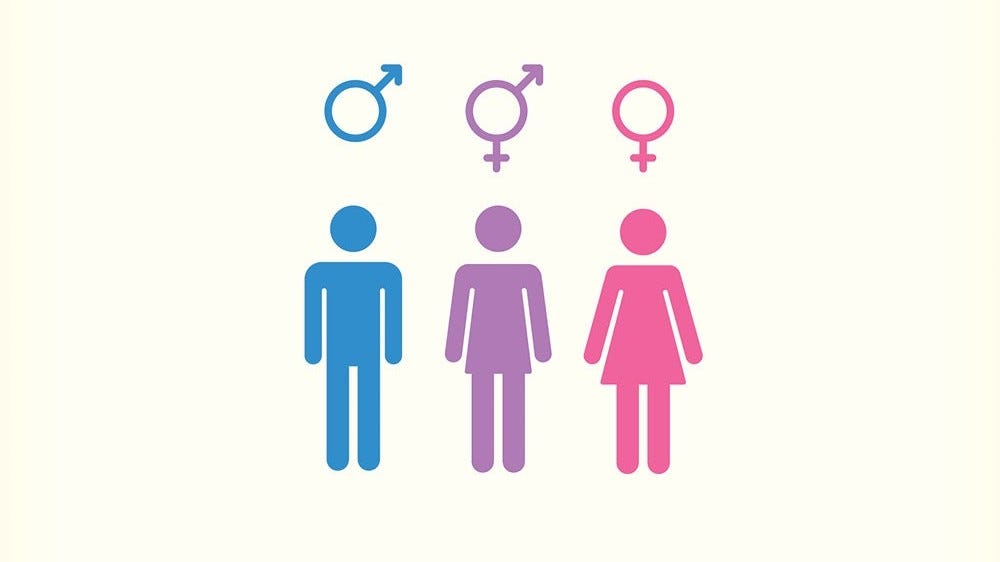
Gender Critical Feminism: What’s all the fuss, darling? Are we really debating the very definition of womanhood, or is there something far more visceral simmering beneath the surface of this tempestuous debate?
Let’s delve into the heart of this contentious ideology, shall we? Forget the superficial sound bites and the easily digestible slogans. We’re going deep, excavating the foundational tenets and unpacking the emotional baggage that fuels the firestorm surrounding Gender Critical Feminism (GCF).
First, the groundwork. GCF, at its core, posits that biological sex is immutable and fundamental. This isn’t just a biological observation; it’s the bedrock upon which they construct their entire feminist framework. For gender-critical thinkers, sex is not assigned, but observed. It’s not merely a social construct, but a tangible reality deeply interwoven with the very fabric of our being. This, unsurprisingly, puts them at odds with more contemporary, progressive, and arguably more inclusive, understandings of gender identity.
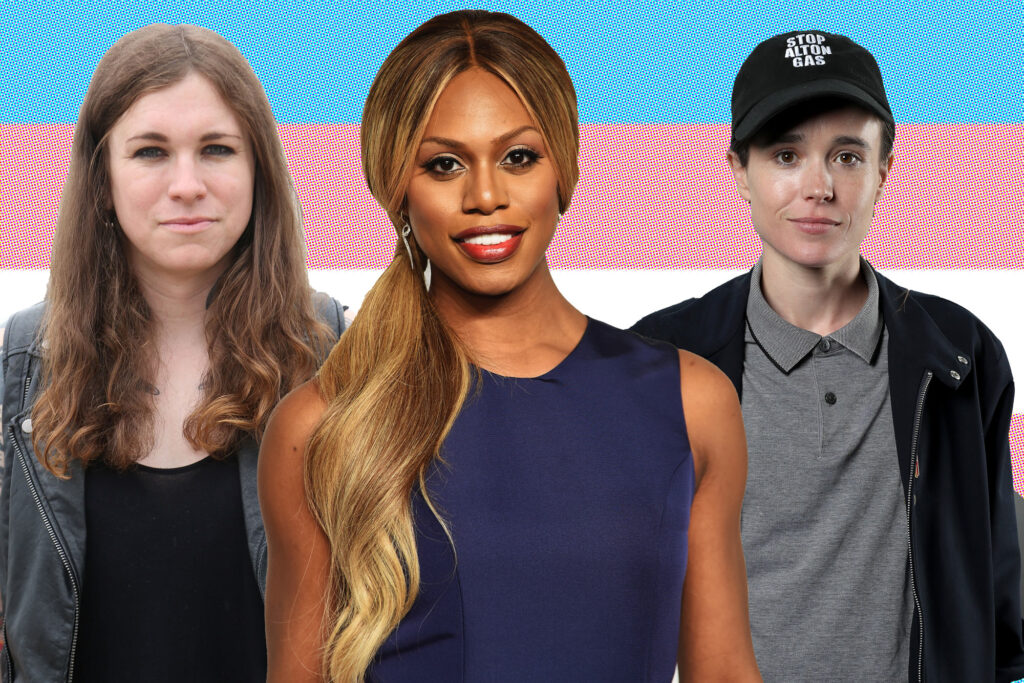
The schism arises, quite predictably, from the question of transgender inclusion. GCF adherents generally believe that trans women are, irrevocably, *male*. They argue that societal acceptance of trans women into female spaces – particularly those designated for safety, such as rape crisis centers and women’s shelters – poses a threat to cisgender women. This fear, often articulated with considerable vehemence, centers around the perceived potential for male violence masquerading as female identity.
Now, let’s puncture the balloon of simplistic narratives. This isn’t just about safeguarding spaces. It’s about ontology, epistemology, and the very nature of truth. For the gender critical, the truth about sex is objective, empirically verifiable, and precedes any individual’s subjective experience of gender. This commitment to biological essentialism is not merely a descriptive claim but a prescriptive one. It dictates who is, and is not, *authentically* a woman.
But, the plot thickens. The controversy surrounding GCF isn’t solely about intellectual disagreements regarding sex and gender. It’s often profoundly personal. Many cisgender women feel alienated, even betrayed, by the perceived encroachment of transgender identities onto what they consider their hard-won feminist gains. They see the focus on transgender rights as a distraction from the “real” issues facing cisgender women – issues like unequal pay, reproductive rights, and endemic sexual violence.
Consider, for instance, the issue of language. The GCF perspective frequently insists on using language that reflects their understanding of biological sex as paramount. They may, for example, refuse to use preferred pronouns or refer to trans women as “women.” This seemingly innocuous linguistic choice carries enormous weight, effectively denying trans individuals their self-identified gender and relegating them to a predetermined biological category. It’s a verbal manifestation of their broader ideological stance.
Moreover, the debate is supercharged by accusations of transmisogyny and TERF-ery. The acronym, of course, stands for Trans-Exclusionary Radical Feminist, a label that many GCF adherents vehemently reject. They argue that their concerns are legitimate, born out of a genuine desire to protect women’s rights, and that labeling them as bigots is a silencing tactic designed to stifle legitimate debate. This accusation, regardless of its validity in specific instances, has become a powerful weapon in the ongoing culture wars.
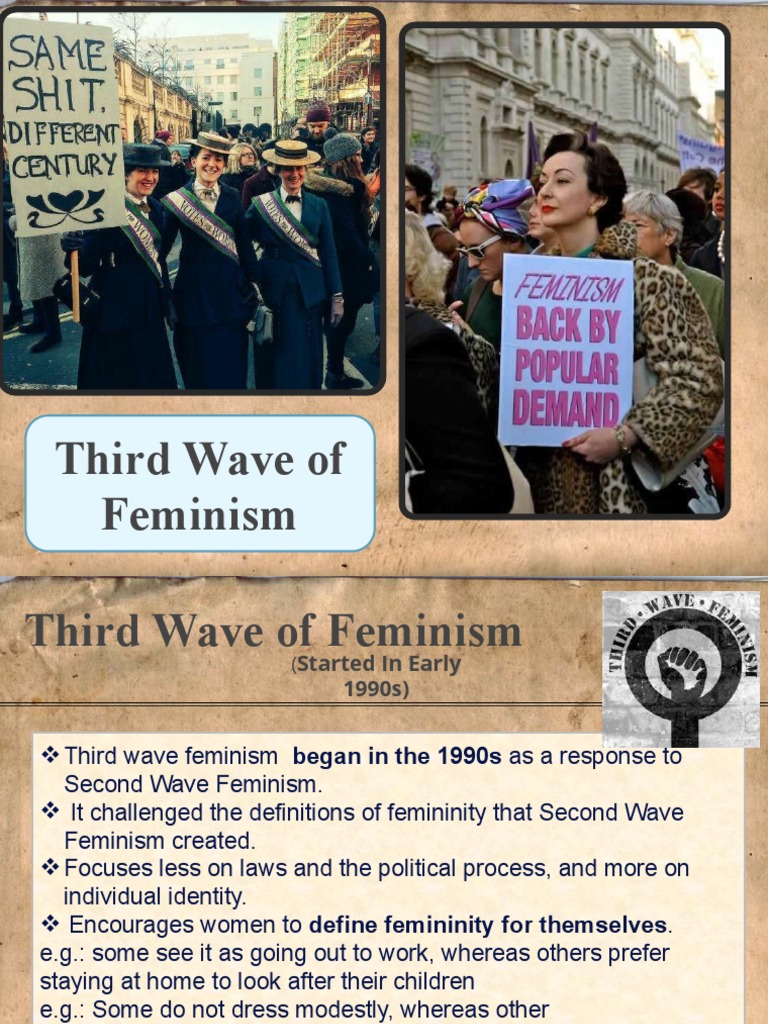
Furthermore, examine the historical context. GCF often draws upon second-wave feminist theory, which emphasized the distinct experiences of women based on their shared biological sex. This perspective, while historically significant, has been criticized for its tendency to essentialize womanhood and exclude those who don’t conform to traditional gender roles. The resurgence of these ideas, albeit in a modified form, reflects a yearning for a seemingly simpler time when gender roles were more clearly defined. This nostalgia, however, often overlooks the inherent limitations and exclusionary practices of that era.
Now, for a deeper dive into the philosophical underpinnings. GCF frequently employs a concept called “biological realism.” This philosophical position asserts that biological categories are real, objective, and causally significant. It suggests that our understanding of the world must be grounded in the tangible realities of our bodies. This emphasis on physicality can lead to a devaluation of subjective experiences, particularly those that challenge traditional notions of biological determinism.
In contrast, transgender activists and their allies often embrace a more “social constructionist” view of gender. This perspective argues that gender is primarily a product of social and cultural forces. It suggests that our understanding of gender roles and identities is shaped by the norms, values, and expectations of the society in which we live. This viewpoint prioritizes individual self-determination and challenges the notion that biology is destiny.
But let’s not pretend that this is purely an academic squabble. The stakes are high. The outcome of this debate will have profound implications for transgender rights, women’s rights, and the very definition of gender equality. The question of who gets to define womanhood is not merely a semantic exercise; it’s a battle for power and recognition.
Consider the real-world consequences. If GCF’s perspective gains widespread acceptance, it could lead to the exclusion of trans women from women’s spaces, the denial of gender-affirming care, and the erosion of legal protections for transgender individuals. Conversely, if more inclusive understandings of gender prevail, it could pave the way for greater acceptance, equality, and affirmation for all individuals, regardless of their gender identity.
The path forward, predictably, is fraught with peril. Finding common ground requires a willingness to engage in good-faith dialogue, to listen empathetically to opposing viewpoints, and to acknowledge the inherent complexities of human identity. Dismissing dissenting opinions as simply bigoted or delusional serves only to exacerbate the divisions and perpetuate the cycle of animosity.
Furthermore, it necessitates a nuanced understanding of intersectionality. The experiences of transgender women of color, for example, are often shaped by the confluence of transphobia, racism, and sexism. Ignoring these intersecting oppressions perpetuates the marginalization of already vulnerable populations. A truly inclusive feminism must acknowledge and address the unique challenges faced by all women, regardless of their race, class, sexual orientation, or gender identity.
Let’s entertain a radical thought. Perhaps the solution lies not in clinging rigidly to fixed definitions but in embracing the fluidity and diversity of human experience. Perhaps the goal should not be to delineate the boundaries of womanhood but to dismantle the patriarchal structures that oppress all individuals, regardless of their gender identity. Perhaps, just perhaps, we can build a future where everyone is free to define themselves on their own terms, without fear of judgment or exclusion.
But achieving this utopia requires more than just wishful thinking. It demands a sustained commitment to education, advocacy, and activism. It necessitates challenging ingrained prejudices, amplifying marginalized voices, and creating spaces where everyone feels safe, valued, and respected. And, darling, that’s a revolution worth fighting for.







Leave a Comment