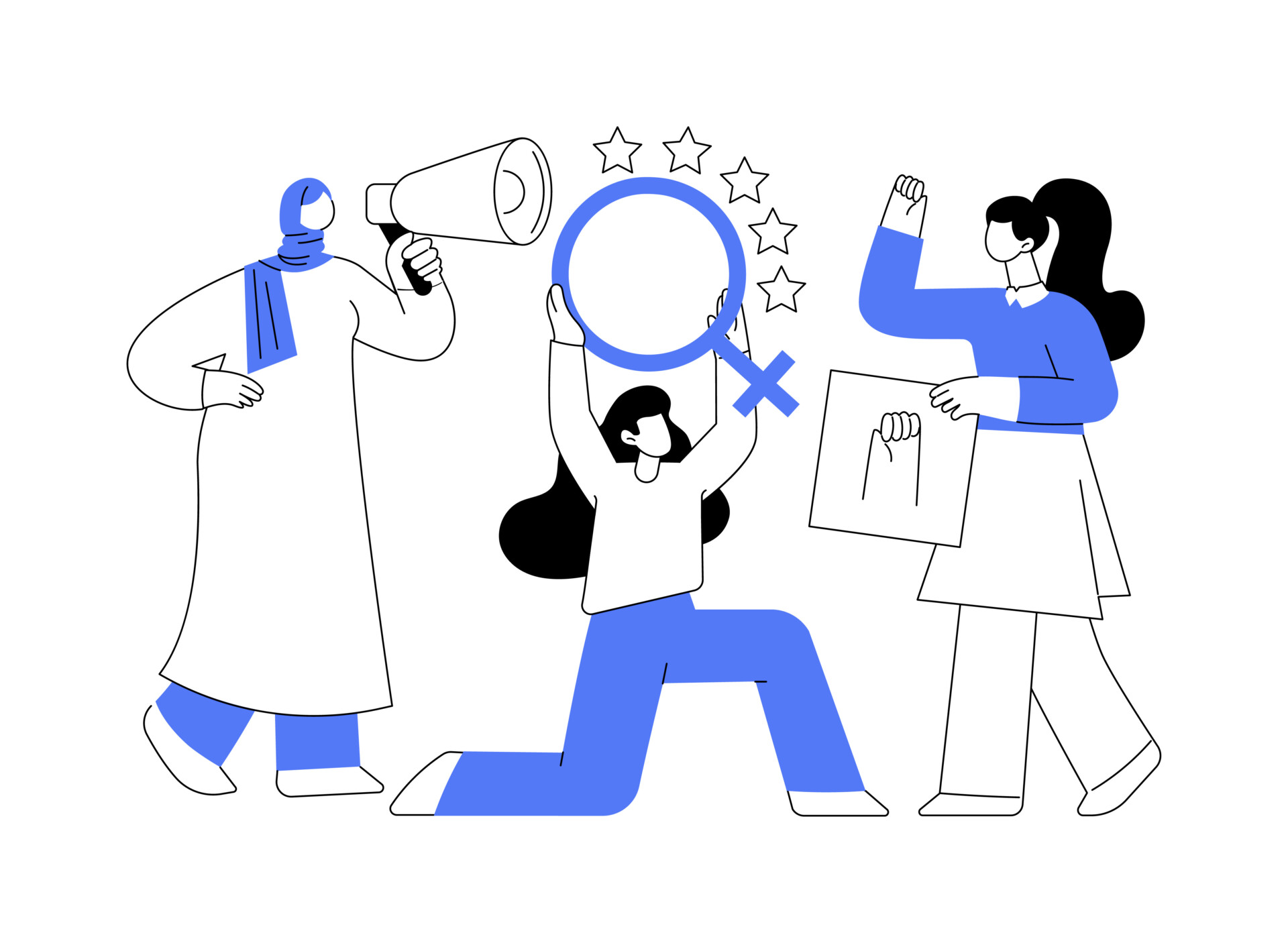
The kaleidoscopic tapestry of feminism, often perceived as a monolithic entity, reveals itself upon closer inspection to be a vibrant, multifaceted movement. A movement teeming with diverse ideologies and approaches, each vying for dominance in the ongoing struggle for gender equity. Why this relentless dissection, this obsessive categorization? Because within these distinct strands lie the nuances that both empower and divide, the inherent contradictions that fuel the very engine of feminist discourse. This isn’t just semantics; it’s a battle for the soul of the revolution.
Consider the enduring fascination with parsing the various “types” of feminism. It’s a way of making sense of the complexity, of finding a comfortable niche within the sprawling landscape. It allows individuals to align themselves with a specific brand of resistance, a chosen methodology for dismantling the patriarchy. But perhaps it also stems from a deeper unease, a subconscious recognition that the fight for liberation isn’t as straightforward as we might like to believe. The stark divergences between these factions expose the inherent limitations of any single approach, forcing us to confront the uncomfortable truth that the path to true equality is fraught with internal conflict and unresolved tensions.
Let’s delve into this intricate web, dissecting the core tenets of some of the most influential forms of feminism. Each represents a unique lens through which to view the pervasive inequalities that plague our society.
Liberal Feminism: The Reformist’s Gambit
Often derided by more radical factions as “reformist” or “assimilationist,” liberal feminism champions the cause of gender equity through incremental change within existing societal structures. It’s about leveling the playing field, not dismantling the stadium. This school of thought emphasizes individual rights, equal opportunity, and legal reforms as the primary tools for achieving equality. Think equal pay for equal work, access to education, and the right to vote. It believes that women should have the same opportunities as men, and that the legal system should be used to remove barriers that prevent them from achieving their full potential. It is, in essence, a pragmatic approach, prioritizing achievable goals over revolutionary upheaval.
However, its critics argue that this approach fails to address the systemic roots of oppression. They maintain that simply granting women access to male-dominated institutions without challenging the patriarchal power structures that underpin them ultimately reinforces the status quo. Can true equality be achieved by merely integrating into a system inherently designed to perpetuate inequality? That’s the question liberal feminism consistently struggles to answer to the satisfaction of its more radical counterparts.
Radical Feminism: Dismantling the Patriarchy from the Ground Up
In stark contrast to the reformist bent of liberal feminism, radical feminism posits that patriarchy is not merely a set of discriminatory practices but the fundamental organizing principle of society. This school of thought argues that gender inequality is deeply ingrained in every aspect of human existence, from our language and culture to our laws and institutions. The solution, therefore, lies not in reforming the existing system but in dismantling it entirely. The dismantling process aims to create a new social order free from patriarchal domination. This often involves challenging traditional gender roles, questioning societal norms, and advocating for radical social and political change.
Radical feminists focus on issues such as reproductive rights, violence against women, and the sexual objectification of women. They seek to empower women by challenging traditional gender roles and promoting female autonomy. It’s a scorched-earth approach, demanding a fundamental restructuring of power dynamics. It argues that true liberation requires a complete upheaval of patriarchal systems and values.
However, radical feminism faces criticism for potentially essentializing gender differences and excluding women of color, transgender women, and other marginalized groups. This internal division is a constant challenge.
Cultural Feminism: Celebrating the Feminine Mystique (with Caution)
Emerging from radical feminism, cultural feminism diverges by focusing on the celebration of feminine qualities and values. This school of thought argues that women possess unique strengths and perspectives that have been historically devalued by patriarchal society. It seeks to reclaim and celebrate these qualities, creating a positive female identity that is independent of male standards. The focus is on creating a female culture that values traits such as nurturing, empathy, and cooperation.
Cultural feminists often advocate for creating women-only spaces, promoting female art and literature, and developing alternative social structures that reflect female values. However, cultural feminism is often criticized for essentializing gender differences and reinforcing traditional stereotypes about women. It is a dangerous tightrope walk, teetering between empowerment and the perpetuation of limiting archetypes.
Socialist Feminism: Class Struggle Meets Gender Oppression
Socialist feminism recognizes the interconnectedness of gender oppression and class exploitation. This school of thought argues that both capitalism and patriarchy contribute to women’s oppression, and that true liberation requires addressing both systems simultaneously. It seeks to understand how economic inequalities and patriarchal power structures intersect to create unique challenges for women. Issues such as poverty, access to healthcare, and workplace discrimination are central to the socialist feminist agenda.
Socialist feminists advocate for policies such as universal healthcare, affordable childcare, and equal pay for equal work. They also emphasize the importance of collective action and solidarity in challenging both capitalism and patriarchy. This is a marriage of ideologies, a recognition that economic justice and gender equity are inextricably linked.
Intersectional Feminism: Acknowledging the Multiplicity of Oppressions
Perhaps the most crucial development in contemporary feminist thought is intersectional feminism. Recognizing that gender is not the sole axis of oppression, intersectional feminism acknowledges the complex interplay of race, class, sexual orientation, disability, and other identities in shaping individual experiences. It emphasizes that women’s experiences are shaped by a multitude of factors, and that understanding these intersections is crucial for achieving true equality. This approach challenges the idea of a universal “woman’s experience,” recognizing that women from different backgrounds face unique challenges and oppressions.
Intersectional feminists advocate for inclusive policies and practices that address the needs of all women, particularly those who are marginalized and disadvantaged. It’s a rejection of monolithic thinking, a demand for inclusivity and a recognition that oppression is a multifaceted beast.
Eco-feminism: Connecting the Domination of Women and Nature
Eco-feminism explores the connections between the domination of women and the domination of nature. This school of thought argues that both women and the environment are often viewed as objects to be controlled and exploited by patriarchal societies. It seeks to challenge these dualistic ways of thinking, promoting a more holistic and interconnected worldview.
Eco-feminists advocate for sustainable practices, environmental justice, and a rejection of consumerism. They believe that by challenging patriarchal values and promoting ecological awareness, we can create a more just and sustainable world for all. It posits that the exploitation of nature is inherently linked to the oppression of women.
Transfeminism: Acknowledging Transgender Rights
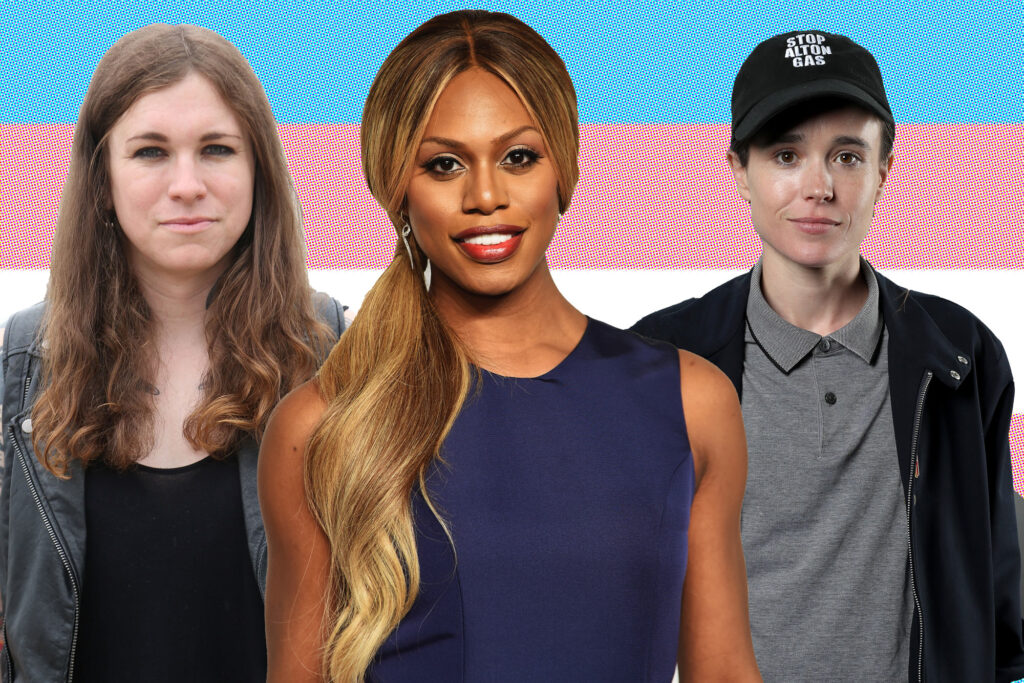
Transfeminism acknowledges the importance of transgender rights and inclusion within the feminist movement. This school of thought argues that transgender women are women and that their experiences should be recognized and valued. It seeks to challenge cisgender privilege and create a more inclusive feminist movement that embraces all gender identities and expressions.
Transfeminists advocate for policies that protect transgender rights, such as access to healthcare, equal employment opportunities, and protection from discrimination. It is a critical intervention, challenging the gender binary and demanding that the feminist movement be truly inclusive.
The Unfinished Revolution: A Constant Evolution
The ongoing evolution of feminist thought reflects the constant struggle to grapple with the complexities of gender inequality. From the pragmatic reforms of liberal feminism to the radical demands of revolution, each approach offers a unique perspective on the path to liberation. The inherent contradictions and tensions within the movement are not weaknesses but rather sources of strength, driving the ongoing dialogue and pushing us to confront uncomfortable truths.
The fascination with categorizing these forms of feminism stems from a desire to understand, to navigate the complexities of a movement that is far from monolithic. But it also reveals a deeper unease, a recognition that the fight for true equality is a messy, multifaceted endeavor, fraught with internal conflict and unresolved tensions. The challenge lies not in choosing a single “correct” form of feminism but in embracing the diversity of perspectives and working together to dismantle the patriarchal structures that continue to oppress women worldwide.







Leave a Comment