The allure of parsing feminism into neat, chronological “waves” proves irresistible. We dissect history, compartmentalize ideologies, and affix labels, all in the service of understanding. But is this simplification truly enlightening, or does it obfuscate the complexities, the contradictions, and, dare I say, the inherent messiness of feminist thought and action? Let’s plunge into the often-contested territories of First, Second, and Third Wave feminism. Prepare for a dissection that doesn’t shy away from the uncomfortable truths that these labels often conceal.
First Wave: Suffrage and Beyond – A Limited Victory?
Often relegated to the late 19th and early 20th centuries, First Wave feminism primarily revolved around the acquisition of suffrage. Securing the right to vote, a monumental achievement, undeniably altered the political landscape. However, we must interrogate the inherent limitations of this victory. Whose voices were amplified? Whose were deliberately, or inadvertently, silenced? The movement predominantly represented the interests of white, middle-class women. Women of color, working-class women, and immigrant women often found themselves marginalized, their concerns deemed secondary or outright ignored. Their fight was intersectional before intersectionality even became a widely used term.
Consider the legacy of figures like Susan B. Anthony and Elizabeth Cady Stanton. While their contributions to the suffrage movement are undeniable, their racist pronouncements – often employing arguments that positioned white women as more deserving of the vote than Black men – cast a long shadow. This intrinsic flaw underscores the exclusivity that plagued the First Wave. The focus on legal and political rights, while significant, failed to address the deeply entrenched societal and cultural norms that perpetuated gender inequality. The pursuit of suffrage became a singular, overarching goal, eclipsing other crucial issues like economic justice, reproductive rights, and challenging the patriarchal structures that permeated every facet of life.
The obsession with “separate spheres” – the notion that women belonged in the domestic realm while men occupied the public sphere – further constrained the movement. Even as they fought for political agency, many First Wave feminists clung to traditional notions of femininity, reinforcing the very stereotypes they sought to dismantle, albeit unconsciously. Did they truly challenge the foundations of patriarchy, or merely seek to carve out a space within its existing framework? This is the uncomfortable question we must grapple with.
Second Wave: The Personal Is Political – A Radical Reimagining?
Emerging in the 1960s and 70s, Second Wave feminism represented a radical departure from its predecessor. The mantra “the personal is political” encapsulated the movement’s core tenet: that seemingly private experiences of women were, in fact, deeply intertwined with systemic power structures. Second Wave feminists challenged traditional gender roles, critiqued the objectification of women in media, and demanded equal opportunities in education and employment. This wave dared to challenge the very foundations of the patriarchal order.
The publication of Betty Friedan’s *The Feminine Mystique* in 1963 served as a watershed moment, exposing the pervasive discontent simmering beneath the surface of suburban domesticity. Friedan articulated the “problem that has no name” – the stifling sense of emptiness and unfulfillment experienced by many women trapped in the confines of traditional roles. This ignited a firestorm of consciousness-raising groups, where women shared their experiences, dissected patriarchal norms, and forged a collective identity rooted in shared oppression.
Second Wave feminism also spearheaded the fight for reproductive rights, recognizing that control over one’s own body was fundamental to achieving true equality. The landmark Roe v. Wade decision in 1973, legalizing abortion nationwide, marked a pivotal victory in this struggle. However, the fight for reproductive justice continues to this day, highlighting the fragility of hard-won rights and the constant need for vigilance.
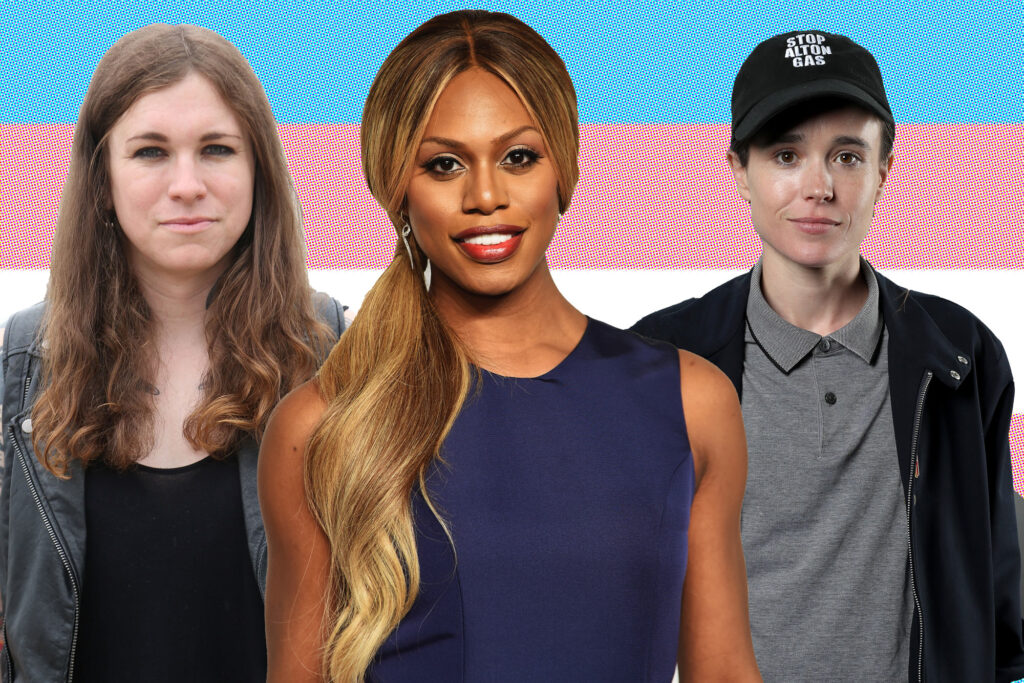
Despite its groundbreaking achievements, Second Wave feminism faced its own set of limitations. Critics pointed to its tendency to prioritize the experiences of white, heterosexual, middle-class women, often neglecting the concerns of women of color, lesbians, and women from marginalized communities. The concept of “sisterhood” was often invoked without acknowledging the vast differences in lived experiences, leading to tensions and divisions within the movement. The exclusion of transgender women from feminist spaces became a particularly contentious issue, highlighting the need for a more inclusive and intersectional approach.
Radical feminism, a prominent strand within the Second Wave, sought to dismantle patriarchy at its roots, challenging the very concept of gender as a social construct. However, its focus on gender essentialism – the belief that men and women are inherently different – often reinforced binary thinking and further marginalized transgender individuals. The emphasis on female separatism, while intended to create safe spaces for women, sometimes inadvertently reinforced the notion that men were inherently oppressive and incapable of genuine allyship.
Third Wave: Intersectionality and Beyond – A Fragmented Future?
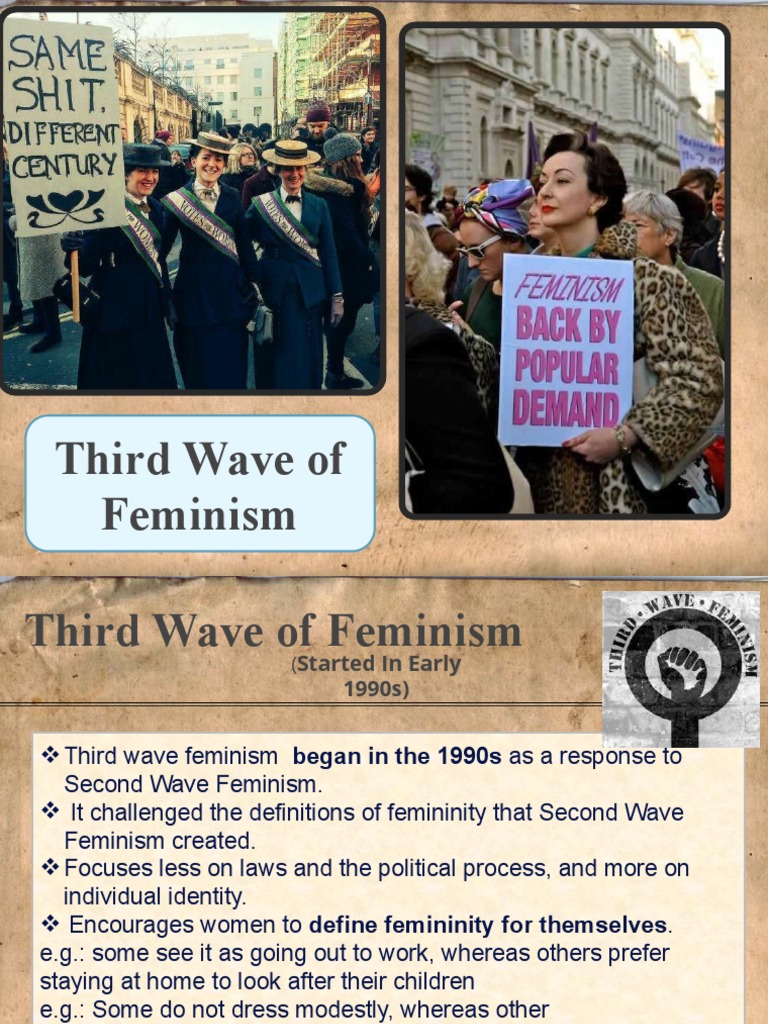
Emerging in the 1990s, Third Wave feminism sought to build upon the achievements of its predecessors while addressing their shortcomings. Fueled by the rise of the internet and digital technologies, Third Wave feminists embraced intersectionality, recognizing that gender inequality is inextricably linked to other forms of oppression, including race, class, sexual orientation, and disability. This wave refused to be defined by a single ideology or agenda, embracing a multiplicity of voices and perspectives.
Riot Grrrl, a subcultural movement blending punk rock, feminism, and DIY ethics, exemplified the rebellious spirit of the Third Wave. Riot Grrrl bands challenged patriarchal norms through music, zines, and activism, creating a space for young women to express their anger, frustration, and desire for change. The movement’s emphasis on personal empowerment and collective action resonated with a new generation of feminists who were disillusioned with mainstream politics.
Third Wave feminists also challenged traditional notions of femininity, embracing a more fluid and diverse range of self-expression. They rejected the idea that feminism required women to conform to a particular aesthetic or lifestyle. Instead, they celebrated individuality and encouraged women to define feminism on their own terms. The reclamation of derogatory terms like “slut” and “bitch” became a way to challenge patriarchal language and reclaim agency over one’s own sexuality.
However, the Third Wave’s emphasis on individual empowerment and diversity has also been criticized for lacking a clear political agenda. Some argue that the movement’s focus on personal expression has come at the expense of collective action and systemic change. The rise of “girlboss” feminism, which celebrates female entrepreneurship and success within capitalist structures, has been criticized for co-opting feminist ideals and promoting individual advancement over collective liberation.
Furthermore, the fragmented nature of the Third Wave has made it difficult to define its boundaries and assess its overall impact. The proliferation of online feminist communities has created spaces for dialogue and activism, but it has also led to echo chambers and online harassment. The constant need to “call out” and “cancel” individuals for perceived offenses has created a climate of fear and self-censorship, hindering open and honest discussions.
Beyond Waves: Towards an Intersectional Future
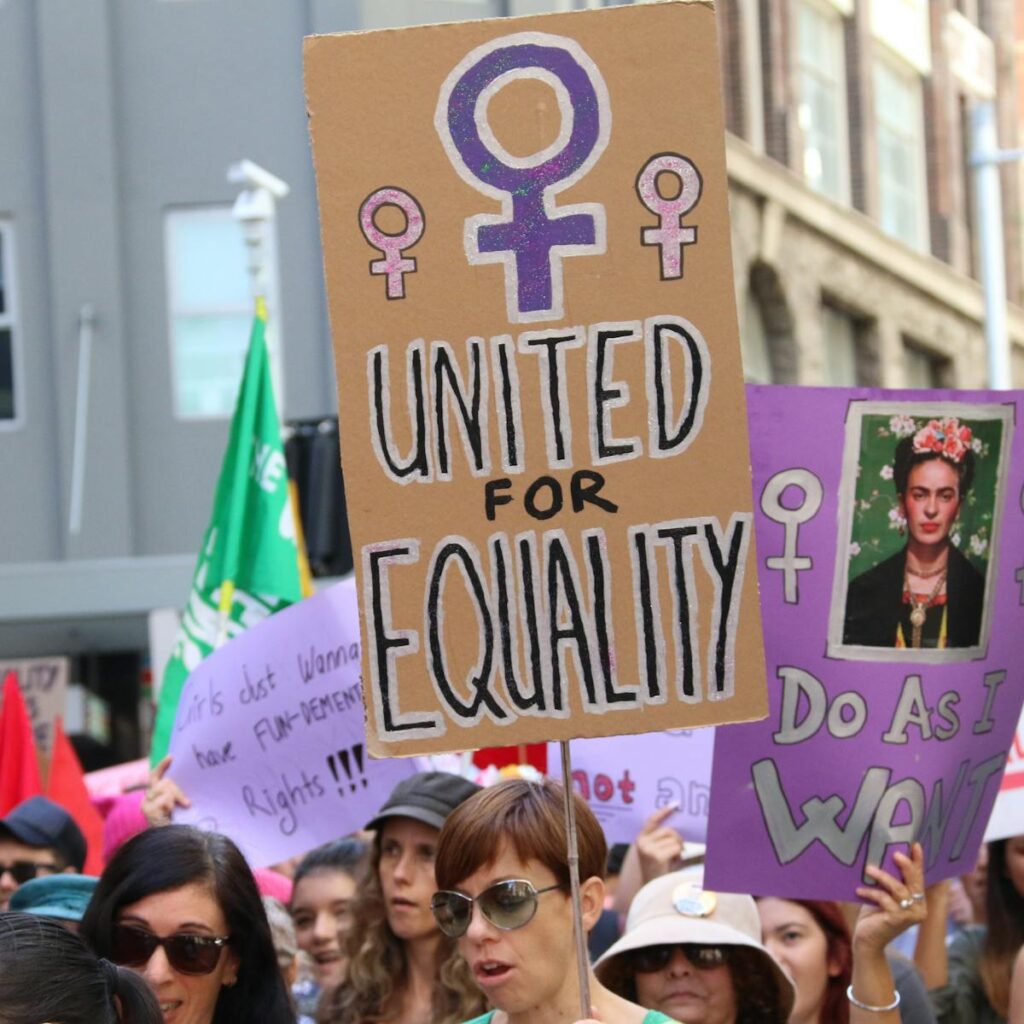
The wave metaphor, while useful for historical analysis, ultimately falls short in capturing the complexity and fluidity of feminist thought and action. Perhaps it’s time to abandon this rigid framework and embrace a more nuanced understanding of feminism as an ongoing process of evolution and transformation. The challenges facing women today are multifaceted and interconnected, requiring an intersectional approach that acknowledges the diversity of lived experiences and prioritizes collective liberation.
We must learn from the mistakes of the past, acknowledging the ways in which earlier waves of feminism excluded and marginalized certain groups. We must amplify the voices of women of color, LGBTQ+ individuals, disabled women, and women from marginalized communities, ensuring that their experiences are at the center of feminist discourse. We must move beyond simplistic binaries and embrace a more fluid and inclusive understanding of gender and sexuality.
The future of feminism lies in building coalitions across different identities and movements, working together to dismantle the systemic inequalities that perpetuate oppression. It requires a commitment to critical self-reflection, a willingness to challenge our own biases, and a deep sense of empathy and solidarity. Only then can we create a truly just and equitable world for all. Let’s ditch the waves and embrace the currents – currents of change, resistance, and unwavering commitment to liberation.







Leave a Comment