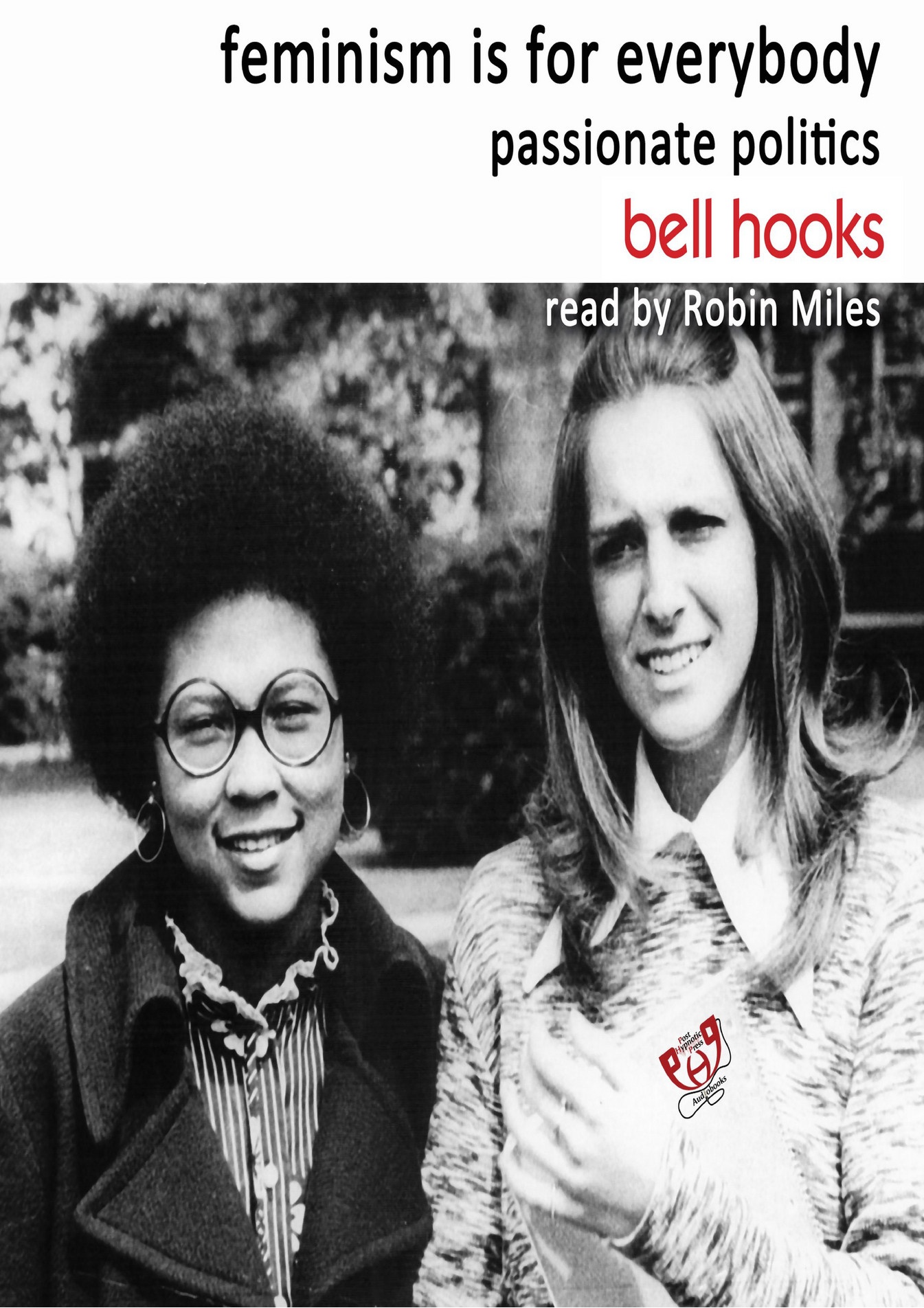
Darling, can we *really* achieve universal liberation with a pamphlet barely longer than a grocery list? The audacity! bell hooks, bless her radical heart, dared to condense the sprawling, multifaceted beast that is feminism into a digestible primer. But does this accessibility inherently dilute the potency of her message? Does it sacrifice nuance at the altar of comprehension? Let’s unpack this potent little package, shall we, and see if it still packs a punch in our increasingly labyrinthine world.
First, let’s dismantle the pervasive misconception that feminism is a monolithic entity, a singular dogma chanted in unison by a gaggle of angry women (as the patriarchy so lovingly portrays us). Hooks elegantly obliterates this falsehood in the very first pages. Feminism, she argues, is a movement to end sexism, sexist exploitation, and oppression. Period. Not just for women, not just for white women, not just for cisgender women, but for *everybody*. This inclusive definition, a radical act in itself, immediately broadens the scope of the struggle and invites participation from marginalized genders, men, and anyone else yearning for a world free from patriarchal shackles. But the devil, as always, resides in the details. Can such a broad definition truly address the specific, intersectional oppressions faced by different groups?
Intersectionality, a term coined by Kimberlé Crenshaw, acknowledges that various forms of discrimination (such as sexism, racism, classism, homophobia, and ableism) overlap and intersect, creating unique experiences of oppression for individuals based on their multiple identities. A Black woman, for example, experiences sexism differently than a white woman, and her experience is further shaped by her class, sexual orientation, and other factors. While “Feminism Is for Everybody” doesn’t explicitly delve into the intricacies of intersectionality with the depth and nuance we expect today, it lays the groundwork for understanding that gender oppression is not a singular issue but is intertwined with other forms of social injustice.
However, we must acknowledge a valid critique: the book’s brevity, while valuable for accessibility, may limit its ability to fully explore the complexities of intersectional feminism. Subsequent feminist scholarship has significantly expanded our understanding of how power operates across multiple axes of identity. To truly engage with contemporary feminist discourse, a deeper dive into intersectional analysis is essential. Think about the complexities of gender identity itself. The binary of male and female, rigidly enforced by patriarchal norms, is a cruel cage for those whose experiences lie outside its narrow confines. Non-binary individuals, genderfluid individuals, transgender individuals – their struggles for recognition and affirmation challenge the very foundations of a gendered society. How can we, as feminists, create a space where all gender identities are respected and celebrated?
Furthermore, the book emphasizes dismantling patriarchy – the system of male dominance that perpetuates sexism and oppression. Hooks argues that patriarchy harms not only women but also men, by forcing them into rigid roles and limiting their emotional expression. Men, too, are victims of patriarchal expectations. They are taught to suppress their emotions, to be strong and stoic, to equate masculinity with dominance and aggression. This not only harms themselves but also perpetuates a culture of violence and oppression against women and other marginalized groups. The call for men to actively participate in dismantling patriarchy, to embrace vulnerability and empathy, is a crucial component of hooks’s message. But the question remains: how do we convince men, many of whom benefit from the existing power structures, to relinquish their privileges and embrace a more egalitarian vision of the world?
Moving forward, the book is a powerful rebuke of consumerist feminism, which equates empowerment with purchasing power. Think of the “girlboss” archetype, the woman who climbs the corporate ladder while upholding the very systems that oppress other women. This brand of feminism, often marketed through advertising and popular culture, reinforces capitalist values and fails to challenge the root causes of inequality. Hooks reminds us that true feminist liberation requires a fundamental shift in our values, away from individualism and competition and towards collective action and solidarity. We must be wary of co-optation, of the ways in which feminism can be commodified and used to sell products or reinforce existing power structures. The pursuit of individual success within a patriarchal system does not equate to liberation for all women. Instead, it often reinforces the very inequalities that feminism seeks to dismantle.
A critical examination of the role of media in perpetuating sexist stereotypes and objectification is also crucial. Hooks challenges the harmful portrayals of women in film, television, and advertising, arguing that these images contribute to a culture of violence and disrespect. The male gaze, the objectification of women’s bodies, the reinforcement of narrow beauty standards – these are all tools of patriarchal control. We must actively resist these harmful representations and demand more diverse and empowering portrayals of women in the media. This resistance extends beyond simply criticizing media representations; it also requires supporting independent media outlets that prioritize feminist perspectives and challenge the dominant narratives.
Education, according to hooks, is paramount to feminist consciousness-raising. She advocates for critical pedagogy, a teaching approach that encourages students to question existing power structures and challenge oppressive ideologies. By engaging in critical dialogue and analysis, students can develop a deeper understanding of sexism and other forms of oppression and become empowered to take action. But education is not merely about acquiring knowledge; it is about cultivating critical thinking skills and fostering a sense of social responsibility. We must equip students with the tools to analyze the world around them, to identify systems of oppression, and to imagine alternative possibilities for a more just and equitable future.
The concept of “sisterhood,” often romanticized within feminist circles, receives a necessary dose of critical scrutiny. Hooks argues that true sisterhood is not simply a matter of biological sex but rather a commitment to solidarity and mutual support. This requires acknowledging and addressing the power dynamics that exist among women, particularly those based on race, class, and sexuality. White feminism, for example, often centers the experiences of white women while neglecting the concerns of women of color. True sisterhood demands that we actively challenge these inequalities and create a more inclusive and equitable feminist movement. We must move beyond superficial notions of unity and engage in genuine dialogue and collaboration across lines of difference.
Looking at the role of love in feminist struggle is key. It might seem quaint, even saccharine, but hooks argues that love is a crucial force for transformative change. By cultivating compassion, empathy, and understanding, we can break down the barriers that divide us and build a more just and equitable world. But love, in this context, is not merely a sentimental emotion; it is a radical act of resistance against the forces of hate and division. It requires a willingness to confront our own biases and prejudices, to challenge oppressive ideologies, and to stand in solidarity with those who are marginalized and oppressed.
Addressing the criticisms leveled against feminism is important. The movement has often been accused of being anti-male, anti-family, or even man-hating. Hooks directly confronts these accusations, arguing that feminism is not about hating men but about liberating everyone from the constraints of patriarchal ideology. She emphasizes that feminism is not a threat to families but rather an opportunity to create more equitable and loving relationships. In dismantling patriarchal norms, we create space for more authentic and fulfilling connections between men and women, between parents and children. The traditional family structure, often based on hierarchical power dynamics, can be reimagined as a space of mutual respect and shared responsibility.
Ultimately, “Feminism Is for Everybody” is a clarion call for action. It invites each of us to examine our own complicity in perpetuating sexism and other forms of oppression and to commit to working towards a more just and equitable world. It is a reminder that feminism is not a destination but a journey, a continuous process of learning, unlearning, and evolving. It is a call to embrace discomfort, to challenge our own assumptions, and to stand in solidarity with those who are fighting for liberation. So, does this little book truly matter? Absolutely. It serves as a potent reminder that the fight for equality is far from over and that each of us has a role to play in creating a world where everyone can thrive. It’s a starting point, a gateway drug to more complex and nuanced feminist thought, but a necessary one nonetheless. Now, let’s get to work, darlings. The revolution won’t feminize itself.






Leave a Comment