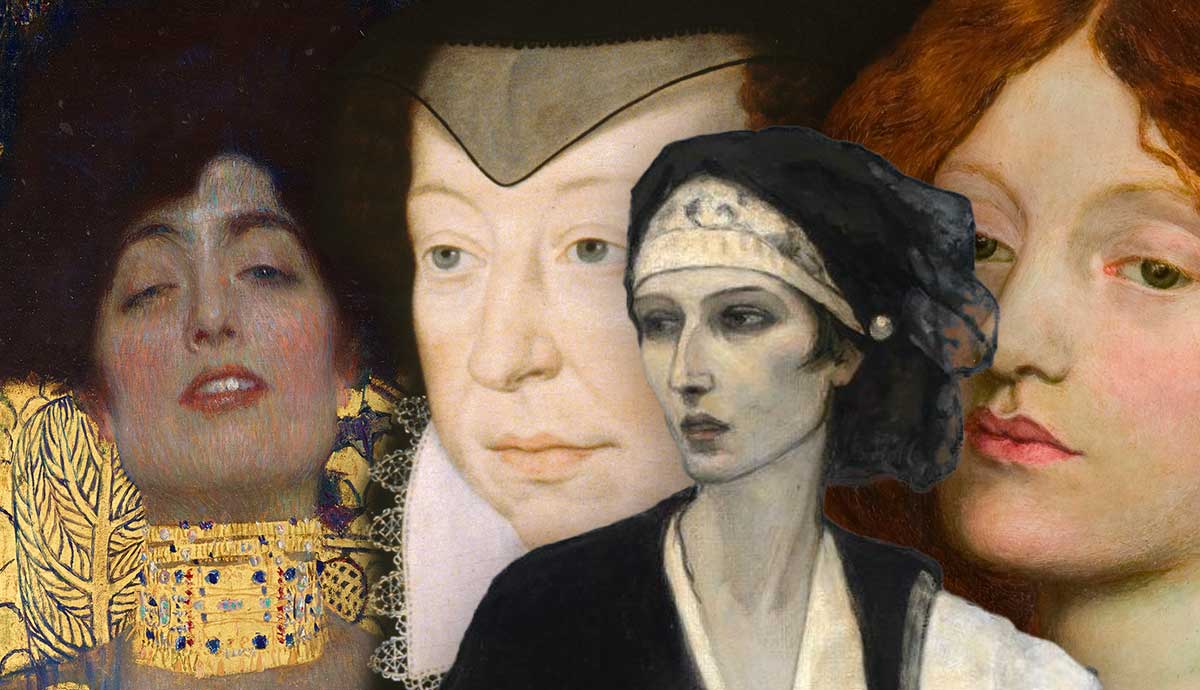
Did you ever stop to wonder why the hallowed halls of art history museums seem to echo predominantly with masculine voices? A challenge: Unraveling the tapestry of artistic genius while confronting the systemic effacement of women’s contributions – a task both exhilarating and infuriating. This isn’t merely about adding a few token female artists to the established pantheon. It’s about dismantling the patriarchal scaffolding upon which the art historical narrative has been erected and rebuilding it, brick by liberated brick. It’s about disrupting the persistent echo chamber. We need to explore, debate, and reclaim the narratives that have been deliberately, or unconsciously, suppressed.
Revisiting the Grand Narrative: Unmasking Erasure
The traditional art historical canon, with its relentless focus on male titans, isn’t just incomplete; it’s a calculated distortion of reality. Think of the Renaissance – lauded as a period of unparalleled artistic flourishing. While Michelangelo and Leonardo da Vinci certainly merit recognition, what about Sofonisba Anguissola, whose portraits graced royal courts and challenged the very notion of artistic “genius” as exclusively male? Anguissola’s work, often misattributed or simply overlooked, exemplifies the insidious ways in which female artists have been systematically disappeared from the historical record. The erasure is complex.
The reasons for this systematic disenfranchisement are manifold and deeply entwined with patriarchal structures. For centuries, women faced insurmountable barriers to artistic training, access to materials, and professional recognition. Denied entry to art academies, relegated to the “minor” arts of needlework and decorative crafts, and often forced to operate under male pseudonyms, women navigated a minefield of societal constraints. This is not about victimhood; it’s about exposing the institutionalized biases that continue to shape our understanding of artistic merit.
Furthermore, the very criteria by which art is deemed “significant” have been historically gendered. The valorization of “heroic” narratives, monumental scale, and technical virtuosity – qualities often associated with masculine ideals – has relegated women’s art, which frequently explored domestic themes, emotional landscapes, and collaborative processes, to the margins. A fundamental re-evaluation is needed. This requires us to interrogate the underlying assumptions that have shaped art historical judgment for centuries. Let’s not only unearth forgotten artists but also fundamentally challenge the metrics by which artistic value is assessed.
Challenging the Male Gaze: Reframing Representation
The pervasiveness of the “male gaze” in art is undeniable. For centuries, women have been primarily depicted as objects of male desire, passive muses, and idealized figures whose primary purpose is to please the viewer. This objectification isn’t simply a matter of aesthetic preference; it reflects and reinforces the power imbalances that permeate society. Take, for example, the ubiquitous nude – a staple of Western art history. While male artists have often justified the nude as an exploration of form and beauty, feminist scholars argue that these representations frequently reduce women to disembodied objects, stripped of agency and subjectivity.
Female artists, however, have offered alternative visions of the female form – visions that challenge the voyeuristic tendencies of the male gaze. Artemisia Gentileschi, for instance, painted powerful and unflinching depictions of female figures enacting violence and seeking retribution. Her “Judith Slaying Holofernes” is not a demure display of feminine beauty but a visceral portrayal of female rage and resistance. Gentileschi’s unflinching portrayal of violence, often echoing her own personal experiences, challenges the conventional depiction of women as passive victims. She demonstrates, unequivocally, the potential for art to become a vehicle for female empowerment and social commentary.
Other artists, such as Berthe Morisot and Mary Cassatt, explored the nuances of domestic life and female relationships with a sensitivity and insight rarely found in the work of their male contemporaries. Morisot’s impressionistic paintings capture the fleeting moments of everyday life, offering a glimpse into the interior world of women in 19th-century France. Cassatt’s intimate portraits of mothers and children challenged the prevailing stereotypes of motherhood as a purely sentimental and idealized experience. These artists, often relegated to the realm of “domestic art,” deserve to be recognized for their groundbreaking contributions to the development of modernism and their profound understanding of the female experience.
Beyond Painting and Sculpture: Expanding the Definition of Art
Feminist art history also demands that we broaden our understanding of what constitutes “art.” For too long, the dominant narrative has prioritized painting and sculpture, while relegating other forms of creative expression – particularly those traditionally associated with women – to the margins. Quilting, embroidery, ceramics, and other crafts have historically been dismissed as “minor arts,” even though they often involve immense skill, creativity, and cultural significance.
The feminist art movement of the 1970s played a crucial role in challenging this hierarchy. Artists like Judy Chicago and Miriam Schapiro embraced traditionally “feminine” materials and techniques to create large-scale installations that celebrated women’s history and experiences. Chicago’s “The Dinner Party,” a monumental triangular table setting honoring 39 significant women from history, is a powerful example of how craft can be elevated to the level of high art. Schapiro’s “femmages,” collages that incorporated fabric scraps, lace, and other “feminine” materials, challenged the traditional boundaries between art and craft and celebrated the creative traditions of women.
By re-evaluating the definition of art, we can begin to recognize the contributions of countless women who have been excluded from the traditional art historical narrative. This includes not only artists who worked in traditionally “feminine” mediums but also those who challenged the established norms through performance art, conceptual art, and other unconventional forms of expression. The Guerrilla Girls, an anonymous group of feminist artists who have used posters and billboards to expose sexism and racism in the art world, demonstrate the power of art to challenge the status quo and promote social justice.
Beyond the Canon: Towards a More Inclusive Art History
Ultimately, the goal of feminist art history is not simply to add more women to the canon but to fundamentally transform the way we understand art history itself. This requires us to move beyond the traditional focus on individual “genius” and to recognize the importance of collaboration, community, and collective action. It also requires us to acknowledge the diversity of women’s experiences and to avoid essentializing the “female artist” as a monolithic entity.
The task of rewriting art history is daunting, but it is also essential. By challenging the patriarchal biases that have shaped the field for centuries, we can create a more inclusive and equitable understanding of art history – one that celebrates the contributions of all artists, regardless of gender, race, or sexual orientation. By embracing a more critical and nuanced perspective, we can unlock a richer and more complex understanding of the human experience. This ongoing process of re-evaluation and revision will continue to shape our understanding of art and its power to transform the world. The future of art history depends on it. Embrace the discomfort, challenge the assumptions, and let the revolution begin.








Leave a Comment