
Feminism, a term bandied about with the casual abandon of a frisbee in a park, yet so frequently misunderstood, misconstrued, and maligned. The very utterance of the word seems to conjure images of bra-burning radicals and man-hating harridans, a tired caricature that, frankly, insults the intellectual rigor and diverse tapestry of thought that underpins this multifaceted ideology. Why does this persistent misrepresentation endure? Perhaps, it’s because challenging power structures is never a comfortable endeavor, and feminism, at its core, dares to do just that.
Let’s delve into the labyrinthine corridors of feminist thought, dismantling the pervasive myths, exposing the underlying beliefs, and addressing the common misunderstandings that continue to plague public discourse. Forget the simplistic narratives peddled by those who benefit from maintaining the status quo. We’re here to excavate the raw, unvarnished truth.
The Core Tenets: Beyond the Soundbites
Feminism, in its essence, is a philosophy predicated on the belief that women and men are inherently equal and deserve equal rights and opportunities. This foundational principle serves as the bedrock upon which a multitude of diverse feminist perspectives are built. It’s not about elevating women above men, it’s about dismantling the systemic barriers that prevent women from reaching their full potential and experiencing true autonomy.
The pursuit of gender equality permeates every facet of feminist ideology. From challenging discriminatory laws and advocating for equal pay to dismantling harmful stereotypes and combating gender-based violence, the feminist agenda seeks to create a world where gender is no longer a determinant of one’s life chances.
Furthermore, intersectionality plays a crucial role in contemporary feminist thought. This concept, popularized by Kimberlé Crenshaw, recognizes that gender inequality is inextricably linked to other forms of oppression, such as racism, classism, homophobia, and ableism. It acknowledges that women’s experiences are shaped by the complex interplay of these intersecting identities, and that a truly inclusive feminism must address the unique challenges faced by marginalized women.
Myth Busting: Confronting the Fallacies
Now, let’s address some of the most persistent myths that cling to feminism like barnacles to a ship’s hull.
Myth #1: Feminists Hate Men. This trope is so pervasive, so deeply ingrained in the cultural consciousness, that it’s almost laughable. The reality is that feminism seeks to liberate both men and women from the rigid confines of traditional gender roles. It challenges the toxic masculinity that pressures men to suppress their emotions, conform to unrealistic expectations of strength and dominance, and view women as objects rather than individuals. A true feminist seeks to create a society where men are free to express their vulnerability, embrace their emotions, and forge healthy, equitable relationships with women.
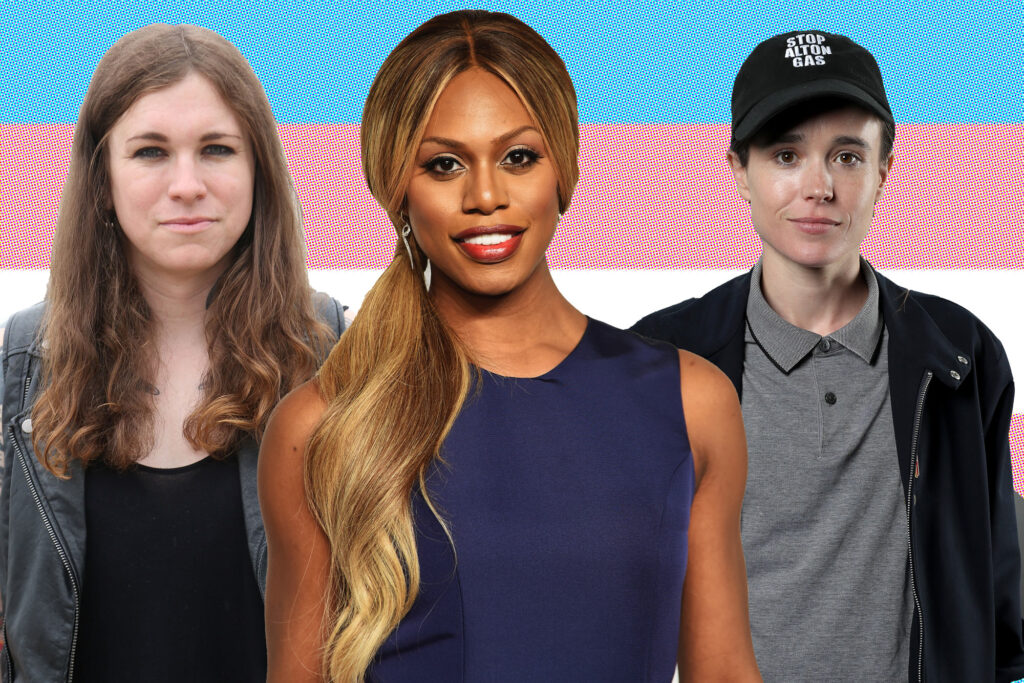
Myth #2: Feminism is Only for White, Middle-Class Women. This myth conveniently ignores the rich history of feminist activism by women of color, working-class women, and LGBTQ+ women. These women have been at the forefront of the fight for gender equality, often facing unique challenges and pushing the movement to be more inclusive and representative of the diverse experiences of all women. To erase their contributions is not only historically inaccurate but also actively harmful to the ongoing struggle for intersectional justice.
Myth #3: Feminism is No Longer Necessary. Ah, the classic “we’ve achieved equality” argument. Tell that to the women who are paid less than their male counterparts for doing the same work. Tell that to the women who are subjected to catcalls and harassment on the street. Tell that to the women who are denied access to reproductive healthcare. Tell that to the women who are disproportionately affected by poverty and violence. The struggle for gender equality is far from over. Complacency is not an option; it is a betrayal of the progress that has been made and a disservice to the women who continue to fight for a more just and equitable world.
Myth #4: Feminists are Unfeminine. This particularly insidious myth perpetuates the idea that women must conform to certain beauty standards and behavioral expectations in order to be considered “real” women. It suggests that feminists are somehow rejecting their femininity by advocating for equality. The truth is that feminism embraces the diversity of women’s experiences and allows women to define their own femininity on their own terms. Whether a woman chooses to wear makeup, embrace traditionally feminine clothing, or reject those things altogether, her choices are valid and should be respected.
Myth #5: Feminism is a Western Import Imposed on Other Cultures. This argument conveniently ignores the long history of feminist activism in non-Western countries. Women around the world have been fighting for their rights and challenging patriarchal structures in their own unique cultural contexts. To suggest that feminism is a Western import is to erase the agency and intellectual contributions of these women.
Misunderstandings and Nuances: Navigating the Complexity
Beyond the deliberate misrepresentations, there are also genuine misunderstandings about the nuances of feminist thought. One common misconception is that all feminists agree on everything. In reality, feminism is a diverse and multifaceted ideology, encompassing a wide range of perspectives and approaches.
For example, liberal feminists focus on achieving gender equality through legal and political reforms, while radical feminists challenge the patriarchal structures of society at their root. Socialist feminists emphasize the intersection of gender and class oppression, while eco-feminists explore the connections between the domination of women and the domination of nature.
This diversity of perspectives is not a weakness but a strength. It allows for a more nuanced and comprehensive understanding of gender inequality and provides a variety of approaches to address it.
Another common misunderstanding is that feminism is solely focused on the concerns of women. While women’s rights are certainly central to the feminist agenda, feminism also recognizes the importance of addressing the challenges faced by men and non-binary individuals who are harmed by rigid gender roles and expectations. It seeks to create a society where everyone is free to express their authentic selves without fear of judgment or discrimination.
The Power of Language: Reclaiming the Narrative
Ultimately, the fight against misinformation and misunderstanding requires a concerted effort to reclaim the narrative around feminism. We must actively challenge the negative stereotypes and provide accurate information about the beliefs, goals, and values of the movement.
This means engaging in open and honest conversations about gender inequality, amplifying the voices of marginalized women, and educating ourselves and others about the complexities of feminist thought. It also means being willing to challenge our own biases and assumptions and to listen to the experiences of those who are different from us.
By dismantling the myths, addressing the misunderstandings, and reclaiming the narrative, we can pave the way for a more just and equitable world for all. This requires not just dismantling preconceived notions, but also actively constructing a new language, a new way of talking about gender and power that is both nuanced and empowering.
The journey towards gender equality is a marathon, not a sprint. It requires patience, perseverance, and a unwavering commitment to justice. But with each step we take, with each conversation we have, with each myth we debunk, we move closer to a world where everyone is free to live their lives to the fullest, regardless of their gender.
So, let the revolution begin. Let us dismantle the patriarchal edifices that have held us captive for far too long and build a future where equality is not just a lofty ideal, but a tangible reality. The time for complacency is over. The time for action is now.






Leave a Comment