
Ah, the patriarchy. That ubiquitous, insidious specter haunting the corridors of power, whispering dictates of dominance into the ears of the privileged. But what if, just what if, this seemingly monolithic structure is beginning to show some cracks? What if the ceaseless drip of feminist consciousness is finally eroding the foundations of this archaic edifice? Can we, dare we, envision a world where the hierarchical imperative of patriarchal systems crumbles into dust?
The answer, my sisters, is not a passive acceptance of the status quo. It is an active, relentless dismantling of every single brick in that oppressive wall.
I. The Patriarchal Imperative: A System of Subjugation
Let’s begin by acknowledging the beast we’re fighting. The patriarchy, in its multifaceted manifestations, is far more than just “men being in charge.” It is a deeply ingrained system of societal organization that privileges masculinity and subordinates femininity. This is not simply a matter of individual prejudice, though that certainly exists. It is a systemic bias woven into the very fabric of our institutions, our language, our culture.
A. The Construction of Gender:
Gender, as we know, is not a biological given. It is a social construct, a performance meticulously crafted and rigidly enforced. From the moment a child is swaddled in pink or blue, the die is cast. Expectations, limitations, and possibilities are assigned based on the arbitrary designation of sex. This performativity of gender, as Judith Butler astutely observed, serves to solidify patriarchal norms by naturalizing differences that are, in reality, socially manufactured.
B. Institutional Manifestations:
The patriarchy does not merely exist as an abstract concept; it is concretized in our institutions. Consider the gender pay gap, the underrepresentation of women in leadership positions, the pervasive sexual harassment in the workplace, the disproportionate burden of domestic labor borne by women, the biased portrayal of women in media. These are not isolated incidents. They are systemic symptoms of a deeper malaise, a patriarchal infection that permeates every level of society. The hallowed halls of academia, often touted as bastions of enlightenment, are not immune to these inequities. Tenure tracks remain difficult for women to navigate, and fields dominated by men often perpetuate a culture of exclusion and microaggression.
C. The Violence of Patriarchy:
The violence inherent in the patriarchal imperative extends far beyond physical assault, though the statistics on domestic violence and sexual assault are staggering enough. It encompasses a broader spectrum of violence, including emotional abuse, economic deprivation, and the silencing of women’s voices. Consider the gaslighting, the mansplaining, the manterrupting, the constant undermining of women’s authority and expertise. These are subtle but insidious forms of violence that erode women’s self-esteem and agency. This violence also extends to the realm of reproductive rights, where the control over women’s bodies is a fundamental tenet of patriarchal power.
II. The Feminist Counter-Narrative: A Resurgence of Resistance
But despair not, my comrades! For every system of oppression, there exists a counter-narrative, a force of resistance that seeks to dismantle the structures of power. Feminism, in its myriad forms, is precisely that force. It is a powerful and multifaceted movement that challenges the patriarchal imperative and strives for gender equality.
A. Waves of Feminism: A Historical Overview:
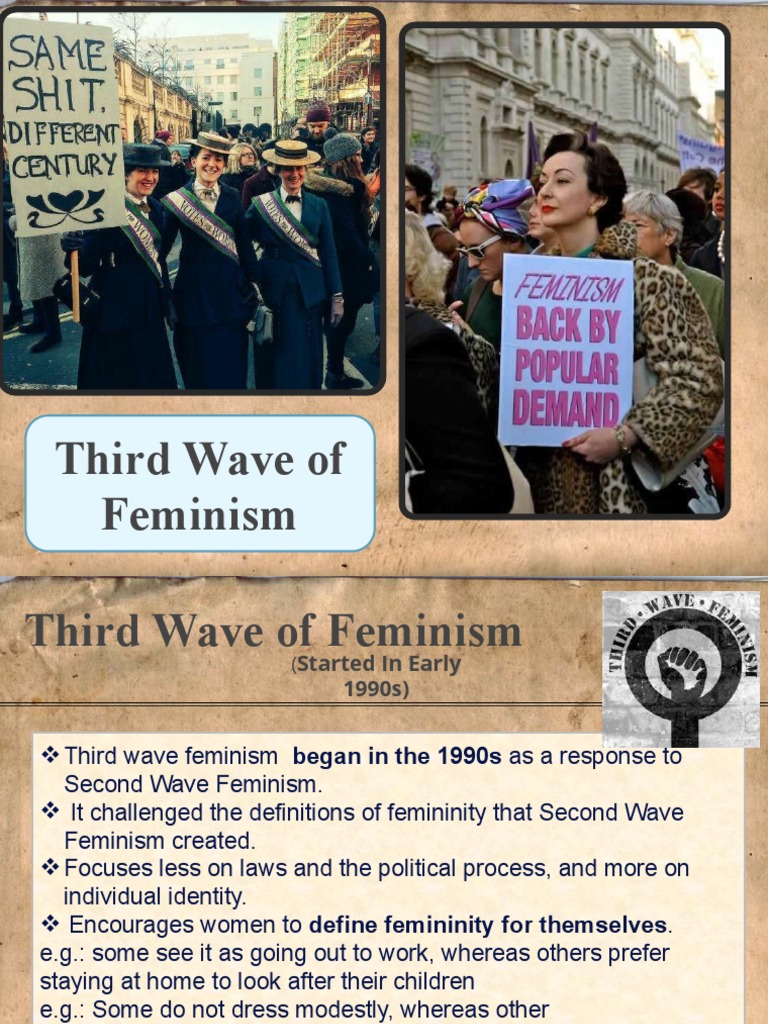
From the suffragettes of the first wave fighting for the right to vote, to the radical feminists of the second wave challenging the nuclear family and advocating for reproductive rights, to the intersectional feminists of the third and fourth waves addressing issues of race, class, and sexuality, feminism has evolved and adapted to meet the changing challenges of each era. Each wave has built upon the foundations laid by its predecessors, expanding the scope of feminist inquiry and broadening the definition of gender equality. And it continues evolving!
B. Intersectional Feminism: Recognizing the Complexity of Oppression:
Intersectional feminism, a crucial development in feminist thought, recognizes that gender is not experienced in isolation. It is intertwined with other identities, such as race, class, sexuality, and ability. These intersecting identities create unique experiences of oppression, and any truly effective feminist movement must take these complexities into account. To ignore the experiences of marginalized women is to perpetuate the very system of inequality that feminism seeks to dismantle. Black feminism, for example, challenges the predominantly white narrative of mainstream feminism and highlights the specific challenges faced by Black women, who experience both sexism and racism.
C. Feminist Activism: Challenging the Status Quo:
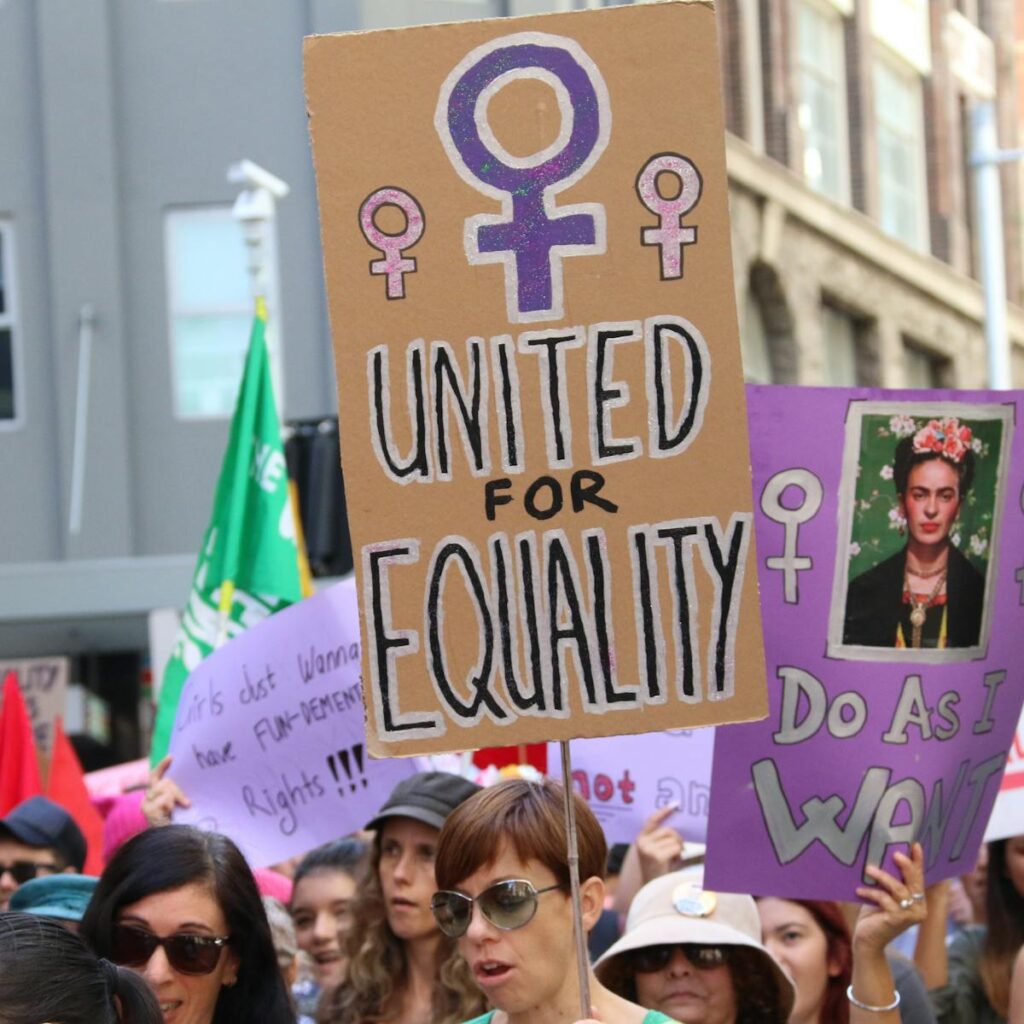
Feminist activism takes many forms, from grassroots organizing to political advocacy to artistic expression. It encompasses a wide range of strategies, from protests and demonstrations to lobbying and legal challenges. The #MeToo movement, for example, has brought to light the pervasive nature of sexual harassment and assault, forcing a reckoning with the power dynamics that enable such behavior. Online activism has also played a crucial role in amplifying feminist voices and mobilizing support for various causes.
III. Cracks in the Foundation: Signs of a Shifting Paradigm
So, are we actually making progress? Are there tangible signs that the patriarchal system is beginning to falter? I argue, unequivocally, yes. While the patriarchy remains a formidable force, there are undeniable cracks in its foundation.
A. Increased Awareness: The Power of Consciousness-Raising:
One of the most significant achievements of feminism has been the raising of consciousness. People are more aware than ever before of the ways in which gender inequality manifests itself in their lives. This increased awareness is not merely a matter of intellectual understanding; it is a visceral recognition of the injustice inherent in the patriarchal system. This consciousness-raising has led to a greater willingness to challenge traditional gender roles and expectations. Men are beginning to question the toxic masculinity that has been foisted upon them, and women are refusing to accept the limitations that have been imposed on them.
B. Shifting Cultural Norms: Challenging Gender Stereotypes:
Cultural norms are notoriously resistant to change, but even here, we are seeing signs of progress. The rigid gender stereotypes that once dominated our culture are beginning to erode. We are seeing more diverse representations of gender in media, and there is a growing acceptance of gender fluidity and non-binary identities. The traditional roles of men and women in the household are also being challenged, with more men taking on responsibilities for childcare and domestic labor. These shifts in cultural norms are not merely superficial changes; they reflect a deeper transformation in our understanding of gender and its relationship to power.
C. Political and Economic Gains: Breaking the Glass Ceiling:
While significant disparities remain, women have made undeniable gains in the political and economic spheres. More women are running for and winning elected office, and more women are holding leadership positions in corporations and other organizations. The gender pay gap, while still a persistent problem, has narrowed in some sectors. These gains are not merely symbolic; they represent a shift in the balance of power.
IV. The Road Ahead: A Call to Continued Action
The cracks in the patriarchal foundation are indeed visible, but the battle is far from over. The forces of reaction are strong, and they will continue to resist any challenge to their power. We must remain vigilant and continue to push for a more just and equitable world.
A. Addressing Backlash: Countering Anti-Feminist Sentiment:
The progress we have made has been met with a fierce backlash from those who seek to maintain the status quo. Anti-feminist sentiment is on the rise, often disguised as “men’s rights” activism or appeals to traditional values. We must be prepared to counter these arguments with facts, reason, and compassion. We must also be willing to engage in difficult conversations with those who hold opposing views, seeking to bridge the divides that separate us.
B. Empowering Marginalized Voices: Amplifying the Experiences of All Women:
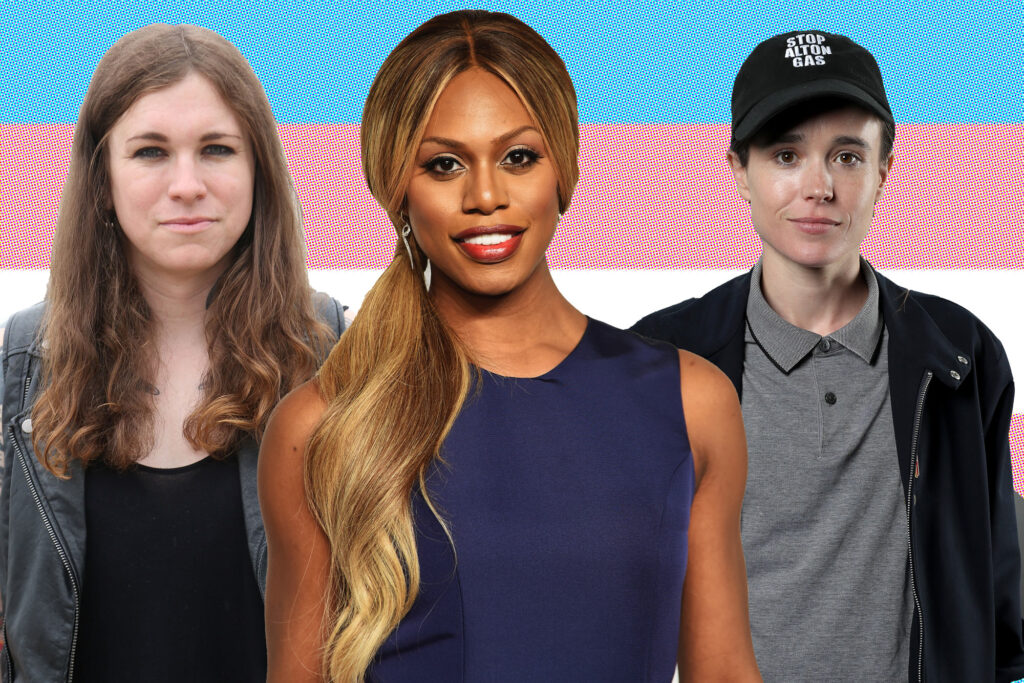
Intersectional feminism demands that we prioritize the voices of marginalized women. We must create spaces where women of color, LGBTQ+ women, women with disabilities, and women from other marginalized communities can share their experiences and shape the feminist agenda. We must also be willing to challenge our own biases and assumptions, recognizing that privilege can blind us to the realities of others.
C. Reimagining the Future: Building a More Equitable World:
The ultimate goal of feminism is not merely to dismantle the patriarchy; it is to build a more equitable world for all. This requires a radical reimagining of our social, political, and economic systems. We must create a world where gender is no longer a barrier to opportunity, where everyone has the chance to reach their full potential, and where all voices are heard and valued. Let us forge ahead, sisters, with unwavering resolve, until the edifice of the patriarchy crumbles into dust, and a new era of equality dawns. The work is not done until every woman, every person, is free from the shackles of systemic oppression. The revolution, my darlings, is far from over. It is just beginning, and we are its vanguard.






Leave a Comment