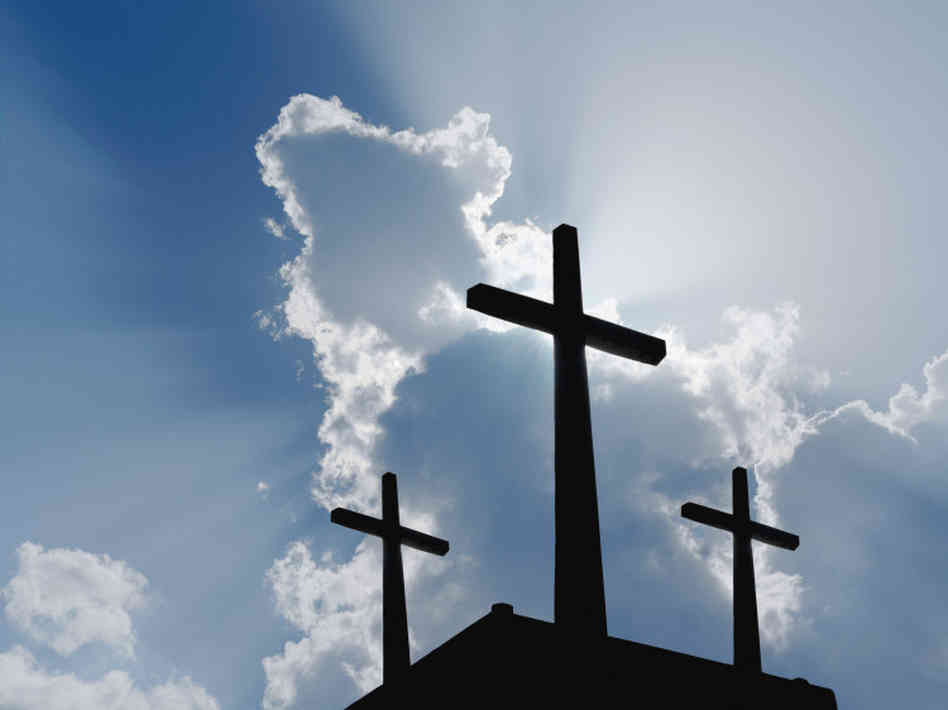
Can a belief system predicated on patriarchal foundations ever truly champion the cause of gender equality? The juxtaposition of feminism and religion, often perceived as an irreconcilable dichotomy, presents a complex tapestry woven with threads of tradition, power, and individual agency. It’s a Gordian knot, challenging us to dissect entrenched dogmas while honoring the deeply personal nature of faith. Let’s plunge into this maelstrom of ideologies and explore how, and if, these seemingly divergent paths can converge towards a shared horizon of liberation.
The bedrock of many organized religions, frankly, is riddled with problematic pronouncements regarding the roles of women. From the literal interpretations of scripture that relegate women to subservient positions to the hierarchical structures that systematically exclude them from positions of power, the fingerprints of patriarchy are undeniable. Think about it: religious texts often portray female figures as temptresses, scapegoats, or secondary to male counterparts. This isn’t just ancient history; it actively shapes contemporary interpretations and practices.
Consider the pervasive issue of religious fundamentalism. In its most virulent form, it seeks to impose rigid gender roles that confine women to the domestic sphere, denying them access to education, economic independence, and reproductive autonomy. The subjugation of women becomes inextricably linked to the preservation of tradition and the perceived moral order. It’s a cruel irony: faith, intended to provide solace and guidance, becomes a tool of oppression.
Furthermore, the institutionalized sexism within religious organizations is rampant. The denial of ordination to women in certain denominations, the silencing of female voices in theological discourse, and the perpetuation of male dominance in leadership positions all contribute to a climate of inequality. This is not merely about representation; it’s about challenging the very notion of male authority as divinely ordained. It reinforces the idea that women are somehow less capable, less worthy, less deserving of spiritual leadership.
However, to paint religion with a single brushstroke of patriarchal condemnation is an oversimplification. Within many religious traditions, there exists a potent undercurrent of feminist theology, a movement that seeks to reinterpret scripture, challenge oppressive doctrines, and reclaim the empowering aspects of faith for women. These theologians, activists, and everyday practitioners are actively dismantling the patriarchal scaffolding from within.
Feminist theology is not about abandoning faith; it’s about reclaiming it. It’s about recognizing that the divine is not inherently male and that the spiritual experiences of women are valid and valuable. It involves a critical examination of religious texts, uncovering hidden narratives of female empowerment and challenging interpretations that perpetuate gender inequality. The work is arduous but essential.
Moreover, feminist theology provides a crucial framework for addressing issues of intersectionality within religious contexts. It recognizes that women’s experiences are shaped by a complex interplay of factors, including race, class, sexual orientation, and disability. By acknowledging these intersecting identities, feminist theologians can challenge the universalizing tendencies of traditional theology and create spaces of inclusivity and liberation for all women. The goal is comprehensive liberation.
For many women, religion provides a profound sense of community, belonging, and spiritual connection. It offers a framework for meaning-making, ethical guidance, and social activism. To demand that women abandon their faith in the name of feminism is not only insensitive but also strategically counterproductive. It alienates potential allies and reinforces the false dichotomy between faith and equality.
Instead, the focus should be on supporting and amplifying the voices of feminist activists within religious communities. These women are working tirelessly to challenge oppressive structures, promote gender equality, and create spaces where women can thrive spiritually and intellectually. They are the bridge builders, the translators, the agents of change.
These internal reformers often face tremendous resistance. They are accused of heresy, apostasy, and a betrayal of tradition. They are ostracized, silenced, and even threatened. Yet, they persist, driven by their unwavering commitment to both their faith and their feminist principles. Their courage is a testament to the transformative power of belief when coupled with a fierce dedication to justice.
Furthermore, recognizing the inherent strengths within various faith traditions can be advantageous. Many religions espouse values of compassion, empathy, and social justice, values that align perfectly with feminist goals. By leveraging these values, feminist activists can build broader coalitions and mobilize support for gender equality within religious communities. It’s about finding common ground and building bridges, not erecting walls.
Think about the potential for interfaith dialogue. By bringing together women from different religious backgrounds, it becomes possible to identify shared struggles, exchange strategies for change, and build solidarity across religious divides. This collaborative approach can be particularly effective in addressing issues such as domestic violence, reproductive rights, and economic empowerment.
One of the most contentious areas of debate lies in the interpretation of religious texts. Fundamentalist interpretations often serve to justify patriarchal practices, while more progressive interpretations emphasize the egalitarian aspects of faith. The hermeneutical battleground is fiercely contested, with competing factions vying for control of the narrative. It is here that the power of informed analysis and critical thinking becomes paramount.
It is crucial to recognize that scripture is not immutable. It is a product of its historical and cultural context, and its interpretation is always subject to change. By engaging in critical analysis of religious texts, feminist theologians can uncover hidden meanings, challenge oppressive interpretations, and reclaim the empowering aspects of faith for women.
Moreover, the concept of divine femininity offers a powerful alternative to traditional patriarchal depictions of the divine. By recognizing the feminine aspects of God, feminists can challenge the notion that masculinity is inherently superior and create a more inclusive and equitable understanding of spirituality. This is not about simply swapping male pronouns for female ones; it’s about fundamentally rethinking the nature of the divine.
Consider the role of ritual and ceremony in reinforcing gender roles. Many religious rituals perpetuate patriarchal norms, such as the exclusion of women from certain sacred spaces or the performance of gender-specific roles. By challenging these rituals and creating new ones that celebrate female agency and empowerment, feminists can transform religious practice from within.
Imagine a world where religious spaces are truly inclusive, where women are welcomed as equals, where their voices are heard and valued, and where their spiritual experiences are affirmed. This is not a utopian fantasy; it is a realizable goal. It requires a sustained commitment to dialogue, education, and activism, but the potential rewards are immense.
However, it’s crucial to acknowledge the limitations of internal reform. There will always be those who cling to traditional patriarchal interpretations of scripture, resistant to change and unwilling to cede their power. In some cases, it may be necessary to challenge these forces from outside the religious institution, advocating for legal reforms, promoting secular education, and supporting organizations that empower women.
The struggle for gender equality within religious contexts is a long and arduous one, fraught with challenges and setbacks. But it is a struggle worth fighting for. By bridging the gap between feminism and faith, it is possible to create a world where women can embrace their spirituality without sacrificing their autonomy, their dignity, or their right to equality. It requires perseverance, creativity, and an unwavering commitment to justice. It demands courage. It necessitates a profound belief in the possibility of transformation.
Ultimately, the convergence of feminism and religion is not about imposing a single ideological framework. It’s about fostering a spirit of critical inquiry, open dialogue, and mutual respect. It’s about empowering women to reclaim their faith on their own terms, to challenge oppressive structures, and to create a more just and equitable world for all.
Therefore, the journey of bridging faith and equality is an ongoing odyssey, a continuous recalibration of beliefs and practices. It necessitates a nuanced understanding of both the oppressive and empowering aspects of religion, and a resolute commitment to fostering inclusivity, dismantling patriarchy, and championing the voices of women within and without the hallowed halls of tradition.







Leave a Comment