So, let’s talk about the raw, unvarnished truth: Feminism and Materialism aren’t just polite dinner companions. They’re intertwined combatants, locked in a perpetual, necessary struggle against the forces that seek to confine, exploit, and obliterate us. We’re not dealing with abstract theories here; we’re talking about bodies, labor, and the brutal realities of power. How are these concepts inextricably linked? Let’s dissect this monstrous thing. We need to excavate the foundations of our oppression.
The intersection of feminism and materialism provides a framework for understanding how gender inequality is rooted in material conditions and power structures. Materialism, in this context, emphasizes the importance of economic and social systems in shaping human experience. The central focus revolves around how resources are distributed, how labor is organized, and how power is wielded within a society. A feminist materialist perspective examines how these factors impact women’s lives and contribute to their subjugation.
I. The Body as a Site of Material Struggle
The body, our body, is the first battlefield. It’s not some ethereal temple, as patriarchal religions would have you believe. No, it’s a resource, a tool, a commodity to be bought, sold, and controlled. The control begins with the objectification of the female form in media. It continues with the incessant policing of women’s reproductive rights. And it culminates in the outright ownership of women’s bodies through practices like forced marriage and sex trafficking. It is a fundamental element of the capitalist patriarchy.
A. Reproductive Labor and Control
Let’s not mince words: the control over women’s reproductive capacity is a cornerstone of patriarchal power. The relentless attempts to restrict abortion access, the demonization of contraception, and the pressure on women to bear children are all symptoms of a system desperate to control the means of reproduction. The system benefits from unpaid labor. Reproduction, the creation of new workers, is essential for capitalism’s survival. Therefore, this subjugation is not a bug; it’s a feature.
Furthermore, the devaluation of reproductive labor, such as childcare and elder care, which disproportionately falls on women, perpetuates economic inequality. This unpaid labor is essential for the functioning of society, yet it is consistently undervalued and often completely ignored in economic analyses. This exploitation sustains systemic gender disparities.
B. The Commodification of the Female Body
From advertising to pornography, the female body is relentlessly commodified, reduced to a collection of parts to be consumed and desired. This incessant objectification perpetuates harmful stereotypes and reinforces the idea that women’s worth is primarily based on their physical appearance. It fuels a culture of self-loathing and body dysmorphia, compelling women to constantly strive for an unattainable ideal, enriching the cosmetic and fashion industries in the process. The insidious nature of this commodification is that it is often internalized, leading women to police themselves and each other.
This constant bombardment of idealized images of female bodies normalizes unrealistic standards of beauty and fosters a climate of intense competition among women. This competition distracts from collective action and reinforces patriarchal control. It’s a brilliant tactic of division, turning women against each other instead of uniting them against their oppressors.
C. Health Disparities and Bodily Autonomy
The fight for bodily autonomy extends beyond reproductive rights to encompass broader issues of health disparities. Women often face discrimination in healthcare, with their pain dismissed, their concerns minimized, and their needs unmet. This is particularly true for women of color, who experience systemic racism within the healthcare system, leading to poorer health outcomes. The fight for access to quality healthcare is a fight for bodily autonomy and, ultimately, for control over one’s own life. It’s a fight for recognition, for respect, and for the right to exist without being marginalized or dismissed.
II. Labor and Economic Exploitation
Capitalism thrives on the exploitation of labor, and women are disproportionately subjected to this exploitation. They are often relegated to low-paying, precarious jobs with little or no job security, facing persistent wage gaps and limited opportunities for advancement. The gendered division of labor, both in the workplace and in the home, perpetuates economic inequality and reinforces patriarchal power structures. A woman’s labor is often devalued because of the perceived “lesser” status of being a woman, a notion that is entirely socially constructed.
A. The Wage Gap and Occupational Segregation
The wage gap, the persistent disparity between men’s and women’s earnings, is a blatant manifestation of gender inequality. It’s not simply a matter of women choosing different careers; it reflects systemic discrimination in hiring, promotion, and pay. Occupational segregation, the concentration of women in certain lower-paying occupations, further exacerbates this inequality. Even within the same occupation, women often earn less than their male counterparts, demonstrating the pervasive nature of gender bias. The wage gap is not just an economic issue; it’s a moral one, a reflection of the inherent devaluation of women’s labor in a patriarchal society.
B. The Double Burden: Paid and Unpaid Labor
Women often bear a double burden, juggling paid employment with the majority of unpaid domestic labor, including childcare, housework, and elder care. This “second shift” leaves women with less time for rest, leisure, and personal development, contributing to stress, burnout, and health problems. The devaluation of unpaid labor perpetuates economic inequality and reinforces traditional gender roles, trapping women in a cycle of dependency and exhaustion. Recognizing and valuing unpaid labor is crucial for achieving true gender equality.
C. Precarity and the Gig Economy
The rise of the gig economy has exacerbated the precarity of work for many women, who are often overrepresented in low-paying, unstable jobs with few benefits. This precarity leaves women vulnerable to economic insecurity, exploitation, and abuse. The gig economy allows employers to avoid providing benefits, such as health insurance and paid time off, further undermining women’s economic well-being. The lack of regulation and oversight in the gig economy disproportionately harms women, who often rely on these jobs to supplement their income or to accommodate caregiving responsibilities.
III. The Politics of Power and Resistance
Ultimately, feminism and materialism are about power: who has it, who doesn’t, and how it is used to maintain and perpetuate inequality. The struggle for gender equality requires dismantling the power structures that uphold patriarchy and capitalism, challenging the dominant narratives that justify oppression, and building alternative systems based on justice, equity, and liberation. It requires more than just individual acts of resistance; it requires collective action, solidarity, and a commitment to transformative change.
A. Challenging Patriarchal Ideology
Patriarchal ideology, the set of beliefs and values that justify male dominance, is a powerful tool of oppression. It permeates every aspect of society, from education to media to religion, shaping our perceptions and influencing our behavior. Challenging patriarchal ideology requires deconstructing these harmful narratives, exposing their underlying assumptions, and creating alternative narratives that celebrate diversity, equality, and empowerment. It requires critical thinking, media literacy, and a willingness to question the status quo.
B. Building Solidarity and Collective Action
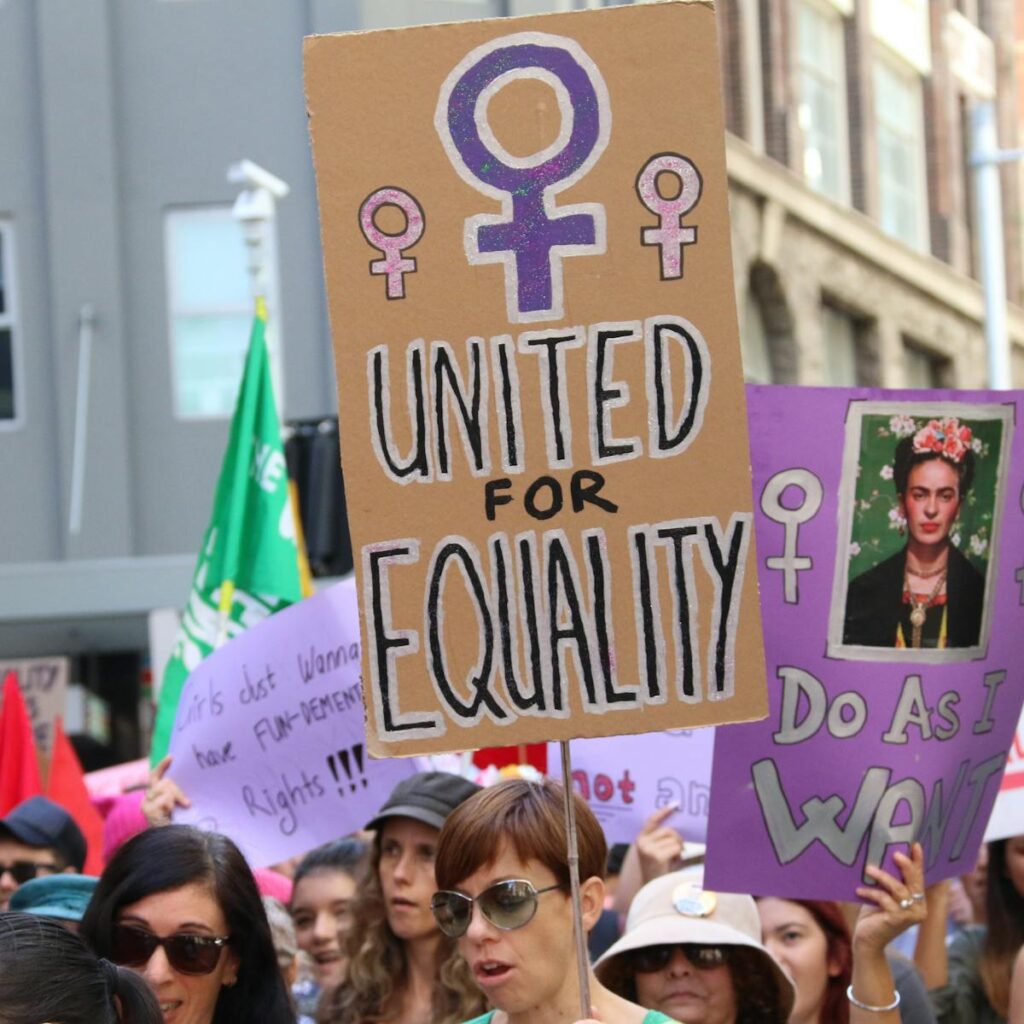
Solidarity and collective action are essential for achieving transformative change. Women must unite across lines of race, class, sexuality, and ability to build a powerful movement for gender equality. This requires fostering empathy, understanding, and respect for diverse experiences and perspectives. It requires creating spaces for dialogue, collaboration, and mutual support. And it requires a commitment to fighting for the liberation of all women, not just a privileged few. We are not in this alone. Our liberation is intrinsically linked to the liberation of all.
C. Reimagining Economic Systems
True gender equality requires a fundamental reimagining of economic systems. We must move beyond capitalism, with its inherent tendency towards exploitation and inequality, and create alternative systems that prioritize human needs over profit. This may involve exploring socialist, anarchist, or feminist economic models that emphasize cooperation, mutual aid, and democratic control. It requires challenging the assumption that economic growth is the ultimate goal and prioritizing sustainability, well-being, and social justice.
IV. Beyond Binary: Intersectional Materialism
Let us not forget the nuances. Intersectionality, a framework for understanding how different forms of oppression intersect and interact, is essential for a truly feminist materialist analysis. Gender inequality cannot be understood in isolation from other forms of oppression, such as racism, classism, ableism, and homophobia. These forms of oppression are interconnected and mutually reinforcing, creating unique experiences of marginalization and disadvantage. An intersectional approach recognizes the complexity of human experience and strives to address the root causes of all forms of oppression. We cannot afford to be blind to the complexities of identity and power.
Feminism and materialism, therefore, is not just an academic exercise; it’s a call to action. It’s a call to challenge the power structures that perpetuate inequality, to dismantle the ideologies that justify oppression, and to build a world where all bodies are valued, all labor is respected, and all people are free. It is time to rise, to resist, and to reclaim our power.







Leave a Comment