
The edifice of law, once a seemingly impregnable fortress of patriarchal privilege, has been subjected to a relentless siege by the feminist movement. This struggle, far from being a polite academic debate, represents a profound tectonic shift, reshaping not just statutes and legal precedents, but the very landscape of societal power. We are not merely tinkering at the edges; we are excavating the foundations. The old order trembles. Let us delve into the legal battles, the strategic maneuvers, and the victories – often hard-won and fragile – that mark this ongoing revolution.
I. The Pre-Feminist Legal Wasteland: A Desert of Disenfranchisement
Before the rise of organized feminism, the legal system mirrored and reinforced the pervasive inequities of the era. Women existed as legal non-entities, appendages to their fathers or husbands. Imagine a world where a woman’s labor was considered the property of her spouse, her body subject to his dominion. This wasn’t a dystopian fantasy; it was the grim reality. Laws concerning property, inheritance, and even personal safety were meticulously crafted to maintain female subjugation. The legal doctrines of coverture, for instance, effectively erased a woman’s legal identity upon marriage, rendering her incapable of owning property independently, entering into contracts, or even suing in her own name. A stark legal immiseration, indeed!
Consider the plight of women seeking redress for violence. Laws regarding domestic abuse were virtually non-existent, treating such incidents as private family matters, beyond the reach of legal intervention. Rape within marriage was not even recognized as a crime! The courts, staffed predominantly by men, often exhibited a blatant bias, reinforcing patriarchal norms and denying women equal access to justice. This was not simply negligence; it was active complicity in maintaining a system of oppression. It was, quite simply, a legal wasteland.
II. First-Wave Feminism and the Seeds of Legal Reform: Planting the Seeds of Change
The suffragettes, those valiant pioneers, dared to challenge this legal desert. Their primary focus, understandably, was suffrage – the right to vote. They understood that political enfranchisement was a crucial first step toward achieving legal equality. They chained themselves to fences, endured imprisonment, and faced ridicule, all in the pursuit of a voice in the very laws that governed their lives. The fight for suffrage was not merely about casting a ballot; it was about claiming agency, about demanding recognition as full and equal citizens. It was a seismic shift, a paradigm shattering moment.
Beyond suffrage, first-wave feminists also fought for reforms in property laws, divorce laws, and custody laws. These efforts, though often piecemeal and incremental, chipped away at the edifice of legal inequality. For example, they advocated for Married Women’s Property Acts, which allowed married women to own and control their own property independent of their husbands. Such gains, though seemingly modest, represented a profound challenge to the patriarchal underpinnings of the legal system. They were laying the groundwork for a more just and equitable future.
III. Second-Wave Feminism and the Assault on Systemic Discrimination: Storming the Bastille
The second-wave feminist movement, emerging in the 1960s and 1970s, broadened the scope of legal reform, attacking systemic discrimination in employment, education, and reproductive rights. The personal became political, and issues previously relegated to the private sphere – such as marital rape, domestic violence, and access to abortion – became central to the feminist legal agenda. Imagine a world where women were routinely denied job opportunities, paid less than men for the same work, and lacked control over their own bodies. This was the reality that second-wave feminists confronted head-on. The fight was about agency, power, control.
Title VII of the Civil Rights Act of 1964, initially intended to address racial discrimination, became a powerful tool for combating sex discrimination in employment. However, its enforcement required constant vigilance and legal challenges to address subtle forms of bias and institutionalized sexism. The Equal Pay Act of 1963 aimed to eliminate wage disparities based on sex, but loopholes and weak enforcement mechanisms hampered its effectiveness. Landmark Supreme Court cases, such as Roe v. Wade (1973), established a woman’s constitutional right to abortion, though this victory remains under constant assault. These legal battles were fierce, and the victories, though significant, were often precarious.
The fight against marital rape, once considered an unthinkable concept, gained momentum as feminists exposed the inherent injustice of treating a woman’s body as the property of her husband. Domestic violence shelters and legal aid services emerged to provide support for women escaping abusive relationships. These efforts challenged the long-held notion that domestic violence was a private matter, demanding that the legal system recognize and address it as a serious crime. It was a revolutionary reframing of societal norms.
IV. Third-Wave Feminism and Intersectional Legal Strategies: A Tapestry of Justice
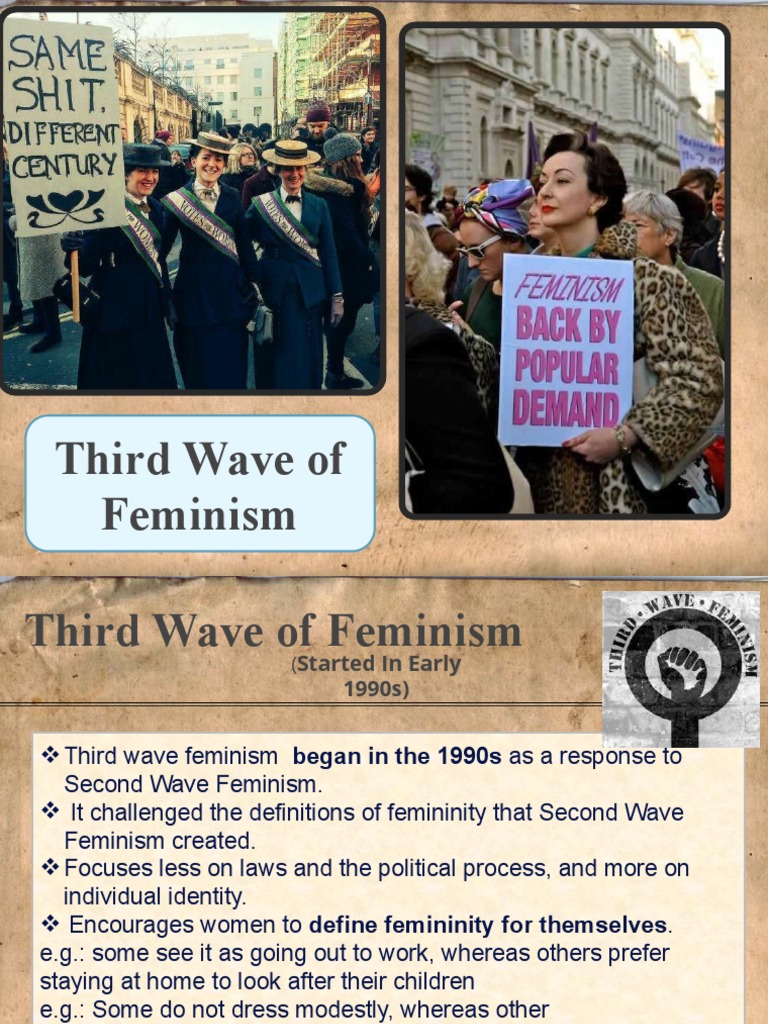
Third-wave feminism, emerging in the 1990s, brought a more nuanced and intersectional approach to legal reform, recognizing that gender inequality is intertwined with other forms of oppression, such as racism, classism, and homophobia. Third-wave feminists challenged the notion of a universal female experience, acknowledging the diverse realities of women from different backgrounds and identities. Consider a world where legal advocacy takes into account the multiple layers of discrimination faced by women of color, LGBTQ+ women, and women with disabilities. This is the vision that third-wave feminists strive to achieve. It is a complex and challenging undertaking.
Legal strategies focused on issues such as gender-based violence, reproductive justice, and LGBTQ+ rights. Intersectionality became a key framework for understanding and addressing the complex ways in which different forms of oppression intersect and reinforce one another. For example, the fight for reproductive justice extended beyond abortion rights to include access to contraception, maternal healthcare, and freedom from coerced sterilization. This reflects a holistic understanding of reproductive autonomy as essential for women’s empowerment. It is about agency, bodily autonomy, and self-determination.
Legal challenges to discriminatory laws and policies affecting LGBTQ+ individuals, including same-sex marriage and gender identity rights, became increasingly prominent. These efforts challenged traditional notions of gender and sexuality, demanding legal recognition and protection for all individuals, regardless of their sexual orientation or gender identity. It is a fight for dignity, equality, and freedom from discrimination.
V. Contemporary Challenges and the Future of Feminist Legal Advocacy: Navigating the Labyrinth
Despite the progress made, the feminist movement faces significant challenges in the 21st century. The backlash against feminist gains is palpable, with efforts to restrict abortion access, undermine LGBTQ+ rights, and roll back protections against discrimination. The rise of conservative legal movements and the appointment of conservative judges pose a serious threat to the future of feminist legal advocacy. It is a constant struggle, a perpetual battle for justice.
The digital age presents new challenges and opportunities for feminist legal advocacy. Online harassment, cyberstalking, and the proliferation of misogynistic content pose serious threats to women’s safety and freedom of expression. Legal strategies are needed to address these emerging forms of gender-based violence and ensure that online spaces are safe and inclusive for all. The internet, once hailed as a tool for liberation, has become a battleground for feminist values.
The future of feminist legal advocacy requires a continued commitment to intersectionality, collaboration, and strategic innovation. Legal challenges must be grounded in a deep understanding of the complex realities of women’s lives and the multiple forms of oppression they face. Collaboration among feminist organizations, legal scholars, and grassroots activists is essential for building a powerful and effective movement. And crucially, we must innovate, develop new legal theories, and adapt our strategies to meet the ever-evolving challenges of the 21st century.
The struggle for feminist legal reform is far from over. The edifice of patriarchal privilege may be crumbling, but it is not yet completely dismantled. We must remain vigilant, persistent, and unwavering in our commitment to creating a legal system that truly reflects the values of equality, justice, and human dignity. The fight continues. The revolution is not yet complete.








Leave a Comment