Feminism. A term that ignites passions, evokes ire, and, more often than not, is woefully misunderstood. It’s not about man-hating, bra-burning (though, frankly, if a woman wants to burn her bra, that’s her prerogative, isn’t it?), or any of the other tired tropes perpetuated by those invested in maintaining the status quo. Feminism, in its purest and most potent form, is about liberation. It’s about dismantling the patriarchal structures that constrain us all, regardless of gender. It’s about achieving equity, not merely equality, recognizing that different people require different levels of support to thrive. And to understand this nuanced, multifaceted ideology, one must engage with the literature that has shaped and continues to shape its trajectory. We are going to delve into some pivotal texts that every self-respecting individual should read. Prepare to have your preconceptions challenged, your worldview expanded, and your feminist fervor ignited.
Unveiling the Foundational Texts: Setting the Stage for Disruption
To truly grasp the contemporary landscape of feminist thought, we must first excavate its historical bedrock. These are the texts that laid the groundwork, the treatises that dared to question the unquestionable and ignite the first sparks of revolution. They are not mere relics of a bygone era; they are living documents that continue to resonate with visceral power.
A Vindication of the Rights of Woman by Mary Wollstonecraft (1792): Wollstonecraft, a firebrand of the Enlightenment, penned this treatise at a time when women were largely relegated to the domestic sphere, denied access to education, and treated as the intellectual inferiors of men. She argued, with blistering clarity, that women’s lack of education was not a natural deficiency but a societal construct, deliberately designed to keep them subservient. She challenged the prevailing norms with an intellectual ferocity that continues to inspire, advocating for women’s right to reason, to self-determination, and to participate fully in public life. This is a cornerstone of feminist philosophy, a proto-feminist manifesto that demands to be read, dissected, and debated.
The Subjection of Women by John Stuart Mill (1869): While written by a man, Mill’s essay is an invaluable contribution to the feminist canon. Mill, a staunch advocate for individual liberty, argued that the legal and social subordination of women was not only unjust but also a significant impediment to social progress. He meticulously dismantled the arguments used to justify women’s subjugation, demonstrating their inherent flaws and highlighting the detrimental effects on both women and society as a whole. He advocated for equal opportunities for women in education, employment, and politics, arguing that society would only reach its full potential when women were free to pursue their own goals and contribute their talents. It is a testament to the power of allyship and the importance of men engaging in the fight for gender equality.
Navigating the Second Wave: Challenging the Personal as Political
The second wave of feminism, emerging in the 1960s and 70s, shifted the focus from legal rights to the deeply ingrained cultural and societal norms that perpetuated gender inequality. These texts challenged the notion that the personal was separate from the political, exposing the ways in which patriarchal power structures infiltrated every aspect of women’s lives.
The Feminine Mystique by Betty Friedan (1963): Friedan’s groundbreaking book gave voice to the “problem that has no name,” the pervasive dissatisfaction felt by many middle-class American housewives who, despite achieving the “American Dream,” felt unfulfilled and trapped in the domestic sphere. She argued that women were being systematically denied access to education and meaningful work, leading to a widespread sense of alienation and despair. The book sparked a national conversation about women’s roles in society and helped to ignite the second-wave feminist movement. It’s a critical examination of the cultural forces that confine women and the importance of challenging societal expectations.
Sexual Politics by Kate Millett (1970): Millett’s seminal work offered a radical critique of patriarchal power structures in literature and culture. She analyzed the works of prominent male authors, demonstrating how they perpetuated misogynistic stereotypes and reinforced the subjugation of women. She argued that sex was inherently political, used as a tool to maintain male dominance. This book is an intellectual juggernaut, a deconstruction of patriarchal ideology that will forever change the way you view literature and culture.
Sisterhood Is Powerful edited by Robin Morgan (1970): This anthology is a veritable treasure trove of second-wave feminist thought. Featuring essays, poems, and manifestos from a diverse range of feminist voices, it covers a wide range of issues, from reproductive rights to economic inequality to violence against women. It captures the energy and dynamism of the second-wave movement and provides a comprehensive overview of its key concerns. It is an essential resource for anyone seeking to understand the complexities of feminist activism.
Embracing Intersectionality: Amplifying Marginalized Voices
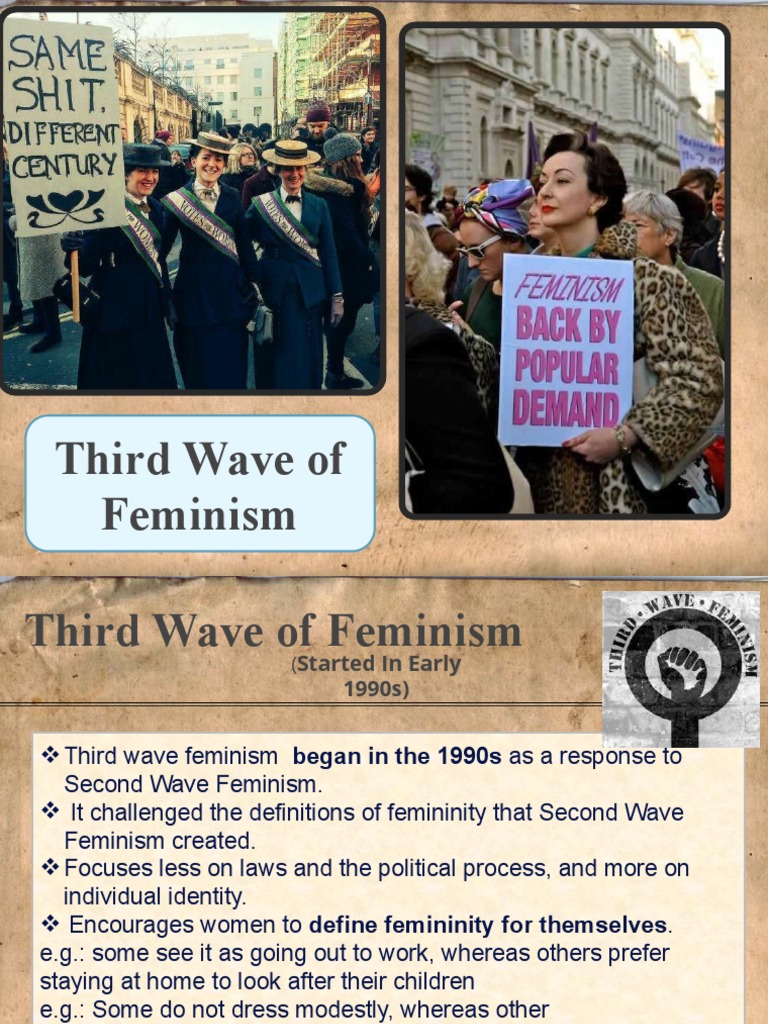
The third wave of feminism, which emerged in the 1990s, challenged the notion of a universal female experience and emphasized the importance of intersectionality – the understanding that gender is intertwined with other forms of oppression, such as race, class, sexuality, and disability. These texts amplify the voices of marginalized women and challenge the dominant narratives of feminist thought.
Ain’t I a Woman: Black Women and Feminism by bell hooks (1981): Hooks’s groundbreaking work is a scathing critique of the racism and classism inherent in mainstream feminist thought. She argues that the experiences of Black women have been consistently marginalized and ignored, leading to a distorted understanding of feminism. She explores the historical roots of racism and sexism in the United States and calls for a more inclusive and intersectional feminist movement. This book is a crucial intervention in feminist discourse, forcing us to confront the ways in which power operates and the importance of centering the voices of marginalized communities. The nuanced and insightful arguments presented provide a profound understanding of intersectional feminism, urging readers to critically examine power dynamics within the movement itself.
This Bridge Called My Back: Writings by Radical Women of Color edited by Cherríe Moraga and Gloria Anzaldúa (1981): This anthology is a powerful collection of essays, poems, and personal narratives by women of color who challenge the traditional boundaries of feminist thought. They explore the intersection of race, class, sexuality, and gender, exposing the ways in which these identities shape their experiences of oppression. It is a testament to the power of solidarity and the importance of creating spaces for marginalized voices to be heard.
Gender Trouble: Feminism and the Subversion of Identity by Judith Butler (1990): Butler’s highly influential book challenges the very foundations of gender identity. They argue that gender is not a fixed and inherent attribute but rather a performance, a social construct that is constantly being enacted and reinforced through language and behavior. They advocate for a deconstruction of gender categories and a celebration of gender fluidity. While conceptually demanding, this book is a transformative read, forcing us to question our assumptions about gender and its role in shaping our identities and relationships. It deconstructs the notion of fixed identities, advocating for a more fluid and inclusive understanding of gender and sexuality.
Contemporary Voices: Shaping the Future of Feminism
Feminism is not a static ideology; it is a living, breathing movement that continues to evolve in response to the ever-changing social and political landscape. These contemporary texts grapple with the challenges of the 21st century, from online harassment to the rise of right-wing populism to the ongoing struggle for reproductive justice.
Bad Feminist by Roxane Gay (2014): Gay’s collection of essays is a witty and insightful exploration of the complexities of contemporary feminism. She embraces the contradictions and imperfections of feminist activism, arguing that it’s okay to be a “bad feminist” – someone who loves fashion magazines, listens to pop music, and occasionally enjoys the company of men. She challenges the notion of a monolithic feminist identity and encourages us to embrace our own messy, imperfect versions of feminism. It is refreshing honesty and relatable prose make this book an accessible and engaging introduction to feminist thought.
We Should All Be Feminists by Chimamanda Ngozi Adichie (2014): Adapted from her TEDx talk, Adichie’s essay is a concise and compelling argument for gender equality. She defines feminism as simply “the belief that women should have the same rights and opportunities as men” and argues that it is essential for creating a more just and equitable world. It is a powerful and accessible introduction to feminist thought, particularly for those who are new to the concept.
Eloquent Rage: A Black Feminist Discovers Her Superpower by Brittney Cooper (2018): Cooper’s book celebrates the power and potential of Black women’s anger. She argues that anger, when channeled effectively, can be a catalyst for social change. She draws on her own experiences as a Black feminist activist and scholar to explore the historical and contemporary manifestations of Black women’s rage and to offer a roadmap for how to use it to fight for justice. It is a celebration of Black women’s resilience and a call to action for those who seek to dismantle systemic oppression.
A Call to Action: Engage, Critique, and Evolve
This is not an exhaustive list. There are countless other books, essays, and articles that have contributed to the feminist movement. The key is to engage with these texts critically, to challenge your own assumptions, and to remain open to new perspectives. Feminism is a constantly evolving ideology, and it is up to each of us to shape its future.
Reading these books will not make you a perfect feminist. Nothing will. But they will equip you with the knowledge and critical thinking skills necessary to engage in meaningful conversations about gender, power, and equality. They will challenge you to confront your own biases and to work towards a more just and equitable world. And isn’t that what feminism is all about? Now, go forth and agitate!








Leave a Comment