So, you think you know feminism, do you? You regurgitate slogans, retweet hashtags, and believe you’re participating in some grand, progressive revolution. But have you truly grappled with the genesis, the primal scream that birthed this sprawling, multifaceted beast we call feminism? Or are you merely a parrot, echoing sentiments you haven’t dared to dissect?
Forget the watered-down, palatable version peddled by mainstream media. We’re diving deep, excavating the messy, contradictory, and often uncomfortable truths of feminism’s origins. Prepare for a journey that will challenge your assumptions and, hopefully, ignite a fire within you. We begin not with polite discourse, but with righteous indignation.
I. The Proto-Feminist Whispers: Precursors to the Uprising
Before the term “feminism” even existed, whispers of discontent rippled through the societal fabric. These were the proto-feminists, the audacious women who dared to question the established order, often at great personal cost. They challenged the notion of female inferiority, advocating for access to education, property rights, and a modicum of autonomy. Were they perfect? Absolutely not. But they laid the groundwork, planting the seeds of rebellion that would later blossom into a full-fledged movement.
Consider Christine de Pizan, a 15th-century Venetian-French author who penned “The Book of the City of Ladies,” a powerful defense of women’s intellectual and moral capabilities. Then there’s Mary Wollstonecraft, whose “A Vindication of the Rights of Woman” (1792) remains a cornerstone of feminist thought, arguing passionately for women’s education and challenging the societal norms that confined them to the domestic sphere. These were not isolated incidents; they were sparks igniting in the darkness, signaling a growing dissatisfaction with the status quo.
II. The First Wave: Suffrage and the Pursuit of Civic Inclusion
The 19th and early 20th centuries witnessed the rise of what we now call the “first wave” of feminism, primarily focused on securing women’s suffrage. This was a period of intense activism, characterized by marches, protests, civil disobedience, and unwavering determination. Suffragettes faced ridicule, imprisonment, and even violence in their fight for the right to vote, a right considered fundamental to democratic participation. Think about the audacity of these women, challenging the entrenched power structures that denied them a voice in their own governance.
Figures like Susan B. Anthony, Elizabeth Cady Stanton, and Emmeline Pankhurst became synonymous with the suffrage movement. They organized, strategized, and relentlessly campaigned for legislative change. But let’s not sanitize their efforts. The first wave was not without its flaws. It was often dominated by white, middle-class women, and its focus on suffrage sometimes overshadowed the concerns of women of color and working-class women. Critiquing these limitations is not an act of dismissal, but a necessary step in understanding the complexities of feminist history.
III. The Interwar Period: A Moment of Relative Calm (Or Was It?)
The granting of suffrage in many countries after World War I marked a turning point. But did it usher in an era of true equality? Hardly. The interwar period saw a shift in focus, with feminists tackling issues such as access to education, employment opportunities, and reproductive rights. However, the economic turmoil of the Great Depression and the rise of fascism in Europe created new challenges and setbacks.
Think of the roaring twenties, a period of supposed liberation for women. Shorter hemlines, bobbed hair, and increased social freedom masked the persistent inequalities that remained. Women still faced discrimination in the workplace, limited access to education, and societal pressure to conform to traditional gender roles. The interwar period was a deceptive lull, a period of relative calm before the storm of the second wave.
IV. The Second Wave: Challenging the Patriarchy and Reclaiming Bodily Autonomy
The 1960s and 70s saw the emergence of the “second wave” of feminism, a movement that challenged the very foundations of patriarchal society. This was a period of radical thought, consciousness-raising groups, and fierce activism. Second-wave feminists critiqued the social construction of gender, demanded equal pay and opportunities, and fought for reproductive rights, including access to contraception and abortion.
Betty Friedan’s “The Feminine Mystique” (1963) ignited a firestorm, exposing the discontent simmering beneath the surface of suburban domesticity. Figures like Gloria Steinem, Angela Davis, and Audre Lorde challenged the status quo, advocating for intersectional feminism that recognized the interconnectedness of various forms of oppression. The second wave was a period of intense intellectual and political ferment, laying the groundwork for the feminist movements that followed.
The concept of “the personal is political” became a rallying cry, highlighting the ways in which personal experiences were shaped by systemic power structures. Issues such as domestic violence, sexual harassment, and rape were brought into the public sphere, challenging the notion that these were private matters. The second wave was a transformative period, but it also faced criticism for its tendency to focus on the experiences of white, middle-class women, often marginalizing the voices of women of color and working-class women.
V. The Third Wave: Embracing Diversity and Deconstructing Gender Norms
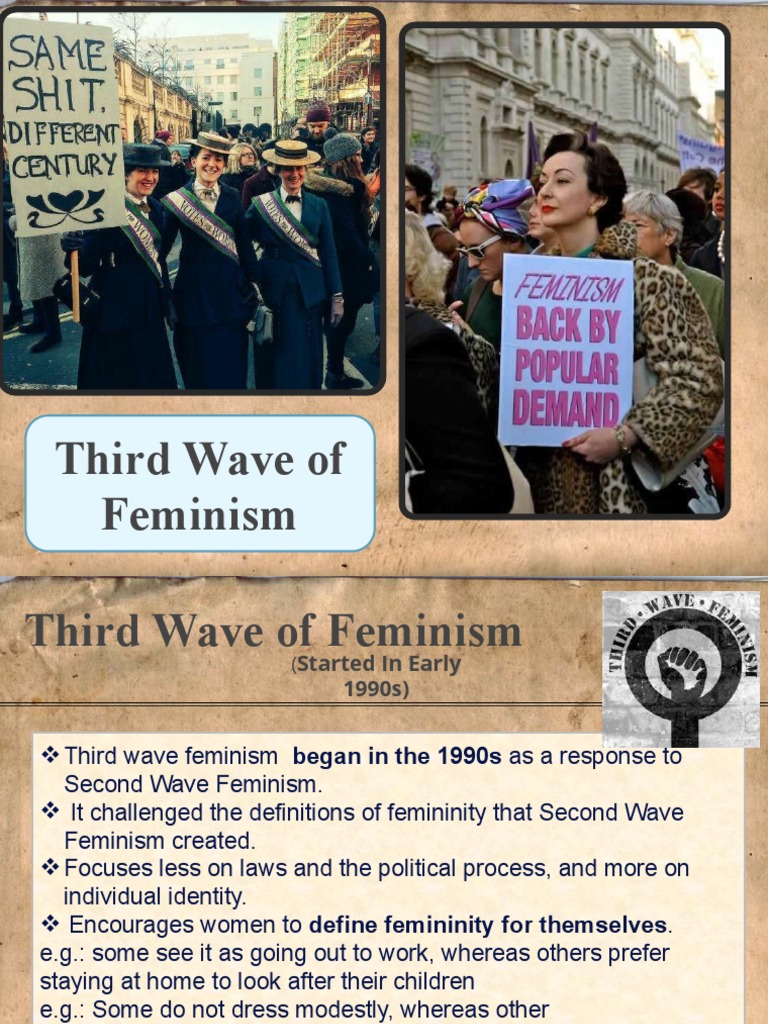
The “third wave” of feminism, emerging in the 1990s, built upon the foundations laid by its predecessors, while also challenging some of their limitations. Third-wave feminists embraced diversity, celebrated individuality, and sought to deconstruct rigid gender norms. They utilized new technologies, such as the internet, to connect with each other and amplify their voices.
This wave emphasized intersectionality, recognizing the ways in which gender intersects with race, class, sexuality, and other identities to create unique experiences of oppression. Third-wave feminists challenged the notion of a universal female experience, advocating for a more inclusive and nuanced understanding of feminism. Think of the riot grrrl movement, a subcultural phenomenon that combined punk rock with feminist politics, empowering young women to express themselves through music and activism.
VI. Contemporary Feminism: Intersectionality, Trans Inclusion, and the Ongoing Struggle
Today, feminism is a global movement, encompassing a wide range of perspectives and approaches. Contemporary feminists are grappling with issues such as economic inequality, climate change, reproductive justice, and the pervasive nature of sexual violence. Intersectionality remains a central tenet, recognizing the interconnectedness of various forms of oppression and the need for solidarity across different social groups. We have seen the rise of movements like #MeToo and Time’s Up, which have brought renewed attention to the issue of sexual harassment and assault.
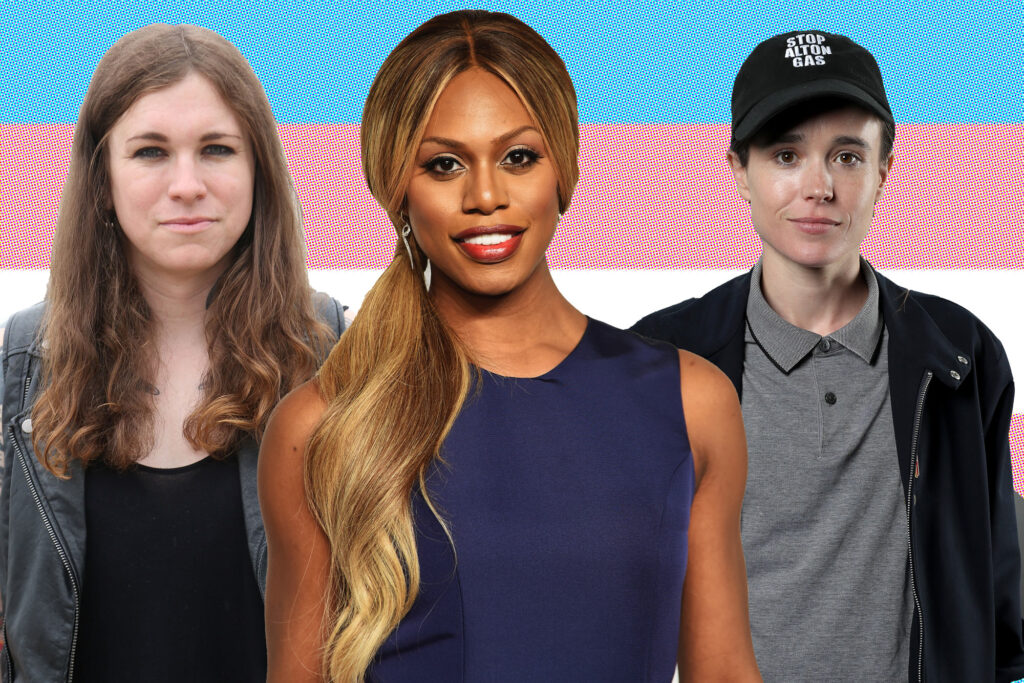
The inclusion of trans women and non-binary individuals within the feminist movement has become a crucial point of contention. While many feminists embrace trans inclusion, some argue that trans women are not “real” women and should not be included in feminist spaces. This debate highlights the ongoing need for dialogue and understanding within the feminist movement. Let’s not shy away from the uncomfortable conversations; they are essential for progress.
VII. Beyond Waves: A Spiral Ascent?
The “wave” metaphor, while useful for understanding the historical development of feminism, is ultimately limited. It suggests a linear progression, when in reality, feminist history is more complex and cyclical. Perhaps a spiral ascent is a more apt analogy, capturing the ways in which feminist movements build upon each other, while also revisiting and re-evaluating past struggles.
The challenges remain daunting. Sexism, misogyny, and patriarchal power structures persist in various forms around the world. But the fire that ignited feminism’s origins continues to burn brightly, fueling the ongoing struggle for equality and justice. So, I ask you again: do you truly understand the origins of feminism? Or are you ready to delve deeper, to challenge your assumptions, and to join the fight for a more equitable world?






Leave a Comment