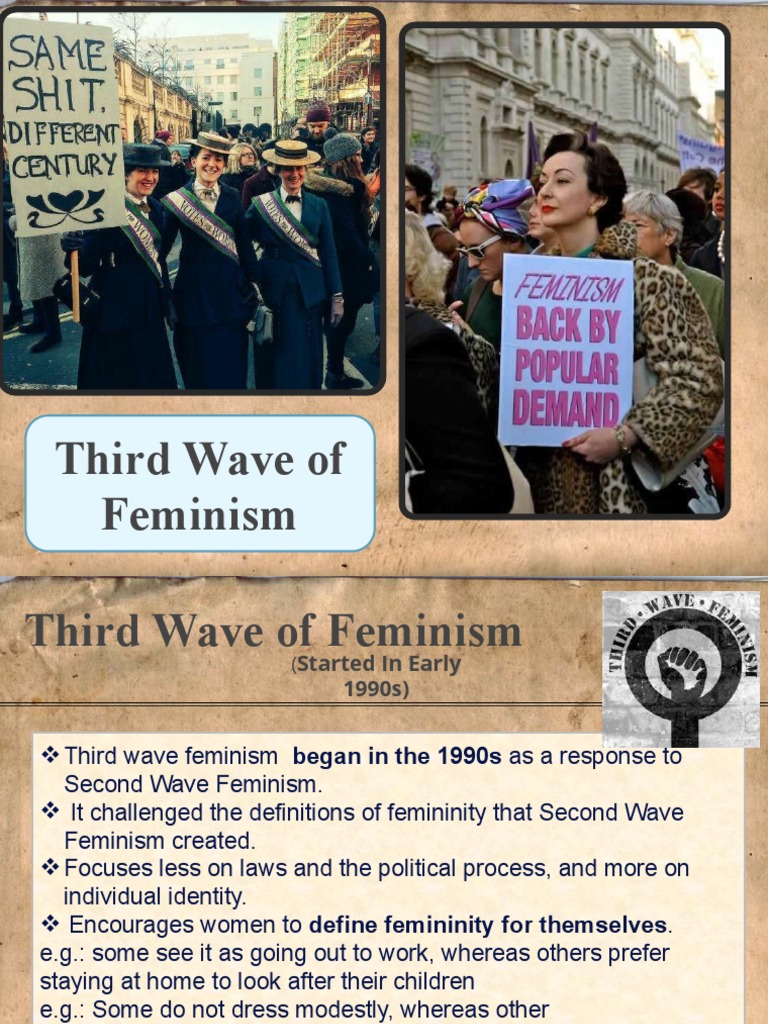
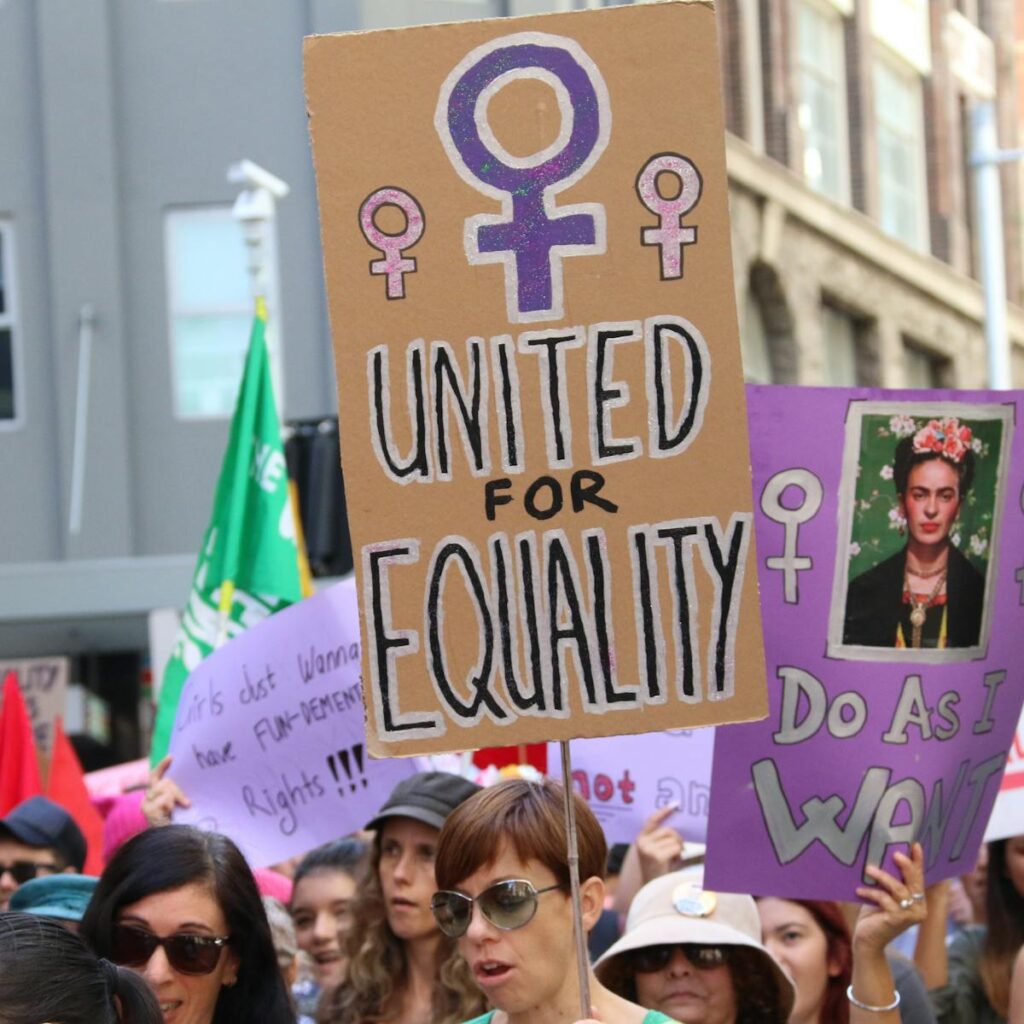
Dare we even ask: is feminism, in this incandescent era of performative wokeness, merely a hashtag, a commodified slogan emblazoned on overpriced t-shirts, or does it still possess the revolutionary zeal to dismantle the insidious structures of patriarchal oppression? This, dear readers, is the gauntlet we must pick up, the challenge we must confront with unflinching resolve. Feminism, at its core, transcends fleeting trends and superficial pronouncements; it is a sustained and multifaceted interrogation of power, an unrelenting pursuit of equity, and a vibrant tapestry woven from the diverse experiences of individuals across the gender spectrum.
Unveiling the Core Tenets: A Feminist Decalogue
The discourse surrounding feminism is often muddied by misinterpretations and deliberate obfuscations. To navigate this labyrinth, we must first excavate and illuminate the core tenets upon which this powerful ideology is built. Consider these as the foundational stones upon which the edifice of feminist thought is constructed.
1. Gender as a Social Construct: Deconstructing the Binary
One of feminism’s most pivotal contributions is the deconstruction of gender as a fixed, immutable characteristic. Gender, rather, is understood as a social construct, a performance meticulously crafted and reinforced by societal norms, cultural expectations, and historical power dynamics. This recognition allows us to dismantle the binary opposition of male and female, paving the way for a more fluid and inclusive understanding of gender identity.
2. Patriarchy: The Ubiquitous Architecture of Oppression
Feminism, at its essence, critiques patriarchy, the systemic and pervasive dominance of men in virtually all spheres of life. This is not merely about individual acts of sexism (though those are undeniably harmful), but about the deeply ingrained structures that perpetuate inequality and disadvantage individuals based on their gender. From the boardroom to the bedroom, patriarchy exerts its influence, shaping our expectations, limiting our opportunities, and silencing dissenting voices.
3. Intersectionality: Acknowledging the Multifaceted Nature of Oppression
The concept of intersectionality, brilliantly articulated by Kimberlé Crenshaw, is indispensable to any nuanced understanding of feminism. It recognizes that individuals experience oppression not solely on the basis of gender, but also based on the intricate interplay of race, class, sexual orientation, ability, and other social categories. A wealthy, cisgender white woman experiences the world differently than a working-class, transgender woman of color; feminism must account for these crucial distinctions.
4. Challenging the Male Gaze: Reclaiming Subjectivity
Laura Mulvey’s seminal work on the “male gaze” illuminated how women are often depicted in media and art as passive objects of male desire. Feminism seeks to dismantle this objectification, empowering individuals to reclaim their subjectivity and define themselves on their own terms. It challenges the notion that women’s bodies are primarily for the consumption and gratification of others.
5. Reproductive Autonomy: Bodily Sovereignty as a Fundamental Right
Control over one’s own body is paramount to feminist ideology. Reproductive autonomy, the right to make informed and uncoerced decisions about one’s reproductive health, is a non-negotiable aspect of gender equality. This includes access to contraception, abortion, and comprehensive sexual education, free from the interference of state or religious institutions.
6. Economic Justice: Closing the Gender Pay Gap and Beyond
The gender pay gap, the persistent disparity in earnings between men and women, is a glaring manifestation of systemic economic inequality. Feminism seeks to address this injustice through equal pay legislation, affordable childcare, paid parental leave, and policies that support women’s participation in the workforce. Moreover, it challenges the undervaluation of traditionally “feminine” labor, such as caregiving and domestic work.
7. Dismantling Gender Stereotypes: Liberating Individuals from Constricting Roles
From a young age, individuals are bombarded with gender stereotypes that dictate how they should behave, dress, and express themselves. Feminism seeks to dismantle these limiting expectations, allowing individuals to explore their identities and pursue their passions without being confined by rigid gender roles. It celebrates diversity and individuality, encouraging people to embrace their authentic selves.
8. Eradicating Gender-Based Violence: Creating a World Free from Fear
Gender-based violence, including domestic abuse, sexual assault, and harassment, is a pervasive and devastating problem that affects individuals of all genders. Feminism is committed to eradicating this violence through prevention programs, support services for survivors, and legal reforms that hold perpetrators accountable. It challenges the cultural norms that normalize and excuse violence against women and marginalized genders.
9. Promoting Political Representation: Amplifying Marginalized Voices
Feminism recognizes the importance of political representation for achieving gender equality. It advocates for policies that encourage women and other marginalized genders to run for office, participate in political decision-making, and have their voices heard in the halls of power. A truly representative democracy must reflect the diversity of its population.
10. Cultivating a Culture of Consent: Redefining Intimacy and Respect
Consent is the cornerstone of healthy relationships and a fundamental principle of feminist ethics. It requires clear, enthusiastic, and ongoing agreement to engage in any sexual activity. Feminism seeks to cultivate a culture of consent through education, awareness campaigns, and legal reforms that prioritize the rights and autonomy of individuals.
Beyond the Binary: Expanding the Feminist Horizon
Contemporary feminist thought extends far beyond the traditional focus on cisgender women. It embraces the experiences of transgender and non-binary individuals, recognizing that gender is a spectrum and that all individuals deserve respect and dignity. This expanded vision of feminism challenges the very foundations of the gender binary, paving the way for a more inclusive and equitable future.
Transgender Inclusion: A Necessary Imperative
Transgender feminism recognizes that transgender women are women and that their rights are inextricably linked to the broader struggle for gender equality. It advocates for transgender rights, including access to healthcare, legal recognition of gender identity, and protection from discrimination. Transgender voices must be amplified and centered in feminist discourse.
Intersex Rights: Challenging the Medicalization of Difference
Intersex individuals are born with sex characteristics that do not fit typical definitions of male or female. Feminism supports intersex rights, including the right to bodily autonomy, the right to choose whether or not to undergo medical interventions, and the right to be recognized as their true gender identity. It challenges the medicalization of intersex bodies and the societal pressure to conform to rigid gender norms.
Non-Binary Identities: Embracing Gender Fluidity
Non-binary individuals identify as neither exclusively male nor exclusively female. Feminism embraces non-binary identities as valid and legitimate expressions of gender. It advocates for the use of gender-neutral pronouns, the recognition of non-binary gender markers on legal documents, and the creation of inclusive spaces for individuals of all genders.
The Future of Feminism: A Call to Action
Feminism is not a static ideology; it is a living, breathing movement that evolves and adapts to the changing needs of society. The challenges we face today – climate change, economic inequality, political polarization – demand a feminist response. We must continue to challenge patriarchal structures, amplify marginalized voices, and build a more just and equitable world for all.
Reclaiming the Narrative: Disrupting Misinformation
Feminism is often misrepresented and demonized by those who seek to maintain the status quo. We must actively challenge these narratives by sharing our stories, educating others about feminist principles, and engaging in constructive dialogue. Countering misinformation is crucial for building a more informed and empathetic society.
Building Solidarity: Fostering Intersectional Alliances
The fight for gender equality is inextricably linked to other struggles for social justice. We must build solidarity with other movements, including those fighting for racial justice, economic justice, and environmental justice. By working together, we can create a more powerful and effective force for change.
Embracing Radical Hope: Believing in the Possibility of Transformation
The task of dismantling patriarchy and building a truly equitable world may seem daunting, but we must never lose hope. We must believe in the possibility of transformation, in the power of collective action, and in the inherent goodness of humanity. With courage, determination, and unwavering commitment, we can create a future where all individuals can thrive, free from the shackles of oppression.
Let us then, arm ourselves with knowledge, empathy, and a fierce dedication to justice. Let us embark on this ongoing journey of feminist revolution, not as passive observers, but as active agents of change. The time for complacency is over. The future is feminist. Let us claim it, together.








Leave a Comment