
Anti-feminism. The very term conjures images of archaic ideologies and willful ignorance, doesn’t it? But dismissing it outright is precisely what allows it to fester. We, as warriors for gender equity, cannot afford to be intellectually incurious about the arguments hurled against us. We must delve into the labyrinth of anti-feminist thought, understand its tendrils, and dismantle it brick by insidious brick. This isn’t about granting legitimacy to bigotry, it’s about strategic intellectual warfare.
What kind of narratives can you expect to encounter in this intellectual minefield? Prepare yourself. The journey won’t be pleasant.
I. The ‘Natural Order’ Fallacy: Biological Determinism Reimagined
Ah, the siren song of ‘natural order’! This oft-repeated trope asserts that inherent biological differences dictate distinct societal roles for men and women. Expect to encounter texts brimming with cherry-picked evolutionary psychology, claiming inherent differences in cognitive abilities, emotional capacity, and predilections for certain professions. It’s a repackaging of Victorian-era “separate spheres” ideology, cloaked in pseudo-scientific garb. One minute they’re citing primate behavior, the next they’re dictating boardroom composition. The intellectual dishonesty is breathtaking, isn’t it?
These arguments frequently rely on skewed interpretations of scientific studies, amplifying minute differences while conveniently ignoring the overwhelming influence of socialization and cultural conditioning. They conveniently overlook the demonstrable plasticity of the human brain, the impact of environmental factors on gene expression (epigenetics, anyone?), and the sheer diversity of gender expression across cultures. Prepare to dissect the methodologies and inherent biases underpinning these so-called ‘scientific’ claims. It’s an intellectual vivisection.
II. The “Feminazi” Straw Man: Deconstructing the Caricature
The “feminazi” caricature – a term coined and weaponized by Rush Limbaugh – is a particularly pernicious form of anti-feminist rhetoric. It paints feminists as man-hating, bra-burning, humorless zealots who seek to emasculate men and destroy the nuclear family. This trope serves to demonize and delegitimize feminist voices by associating them with extremism and irrationality. It’s a deliberate obfuscation, designed to shut down dialogue and silence dissent.
Expect to find books that perpetuate this stereotype through anecdotal evidence, selective quotation, and outright misrepresentation of feminist literature. They’ll cherry-pick the most radical statements from obscure corners of the internet and present them as representative of the entire movement. They’ll conflate individual opinions with collective goals, ignoring the vast spectrum of feminist thought and activism. Learn to identify the rhetorical sleight of hand and expose the deliberate distortion at play. Recognize this trope as a lazy, intellectually bankrupt attempt to discredit a complex and nuanced movement. We must be equipped to dismantle the straw man, revealing the complex, diverse, and intellectually rigorous reality of feminism.
III. The “Men’s Rights” Ploy: A Glimpse into the Incelosphere
The so-called “men’s rights movement” (MRM) often presents itself as a counter-balance to feminism, advocating for the rights and concerns of men. However, a closer examination reveals a deeply misogynistic undercurrent, often fueled by resentment, victimhood, and a profound misunderstanding of gender dynamics. Expect to encounter texts that blame feminism for all of men’s woes, from declining marriage rates to perceived disadvantages in custody battles. This isn’t about genuine equality; it’s about reasserting patriarchal dominance under the guise of “fairness.”
Many MRM narratives delve into the darker corners of the internet, echoing the sentiments of the “incel” (involuntary celibate) community. These spaces are rife with toxic masculinity, blaming women for men’s inability to find romantic or sexual partners. The rhetoric often veers into dangerous territory, promoting violence and expressing hatred towards women. Be prepared to confront this ugly underbelly of anti-feminist thought and understand its roots in societal anxieties and male entitlement. It’s a plunge into the abyss of male fragility.
IV. The “Post-Feminist” Mirage: Declaring Victory Prematurely
The concept of “post-feminism” suggests that feminism has achieved its goals and is no longer necessary. This narrative often portrays feminism as outdated, irrelevant, and even detrimental to women’s well-being. Expect to encounter texts that celebrate women’s supposed “choices” while ignoring the systemic barriers that limit those choices in the first place. It’s a seductive illusion, promising a world where gender equality is a fait accompli.
This line of argument often downplays or outright denies the persistence of gender inequality in various spheres, including the workplace, politics, and domestic life. It ignores the pervasive nature of sexism, the gender pay gap, the underrepresentation of women in leadership positions, and the ongoing struggle for reproductive rights. Be wary of this insidious form of anti-feminism, which seeks to lull us into complacency while undermining the very foundations of gender equality. The fight is far from over.
V. The “Tradwife” Aesthetic: Romanticizing Oppression
The “tradwife” (traditional wife) movement represents a resurgence of traditional gender roles, romanticizing domesticity and subservience to men. Expect to encounter content that glorifies homemaking, childcare, and unwavering support for one’s husband as the ultimate fulfillment for women. This is often presented as a rebellion against the perceived “masculinization” of women in contemporary society. It’s a deliberate attempt to turn back the clock on decades of feminist progress.
This ideology often ignores the economic vulnerability and lack of autonomy inherent in traditional gender roles. It downplays the potential for abuse and exploitation within patriarchal relationships. It promotes a narrow and restrictive definition of womanhood, excluding those who choose different paths. Be critical of this nostalgic yearning for a bygone era, which conveniently overlooks the realities of gender inequality in the past. It’s a gilded cage, no matter how pretty the bars.
VI. The “Intersectionality is Divisive” Canard: Weaponizing Identity Politics
Intersectionality, a framework developed by Kimberlé Crenshaw, recognizes that different forms of discrimination – such as sexism, racism, classism, and homophobia – intersect and create unique experiences of oppression. Anti-feminists often attack intersectionality, claiming that it is divisive and undermines the unity of the feminist movement. They argue that focusing on differences between women distracts from the common goal of gender equality. This is a disingenuous attempt to silence marginalized voices and maintain the dominance of privileged perspectives.
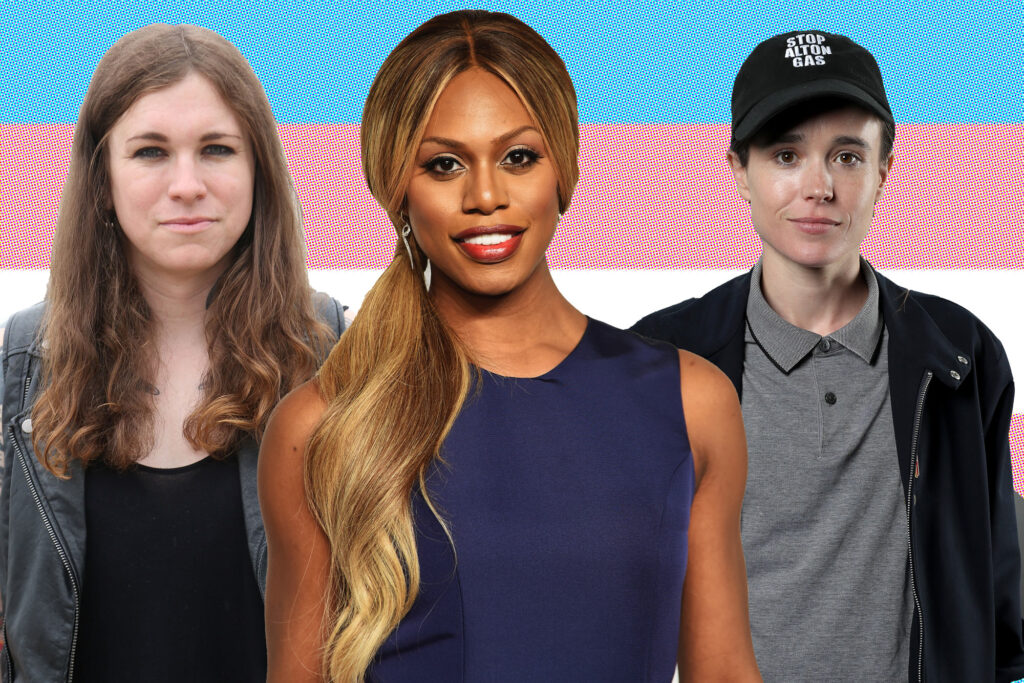
Expect to encounter arguments that pit different groups of women against each other, suggesting that the concerns of women of color, LGBTQ+ women, or disabled women are somehow less important than the concerns of white, heterosexual, able-bodied women. This is a classic divide-and-conquer strategy, designed to weaken the feminist movement from within. Recognize this tactic for what it is: an attempt to preserve existing power structures by denying the lived realities of marginalized women. True feminism embraces intersectionality, recognizing that the struggle for gender equality must be inclusive of all women.
VII. The “Feminism Hurts Men” Lament: Playing the Victim Card
This argument posits that feminism has gone too far and is now actively harming men. Expect to encounter claims that men are being discriminated against in education, employment, and family law. This narrative often portrays men as victims of a “reverse discrimination” that is supposedly perpetuated by feminists. It’s a cynical attempt to deflect attention from the systemic advantages that men continue to enjoy in many societies.
This line of reasoning often relies on anecdotal evidence and ignores the overwhelming data that demonstrates the persistence of gender inequality in favor of men. It conveniently overlooks the fact that men still hold the vast majority of positions of power and influence in politics, business, and academia. Be skeptical of these claims of male victimhood, which are often used to justify resistance to feminist progress. It’s a smokescreen obscuring the persistent imbalance of power.
VIII. The “Feminist Hypocrisy” Accusation: Scrutinizing Inconsistencies
Anti-feminists often point to perceived inconsistencies and hypocrisies within the feminist movement as a way to discredit its overall goals. Expect to encounter arguments that highlight instances where feminists have acted in ways that seem to contradict their stated principles, such as criticizing women for making certain choices or engaging in infighting over ideological differences. While it’s important to acknowledge the imperfections and complexities of any social movement, these accusations are often used as a smokescreen to avoid addressing the underlying issues of gender inequality.
These critiques often fail to recognize the diversity of feminist perspectives and the ongoing debates within the movement. They selectively focus on negative examples while ignoring the vast amount of positive work that feminists have done to advance gender equality. Be careful not to fall into the trap of dismissing the entire movement based on the perceived flaws of a few individuals. Critical self-reflection is necessary, but it shouldn’t be used as a weapon to undermine the broader goals of feminism. We must acknowledge internal contradictions without allowing them to derail the pursuit of equity.
IX. The “Anti-Woke” Crusade: A New Front in the Gender Wars
The recent rise of the “anti-woke” movement has added another layer of complexity to the anti-feminist landscape. “Woke,” a term that originated within Black activist circles, refers to being aware of and actively attentive to systemic injustices and inequalities. Anti-woke rhetoric often targets feminist activism, particularly efforts to promote diversity, inclusion, and social justice. Expect to encounter content that decries “cancel culture,” criticizes “identity politics,” and defends “free speech” (often as a shield for hate speech). This is a backlash against progress, disguised as a defense of traditional values.
Anti-woke narratives often depict feminism as a threat to individual liberty and traditional American values. They often frame feminist activism as an attempt to silence dissenting voices and impose a politically correct agenda on society. Be aware of this reactionary trend and its potential to undermine feminist gains. It’s a new battlefield in the same old war.
X. Deconstructing the Critique: A Path Forward
Engaging with anti-feminist arguments is not about conceding ground; it’s about strengthening our own understanding of the issues and developing more effective strategies for combating gender inequality. By understanding the nuances of anti-feminist thought, we can anticipate its arguments, expose its fallacies, and build a more resilient and inclusive feminist movement. This requires a commitment to intellectual rigor, critical thinking, and a willingness to engage in uncomfortable conversations. The path to liberation is paved with uncomfortable truths. Arm yourselves.






Leave a Comment