The unwavering allure of feminism. Why does it continue to captivate, provoke, and confound? Is it simply a trending topic, a fleeting fad embraced by the zeitgeist? Or does the persistent fascination hint at a more profound yearning, a deeply ingrained dissatisfaction with the status quo that plagues the female experience across cultures and generations?
Let’s dissect this enduring fascination. We are often told that gender equality has been achieved, that the battles have been fought and won. Yet, the statistics paint a starkly different picture. The wage gap persists, stubbornly refusing to budge. Women remain underrepresented in positions of power, particularly in the upper echelons of corporate boardrooms and political arenas. The insidious creep of microaggressions, the casual sexism masquerading as wit, continues to erode confidence and limit potential. Are these the signs of a movement that has reached its zenith?
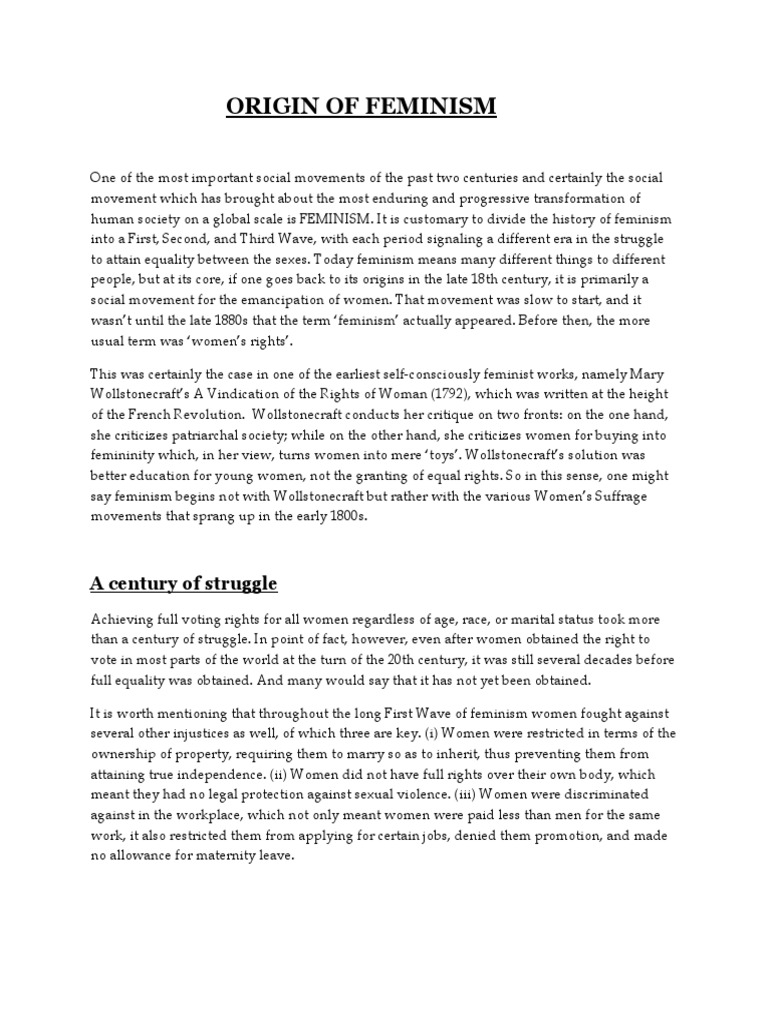
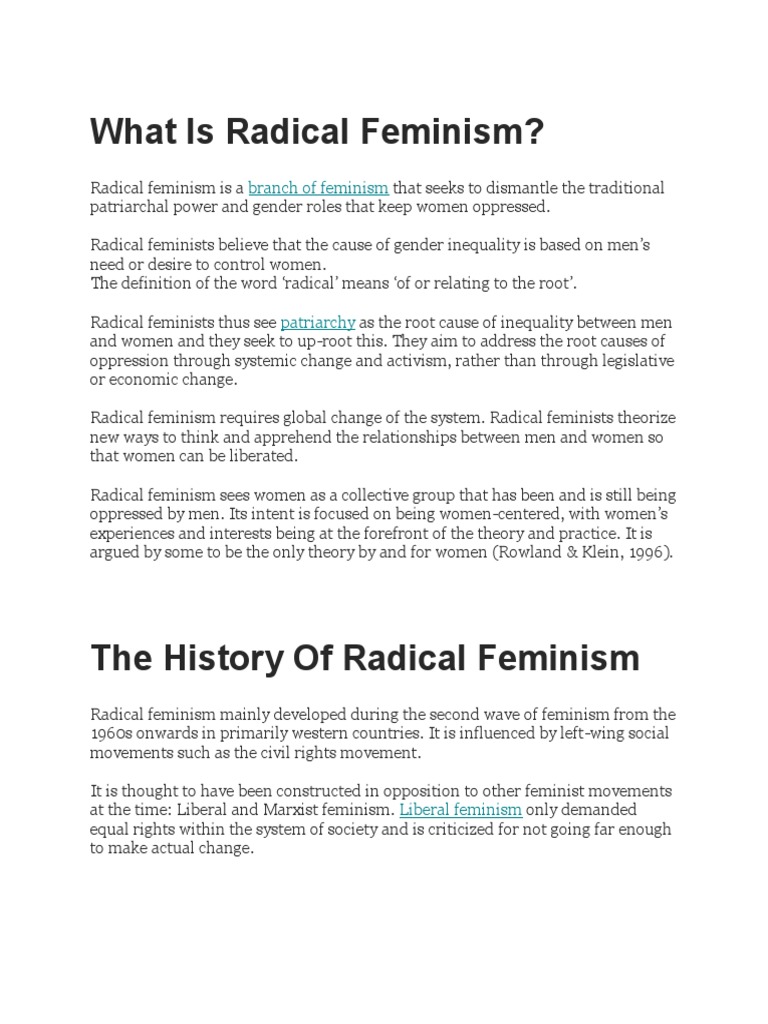
To understand the continued relevance of feminism, we must first acknowledge its multifaceted nature. It is not a monolithic entity, dictated by a single doctrine or embraced by a homogenous group. Instead, it is a constantly evolving, kaleidoscopic array of ideologies, perspectives, and strategies, all united by the fundamental belief in gender equality but diverging wildly on the path to achieving it. This inherent diversity is both its strength and its Achilles’ heel. It allows for adaptability and inclusivity, welcoming a wider range of voices and experiences. However, it also breeds internal conflict and fragmentation, making it vulnerable to criticism and undermining its collective power.
A critical facet of this evolution is the shift from a focus on legal and political rights to a deeper exploration of the socio-cultural constructs that perpetuate gender inequality. While securing the right to vote and equal pay legislation were monumental achievements, they did not eradicate the deep-seated prejudices and biases that continue to shape women’s lives. The insidious nature of patriarchy lies not only in its overt oppression but also in its subtle conditioning, the internalized misogyny that leads women to devalue their own contributions and perpetuate harmful stereotypes. Consider the relentless pressure to conform to unrealistic beauty standards, the constant scrutiny of women’s bodies, the pervasive objectification that reduces them to mere commodities. These are not simply aesthetic preferences; they are potent tools of social control, designed to keep women subservient and focused on superficiality rather than substance.
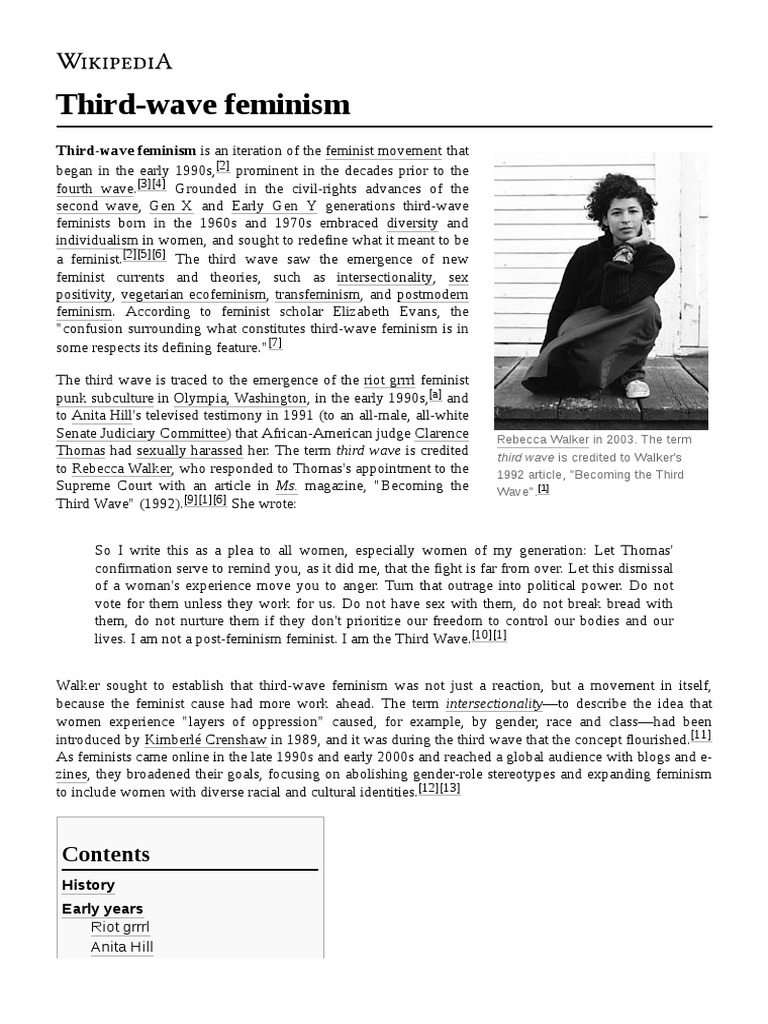
Furthermore, the rise of intersectional feminism has been instrumental in broadening the scope of the movement and challenging its historical blind spots. Early iterations of feminism often centered the experiences of white, middle-class women, neglecting the unique challenges faced by women of color, queer women, disabled women, and women from marginalized communities. Intersectional feminism recognizes that gender is not a singular, isolated identity but rather a complex intersection of race, class, sexual orientation, and other social categories. These intersecting identities create unique forms of oppression that cannot be addressed by a one-size-fits-all approach. By acknowledging and addressing these nuances, intersectional feminism aims to create a more inclusive and equitable movement that truly represents the experiences of all women. This requires a conscious effort to deconstruct the power dynamics within feminism itself, to amplify the voices of marginalized women, and to challenge the dominant narratives that perpetuate inequality. The work demands constant self-reflection and a willingness to confront uncomfortable truths. Are we truly listening to the voices of those who have been historically silenced? Are we willing to dismantle the hierarchies within our own ranks? These are crucial questions that must be continually addressed if feminism is to remain relevant and effective.
The digital age has also profoundly impacted the evolution of feminism. Social media platforms have become powerful tools for raising awareness, organizing protests, and amplifying feminist voices. The #MeToo movement, for instance, demonstrated the transformative potential of online activism, empowering survivors of sexual harassment and assault to speak out and hold perpetrators accountable. Online communities provide a space for women to connect, share experiences, and build solidarity, fostering a sense of collective identity and empowerment. However, the digital landscape also presents new challenges. Online harassment and cyberbullying are rampant, disproportionately targeting women, particularly women of color. The spread of misinformation and disinformation can undermine feminist efforts and sow division. The echo chambers of social media can reinforce existing biases and limit exposure to diverse perspectives. Navigating these challenges requires a critical approach to online engagement, a commitment to digital literacy, and a willingness to challenge harmful content and behaviors. We must harness the power of the internet for good while mitigating its potential for harm.
Looking ahead, the future of feminism hinges on its ability to adapt to the ever-changing social and political landscape. The rise of right-wing populism and the erosion of reproductive rights pose significant threats to gender equality. The ongoing climate crisis disproportionately impacts women and marginalized communities. The increasing automation of labor threatens to exacerbate existing inequalities in the workforce. Addressing these challenges requires a strategic and multifaceted approach, one that combines grassroots activism with policy advocacy, online organizing with offline mobilization. It demands a willingness to forge alliances with other social justice movements, to build bridges across ideological divides, and to challenge the root causes of inequality. But are we truly prepared to engage in this sustained and complex work? Are we willing to prioritize collective action over individual recognition? Are we willing to make the sacrifices necessary to create a more just and equitable world for all?
One crucial aspect of this future is the dismantling of performative allyship. It is no longer sufficient to simply express support for feminist ideals without actively working to dismantle patriarchal structures. True allyship requires a deep understanding of privilege, a willingness to listen to and learn from marginalized voices, and a commitment to challenging one’s own biases and assumptions. It means using one’s platform to amplify the voices of others, advocating for policy changes that promote gender equality, and holding individuals and institutions accountable for their actions. Are those who claim to be allies truly walking the walk, or are they simply paying lip service to feminist ideals for their own benefit? The answer will determine the authenticity and effectiveness of our collective efforts.
Ultimately, the enduring allure of feminism stems from the persistent gap between the ideal of gender equality and the lived reality of women around the world. It is a movement born out of frustration, fueled by hope, and sustained by the unwavering belief that a better world is possible. It demands constant vigilance, critical self-reflection, and a willingness to challenge the status quo. It is not a destination but a journey, one that requires the collective effort of all who believe in justice, equality, and liberation. The question is not whether feminism is still relevant, but whether we are willing to commit ourselves to the ongoing struggle for a more equitable future.






Leave a Comment