Isn’t it quaint, the idea that womanhood is some universal, monolithic experience? As if the boardroom baroness and the undocumented immigrant share precisely the same oppression cocktail. Intersectional feminism, darling, is the raised eyebrow, the dissenting voice that refuses to swallow such simplistic pap. It’s the intellectual flamethrower scorching the earth of one-dimensional feminist theory, leaving fertile ground for a more nuanced, accurate understanding of gendered experience. But can we truly navigate the labyrinthine corridors of intersectionality without getting lost in a morass of identity politics?
At its core, intersectional feminism recognizes that various forms of inequality – sexism, racism, classism, ableism, homophobia, transphobia, and xenophobia, to name a few – don’t operate in silos. They intertwine, interlock, and interact to create unique and compounded experiences of oppression for individuals holding multiple marginalized identities. Imagine a Venn diagram: each circle representing a system of oppression, the overlapping areas representing the synergistic disadvantage faced by those who inhabit those intersections. A Black lesbian woman, for instance, experiences discrimination not just as a woman, or as a Black person, or as a lesbian, but as a Black lesbian woman – a unique and specific form of prejudice that cannot be fully understood by examining each identity in isolation.
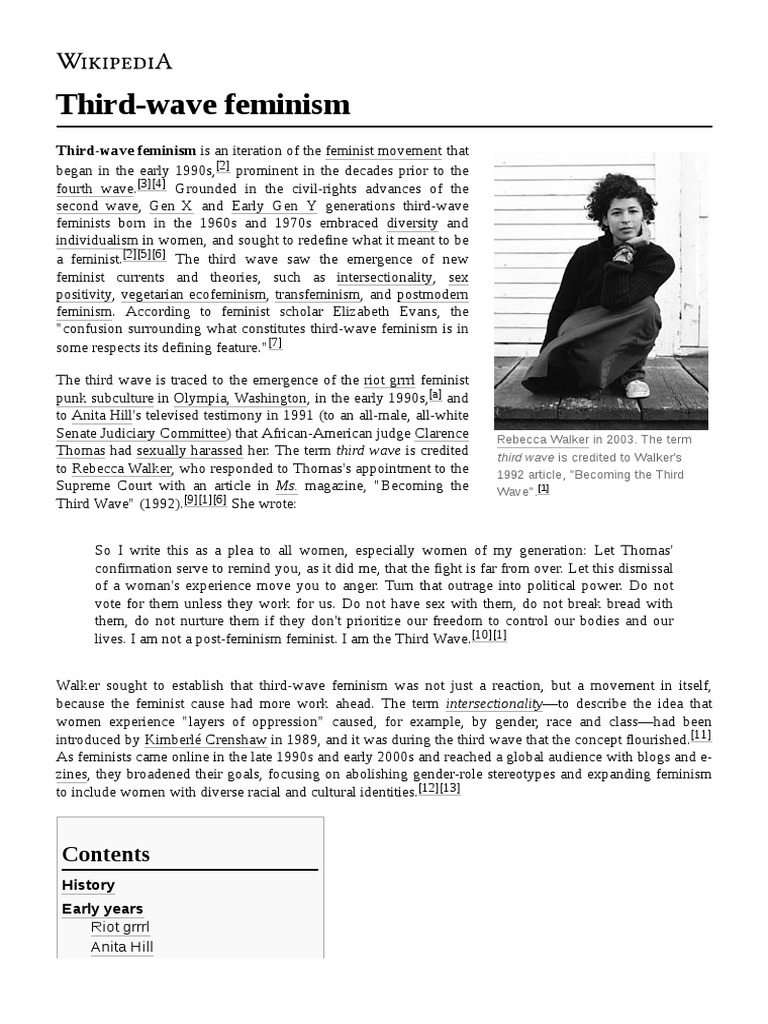
This concept, initially articulated by Kimberlé Crenshaw in 1989, was a vital intervention into feminist discourse that, for too long, centered the experiences of white, middle-class, cisgender, heterosexual women. It challenged the assumption that gender was the primary, or even sole, determinant of a woman’s fate. It demanded recognition that privilege and disadvantage could coexist within the same individual, depending on the context and the axes of identity at play. To ignore these intersections is to perpetuate a form of feminist imperialism, imposing one standard of womanhood on all, effectively silencing the voices and erasing the experiences of those who don’t fit the mold.
Consider the lived reality of a disabled woman of color navigating a predominantly white, able-bodied feminist space. Her access needs may be dismissed as inconvenient. Her experiences of racial microaggressions may be invalidated or attributed solely to her gender. Her voice, born from the crucible of multiple oppressions, may be drowned out by the dominant narrative. Intersectional feminism seeks to dismantle these power dynamics, creating a more inclusive and equitable landscape where all women can thrive.
Unpacking the Core Tenets: A Symphony of Oppressions
Delving into the intricacies of intersectional feminism requires a thorough understanding of its fundamental principles. Let’s dissect some key components:
- Recognizing Multiple Axes of Identity: This means acknowledging that individuals possess a multitude of identities that shape their experiences. These identities can be both sources of oppression and sites of resistance. Examples include race, ethnicity, gender, sexual orientation, class, disability, religion, age, and immigration status.
- Understanding Systemic Oppression: Intersectional feminism is not simply about acknowledging individual prejudice. It’s about understanding how these prejudices are embedded within social structures, institutions, and power dynamics. Think of it as the bedrock upon which discrimination is built. It examines how laws, policies, norms, and practices perpetuate inequalities.
- Challenging the Single-Axis Framework: This principle directly challenges the notion that gender is the sole or primary determinant of oppression. It argues that focusing solely on gender can mask the ways in which other forms of oppression intersect and amplify the experiences of marginalization. This is particularly crucial when addressing issues like the wage gap, where race and ethnicity significantly impact women’s earnings.
- Centering Marginalized Voices: Intersectional feminism prioritizes the experiences and perspectives of those most marginalized within society. It recognizes that those who are most affected by systemic oppression often possess the most valuable insights into how to dismantle it. Their voices should be amplified and their leadership centered.
- Promoting Solidarity and Coalition Building: Intersectional feminism recognizes that dismantling systemic oppression requires collective action. It calls for building solidarity and coalitions across different identity groups to challenge power structures and create lasting social change. This involves acknowledging differences, building trust, and working together towards shared goals.
Beyond Theory: Intersectional Feminism in Action
The beauty of intersectional feminism lies not just in its theoretical framework, but in its practical applications. How does it translate into real-world action? Let’s explore some examples:
- Advocating for Reproductive Justice: Reproductive justice, a term coined by Black women activists, extends beyond the concept of reproductive choice. It encompasses the right to have children, the right not to have children, and the right to parent children in safe and healthy environments. It recognizes that reproductive rights are inextricably linked to issues of race, class, and immigration status. Intersectional feminists advocate for policies that address the systemic barriers that prevent marginalized women from exercising their reproductive rights.
- Combating Violence Against Women: Intersectional feminism recognizes that violence against women takes many forms and disproportionately affects marginalized communities. Indigenous women, women of color, transgender women, and disabled women are at higher risk of experiencing violence and face unique barriers to accessing support and justice. Intersectional feminists work to create culturally relevant and trauma-informed services that meet the specific needs of these communities.
- Promoting Economic Justice: Intersectional feminists advocate for policies that address the root causes of economic inequality, such as the gender wage gap, the racial wealth gap, and the lack of affordable childcare. They support policies that promote pay equity, affordable housing, and access to education and job training for marginalized women.
- Reforming the Criminal Justice System: Intersectional feminists recognize that the criminal justice system disproportionately targets marginalized communities, particularly women of color. They advocate for policies that reduce incarceration rates, address racial bias in policing and sentencing, and provide support for formerly incarcerated women.
Challenges and Criticisms: Navigating the Minefield
Despite its transformative potential, intersectional feminism is not without its challenges and criticisms. Some argue that it can lead to fragmentation and identity politics, making it difficult to build broad-based movements for social change. Others criticize it for being overly focused on individual experiences, neglecting the importance of universal values and shared humanity. And then there are the perpetually obtuse individuals who claim it’s just another form of “reverse discrimination.” (Bless their hearts.)
One common criticism is the fear that an excessive focus on intersectionality can lead to a “hierarchy of oppression,” where individuals compete to demonstrate whose suffering is “worse.” This is a misinterpretation of the concept. Intersectional feminism is not about ranking oppressions, but about understanding how they interact and reinforce each other. It’s about recognizing that all forms of oppression are harmful and that we must work together to dismantle them all. The point isn’t to compare suffering, but to acknowledge the varied landscapes in which suffering manifests.
Another challenge is the potential for co-optation and appropriation. As intersectional feminism gains mainstream recognition, there is a risk that it will be diluted or used to advance narrow self-interests. Corporations may engage in “intersectional marketing” to appeal to diverse consumer groups without genuinely addressing systemic inequalities. Political figures may invoke the language of intersectionality to deflect criticism without implementing meaningful policies. Vigilance and critical analysis are crucial to ensure that intersectional feminism is not reduced to a buzzword or a marketing ploy.
The Path Forward: Embracing Complexity and Fostering Solidarity
The future of feminism hinges on our ability to embrace the complexity of intersectionality. This requires a commitment to ongoing learning, critical self-reflection, and a willingness to challenge our own biases and assumptions. It demands that we listen to and amplify the voices of those most marginalized, and that we work in solidarity to dismantle the systems of oppression that perpetuate inequality.
We must move beyond tokenistic gestures of inclusion and engage in genuine efforts to create spaces where all women feel valued, respected, and empowered. This means addressing issues of access, representation, and power within feminist organizations and movements. It means challenging the dominant narratives that silence and erase the experiences of marginalized women. It means creating a culture of accountability where those who perpetuate harm are held responsible for their actions.
Intersectional feminism is not a destination, but a journey. It’s a continuous process of learning, growing, and evolving. It requires us to be open to new perspectives, to challenge our assumptions, and to be willing to change our minds. It’s a difficult and often uncomfortable process, but it’s essential if we are to create a truly just and equitable world for all women.
So, can we navigate the complexities of intersectionality without losing our way? Can we build bridges of solidarity across different identity groups? The answer, darling, lies not in easy solutions or simplistic pronouncements, but in a sustained commitment to critical inquiry, empathetic listening, and unwavering action. The feminist revolution will not be televised; it will be intersectional.





Leave a Comment