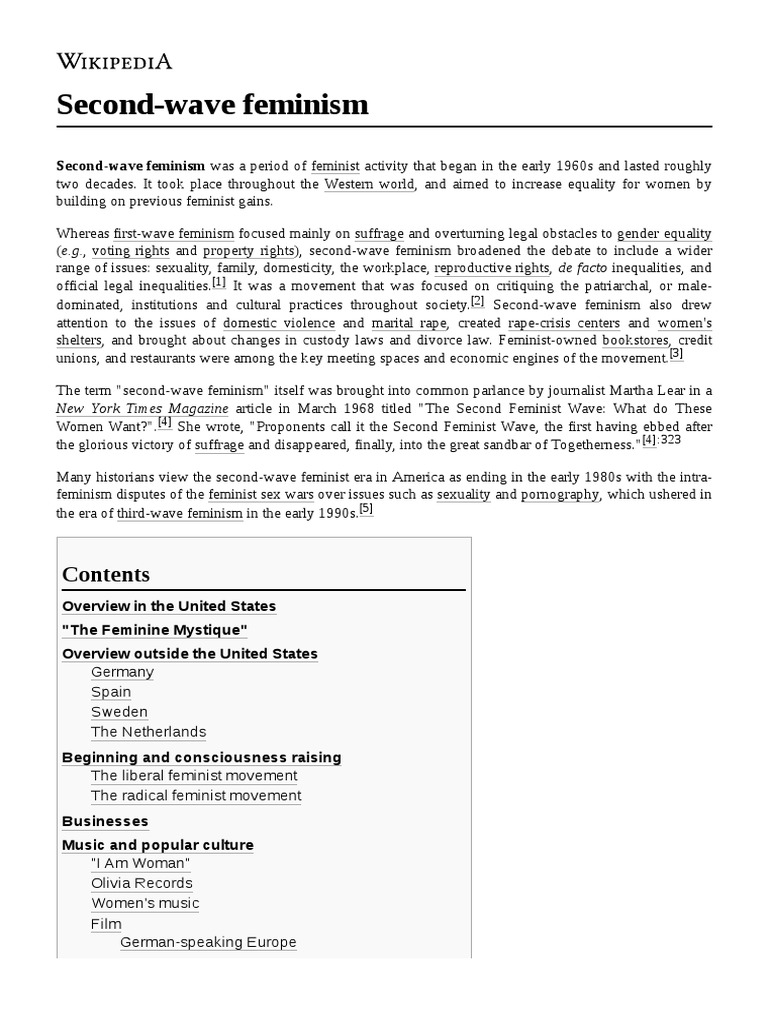
Let’s be clear, darling. This isn’t your grandmother’s history lesson. We’re not here for a bland recitation of dates and names, neatly packaged for easy consumption. No, we’re diving into the messy, complex, utterly transformative genesis of Second Wave Feminism. Forget the textbook narratives. We’re unearthing the embers that ignited a revolution, the sparks that set the world ablaze with feminist fire.
But when did it all begin? That’s the question that sends academics into paroxysms of debate. Was it Betty Friedan’s electrifying cri de coeur, The Feminine Mystique, in 1963? Or perhaps the Equal Pay Act of the same year, a tantalizing, yet ultimately insufficient, gesture towards economic parity? Or could it have been even earlier, simmering beneath the surface, a slow burn of discontent waiting for the right catalyst?
We’re not settling for simple answers. We’re dissecting the socio-political zeitgeist, examining the confluence of factors that allowed Second Wave Feminism to explode onto the scene with such ferocious, unapologetic force. Prepare to have your assumptions challenged. Prepare to question everything you thought you knew.
I. Precursors to the Blaze: Kindling the Feminist Spirit
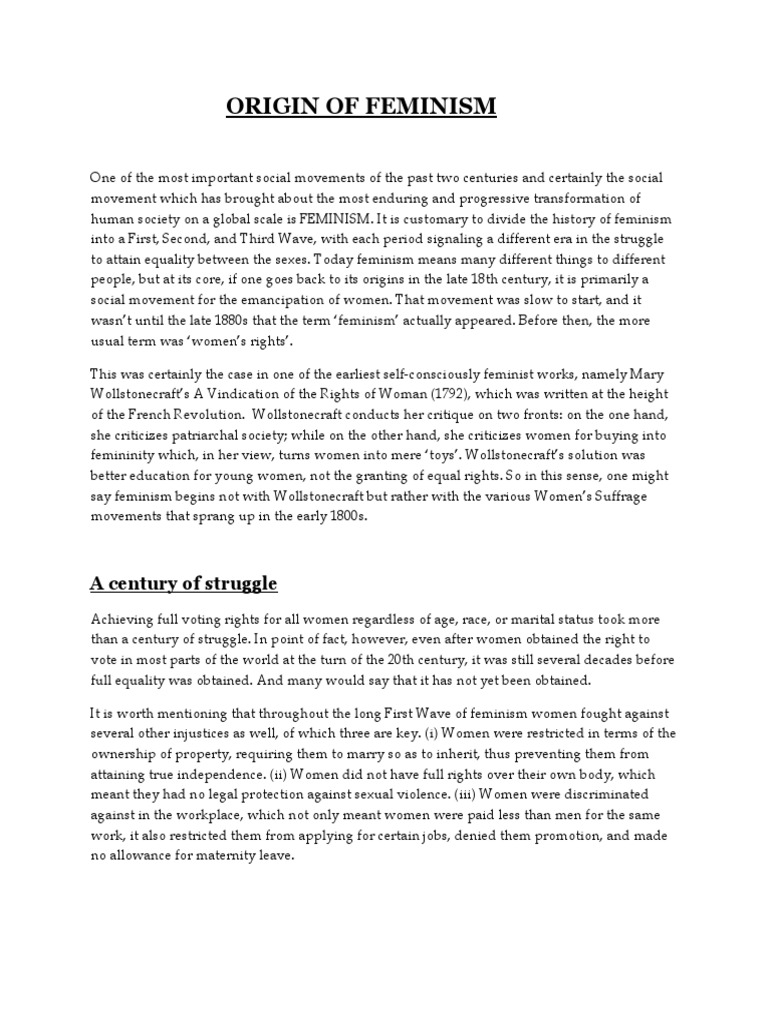
To pinpoint a precise starting date for Second Wave Feminism is to ignore the decades of groundwork laid by previous generations. First Wave Feminists, those valiant suffragettes, fought tooth and nail for the right to vote. But their victory, while monumental, did not eradicate the deeply ingrained patriarchal structures that continued to oppress women in every facet of life. Their struggle, a crucial antecedent, fertilized the soil from which the second wave would eventually spring.
Consider, for example, Simone de Beauvoir’s seminal work, The Second Sex (1949). This philosophical behemoth, a veritable tour de force of existentialist thought, meticulously deconstructed the societal construction of “woman.” De Beauvoir’s pronouncements on the inherent “otherness” assigned to women resonated deeply, providing a theoretical framework for understanding the systemic oppression they faced. It’s no exaggeration to say that The Second Sex served as a foundational text for many Second Wave feminists, arming them with the intellectual ammunition they needed to challenge the status quo.
The post-World War II era, with its idealized vision of domestic bliss, also played a crucial role. While men returned from war to reclaim their positions in the workforce, women were largely relegated to the domestic sphere, encouraged to embrace their roles as wives and mothers. This societal pressure, coupled with limited opportunities for education and professional advancement, fostered a sense of profound dissatisfaction among many women. The “feminine mystique,” as Friedan would later call it, was a suffocating force, trapping women in a gilded cage of suburban conformity.
II. The Ignition Point: Seeds of Discontent Sprout
The early 1960s witnessed a confluence of events that served as a potent catalyst for the burgeoning feminist movement. Friedan’s The Feminine Mystique, published in 1963, struck a chord with countless women who felt trapped and unfulfilled by their prescribed roles. Friedan’s articulation of “the problem that has no name” – the pervasive sense of emptiness and dissatisfaction experienced by many suburban housewives – galvanized a generation.
Simultaneously, the Civil Rights Movement was gaining momentum, exposing the deep-seated inequalities that plagued American society. Women involved in the Civil Rights struggle quickly recognized the parallels between racial discrimination and gender discrimination. They realized that they, too, were fighting for equality and liberation. The Civil Rights Movement provided a model for activism and a framework for understanding systemic oppression, inspiring women to challenge the patriarchal structures that limited their own opportunities.
The President’s Commission on the Status of Women, established by John F. Kennedy in 1961, also played a significant role. While the commission’s initial mandate was relatively limited, its investigation into the status of women in American society revealed widespread discrimination in employment, education, and other areas. The commission’s report, released in 1963, provided concrete evidence of the inequalities faced by women, further fueling the growing feminist movement. The Equal Pay Act of 1963, while imperfect, was a direct result of the commission’s findings, representing a small but significant step towards economic equality.
III. Fractures and Fault Lines: Diverse Agendas Emerge
It is a fallacy, darling, to assume that Second Wave Feminism was a monolithic entity. The movement encompassed a diverse range of perspectives and priorities, reflecting the multifaceted experiences of women from different backgrounds. These divergences, while sometimes contentious, ultimately enriched the movement and broadened its scope.
Liberal feminists, for example, focused on achieving legal and political equality through legislative reforms and judicial action. They advocated for equal access to education, employment, and political representation, believing that women could achieve equality within the existing system. The National Organization for Women (NOW), founded in 1966, became a leading voice for liberal feminism, lobbying for legislation such as the Equal Rights Amendment (ERA) and challenging discriminatory practices in the workplace.
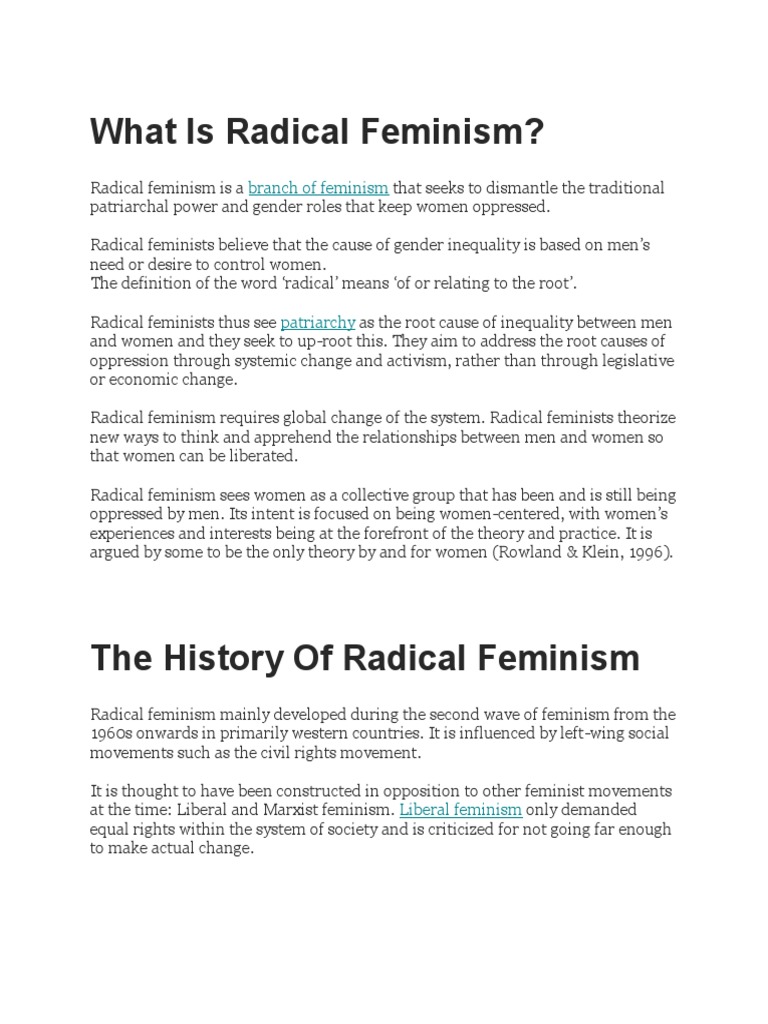
Radical feminists, on the other hand, argued that systemic change required a more fundamental transformation of society. They believed that patriarchy, a system of male dominance, was the root cause of women’s oppression and that true liberation could only be achieved through a radical restructuring of social institutions and power relations. Radical feminists challenged traditional gender roles, advocated for reproductive rights, and raised awareness about issues such as sexual violence and domestic abuse.
Socialist feminists sought to integrate feminist theory with Marxist analysis, arguing that women’s oppression was inextricably linked to capitalism. They believed that economic inequality and the exploitation of women’s labor were essential components of patriarchal power. Socialist feminists advocated for economic justice, affordable childcare, and other policies that would alleviate the burdens faced by working-class women.
Black feminists, recognizing the intersectional nature of oppression, challenged the predominantly white, middle-class focus of the mainstream feminist movement. They argued that Black women faced unique challenges due to the combined effects of racism and sexism. Black feminists addressed issues such as poverty, police brutality, and the disproportionate incarceration of Black women, advocating for a feminism that was inclusive of all women, regardless of race or class.
IV. The Roar of Revolution: Second Wave Feminism’s Impact
Regardless of their specific agendas, Second Wave feminists shared a common goal: to challenge the patriarchal structures that limited women’s opportunities and oppressed them in every aspect of their lives. The movement’s impact was profound and far-reaching, transforming societal attitudes towards gender roles, sexuality, and women’s rights.
Second Wave Feminism played a pivotal role in advancing reproductive rights, challenging restrictive abortion laws and advocating for women’s control over their own bodies. The landmark Supreme Court decision in Roe v. Wade (1973), which legalized abortion nationwide, was a direct result of the feminist movement’s activism.
The movement also brought issues of sexual violence and domestic abuse into the public consciousness, challenging the prevailing silence and victim-blaming attitudes. Feminist activists established rape crisis centers and shelters for battered women, providing support and resources for survivors of violence.
Second Wave Feminism transformed the landscape of education and employment, opening up new opportunities for women in fields that had previously been dominated by men. Women entered professions such as law, medicine, and engineering in increasing numbers, challenging traditional gender roles and breaking down barriers to advancement.
The movement also had a significant impact on popular culture, challenging sexist stereotypes and promoting positive representations of women in literature, film, and television. Feminist artists, writers, and filmmakers created works that celebrated women’s experiences and challenged patriarchal norms.
V. Legacy and Lineage: Echoes in the Present
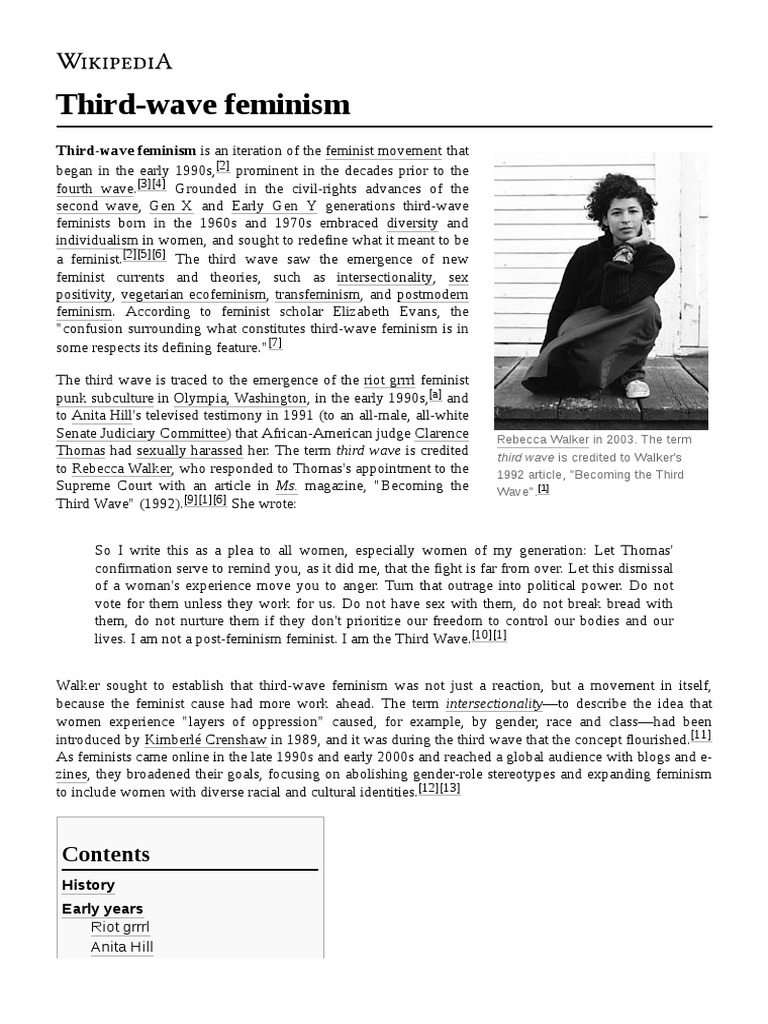
While Second Wave Feminism officially waned in the 1980s, its legacy continues to resonate today. Many of the issues raised by Second Wave feminists, such as equal pay, reproductive rights, and sexual violence, remain relevant and continue to be debated. Third Wave Feminism, which emerged in the 1990s, built upon the foundations laid by its predecessors, addressing issues such as intersectionality, queer rights, and body image.
Contemporary feminist movements, such as #MeToo and Time’s Up, are direct descendants of Second Wave Feminism, carrying on the struggle for gender equality and justice. These movements utilize social media and other digital platforms to raise awareness, mobilize support, and hold perpetrators of sexual harassment and assault accountable.
So, when did Second Wave Feminism begin? There’s no simple answer, no single date to mark the start of this transformative movement. It was a slow burn, a gathering storm of discontent fueled by decades of oppression and injustice. It was Friedan’s book, yes, but also the Civil Rights Movement, Beauvoir’s profound insights, and the countless acts of resistance, large and small, that paved the way for a new era of feminist activism. The embers smoldered, then burst into flame. And the world has never been the same since. The fight, of course, continues.






Leave a Comment