
Hashtags, like ideological wildfires, can either illuminate or incinerate depending on the tinder they meet. One such hashtag, a seemingly innocuous phrase – “Modern Feminism Talking” – ignited a conflagration across the digital landscape. But why this particular conjugation of words? What alchemical reaction occurred to propel it from internet ether into a meme, a rallying cry, and for some, a term of derision? Prepare yourself, sister, because unpacking this linguistic grenade requires a deconstruction of performative activism, the pitfalls of digital echo chambers, and the ever-shifting sands of feminist discourse itself.
The question at the heart of this digital tempest isn’t simply about the virality of a phrase. It’s about the anxiety that lies beneath: are we truly dismantling the patriarchal edifice, or are we merely rearranging the furniture in its opulent living room, while structural inequities remain untouched?
I. The Genesis of a Catchphrase: From Microblog to Macro-Movement
To understand the wildfire, we must first locate the initial spark. “Modern Feminism Talking,” in its nascent form, likely originated as a shorthand on microblogging platforms. Think of it as a digital shorthand, a way to succinctly encapsulate viewpoints or actions perceived as representative of contemporary feminist thought. Was it intended as genuine expression, or sardonic critique? The answer, frustratingly, is likely both. Context, that slippery eel, is everything.
A. The Allure of Brevity: Digital spaces thrive on compression. Complex arguments are often reduced to pithy statements, easily digestible and endlessly shareable. “Modern Feminism Talking” fit this bill perfectly. It was an instant identifier, a way to signal allegiance or, conversely, to throw shade with surgical precision.
B. Echo Chambers and the Amplification Effect: The internet, that grand bazaar of ideas, also fosters self-segregation. Like-minded individuals congregate in digital enclaves, reinforcing existing beliefs and amplifying shared sentiments. This phenomenon, exacerbated by algorithmic curation, transformed “Modern Feminism Talking” from a niche phrase into a widespread meme. Within these echo chambers, the hashtag became a verbal totem pole, symbolizing both solidarity and, ironically, potential insularity.
C. The Performance of Progress: Let’s be brutally honest: social media incentivizes performative activism. Posting is easier than protesting, retweeting is less demanding than revolution. “Modern Feminism Talking,” particularly when divorced from tangible action, can become a simulacrum of genuine engagement, a digital facade erected to project an image of wokeness, obscuring the lack of substantive change. This is not to diminish the power of online organizing, but to highlight the potential for its co-option by the insidious forces of self-congratulation.
II. Deconstructing the Discomfort: Why “Modern Feminism Talking” Irks Some
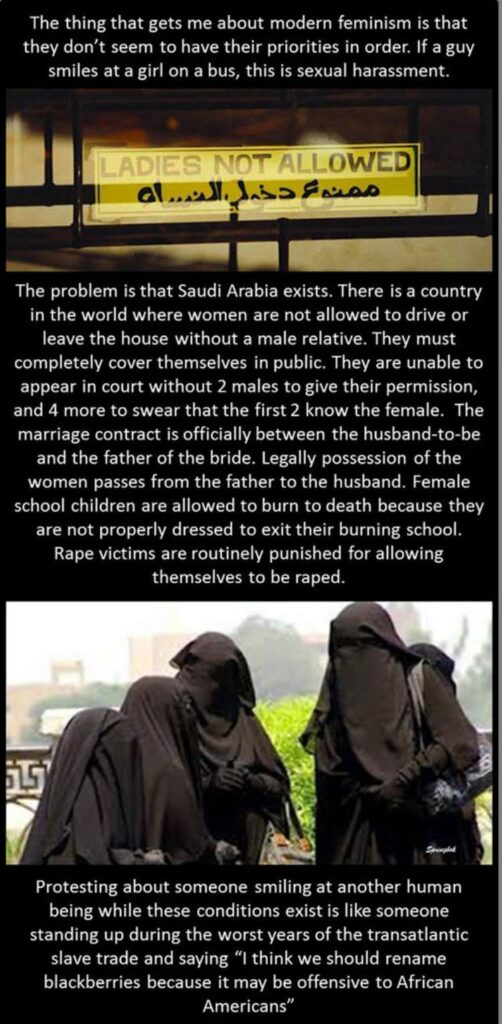
The phrase’s rise to prominence wasn’t universally welcomed. For some, “Modern Feminism Talking” became a pejorative, a dismissive label applied to any feminist articulation deemed frivolous, inauthentic, or simply annoying. The reasons for this pushback are multifaceted, stemming from genuine critiques of contemporary feminist discourse and, let’s be frank, from deeply ingrained misogyny.
A. The Accusation of “Wokeness”: “Wokeness,” that ever-malleable epithet, is often weaponized against progressive movements. It implies a performative understanding of social justice issues, prioritizing virtue signaling over actual systemic change. Detractors of “Modern Feminism Talking” frequently accused proponents of this performativity, suggesting that their online pronouncements were mere attempts to curry favor within the “woke” community, rather than genuine expressions of feminist principles. Does performative activism truly make meaningful progress, or is it merely a distraction?
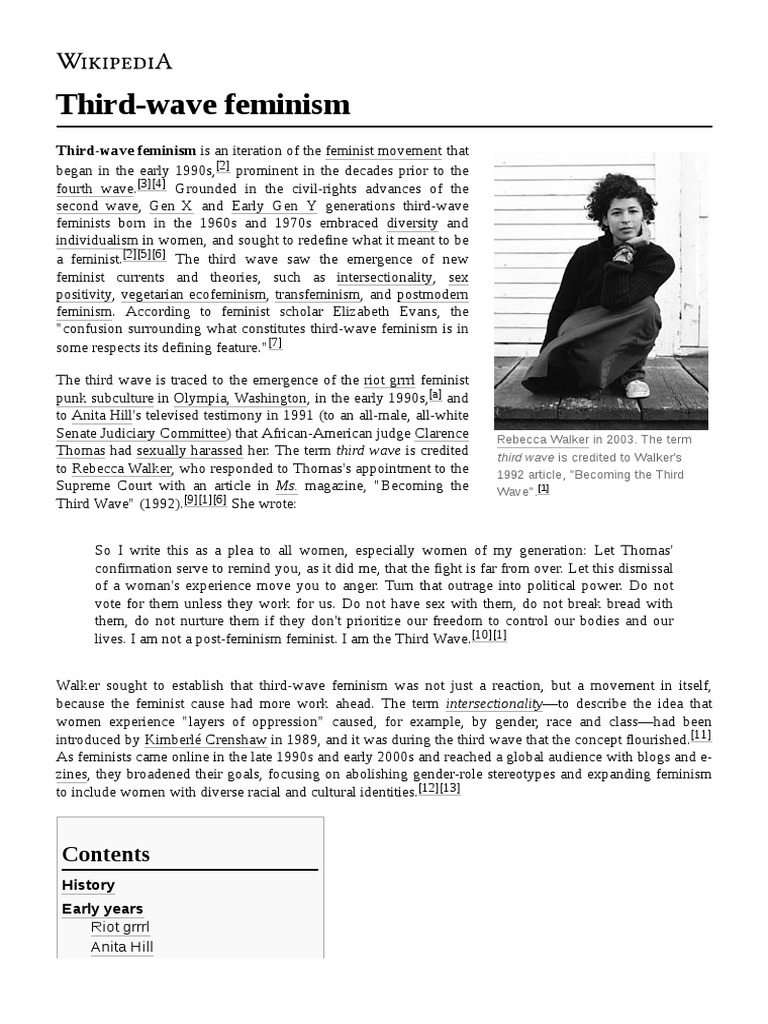
B. The Intersectionality Impasse: Modern feminism strives for inclusivity, acknowledging the complex interplay of gender, race, class, sexuality, and other axes of identity. However, this pursuit of intersectionality is not without its challenges. Arguments over which voices are prioritized, which issues are deemed most pressing, and which strategies are most effective can fracture feminist solidarity. “Modern Feminism Talking” sometimes becomes a battle cry in these internecine conflicts, used to marginalize or silence perspectives deemed insufficiently “woke” or ideologically impure. This leads to the question: Is true intersectionality attainable, or will internal conflicts always plague the movement?
C. The Exclusion of the “Everywoman”: The rapid evolution of feminist discourse can leave some feeling alienated. Terminology can become jargon-laden, arguments can become increasingly abstract, and priorities can shift in ways that are difficult for the “average” woman to understand. When “Modern Feminism Talking” becomes the exclusive domain of a highly educated, digitally savvy elite, it risks alienating the very women it purports to represent. Is there a point where intellectualism ostracizes the everyday individual it is meant to protect?
III. Reclaiming the Narrative: Redefining “Modern Feminism Talking”
Rather than allowing “Modern Feminism Talking” to become a weaponized phrase, it’s imperative that we reclaim and redefine it. This requires a critical examination of our own practices, a willingness to engage in uncomfortable conversations, and a commitment to genuine, impactful activism.
A. Moving Beyond the Hashtag: Online advocacy is a powerful tool, but it must be coupled with tangible action in the real world. “Modern Feminism Talking” should be a springboard, not a substitute, for meaningful engagement. This means supporting feminist organizations, advocating for policy changes, challenging discriminatory practices in our own communities, and amplifying the voices of marginalized women. Does the digital sphere detract or distract from real-world activism?
B. Embracing Nuance and Complexity: Feminist discourse should not be reduced to soundbites or simplistic pronouncements. We must embrace the nuances of gender inequality, acknowledge the complexities of intersectionality, and engage in respectful dialogue even when we disagree. The goal should be to foster understanding, not to silence dissent. How can we ensure nuance isn’t lost in the heat of passionate discourse?
C. Centering the Marginalized: True feminist praxis centers the voices and experiences of those most impacted by patriarchal oppression. This means prioritizing the needs of women of color, transgender women, disabled women, and women from marginalized communities. “Modern Feminism Talking” should be a platform for amplifying their voices, not for further marginalizing them. After all, is it not a core tenet of feminism to fight for the rights of all women, particularly those systematically disadvantaged?
D. Democratizing the Discourse: Feminism belongs to everyone. It should not be the exclusive domain of academics or activists. We must make feminist discourse accessible to all women, regardless of their education, background, or digital literacy. “Modern Feminism Talking” should be a welcoming space for all, not a gated community reserved for the intellectually elite. This presents a significant challenge: How do we simultaneously maintain intellectual rigor while ensuring accessibility?
IV. The Future of Feminist Discourse: Beyond the Buzzwords
The lifespan of a hashtag is often fleeting. Yet, “Modern Feminism Talking” has served as a potent microcosm of the debates, tensions, and aspirations that define contemporary feminist thought. As we move forward, we must learn from this experience, striving for a more inclusive, nuanced, and impactful feminist movement. The ultimate goal is to dismantle the structures of oppression, not simply to win the battle for linguistic supremacy. Is the digital realm truly conducive to nuanced ideological evolution, or does it inevitably devolve into reductive echo chambers?
A. Beyond the Binary: The digital landscape often encourages polarized thinking. We must resist the urge to reduce complex issues to simplistic binaries. Feminism is not a monolithic ideology; it encompasses a wide range of perspectives and approaches. We must embrace this diversity, recognizing that there is no single “right” way to be a feminist. Is it possible to bridge the divides created by polarizing discourse, or are we doomed to perpetual fragmentation?
B. The Enduring Relevance of Material Realities: While online activism plays a crucial role, we must never lose sight of the material realities that shape women’s lives. Poverty, violence, lack of access to healthcare, and systemic discrimination are not abstract concepts; they are concrete challenges that demand our immediate attention. “Modern Feminism Talking” must be grounded in these realities, driving us to action that addresses the root causes of inequality. Can online activism translate into meaningful change in the material world, or does it remain confined to the digital realm?
C. Cultivating Critical Thinking: The digital age demands critical thinking skills. We must be able to discern credible information from misinformation, identify biased narratives, and resist the allure of simplistic solutions. “Modern Feminism Talking” should be a catalyst for critical inquiry, encouraging us to question our own assumptions and to engage in thoughtful debate. How do we cultivate critical thinking in an era defined by misinformation and echo chambers?
D. Embracing Imperfection: Feminism is a journey, not a destination. We will inevitably make mistakes along the way. It’s crucial to create a culture of accountability and learning, where we can acknowledge our errors, apologize for our missteps, and strive to do better. “Modern Feminism Talking” should be a space where we can be vulnerable, honest, and imperfect, knowing that we are all works in progress. Is a culture of unwavering perfectionism damaging for social movements?
In the end, “Modern Feminism Talking” is more than just a hashtag. It’s a reflection of our hopes, our fears, and our aspirations for a more just and equitable world. It’s a reminder that the fight for gender equality is far from over, and that we must continue to challenge the status quo, one conversation, one protest, one act of defiance at a time. The challenge isn’t just in talking; it’s in transforming the talk into tangible, lasting change. Sister, are we up to the task? The answer, and the future of feminism, depends on it.





Leave a Comment