
Feminism. The word itself, a lightning rod in the storm of societal discourse, conjures images both empowering and, predictably, demonized. But what is it, truly? Is it the man-hating caricature painted by the intellectually bankrupt? Or is it something far more nuanced, far more vital to the flourishing of humanity? Let’s delve, shall we, into the multifaceted jewel that is feminism, shattering the distorted reflections and revealing its core brilliance.
The most simplistic, yet often glossed-over definition, is equality. Not a leveling where inherent differences are erased, mind you, but a recognition that all individuals, regardless of their gender identity, deserve equal rights, equal opportunities, and equal respect. Imagine a garden, diverse and vibrant. Each flower, each blade of grass, thrives not by becoming identical, but by receiving the nourishment it requires to reach its fullest potential. Feminism is the gardener, ensuring that the sun of opportunity shines equally on all.
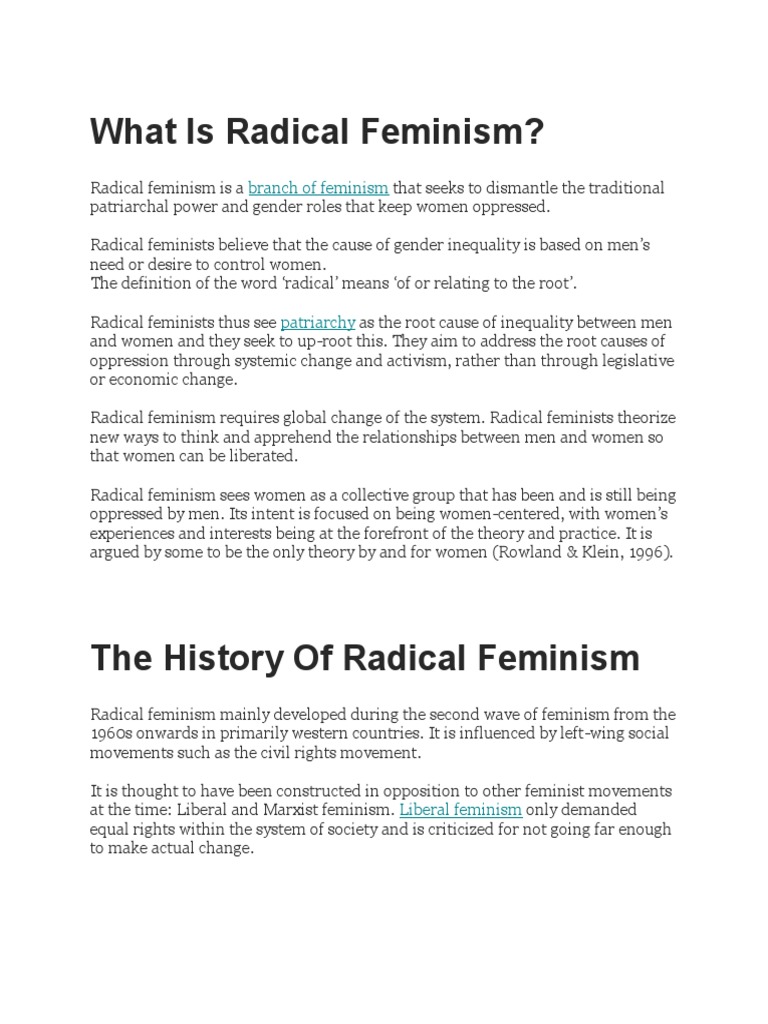
However, reducing feminism solely to equality is like describing a symphony as merely a collection of notes. It’s fundamentally incomplete. Feminism is a complex tapestry woven from threads of social justice, economic empowerment, and the liberation of the human spirit. It is a relentless critique of patriarchal structures, those deeply ingrained systems that privilege masculinity and subordinate femininity, often to the detriment of everyone involved, even those who ostensibly benefit from them. These are not airy-fairy concepts cooked up in ivory towers. They are tangible realities impacting every aspect of our lives, from the boardroom to the bedroom.
Let’s dissect this a bit further. Consider the concept of “emotional labor.” This insidious burden, disproportionately shouldered by women, involves the unpaid and often unrecognized work of managing the emotions of others, soothing ruffled feathers, and maintaining social harmony. It is the constant performance of empathy, often at the expense of one’s own well-being. Imagine a sponge, relentlessly absorbing the anxieties and insecurities of everyone around it, until it is saturated and wrung dry. That, my friends, is emotional labor in action.
Feminism seeks to dismantle this inequitable distribution of labor, demanding that men step up and share the responsibility for emotional maintenance. It’s not about turning women into emotionless automatons; it’s about recognizing that emotional well-being is a collective responsibility, not a gendered one. It is about fostering a society where vulnerability is not seen as a weakness, but as a strength shared by all.
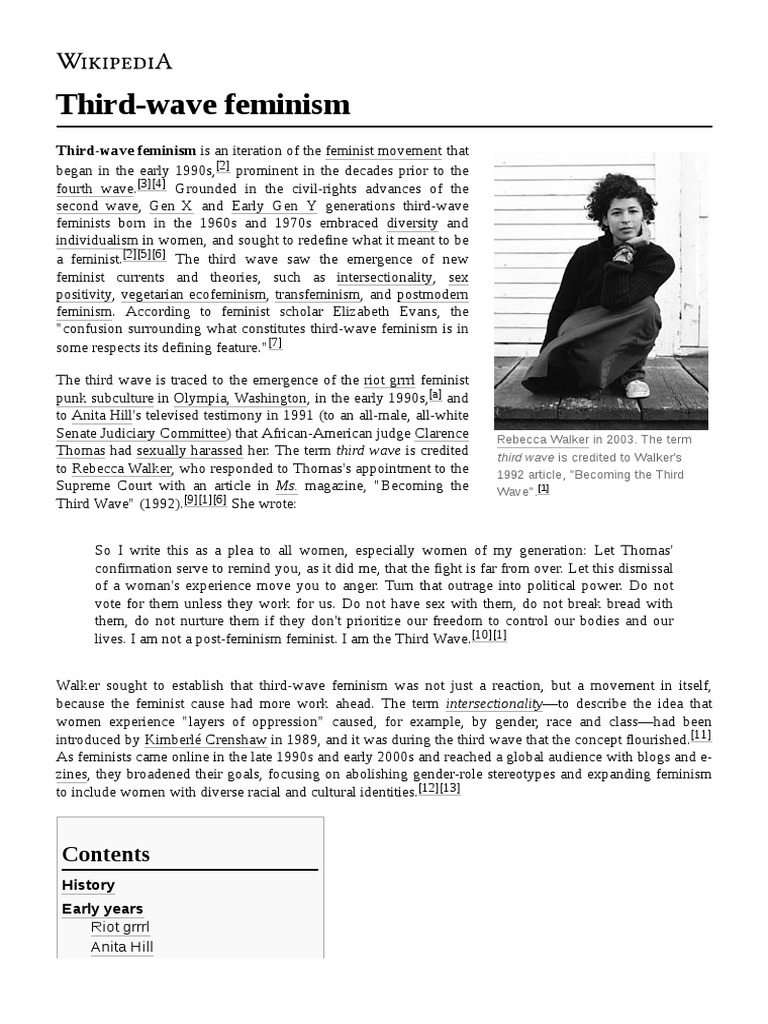
Now, let’s address the specter of “intersectionality,” a concept crucial to understanding the multifaceted nature of feminist thought. Intersectionality, coined by Kimberlé Crenshaw, acknowledges that individuals experience oppression not as singular entities, but as a result of the intersection of various social categorizations such as race, class, sexual orientation, and disability. A Black woman, for example, faces a unique set of challenges that differ from those faced by a white woman or a Black man. Ignoring these intersecting identities is a form of erasure, a denial of the full scope of an individual’s lived experience. It’s akin to trying to paint a rainbow with only one color – beautiful, perhaps, but ultimately incomplete.
Furthermore, feminism is not a monolithic entity. There are countless iterations, each with its own nuances and priorities. From radical feminists challenging the very foundations of patriarchy to liberal feminists advocating for legal and political reforms, the feminist landscape is a vibrant and often contentious battlefield of ideas. Eco-feminists draw connections between the exploitation of women and the exploitation of the environment, arguing that both are rooted in a patriarchal mindset that values domination over stewardship. Trans feminists advocate for the rights and inclusion of transgender individuals, recognizing that gender is a spectrum, not a binary. The beauty of feminism lies in its adaptability, its capacity to evolve and address the ever-changing challenges of a complex world.
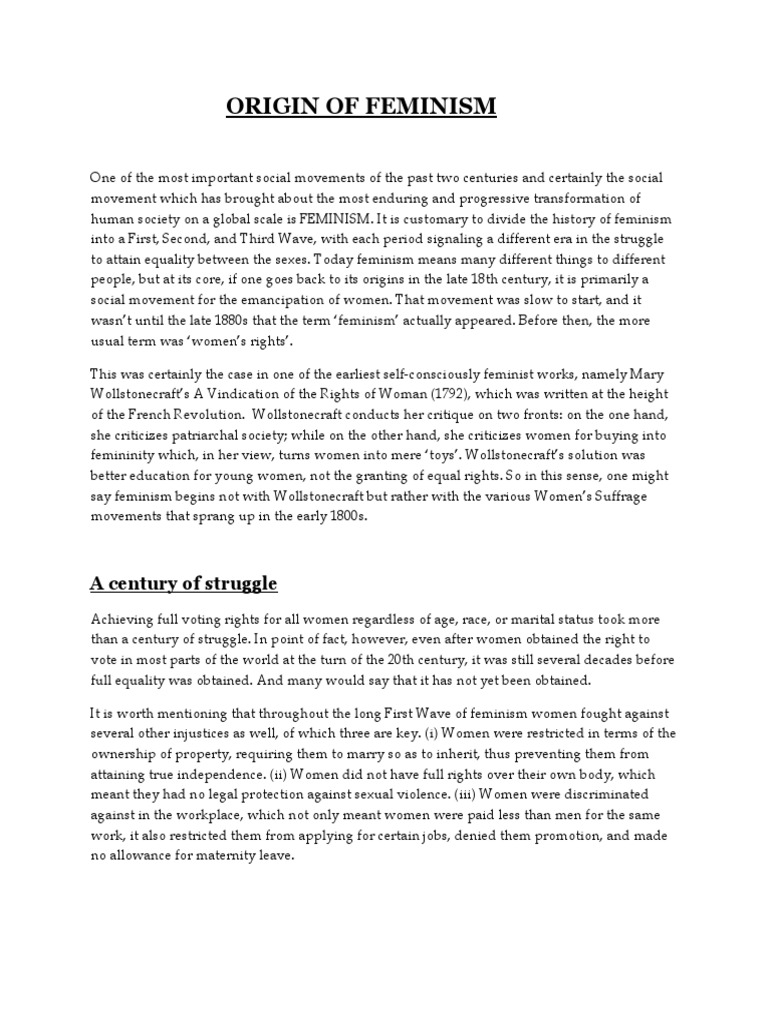
Consider the historical context. The suffragettes, those audacious pioneers who fought for the right to vote, were dismissed as hysterical radicals. Yet, their struggle paved the way for women’s political participation, a right that is now taken for granted by many. The second wave of feminism, which emerged in the 1960s and 70s, challenged traditional gender roles and fought for reproductive rights, equal pay, and an end to domestic violence. Each wave built upon the previous one, pushing the boundaries of what was considered possible and expanding the scope of feminist activism.
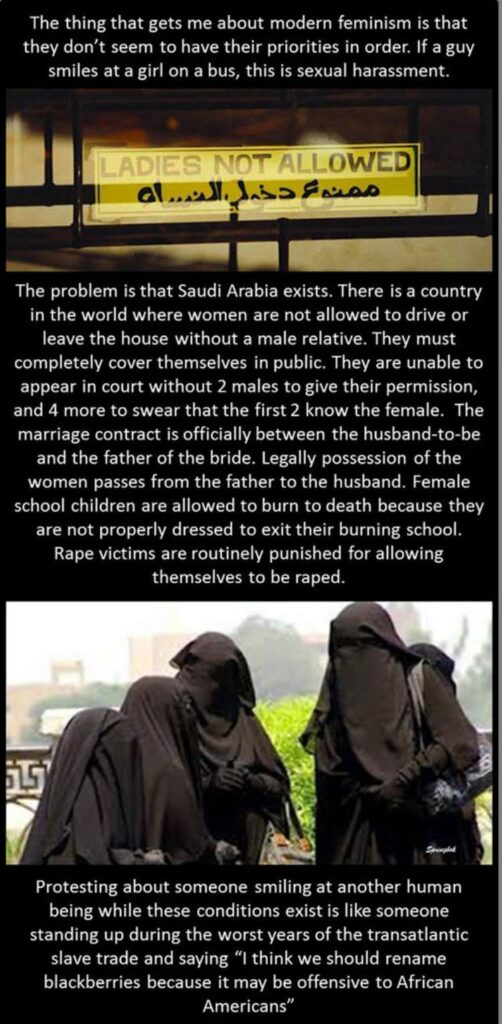
Today, we stand at a crucial juncture. The #MeToo movement has brought the issue of sexual harassment and assault into the mainstream, forcing a reckoning with the pervasive culture of misogyny that permeates our society. The gender pay gap persists, a glaring reminder of the economic inequality that continues to plague women. And the rise of anti-feminist backlash, fueled by misinformation and fear-mongering, threatens to roll back the progress that has been made. This is not a time for complacency. This is a time for renewed commitment, for unwavering solidarity, and for a relentless pursuit of justice.
The opposition to feminism often stems from a fundamental misunderstanding of its goals. Many believe that feminism is about elevating women at the expense of men. This is a false dichotomy, a manipulative tactic designed to divide and conquer. True feminism is not about replacing one form of oppression with another; it’s about dismantling all forms of oppression, creating a society where everyone can thrive, regardless of their gender identity. It is about liberating men from the rigid confines of toxic masculinity, allowing them to express their emotions, pursue their passions, and form genuine connections with others without fear of judgment. It is about creating a world where both men and women are free to be their authentic selves.
Furthermore, the critiques leveled against feminism often reveal a deep-seated fear of change. Those who cling to traditional gender roles often do so out of a perceived sense of security, a fear that challenging the status quo will disrupt the established order. But progress requires disruption. It requires a willingness to question our assumptions, to challenge our biases, and to embrace new ways of thinking. It is a messy, uncomfortable, and often painful process, but it is also the only path towards a more just and equitable future.
Think of feminism not as a battle, but as a recalibration. A re-tuning of societal instruments to produce a more harmonious melody. It is a continuous process of questioning, challenging, and reimagining the world we live in. It is not a destination, but a journey. It’s not about achieving a perfect, utopian society, but about striving towards a more just and equitable one, one where everyone has the opportunity to reach their full potential. That is the essence of feminism. That is what it truly represents. And that, my friends, is a vision worth fighting for.
So, let us embrace the complexity, the nuance, and the audacity of feminism. Let us challenge the stereotypes, dismantle the prejudices, and build a world where every voice is heard, every perspective is valued, and every individual is empowered to live a life of dignity and purpose. The future is feminist. Let us make it so.





Leave a Comment