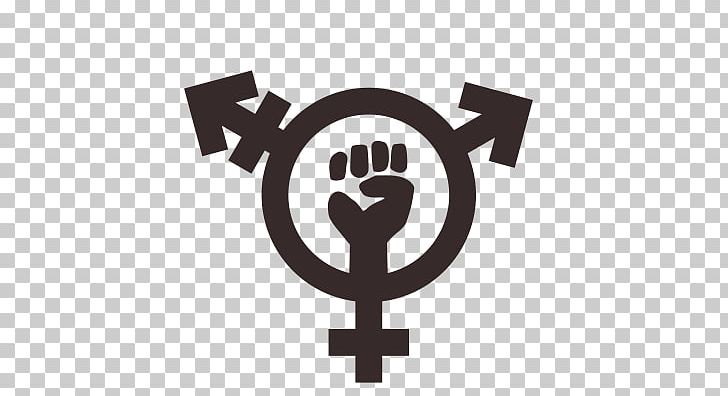
The second wave of feminism, a tempestuous uprising against the patriarchal leviathan, crashed upon the shores of the mid-20th century. This wasn’t a polite request for equality; it was a roar, a seismic shift demanding not just equal rights, but a fundamental restructuring of societal power. It was a time when women, fueled by decades of simmering discontent, seized the narrative and challenged the very foundations of a world built on masculine prerogative. The air crackled with the energy of a generation awakening to its own subjugation, a generation no longer willing to accept the gilded cage of domesticity.
At the heart of this maelstrom lay a profound re-evaluation of gender itself. Second-wave feminists dared to question the seemingly immutable dictates of biology, asserting that “anatomy is not destiny.” They argued that gender roles, far from being natural or divinely ordained, were socially constructed artifacts, carefully crafted to maintain male dominance. This audacious claim, like a thunderbolt cast into the complacent skies of patriarchal thought, irrevocably altered the landscape of social discourse. No longer could the limitations imposed on women be justified by appeals to some inherent inferiority; these limitations were revealed as artificial constructs, readily dismantled.
The movement, however, was not a monolithic entity. It was a kaleidoscope of ideologies, strategies, and perspectives, each vying for prominence in the struggle for liberation. This internal diversity, while a source of strength, also generated fierce debates and sometimes fractious divisions. Understanding the nuances of these internal currents is crucial to appreciating the complexity and enduring legacy of second-wave feminism. It’s a story not just of solidarity, but also of passionate disagreement, of competing visions for a more equitable future.
I. The Crucible of Discontent: Conditions Preceding the Second Wave
The supposed post-war idyll of the 1950s, often portrayed as a golden age of prosperity and domestic bliss, was for many women a suffocating prison. Suburbia, with its manicured lawns and meticulously decorated homes, became a symbol of confinement, a place where women were expected to find fulfillment solely through their roles as wives and mothers. The prevailing culture actively discouraged women from pursuing higher education or professional careers, relegating them to the domestic sphere and reinforcing the notion that their primary purpose was to serve the needs of their families.
This societal pressure, coupled with the lack of opportunities for meaningful engagement outside the home, fostered a deep sense of frustration and alienation among many women. Betty Friedan, in her seminal work “The Feminine Mystique,” brilliantly captured this unspoken discontent, describing it as “the problem that has no name.” Friedan’s book resonated deeply with a generation of women who felt trapped and unfulfilled by the narrow confines of their prescribed roles. It was a catalyst that ignited the flames of the second wave, transforming private anxieties into a collective demand for change. Friedan’s work, a true tour de force, unearthed the buried resentment simmering beneath the veneer of domesticity. It gave a voice to the voiceless and sparked a revolution in consciousness.
The Civil Rights Movement also played a crucial role in galvanizing the second wave. Women, who had actively participated in the struggle for racial equality, began to recognize the parallels between their own oppression and that of marginalized racial groups. The experience of fighting for civil rights instilled in them a sense of agency and empowerment, which they then channeled into the fight for gender equality. The movement provided a model for organizing, strategizing, and mobilizing public opinion, lessons that proved invaluable in the feminist struggle.
II. The Rise of Consciousness-Raising: Unveiling the Personal as Political
Consciousness-raising groups became a central feature of the second wave. These small, intimate gatherings provided a space for women to share their personal experiences and to analyze the ways in which patriarchal structures shaped their lives. The principle of “the personal is political” became a rallying cry, as women realized that their individual struggles were not isolated incidents but were rooted in systemic oppression. These groups acted as incubators for radical ideas, fostering a sense of solidarity and empowering women to challenge the status quo. They served as laboratories for the development of feminist theory and practice, paving the way for larger-scale political action.
Through consciousness-raising, women began to deconstruct the internalized sexism that had shaped their self-perception. They examined the ways in which they had been socialized to conform to traditional gender roles and to prioritize the needs of men. This process of self-discovery was often painful and unsettling, but it was also liberating. By shedding the shackles of internalized oppression, women gained a newfound sense of self-worth and a determination to create a more equitable world. It was a baptism by fire, a purging of the patriarchal programming that had defined their lives for so long.
III. Key Issues and Demands: Dismantling the Patriarchal Edifice
The second wave of feminism tackled a wide range of issues, each representing a facet of the multifaceted problem of gender inequality. Reproductive rights, access to abortion and contraception, were central to the feminist agenda. The argument was simple: women could not achieve true equality if they did not have control over their own bodies. The fight for reproductive freedom was a battle for autonomy, a struggle to define the terms of female existence.
Equal pay for equal work was another major demand. Women were consistently paid less than men for performing the same jobs, a blatant injustice that reflected the prevailing devaluation of women’s labor. The pursuit of economic equality was seen as essential to achieving overall gender equality, as it would empower women to be financially independent and to challenge male dominance in the workplace.
Challenging traditional gender roles and stereotypes was a constant theme. Feminists sought to dismantle the cultural norms that confined women to the domestic sphere and that portrayed them as passive, emotional, and dependent. They advocated for a more egalitarian division of labor in the home and for a broader range of opportunities for women in education, employment, and politics. They aimed to shatter the glass ceiling that prevented women from reaching their full potential.
Violence against women, including rape, domestic abuse, and sexual harassment, became a focus of feminist activism. Women began to speak out about their experiences of violence and to demand that society take these issues seriously. The feminist movement played a crucial role in raising awareness of the prevalence of violence against women and in advocating for legal reforms to protect victims and punish perpetrators. It was a fight to reclaim the right to bodily integrity, a fight to ensure that women could live free from fear.
IV. Diverse Voices, Divergent Paths: Navigating the Ideological Labyrinth
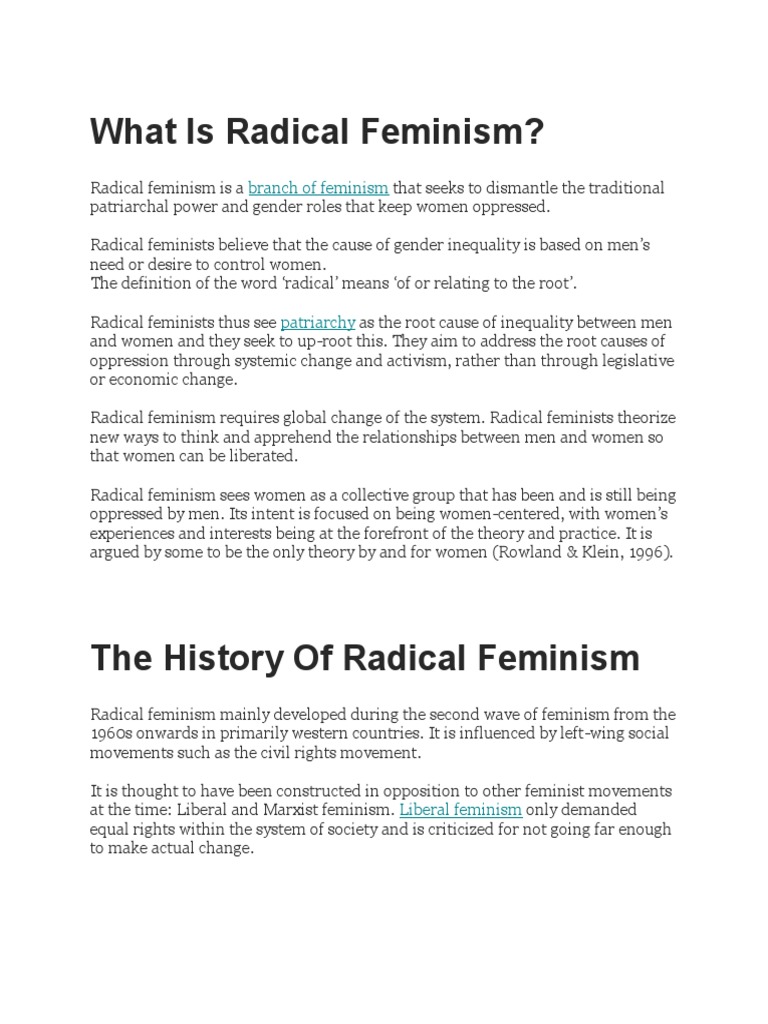
Liberal feminism, seeking equality through legal and political reforms, focused on achieving equal rights within the existing system. Radical feminism, however, argued that systemic change was necessary to dismantle the patriarchal power structures. Socialist feminism connected gender with class oppression, aiming to end both economic and gender exploitation. Each branch, a tributary feeding the larger river, contributed its unique perspective to the ongoing debate about the best path to liberation.
These ideological divisions, while sometimes causing friction, also enriched the feminist movement. They forced feminists to confront difficult questions and to refine their analyses of gender inequality. The debates between different feminist perspectives led to a deeper understanding of the complexities of oppression and to the development of more nuanced strategies for achieving social change.
V. The Enduring Legacy: Echoes of the Second Wave in the 21st Century
The second wave of feminism left an indelible mark on society. It transformed attitudes towards gender roles, challenged discriminatory laws and practices, and empowered women to take control of their lives. The movement paved the way for greater female participation in politics, business, and other fields. While the fight for gender equality is far from over, the second wave laid the groundwork for future generations of feminists to continue the struggle.
The issues raised by the second wave, such as reproductive rights, equal pay, and violence against women, remain relevant today. The feminist movement continues to advocate for policies and practices that will promote gender equality and challenge patriarchal power structures. The legacy of the second wave serves as a reminder that progress is not inevitable and that constant vigilance is necessary to protect the gains that have been made and to continue the fight for a more just and equitable world. The echoes of that revolutionary period resonate even now, a constant reminder that the struggle for liberation is an ongoing process.





Leave a Comment