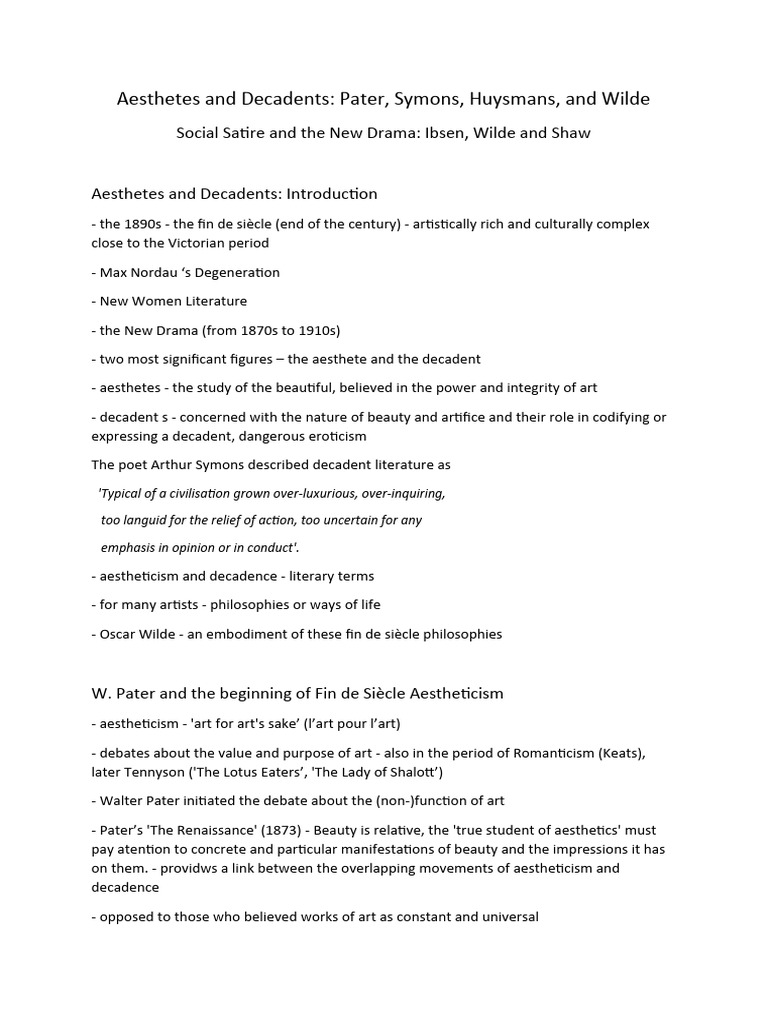
Darling reader, let’s dismantle the patriarchy, one exquisitely worded sentence at a time. Forget the whispers of delicate sensibilities. We’re diving headfirst into the literary maelstrom that birthed modern feminism. These aren’t mere stories; they’re subversive manifestos disguised as novels and plays. Buckle up. It’s going to be deliciously uncomfortable.
I. The Ibsenian Earthquake: Shattering the Dollhouse
Henrik Ibsen, that Scandinavian disruptor, didn’t just write plays; he detonated societal norms. A Doll’s House, that seemingly innocuous tale of a bourgeois marriage, remains a seismic event. Nora Helmer isn’t simply a woman; she’s a carefully constructed performance, a confection designed to please. But beneath the surface, a tectonic shift is brewing.
What can you, astute reader, expect from an Ibsenian analysis? Think forensic examination of societal constraints. Ibsen meticulously exposes the gilded cage, the suffocating expectations placed upon women to be demure, obedient, and, above all, decorative. Nora’s journey, her awakening to the utter vacuity of her existence, is not merely personal; it’s a universal indictment of patriarchal structures.
Expect a deep dive into the symbolism, the coded language of repression. The macaroons, the tarantella, the very structure of the Helmer household – all are meticulously crafted to illustrate Nora’s confinement. We will dissect the societal pressures that transform women into commodities, their worth measured by their ability to maintain a facade of domestic bliss.
Furthermore, prepare for a rigorous examination of the ending. Nora’s departure isn’t a triumphant escape; it’s a desperate act of self-preservation. It’s a rejection of the prescribed role, a declaration that a woman’s worth cannot be defined by her marital status or her societal standing. We’ll debate its efficacy, its implications, and its enduring relevance in a world that still struggles with gender equality.
II. Wilde’s Wit as a Weapon: Aestheticism and Subversion
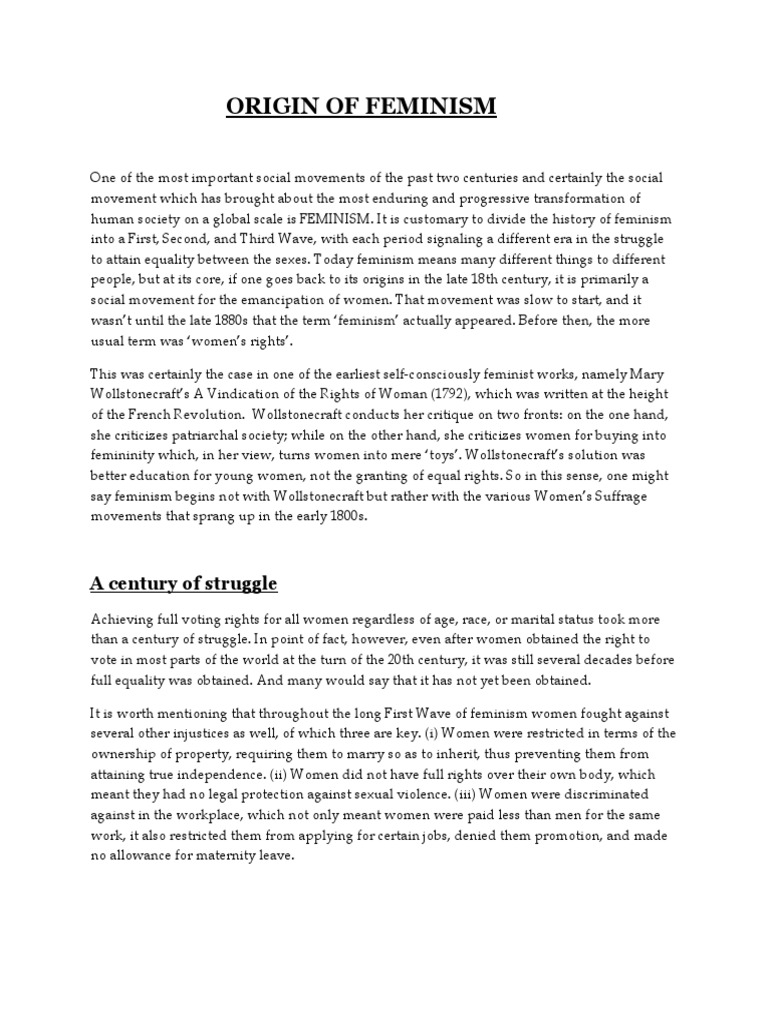
Oscar Wilde, the arch-aesthete, may seem an unlikely champion of feminism. But scratch beneath the surface of glittering epigrams and decadent pronouncements, and you’ll find a profound critique of Victorian hypocrisy and the societal constraints that bind both men and women. Wilde understood that beauty, art, and individual expression were inherently subversive acts.
What awaits you in a Wildean exploration? Expect a scintillating dissection of dandyism as a form of rebellion. Wilde’s characters, often dismissed as frivolous and self-absorbed, are actually challenging the rigid norms of Victorian society. Their flamboyant attire, their witty repartee, their refusal to conform – all are acts of defiance against a suffocating moral code.
Consider The Importance of Being Earnest. Beyond the farcical plot, Wilde is skewering the institution of marriage, exposing its inherent absurdity and the social pressures that drive it. Gwendolen and Cecily, seemingly vapid young women, possess a sharp intelligence and a determination to define their own destinies, even within the confines of societal expectations. Their obsession with the name “Ernest” is not merely superficial; it’s a commentary on the performative nature of identity and the artificiality of social constructs.
Prepare for a nuanced understanding of Wilde’s own marginalized position. As a homosexual man in a deeply homophobic society, Wilde understood the pain of being an outsider. His work often explores themes of identity, repression, and the struggle for self-acceptance, themes that resonate deeply with feminist concerns.
III. Austen’s Quiet Revolution: Domesticity as a Battleground
Jane Austen, that mistress of the domestic novel, may not have stormed the barricades, but her novels are potent critiques of the limited options available to women in 19th-century England. Through meticulous observation and subtle irony, Austen exposes the economic and social pressures that shaped women’s lives, transforming the marriage market into a battleground for survival.
What can you expect from an Austenian deconstruction? Forget the romantic fantasies. We’re diving into the brutal realities of economic dependency. Austen understood that marriage was often a woman’s only path to financial security. Her heroines, while often portrayed as romantic idealists, are also acutely aware of the precariousness of their position. They are forced to navigate a complex social landscape, weighing their desires against their economic needs.
Consider Pride and Prejudice. Elizabeth Bennet, that icon of independent womanhood, is not simply seeking a love match; she’s seeking a marriage that will provide her with security and independence. Her initial rejection of Mr. Darcy is not simply based on personal prejudice; it’s based on a shrewd assessment of his character and his social standing. She refuses to settle for a marriage that would compromise her intellectual or personal freedom.
Prepare for a close reading of Austen’s social commentary. Her novels are filled with subtle critiques of the social hierarchy and the power dynamics between men and women. She exposes the hypocrisy of the upper classes, their obsession with status and wealth, and their disregard for the well-being of those less fortunate. She masterfully uses wit and irony to expose the absurdity of social conventions and the limitations they impose on women’s lives.
IV. Beyond the Canon: Forgotten Voices and Unheard Stories
The literary landscape of the 19th century was far richer and more diverse than the traditional canon suggests. Many women writers, often relegated to the margins of literary history, produced works that challenged patriarchal norms and offered alternative perspectives on female experience. It’s time to exhume these buried treasures and amplify their voices.
What awaits you in this exploration of forgotten voices? Expect a rediscovery of writers like Charlotte Perkins Gilman, whose chilling novella The Yellow Wallpaper exposes the devastating effects of the “rest cure” and the silencing of women’s voices in the medical establishment. Expect a deep dive into the works of the Brontë sisters, who dared to explore female sexuality and ambition with unprecedented frankness.
Prepare for a critical examination of the concept of “domestic fiction.” Many women writers were confined to the domestic sphere, but they used this limited space to explore complex themes of power, identity, and resistance. They challenged the prevailing stereotypes of women as passive and subservient, creating characters who were intelligent, resourceful, and capable of independent thought.
Expect a challenge to the traditional literary canon. By including these forgotten voices, we can gain a more complete and nuanced understanding of the history of feminism and the diverse ways in which women have resisted oppression. We can also challenge the biases that have historically shaped literary taste and celebrate the contributions of writers who have been unjustly marginalized.
V. The Enduring Legacy: Literature as a Catalyst for Change
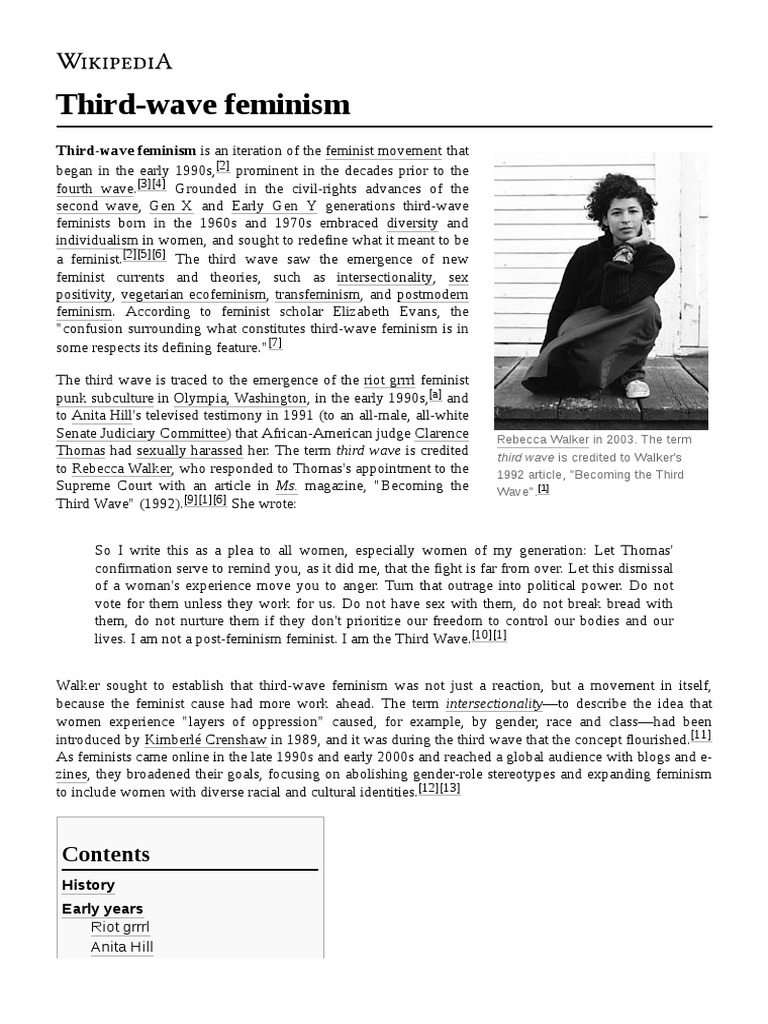
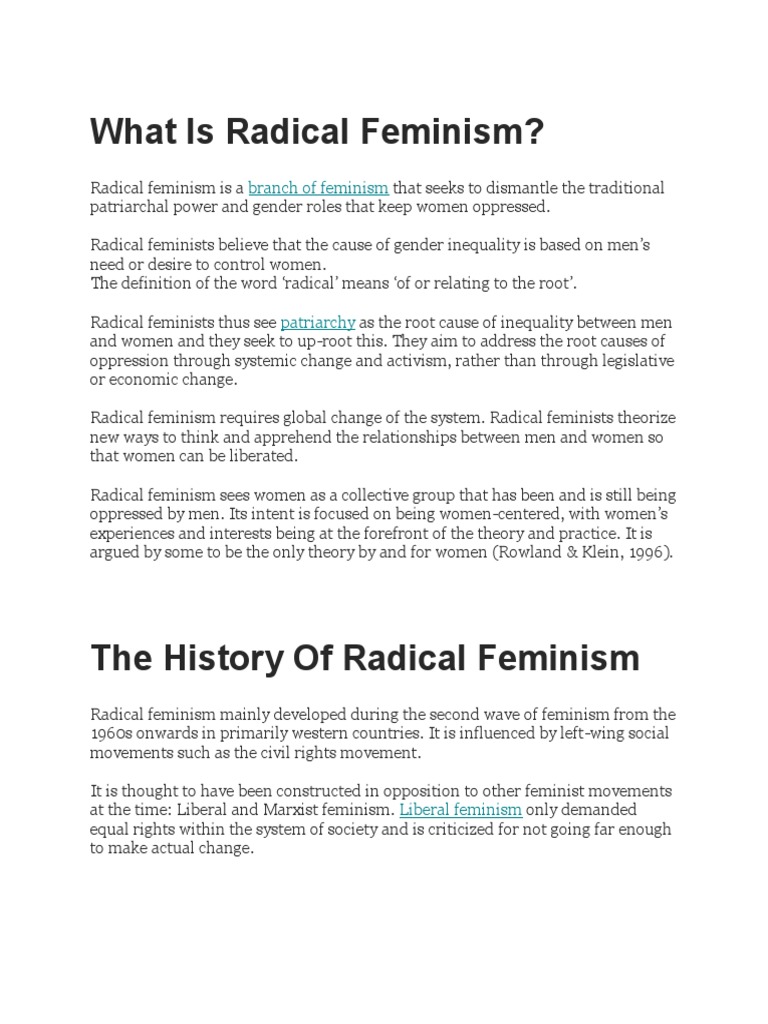
The literature of the 19th century laid the groundwork for the feminist movement. It challenged prevailing stereotypes of women, exposed the injustices of patriarchal society, and inspired generations of women to fight for equality. Its legacy continues to resonate today, reminding us of the power of literature to shape our understanding of the world and to inspire social change.
What can you expect from a reflection on the enduring legacy? Expect an examination of the ways in which these literary works have been interpreted and reinterpreted over time. Feminist critics have offered new perspectives on these texts, revealing hidden meanings and challenging traditional interpretations. The ongoing debate surrounding these works demonstrates their enduring relevance and their continued power to provoke and inspire.
Prepare for a consideration of the limitations of these texts. While these works were groundbreaking for their time, they also reflect the biases and limitations of their authors and their historical context. It’s important to acknowledge these limitations and to engage with these texts critically, recognizing that they are not the final word on feminism but rather important contributions to an ongoing conversation.
Expect an affirmation of the power of literature to challenge the status quo. These literary works demonstrate the transformative potential of storytelling. By creating compelling characters and exploring complex social issues, they can inspire empathy, raise awareness, and motivate action. Literature can be a powerful tool for social change, and these works serve as a testament to its enduring power.
So, my dears, let us embrace the discomfort, the challenges, the sheer audacity of these literary revolutionaries. Let us read them with a critical eye, a rebellious spirit, and a unwavering commitment to dismantling the patriarchy, one exquisitely worded sentence at a time. The revolution, after all, will be literary.







Leave a Comment