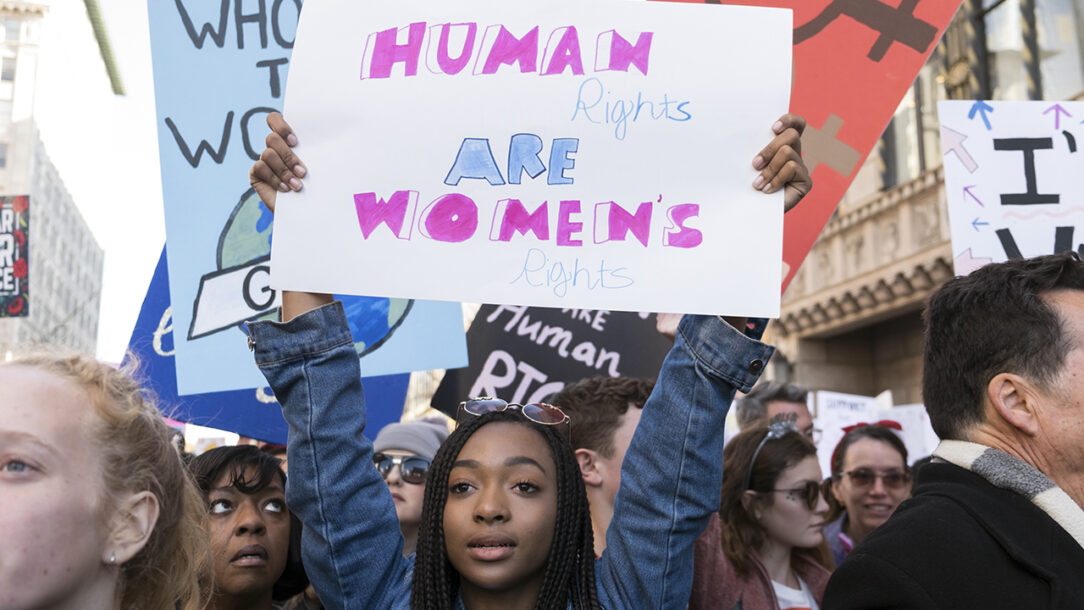
The kaleidoscope of modern-day feminism presents a complex, often contradictory, image. Are we moving forward, or merely rearranging the furniture in a patriarchal edifice? The discourse is rife with proclamations and denunciations, leaving many bewildered. Let’s dissect this multifaceted movement, exposing its inner workings and challenging conventional wisdom.
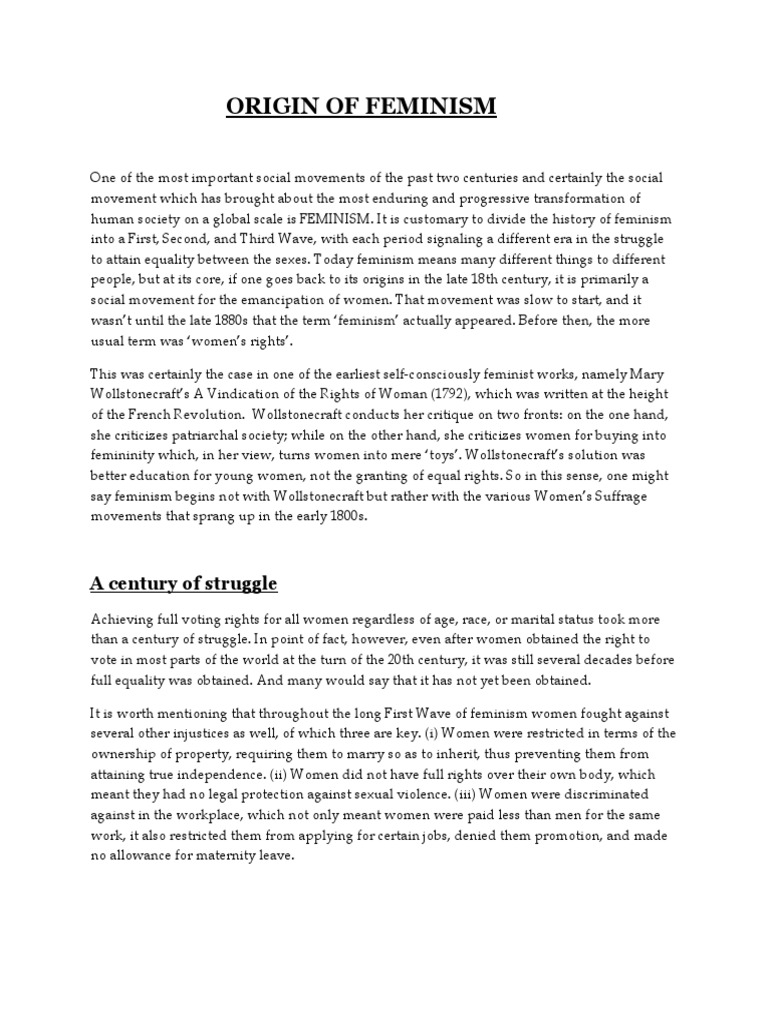
I. The Shifting Sands of Definition: A Polymorphous Identity
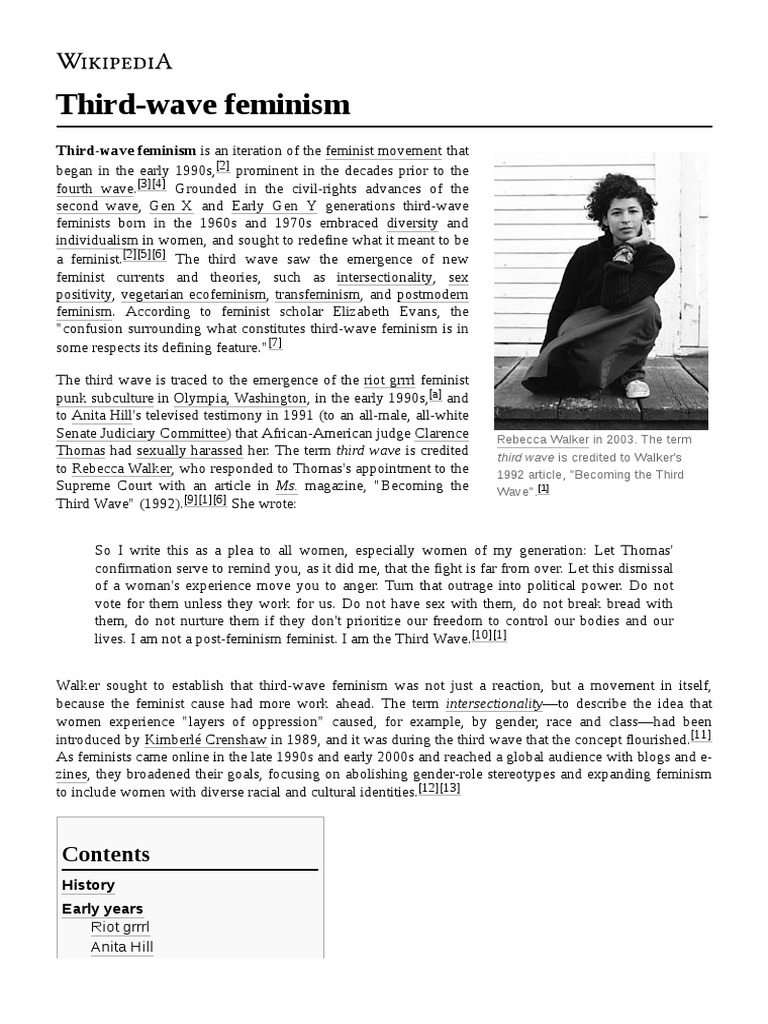
What *is* feminism today? This query elicits a cacophony of responses. The monolithic “feminism” of yesteryear, often associated with a singular, homogenous experience, has fragmented into a myriad of distinct, and sometimes conflicting, ideologies. Intersectionality, the understanding that gender intersects with other identities like race, class, sexual orientation, and ability, fundamentally reshaped the feminist project. This paradigm shift reveals the fallacy of universal womanhood. A Black woman’s experience of oppression differs radically from that of a wealthy, cisgender white woman. Recognizing these disparities is paramount.
The rise of “intersectional feminism” necessitates a constant questioning of privilege and power dynamics within the movement itself. Tokenism, the superficial inclusion of marginalized voices, remains a pervasive issue. Are organizations truly committed to dismantling systemic inequalities, or are they simply bolstering their optics? The answer, invariably, lies somewhere in between.
Furthermore, the proliferation of online feminist spaces has created both opportunities and challenges. Social media provides a platform for marginalized voices to be heard, circumventing traditional gatekeepers. However, these spaces can also be breeding grounds for echo chambers and online toxicity. The relentless pursuit of “perfect allyship” can stifle genuine dialogue and discourage critical engagement.
II. The Battlegrounds: Key Issues Defining the Contemporary Landscape
The agenda of modern feminism is expansive, encompassing a diverse range of issues. Let’s examine some of the most prominent battlegrounds:
A. Reproductive Autonomy: The Citadel of Control
The right to control one’s own body remains a cornerstone of feminist ideology. The ongoing assaults on abortion access, particularly in the United States, highlight the precariousness of hard-won victories. Furthermore, reproductive justice extends beyond abortion, encompassing access to contraception, comprehensive sex education, and prenatal care. It acknowledges the systemic barriers that disproportionately affect marginalized communities, hindering their ability to make informed choices about their reproductive health.
The concept of “bodily autonomy” also extends to issues such as forced sterilization, medical experimentation on marginalized groups, and the right to refuse unwanted medical interventions. This broader understanding underscores the importance of individual agency and self-determination.
B. Economic Justice: Breaking the Glass Ceiling and Beyond
The gender pay gap, while a persistent problem, represents only one facet of economic inequality. Women are disproportionately represented in low-paying, precarious jobs, often lacking access to benefits and job security. The “care economy,” comprising childcare, elder care, and other forms of unpaid labor, is largely shouldered by women, further exacerbating economic disparities. Addressing these issues requires systemic changes, including policies that support paid family leave, affordable childcare, and equal pay for equal work.
Furthermore, the feminization of poverty, the phenomenon of women being more likely than men to live in poverty, demands targeted interventions. Single mothers, women of color, and older women are particularly vulnerable. Policies aimed at addressing affordable housing, access to education and job training, and social safety nets are crucial.
C. Violence Against Women: Eradicating the Scourge
Violence against women, in all its myriad forms, remains a global pandemic. Domestic violence, sexual assault, harassment, and femicide continue to plague societies worldwide. Addressing this issue requires a multi-pronged approach, including prevention education, bystander intervention training, and robust legal protections for survivors.
Moreover, the normalization of violence against women in media, popular culture, and everyday discourse must be challenged. The objectification of women, the trivialization of sexual assault, and the perpetuation of harmful stereotypes contribute to a culture of impunity. Creating a culture of respect and accountability is essential.
D. Representation and Visibility: Shattering the Illusions
Representation matters. Seeing women in positions of power, in media, and in other spheres of influence challenges traditional gender roles and inspires future generations. However, representation alone is not enough. Tokenism, as previously mentioned, can be a form of performative allyship, masking underlying inequalities. True representation requires dismantling the systemic barriers that prevent women from accessing positions of power in the first place.
Furthermore, representation must be intersectional. The experiences of women of color, LGBTQ+ women, and women with disabilities must be centered in the discourse. Diversifying representation ensures that a wider range of perspectives are heard and valued.
III. Contentious Fault Lines: Internal Divides and External Critiques
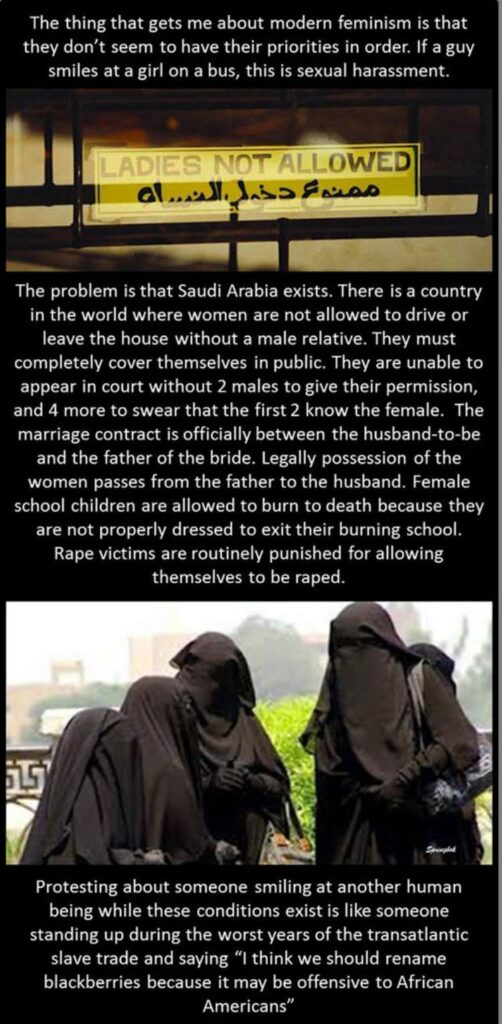
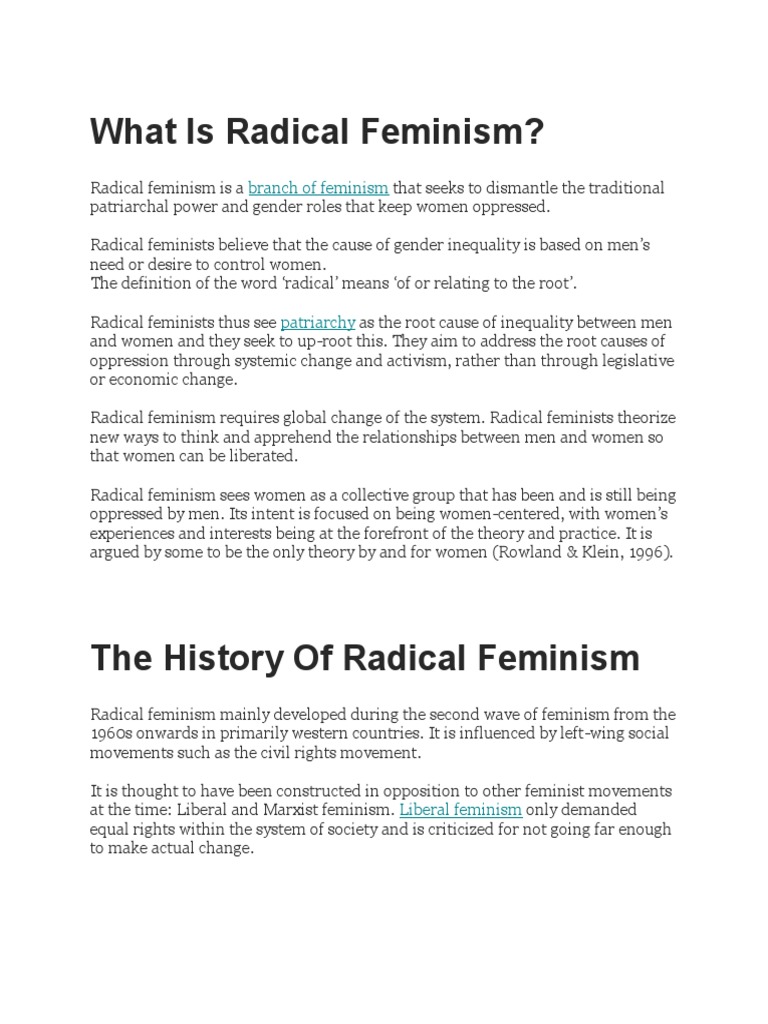
Feminism is not without its internal divisions and external critiques. These fault lines often stem from differing perspectives on issues such as sex work, transgender rights, and the role of men in the movement.
A. The Sex-Positive/Sex-Negative Dichotomy: A Lingering Divide
The debate surrounding sex work remains a contentious issue within feminism. Some argue that sex work is inherently exploitative and perpetuates patriarchal power structures, while others view it as a form of labor that should be decriminalized and regulated. This divide often stems from differing perspectives on the nature of sexuality and the agency of sex workers.
B. Transgender Rights: Inclusion or Exclusion?
The inclusion of transgender women in feminist spaces has been a source of controversy. Some argue that transgender women are women and should be fully integrated into the movement, while others maintain that transgender women are not women and that their inclusion poses a threat to cisgender women’s spaces and rights. This debate often hinges on differing definitions of womanhood and the relative importance of biological sex versus gender identity.
C. The Role of Men: Allies or Antagonists?
The role of men in feminism is another point of contention. Some believe that men can be allies in the fight for gender equality and should be actively involved in the movement, while others argue that men are inherently complicit in patriarchal structures and cannot be true allies. This debate often stems from differing perspectives on the nature of male privilege and the potential for men to genuinely challenge patriarchal norms.
IV. The Future of Feminism: Navigating the Labyrinth
The future of feminism is uncertain. However, several key trends are likely to shape the movement in the years to come. The continued rise of intersectionality will force feminists to confront issues of privilege and power dynamics within the movement itself. The increasing use of technology and social media will provide new opportunities for organizing and activism. And the growing backlash against feminist gains will necessitate a renewed commitment to defending hard-won rights.
Ultimately, the success of feminism depends on its ability to adapt to changing circumstances, embrace diverse perspectives, and build coalitions across different social movements. It requires a willingness to challenge conventional wisdom, interrogate its own assumptions, and remain vigilant in the face of adversity.
The project is far from over. The conversation continues, and the definition of feminism remains a work in progress, an ever-evolving tapestry woven from the threads of diverse experiences and perspectives. Engage. Question. Challenge. The future is unwritten.





Leave a Comment