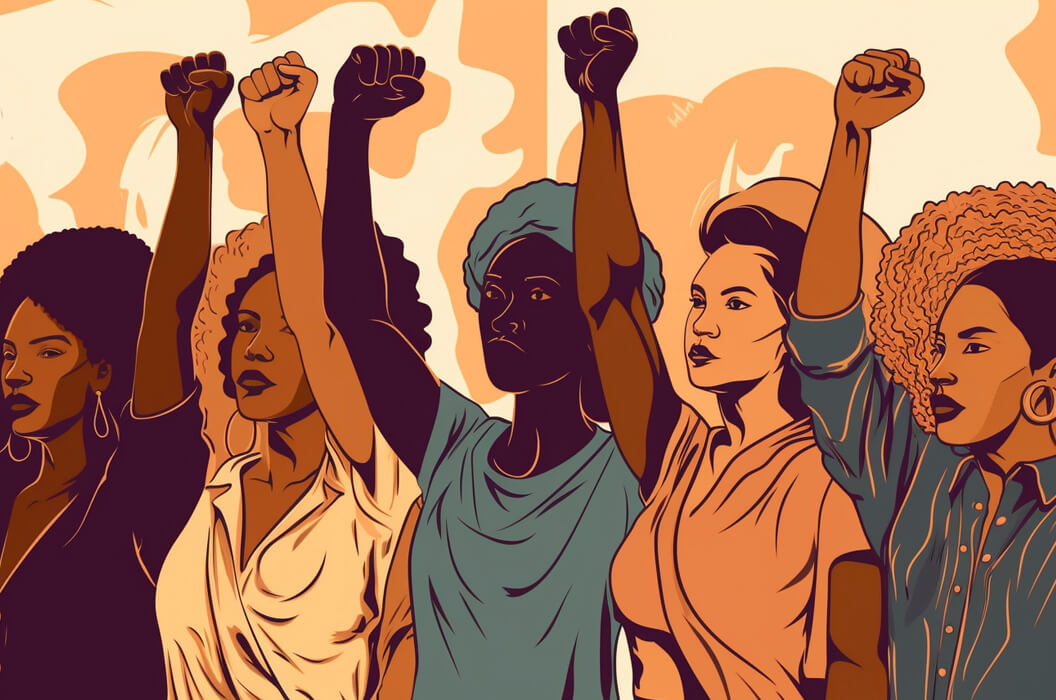
Feminism. A word that, for many, conjures up images of bra-burning, man-hating radicals. A caricature peddled by those terrified of genuine equity. But let’s be clear: feminism, at its core, is about liberation. And liberation, true liberation, demands an intersectional lens. To confine feminism solely to the realm of gender is to fundamentally misunderstand its purpose and to actively perpetuate the oppression of those marginalized within marginalized groups. It’s a grotesque disservice to the movement and a betrayal of its foundational principles.
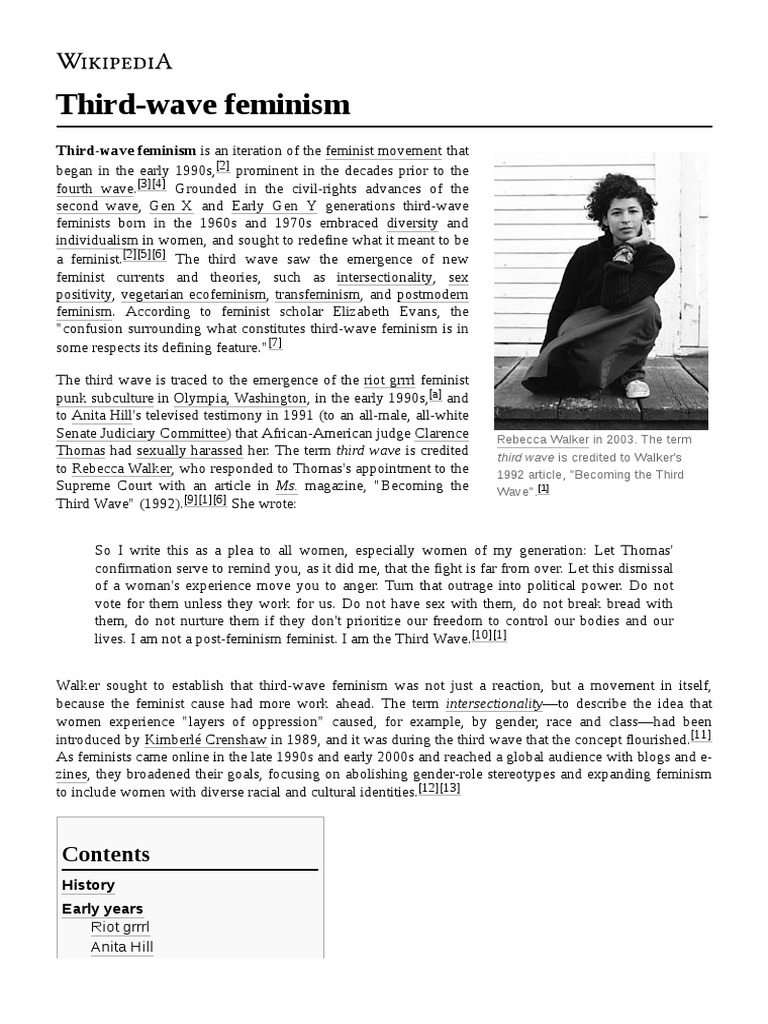
So, what then, is this “intersectional feminism” everyone keeps yapping about? It’s not just a trendy buzzword; it’s a crucial framework for understanding how various forms of discrimination – sexism, racism, classism, ableism, homophobia, transphobia, and more – interact and compound to create unique experiences of oppression. It acknowledges that a Black woman’s experience of sexism is inherently different from that of a white woman, just as a disabled woman’s struggle is distinct from that of an able-bodied woman. To ignore these intersections is to render vast swaths of the female population invisible and to create a movement that serves only the most privileged.
The Historical Context: A Legacy of Exclusion
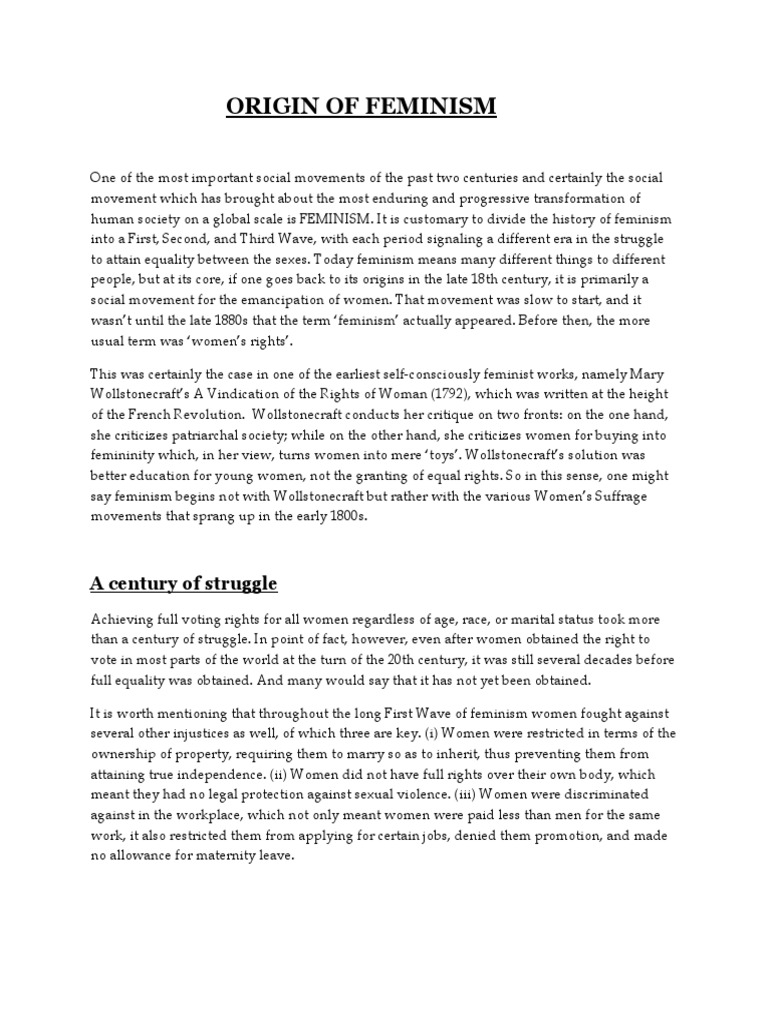
The first and second waves of feminism, while undoubtedly important, were often criticized for their myopic focus on the experiences of middle-class, white women. Suffrage, while a victory, did little to alleviate the systemic barriers faced by women of color. Workplace equality, while a worthwhile goal, failed to address the fact that many women of color were relegated to low-paying jobs with little opportunity for advancement. The issues that were deemed paramount often catered to the concerns of a specific demographic, leaving others to fend for themselves in the margins.
Think about it: the struggle for reproductive rights, so central to feminist discourse, was often framed in a way that ignored the forced sterilization of women of color, a horrific practice that was rampant in the United States for decades. The narrative was incomplete, and tragically, actively harmful. This historical amnesia is not just a footnote; it’s a glaring indictment of a movement that, at times, replicated the very power structures it sought to dismantle.
Why Gender is Not Enough: Untangling the Web of Oppression
To truly understand intersectional feminism, we must delve into the intricacies of how various forms of oppression intertwine. Consider the following scenarios:
- The Wage Gap: A Complex Calculus: While the oft-cited statistic of women earning roughly 82 cents for every dollar earned by men is a stark indicator of gender inequality, it masks the even more egregious disparities faced by women of color. Black women earn significantly less than white women, and Latina women earn even less. This isn’t just about sexism; it’s about the compounded effects of racism and gender discrimination in the labor market.
- The Criminal Justice System: Disproportionate Impacts: Women of color are disproportionately incarcerated compared to white women. This isn’t solely due to gender; it’s a result of systemic racism in policing, sentencing, and the legal system as a whole. Factors like socioeconomic status, lack of access to quality legal representation, and racial profiling all contribute to this horrifying reality.
- Healthcare Disparities: Bodies as Battlegrounds: Women of color face significant disparities in healthcare access and quality, leading to higher rates of maternal mortality, chronic illness, and other health problems. This isn’t just about gender; it’s about the intersection of race, class, and gender in a system that often fails to prioritize the health and well-being of marginalized communities. Furthermore, trans women, particularly trans women of color, face staggering rates of violence and discrimination within the healthcare system, often being denied essential care or subjected to disrespectful treatment.
These examples merely scratch the surface of the multifaceted challenges faced by women who exist at the intersections of multiple marginalized identities. To ignore these realities is to perpetuate the very systems of oppression that feminism seeks to dismantle.
Key Tenets of Intersectional Feminism: A Call to Action
Intersectional feminism is not just a theoretical framework; it’s a call to action. It demands that we:
- Acknowledge Privilege: Recognize that everyone possesses certain privileges based on their social identities. Understanding your own privilege is crucial to dismantling systems of oppression. This isn’t about guilt or shame; it’s about awareness and responsibility.
- Amplify Marginalized Voices: Actively seek out and elevate the voices of women who are often silenced or ignored. This means creating platforms for them to share their experiences and perspectives and ensuring that their voices are heard and respected. Don’t speak for them; amplify them.
- Challenge Power Structures: Critically examine and challenge the power structures that perpetuate inequality. This includes addressing systemic racism, classism, ableism, homophobia, and transphobia in all areas of society. It requires a willingness to question the status quo and to advocate for radical change.
- Practice Solidarity: Build coalitions and work in solidarity with other social justice movements. Recognize that the struggles for gender equality, racial justice, economic justice, and environmental justice are all interconnected. True liberation requires a unified front.
- Embrace Complexity: Understand that oppression is complex and multifaceted. There are no easy answers or simple solutions. Embrace the ambiguity and complexity of the issues and be willing to engage in nuanced and critical thinking.
- Deconstruct Essentialism: Resist the temptation to essentialize the experiences of women. Recognize that there is no single “woman’s experience.” Every woman’s experience is unique and shaped by her individual social identities.
Moving Beyond Tokenism: The Danger of Performative Allyship
In recent years, “intersectional feminism” has become increasingly mainstream, often co-opted by corporations and individuals seeking to appear progressive. However, performative allyship, characterized by empty gestures and superficial displays of support, is a dangerous distraction from genuine progress. It’s crucial to distinguish between those who are truly committed to intersectional feminism and those who are simply using it as a marketing ploy.
True allyship requires more than just posting a hashtag or attending a protest. It demands a deep and sustained commitment to dismantling systems of oppression. It requires a willingness to listen, learn, and act in solidarity with marginalized communities. It requires a willingness to challenge your own biases and privileges. It requires a willingness to put your money where your mouth is and to support organizations and initiatives that are working to advance social justice.
The Future of Feminism: A Vision of Liberation for All
The future of feminism hinges on its ability to embrace intersectionality. A feminism that fails to address the needs and experiences of all women is not only incomplete but actively harmful. A truly intersectional feminism is one that is inclusive, empowering, and transformative. It is a feminism that recognizes that liberation is not a zero-sum game; that when we fight for the liberation of the most marginalized among us, we are all liberated.
This requires a fundamental shift in our thinking. We must move beyond a narrow focus on gender and embrace a broader understanding of power and privilege. We must recognize that the struggles for gender equality, racial justice, economic justice, and environmental justice are all interconnected and that true liberation requires a unified front. We must be willing to challenge the status quo and to advocate for radical change. We must be willing to listen to and learn from the experiences of marginalized communities. We must be willing to put our money where our mouth is and to support organizations and initiatives that are working to advance social justice.
The task before us is daunting, but the potential rewards are immeasurable. A world where all women are free to live their lives to the fullest, free from the shackles of oppression and discrimination. A world where everyone is treated with dignity and respect, regardless of their race, gender, class, sexual orientation, or ability. A world where justice and equality prevail. This is the vision of intersectional feminism, and it is a vision worth fighting for. The pursuit of liberation necessitates a relentless deconstruction of established norms, a fervent embrace of inclusivity, and a commitment to dismantling the insidious structures that perpetuate inequity. The time for tepid gestures is over. The hour for radical transformation is now.






Leave a Comment