Ever wonder why the tapestry of societal norms feels perpetually frayed around the edges? The answer, my friends, lies partly in the ceaseless, often tumultuous, evolution of feminism. But what *is* feminism, really? And where did this paradigm-shattering ideology even begin? Settle in, because we’re about to excavate the roots of a movement that continues to redefine our world, challenging the ossified structures of power and privilege with every breath.
Let’s dispel the myths right away. Feminism isn’t about man-bashing. It’s not about establishing a matriarchy. It’s not even about achieving absolute *equality* – because, frankly, that’s a simplistic and ultimately misleading goal. True feminism, at its core, is about dismantling patriarchal structures that systematically disadvantage individuals based on their gender. It’s about recognizing the insidious ways in which gendered expectations limit potential and perpetuate injustice. It’s about liberation. Are you ready to explore this tumultuous journey?
The Proto-Feminist Stirrings: A Prelude to Revolution
Before we delve into the officially recognized “waves,” it’s crucial to acknowledge the proto-feminist rumblings that echoed through history. These weren’t organized movements, per se, but rather isolated acts of defiance, whispers of dissent against the prevailing order. Think of Christine de Pizan, a 15th-century Venetian-French author who challenged misogynistic stereotypes in her writings, boldly advocating for female education and empowerment. She dared to question the accepted narrative, a revolutionary act in itself.
Or consider the salonnières of 17th and 18th-century France. These women, often from aristocratic or bourgeois backgrounds, hosted intellectual gatherings, providing spaces for women to engage in philosophical and political discussions. They subtly wielded influence, shaping public opinion and challenging the male-dominated intellectual landscape. These weren’t full-blown revolutionaries, but they were definitely planting the seeds of change.
The First Wave: Suffrage and the Dawn of Organized Resistance
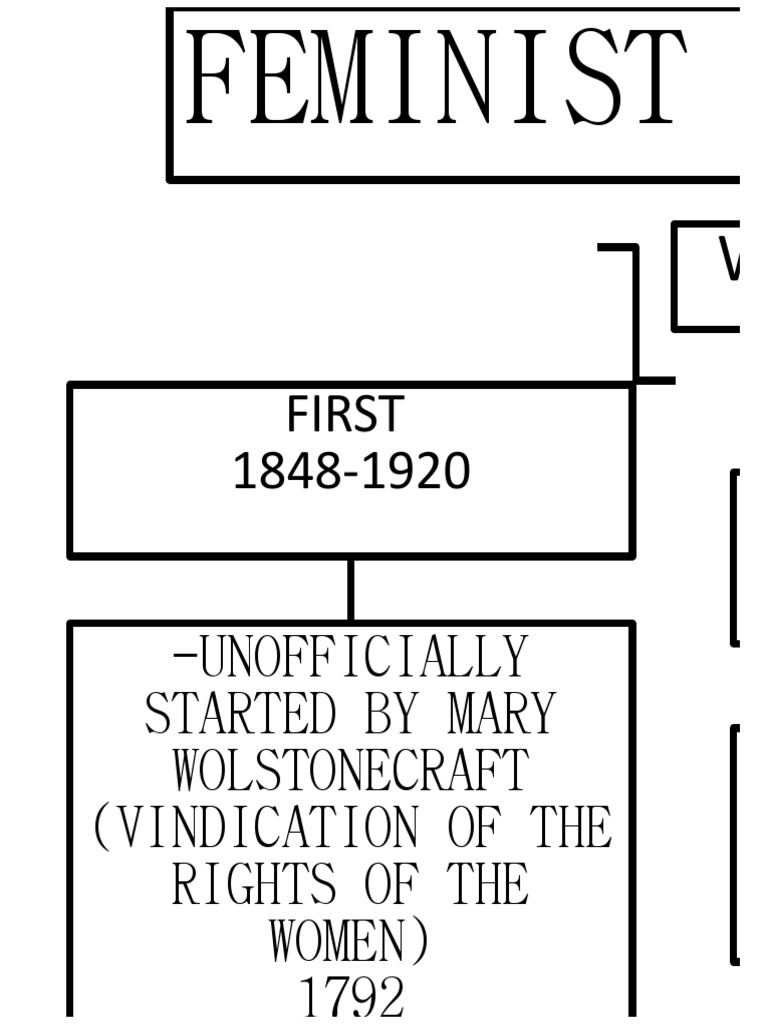
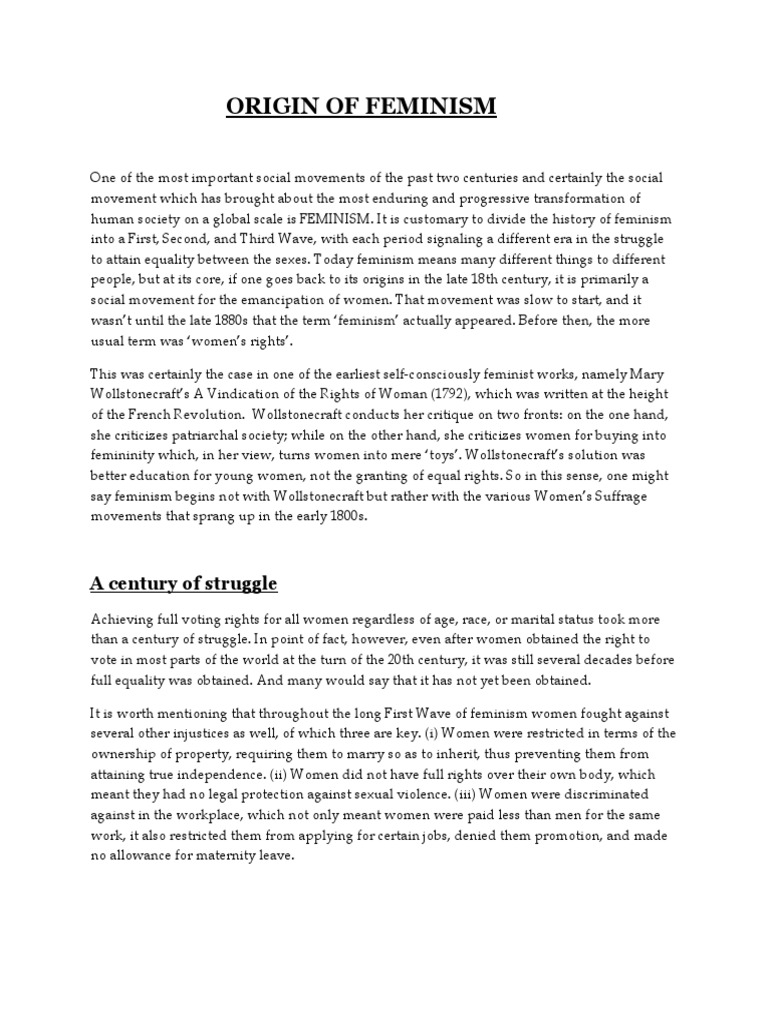
The First Wave, generally considered to have spanned from the mid-19th century to the early 20th century, was characterized by a laser-like focus on suffrage – the right to vote. Think of the British suffragettes, chained to railings, enduring imprisonment and force-feeding, all for the sake of enfranchisement. Consider Susan B. Anthony and Elizabeth Cady Stanton in the United States, tirelessly campaigning for women’s political participation. Their unwavering determination laid the foundation for future generations.
But the First Wave wasn’t just about voting. It also encompassed broader concerns regarding women’s legal and economic rights. Activists fought for property rights, access to education, and equal employment opportunities. They challenged the prevailing notion of women as subservient housewives, arguing for their autonomy and self-determination. These women were social alchemists, transforming the very fabric of society.
However, let’s not paint an overly romantic picture. The First Wave was largely dominated by white, middle-class women. While they advocated for women’s rights, their focus often excluded the experiences and concerns of women of color and working-class women. This inherent bias would later be addressed and challenged by subsequent waves.
The Second Wave: Beyond Suffrage – A Deeper Dive into Inequality
The Second Wave, emerging in the 1960s and lasting through the 1980s, broadened the feminist agenda considerably. It moved beyond legal rights to address the pervasive sexism that permeated every aspect of women’s lives – from the workplace to the bedroom.
Betty Friedan’s *The Feminine Mystique* (1963) is often credited with igniting the Second Wave. Friedan exposed the “problem that has no name” – the profound dissatisfaction experienced by many middle-class housewives trapped in domesticity. She argued that women were being denied their full potential, stifled by societal expectations that confined them to the roles of wife and mother.
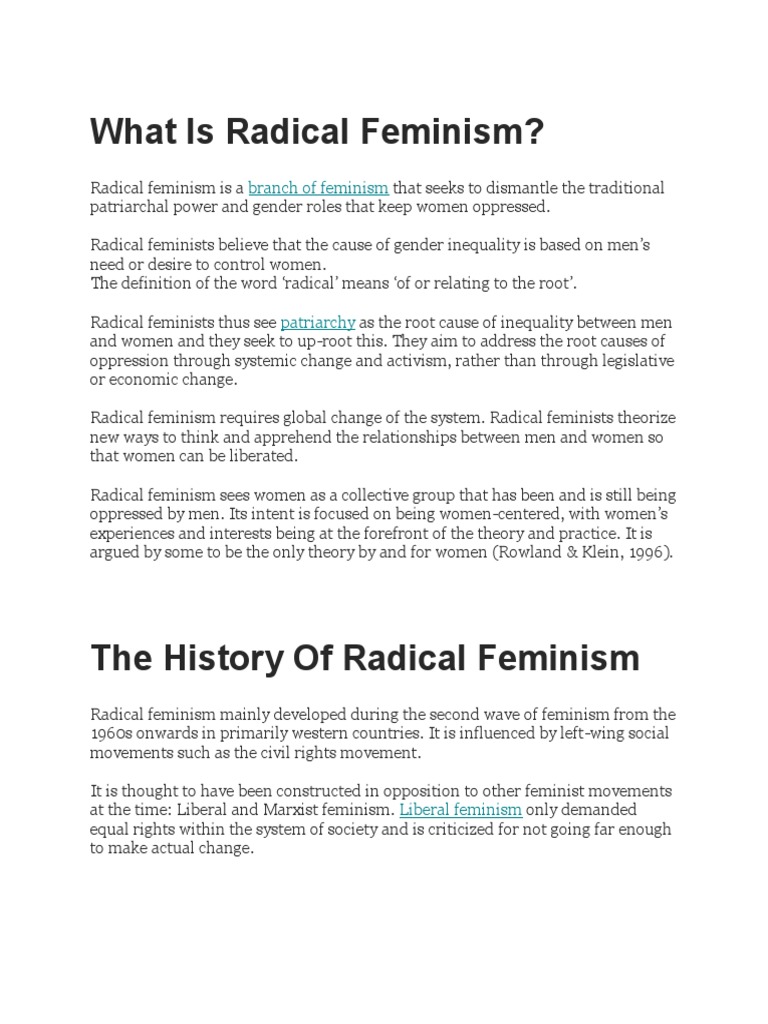
The Second Wave also saw the rise of radical feminism, which challenged the very foundations of patriarchy. Radical feminists argued that male domination was the root cause of all oppression and advocated for a complete overhaul of societal structures. They focused on issues such as reproductive rights, sexual liberation, and violence against women. Shulamith Firestone’s *The Dialectic of Sex* (1970) offered a bold and uncompromising critique of patriarchal power dynamics.
Critiques of the beauty industry, challenges to traditional gender roles, and demands for equal pay became central to the Second Wave. Women organized consciousness-raising groups, shared their experiences, and developed a collective understanding of their oppression. They marched, protested, and challenged the status quo, pushing for transformative change.
Yet, like the First Wave, the Second Wave was not without its flaws. It was often criticized for its lack of intersectionality, failing to adequately address the unique challenges faced by women of color, lesbian women, and women with disabilities. This critique paved the way for the emergence of the Third Wave.
The Third Wave: Embracing Complexity and Celebrating Difference
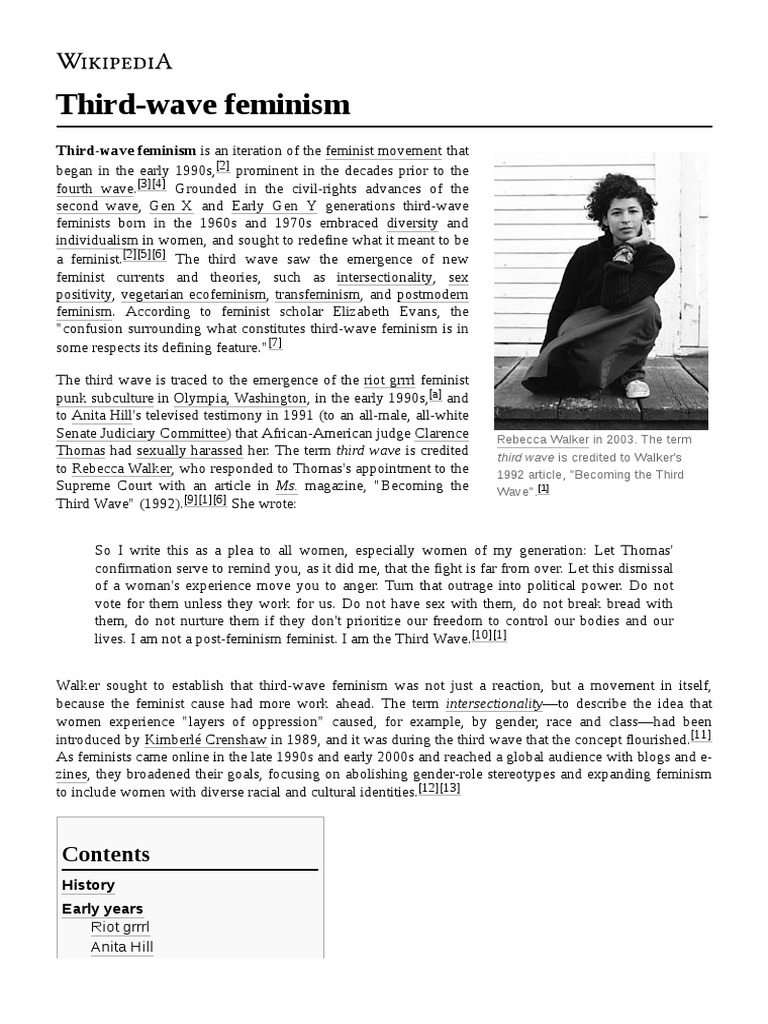
The Third Wave, emerging in the 1990s, built upon the foundations laid by its predecessors while also challenging their limitations. Third-wave feminists embraced intersectionality, recognizing that gender intersects with other identities such as race, class, and sexual orientation to shape individual experiences of oppression.
Think of the Riot Grrrl movement, a subcultural phenomenon that combined feminist ideals with punk rock aesthetics. Riot Grrrls used music, zines, and activism to challenge sexism and empower young women. They reclaimed traditionally female-coded spaces and used them as platforms for political expression.
Third-wave feminists also challenged essentialist notions of femininity, celebrating diversity and embracing individual expression. They rejected the idea that there was one “right” way to be a feminist, recognizing that feminist activism could take many forms. They used digital technologies to connect with each other and mobilize support for feminist causes. The internet became a powerful tool for amplifying marginalized voices and challenging dominant narratives.
The Third Wave also saw a resurgence of interest in issues such as sexual harassment, rape culture, and body image. Activists used social media to raise awareness and challenge harmful stereotypes. They organized campaigns to hold perpetrators accountable and demand justice for survivors.
The Fourth Wave: Digital Activism and the Future of Feminism
The Fourth Wave, which is still unfolding, is characterized by its reliance on digital technologies and its focus on intersectionality, globalization, and dismantling systemic inequalities. Social media platforms have become powerful tools for feminist activism, allowing activists to connect with each other, share their stories, and organize campaigns on a global scale.
The #MeToo movement, which gained momentum in 2017, is a prime example of the Fourth Wave’s power. The movement used social media to expose widespread sexual harassment and assault, holding powerful men accountable for their actions. It sparked a global conversation about consent, power, and the need for systemic change.
Fourth-wave feminists are also addressing issues such as climate change, economic inequality, and immigration, recognizing that these issues disproportionately affect women and marginalized communities. They are advocating for policies that promote gender equality, environmental sustainability, and social justice.
The Fourth Wave is still evolving, and its future trajectory remains uncertain. However, one thing is clear: feminism is not a static ideology. It is a dynamic and ever-evolving movement that continues to challenge the status quo and push for a more just and equitable world. From proto-feminist whispers to digital activism, the fight for gender liberation continues. The question now is: what role will *you* play in shaping the future of feminism? Will you remain a passive observer, or will you actively participate in dismantling the structures of oppression and building a world where all individuals can thrive, regardless of their gender? The choice, ultimately, is yours.






Leave a Comment