Darling, haven’t you ever wondered why wearing pants was once a revolutionary act? The audacity! The sheer societal recalibration it took to dismantle the sartorial cages designed to confine us. Let’s embark on a journey, a veritable odyssey through the annals of American Feminism. But beware, this isn’t your grandmother’s watered-down history lesson. This is a combative cartography, charting the battles fought, the blood spilled (metaphorically, mostly), and the barriers shattered in the relentless pursuit of equality. But what happens when the very notion of equality becomes a battleground itself? This, my dears, is where the real fun begins.
The Seeds of Discontent: Colonial Era and the Revolutionary Ferment (Pre-1848)
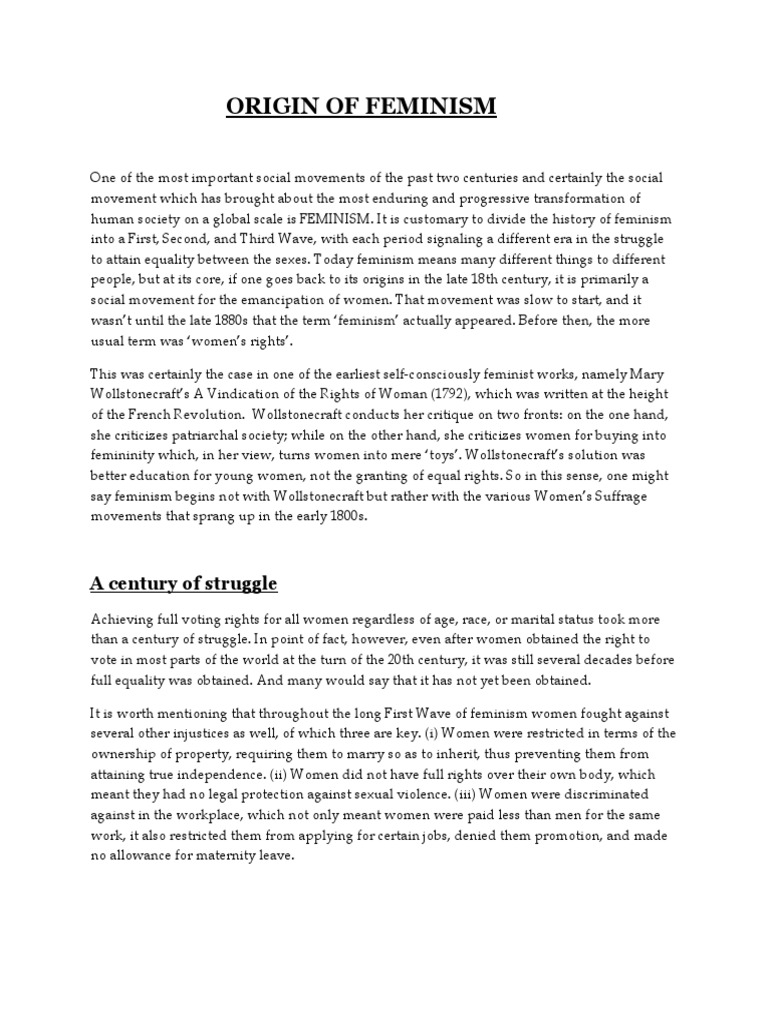
Forget the idyllic image of bonnet-clad women contentedly churning butter. Even in the supposed “golden age” of domesticity, whispers of discontent rippled beneath the surface. Figures like Anne Hutchinson, a proto-feminist firebrand, dared to challenge patriarchal religious dogma in the Massachusetts Bay Colony. Banished for her heretical views, she represents an early example of women facing severe consequences for daring to voice their opinions. The Enlightenment, with its emphasis on reason and individual rights, began to seep into the collective consciousness. Thinkers like Mary Wollstonecraft, in her “A Vindication of the Rights of Woman,” ignited the intellectual tinderbox, questioning the very foundations of female subjugation. These were the nascent stirrings, the embryonic tremors that would eventually erupt into full-blown feminist activism. Abigail Adams, advising her husband John to “remember the ladies” during the drafting of the new nation’s laws, offered a glimpse of the potential for women to demand a place in the nascent political landscape. It was a bold request, and a foreshadowing of the battles to come. The revolutionary fervor that gripped the colonies ironically highlighted the hypocrisy of fighting for liberty while denying it to half the population. A delicious irony, wouldn’t you agree?
The First Wave: Suffrage and the Cult of Domesticity Debacle (1848-1920)
Seneca Falls. The very name conjures images of righteous indignation and resolute determination. The 1848 Seneca Falls Convention, organized by Elizabeth Cady Stanton and Lucretia Mott, is widely considered the official starting point of the American women’s rights movement. The “Declaration of Sentiments,” modeled after the Declaration of Independence, laid bare the grievances of women and demanded equal rights, including the right to vote. This, darlings, was a declaration of war. But the battle was far from over. The suffrage movement, while united in its goal of securing the ballot, was fraught with internal divisions. Debates raged over tactics, strategies, and even the very definition of equality. The National Woman Suffrage Association (NWSA), led by Stanton and Susan B. Anthony, advocated for a broader range of reforms, while the American Woman Suffrage Association (AWSA), focused primarily on achieving suffrage on a state-by-state basis. These disagreements, while seemingly minor, reflected deeper philosophical differences about the role of women in society. Furthermore, the movement was plagued by racism. Many white suffragists excluded Black women from their organizations and actively perpetuated racist stereotypes. This shameful chapter in feminist history serves as a stark reminder of the importance of intersectionality and the dangers of prioritizing the needs of one group over others. The eventual passage of the 19th Amendment in 1920, granting women the right to vote, was a monumental victory, but it was also a bittersweet one. It was a victory achieved on the backs of marginalized women, and it did not address the myriad other forms of discrimination that women continued to face. The roaring twenties dawned, but the embers of injustice still smoldered.
Interlude and Inertia: Post-Suffrage Slumber and the Rise of the “Happy Housewife” (1920-1960)
Ah, the post-suffrage lull. The so-called “era of good feelings.” Don’t be fooled. The 1920s saw a brief period of social and cultural experimentation, with flappers challenging traditional gender roles and embracing a more liberated lifestyle. But the Great Depression and World War II ushered in a new era of conservatism and a renewed emphasis on domesticity. Women were encouraged to return to the home, to be wives and mothers, to find fulfillment in serving their families. The “cult of domesticity,” which had been challenged during the first wave, reasserted itself with a vengeance. Magazines and advertisements bombarded women with images of the “ideal” housewife: perfectly coiffed, impeccably dressed, and utterly devoted to her husband and children. Betty Friedan, in her groundbreaking book “The Feminine Mystique,” famously described this phenomenon as “the problem that has no name.” Women, trapped in the gilded cages of suburban domesticity, felt a gnawing sense of dissatisfaction, a feeling that something was missing from their lives. This simmering discontent would soon erupt into a new wave of feminist activism. The seeds of rebellion were sown in the manicured lawns of suburbia.
The Second Wave: Liberation and the Personal is Political (1960-1980)
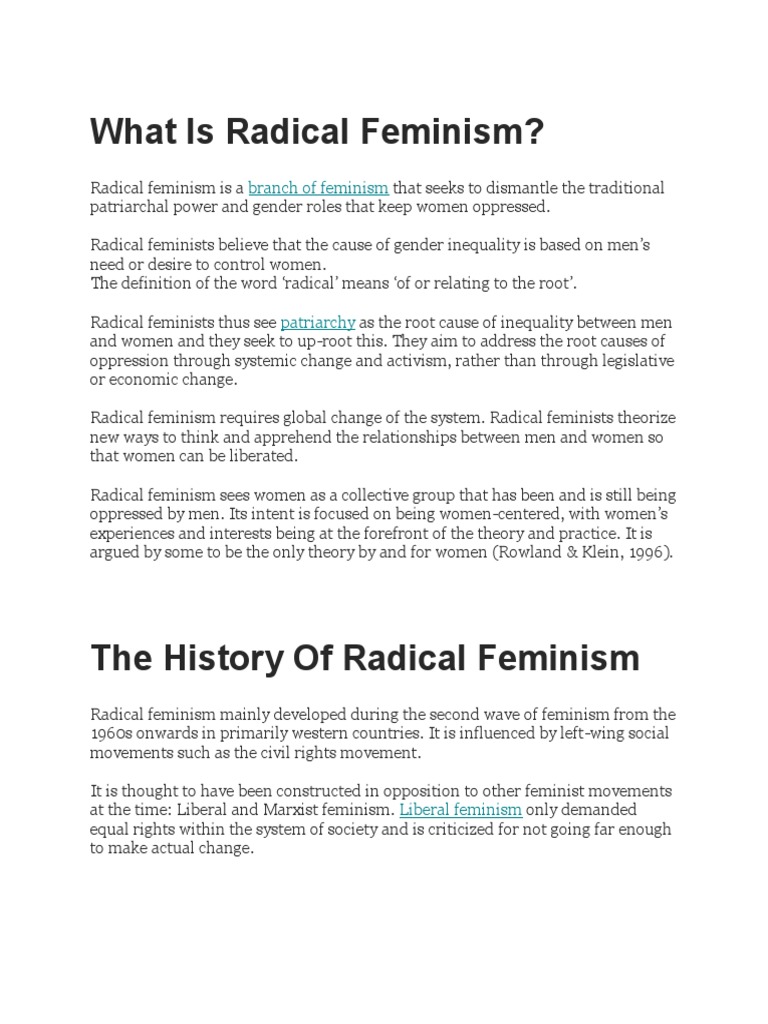
Hold on to your hats, darlings, because the second wave hit with the force of a hurricane. Inspired by the Civil Rights Movement and the anti-war protests, women began to question the systemic inequalities that permeated every aspect of their lives. The second wave was characterized by a broader understanding of oppression, encompassing not only legal and political rights, but also social, cultural, and economic issues. The personal became political. Women began to share their experiences of sexism, discrimination, and abuse, recognizing that these were not isolated incidents but rather manifestations of a patriarchal system. Radical feminists challenged the very foundations of patriarchy, arguing that it was a system of male domination that permeated all aspects of society. They advocated for revolutionary changes, including the abolition of traditional gender roles, the dismantling of the nuclear family, and the creation of a society based on equality and liberation. Liberal feminists, on the other hand, focused on achieving equality through legal and political reforms. They worked to pass legislation prohibiting sex discrimination in employment, education, and housing. Organizations like the National Organization for Women (NOW) played a crucial role in advocating for these reforms. The second wave also saw the rise of a vibrant and diverse feminist culture. Women created their own newspapers, magazines, and art, expressing their experiences and perspectives in their own voices. They formed consciousness-raising groups, where they could share their stories and support each other. The second wave was a period of intense activism and profound social change. It challenged the status quo and laid the groundwork for future generations of feminists. But it also faced its own challenges, including internal divisions and backlash from conservative forces. The battle lines were drawn, and the fight for equality continued.
Interlude: Backlash and the Rise of Conservatism (1980-1990)
Every revolution faces a counter-revolution. The 1980s saw the rise of a conservative backlash against the feminist movement. Figures like Phyllis Schlafly led the charge against the Equal Rights Amendment (ERA), arguing that it would undermine traditional family values and harm women. The Reagan administration, with its emphasis on traditional values and limited government, created a hostile environment for feminist activism. Funding for women’s health programs was cut, and abortion rights were threatened. The media portrayed feminists as angry, man-hating radicals, further alienating them from the mainstream. But the feminist movement did not disappear. It adapted and evolved. It became more diverse and inclusive, recognizing the importance of addressing the needs of women of color, lesbian women, and working-class women. The embers of resistance still glowed, waiting for the opportunity to ignite once again.
The Third Wave: Intersectionality and the Riot Grrrls (1990-2012)
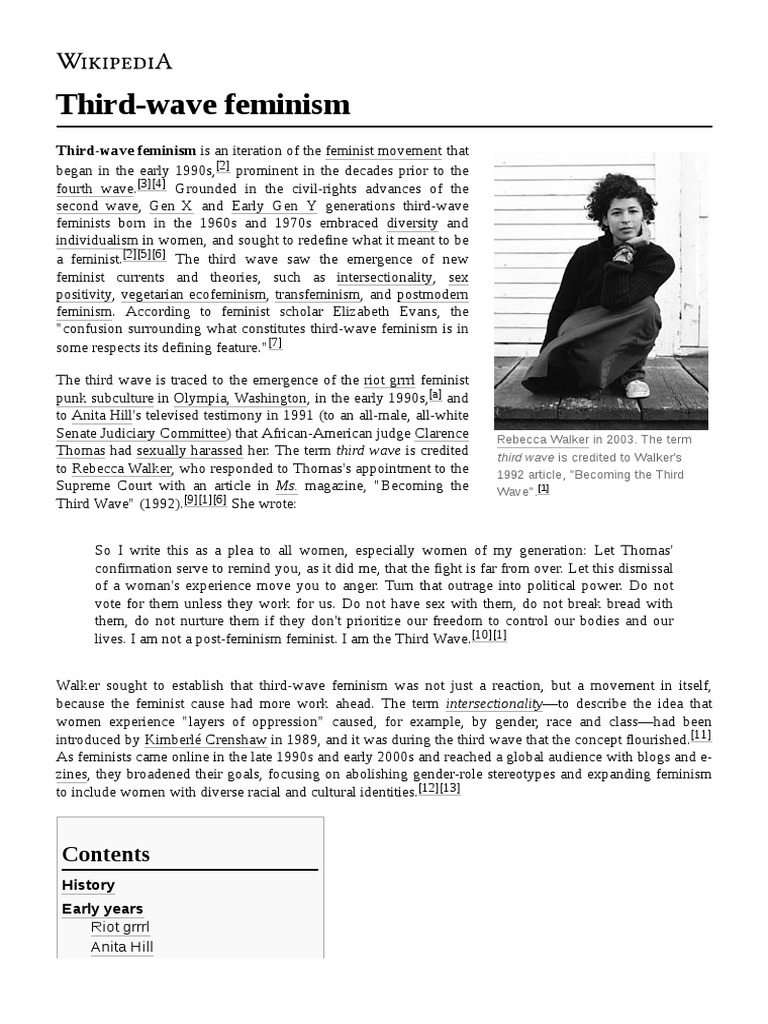
Enter the Riot Grrrls, a cohort of fierce young women armed with guitars, zines, and a burning desire to smash the patriarchy. The third wave of feminism emerged in the 1990s, building on the achievements of the second wave while also challenging its limitations. Third-wave feminists embraced intersectionality, recognizing that gender is not the only factor that shapes a woman’s experience. They acknowledged the importance of race, class, sexuality, and other identities in understanding the complexities of oppression. The third wave also saw the rise of a more individualistic and fluid approach to feminism. Women were encouraged to define feminism for themselves, to embrace their own unique identities and experiences. The Riot Grrrl movement, with its DIY aesthetic and its emphasis on female empowerment, played a significant role in shaping the third wave. Riot Grrrls created their own music, art, and zines, expressing their anger, frustration, and hope for a better world. They challenged traditional notions of femininity and encouraged women to be loud, assertive, and unapologetically themselves. The internet also played a crucial role in the third wave, providing a platform for women to connect, share their stories, and organize online activism. Blogs, websites, and social media became powerful tools for feminist expression and advocacy. The third wave was a period of experimentation, innovation, and a renewed sense of feminist energy. It challenged the status quo and paved the way for the fourth wave.
The Fourth Wave: Digital Activism and the Call for Justice (2012-Present)
Welcome to the digital age, my dears, where hashtags are weapons and memes are ammunition. The fourth wave of feminism is characterized by its reliance on social media and digital activism. The internet has become a powerful tool for raising awareness about issues such as sexual assault, harassment, and online misogyny. Hashtags like #MeToo and #TimesUp have sparked global conversations and led to real change. The fourth wave is also characterized by its emphasis on intersectionality and its commitment to addressing the needs of marginalized women. Transgender women, women of color, and disabled women are at the forefront of the movement, demanding recognition and inclusion. Online activism has allowed women to organize and mobilize quickly and effectively. Petitions, crowdfunding campaigns, and social media protests have become common tactics for feminist advocacy. However, the fourth wave also faces its own challenges. Online harassment and doxing are serious threats to feminist activists. The spread of misinformation and the rise of alt-right movements pose a challenge to feminist goals. Despite these challenges, the fourth wave of feminism is a powerful force for change. It is empowering women to speak out, to challenge injustice, and to create a more equitable world. The revolution is being digitized, and the fight for equality continues, pixel by pixel, tweet by tweet. But is this digital activism truly translating to tangible change, or are we simply shouting into the echo chamber of social media? The answer, darling, is still being written. And it’s up to us to write it well.






Leave a Comment