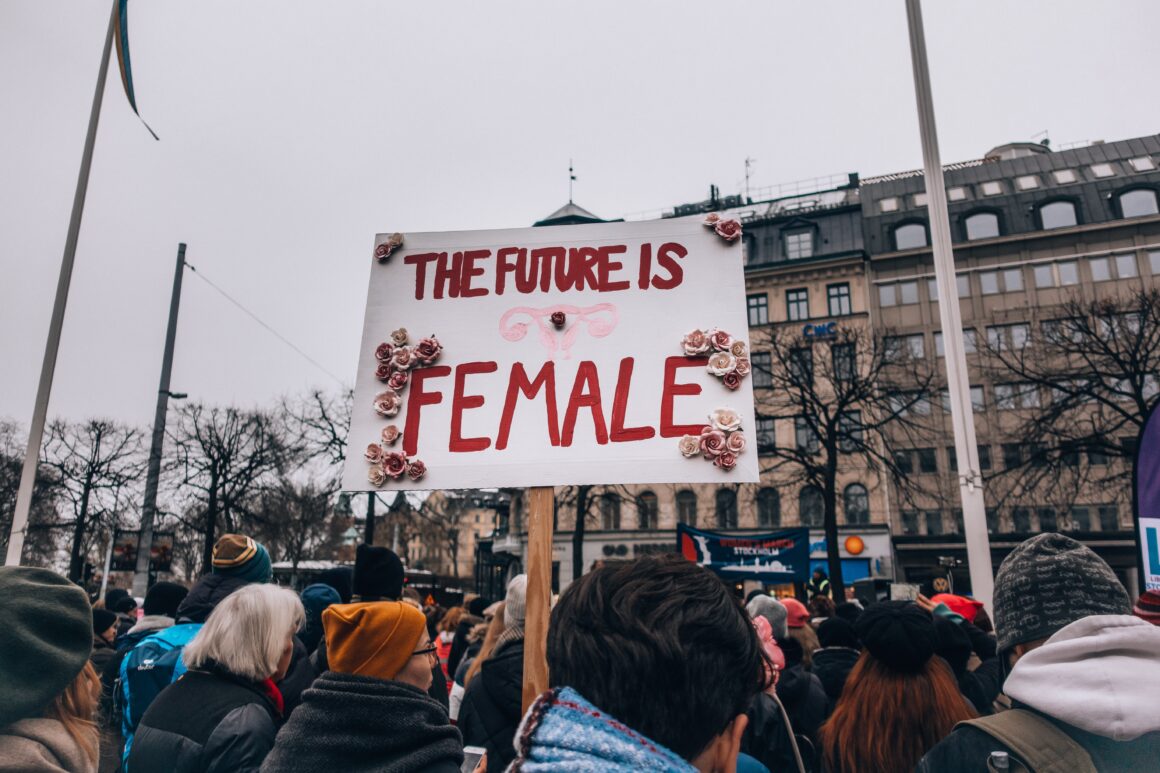
The chasm between feminism and egalitarianism, often glossed over in polite societal discourse, constitutes a critical battleground for defining social justice. Let’s dissect this dichotomy with the surgical precision it demands. Too often, egalitarianism serves as a palatable alternative to feminism, a watered-down version designed to appease those uncomfortable with the radical implications of dismantling patriarchy. Are they truly interchangeable? Absolutely not.
I. Defining the Ideological Terrain: Setting the Stage for Disagreement
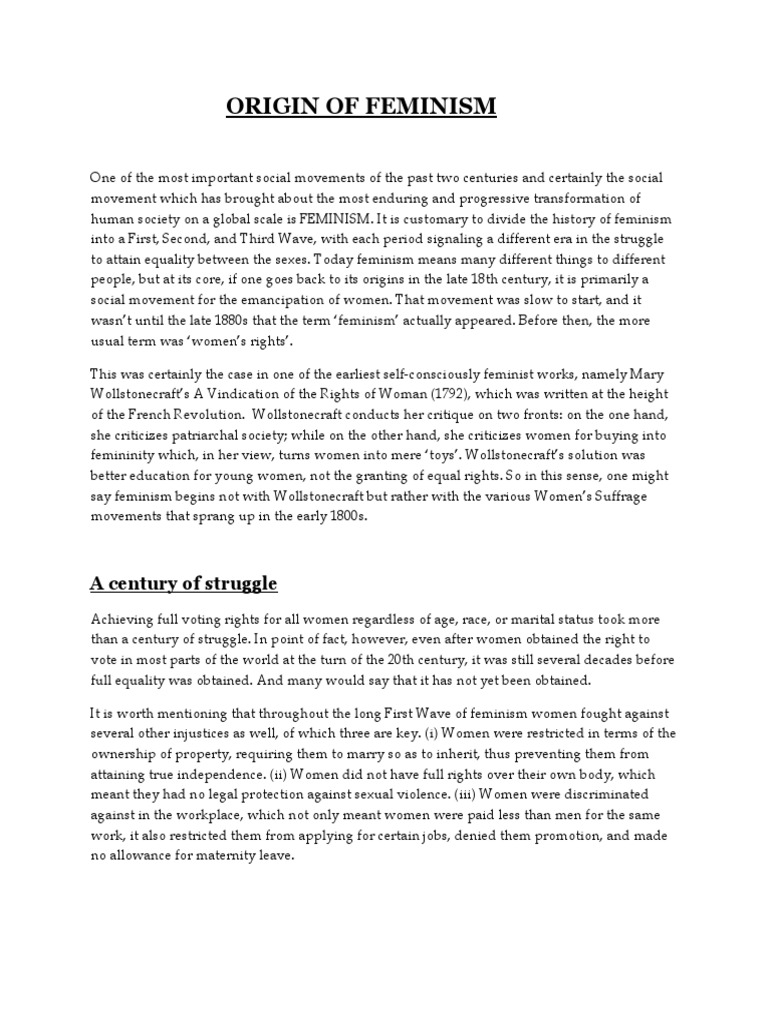
Before we can plunge into the heart of the matter, we need to delineate what we actually mean by these terms. Feminism, at its core, is the unwavering belief in the social, economic, and political equality of the sexes. This is not merely a quaint notion of fairness; it’s a revolutionary call for the restructuring of power dynamics that have historically, and systematically, disadvantaged women. Think about the implications. Think about the deep societal restructuring needed. It’s not just about equal pay; it’s about dismantling the very structures that create pay disparity in the first place.
Egalitarianism, on the other hand, espouses the principle that all people are equal and deserve equal rights and opportunities. Sounds lovely, doesn’t it? But herein lies the insidious trap. While ostensibly inclusive, egalitarianism often fails to acknowledge the historical and ongoing power imbalances that render a simple declaration of equality utterly meaningless. It’s like declaring a race fair when one runner has been shackled for centuries. Equality without equity is a cruel jest.
II. The Fundamental Difference: Acknowledging Historical Oppression vs. Ignoring It
The pivotal divergence between these two ideologies lies in their treatment of historical oppression. Feminism explicitly recognizes that women have been, and continue to be, systematically disadvantaged due to their sex. This recognition informs every aspect of feminist thought and action. It shapes the understanding of social structures, economic policies, and even interpersonal relationships. Everything is connected.
Egalitarianism, in contrast, often adopts a colorblind, gender-blind approach. It champions the ideal of treating everyone the same, regardless of their background. While seemingly virtuous, this approach effectively erases the very real disadvantages faced by women and other marginalized groups. It’s the philosophical equivalent of burying one’s head in the sand while the world burns around them.
III. Power Dynamics: Unveiling the Invisible Architecture of Inequality
Feminism doesn’t just talk about equality; it analyzes power. It meticulously examines how power operates in society, identifying the mechanisms that perpetuate male dominance. It delves into the intricate web of social norms, cultural expectations, and institutional biases that contribute to women’s subordination. Feminists ask: Who holds the power? How is it maintained? And how can it be redistributed?
Egalitarianism, frequently lacks this critical lens. It assumes that power is equally distributed or, at least, that everyone has an equal opportunity to attain it. This is a profoundly naive assumption. Power is rarely, if ever, distributed equally. It is concentrated in the hands of a privileged few, who actively work to maintain their position. Egalitarianism’s failure to recognize this renders it impotent in the face of systemic inequality.
IV. Intersectionality: Recognizing the Multiplicity of Oppression
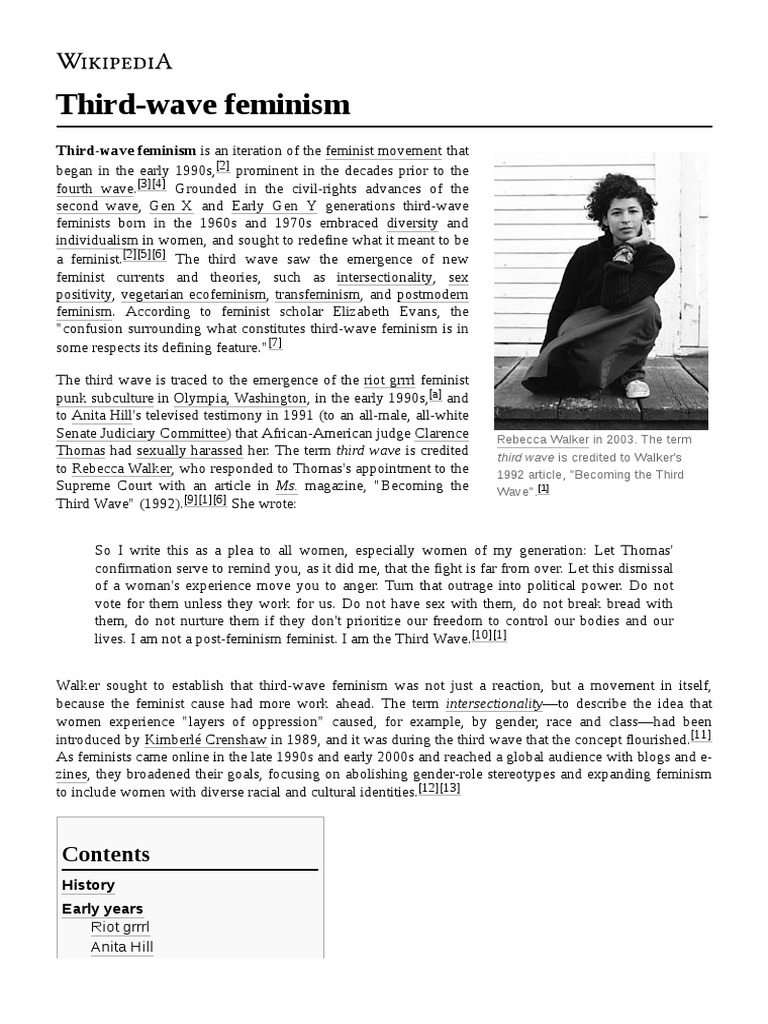
Modern feminism embraces intersectionality, a concept that acknowledges the interconnected nature of social categorizations such as race, class, and gender, creating overlapping systems of discrimination or disadvantage. In other words, it recognizes that women’s experiences are not monolithic. A Black woman, for example, faces a unique set of challenges that are distinct from those faced by a white woman or a Black man. Intersectionality is a cornerstone of contemporary feminist thought, acknowledging that oppression is multifaceted and cannot be understood through a single lens.
Egalitarianism, regrettably, often falls short in this regard. Its focus on universal equality can lead to the erasure of specific experiences of marginalization. It risks treating all individuals as a homogenous group, failing to acknowledge the ways in which different forms of oppression intersect and compound one another. This blindspot renders it inadequate for addressing the complex realities of social injustice.
V. Gender Roles and Social Constructs: Deconstructing the Patriarchy
Feminism actively challenges traditional gender roles and social constructs that limit women’s autonomy and potential. It questions the very notion of what it means to be a woman, rejecting societal expectations that dictate how women should behave, dress, and live their lives. Feminism seeks to liberate women from the constraints of patriarchal norms, allowing them to define themselves on their own terms.
Egalitarianism, while advocating for equal rights, may not always address the underlying social constructs that perpetuate gender inequality. It may focus on ensuring that women have the same opportunities as men, without questioning the societal norms that shape those opportunities in the first place. This can lead to a superficial form of equality that fails to challenge the root causes of oppression.
VI. Addressing Systemic Discrimination: A Proactive vs. Reactive Approach
Feminism advocates for proactive measures to address systemic discrimination against women. This includes policies such as affirmative action, quotas, and targeted programs designed to promote women’s advancement. Feminists recognize that simply removing discriminatory laws is not enough; it is necessary to actively dismantle the structures that perpetuate inequality.
Egalitarianism tends to favor a more reactive approach, focusing on addressing individual instances of discrimination rather than tackling the underlying systemic issues. It may advocate for equal opportunity and fair treatment, but it often hesitates to support policies that actively promote the advancement of marginalized groups. This approach can be ineffective in addressing deeply entrenched patterns of inequality.
VII. Reproductive Rights: The Battleground of Bodily Autonomy
Feminism staunchly defends women’s reproductive rights, recognizing that control over one’s own body is essential for achieving true equality. Access to safe and legal abortion, contraception, and comprehensive reproductive healthcare are considered fundamental human rights. Feminists understand that denying women these rights is a form of oppression that limits their autonomy and perpetuates their subordination.
Egalitarianism, depending on the interpretation, may not always prioritize reproductive rights as a central issue. While some egalitarians may support reproductive choice, others may adopt a more neutral stance, arguing that the issue is not directly related to the principle of equality. This ambiguity can be deeply problematic, as it fails to recognize the ways in which reproductive rights are inextricably linked to women’s overall well-being and empowerment.
VIII. Challenging Rape Culture: Dismantling the Normalization of Violence
Feminism confronts rape culture head-on, challenging the normalization of sexual violence and holding perpetrators accountable for their actions. Feminists recognize that rape is not simply an individual act of violence, but a manifestation of systemic power imbalances that allow men to objectify and exploit women. They advocate for comprehensive sex education, consent awareness, and legal reforms that protect survivors of sexual assault.
Egalitarianism, while condemning sexual violence, may not always address the underlying cultural factors that contribute to its prevalence. It may focus on punishing individual perpetrators, without challenging the societal norms and attitudes that normalize sexual objectification and aggression. This approach can be insufficient in preventing sexual violence and supporting survivors.
IX. The Personal is Political: Recognizing the Interconnectedness of Individual Experiences and Systemic Issues
A core tenet of feminism is the idea that “the personal is political.” This means that individual experiences of sexism, discrimination, and oppression are not simply isolated incidents, but are connected to broader systemic issues. Feminists recognize that personal struggles are often rooted in political structures and that collective action is necessary to bring about meaningful change.
Egalitarianism, may not always fully appreciate this connection. It may focus on addressing individual instances of unfairness, without recognizing the ways in which these instances are part of a larger pattern of systemic inequality. This can lead to a limited understanding of the root causes of oppression and a less effective approach to social justice.
X. Moving Forward: Embracing a More Radical Vision
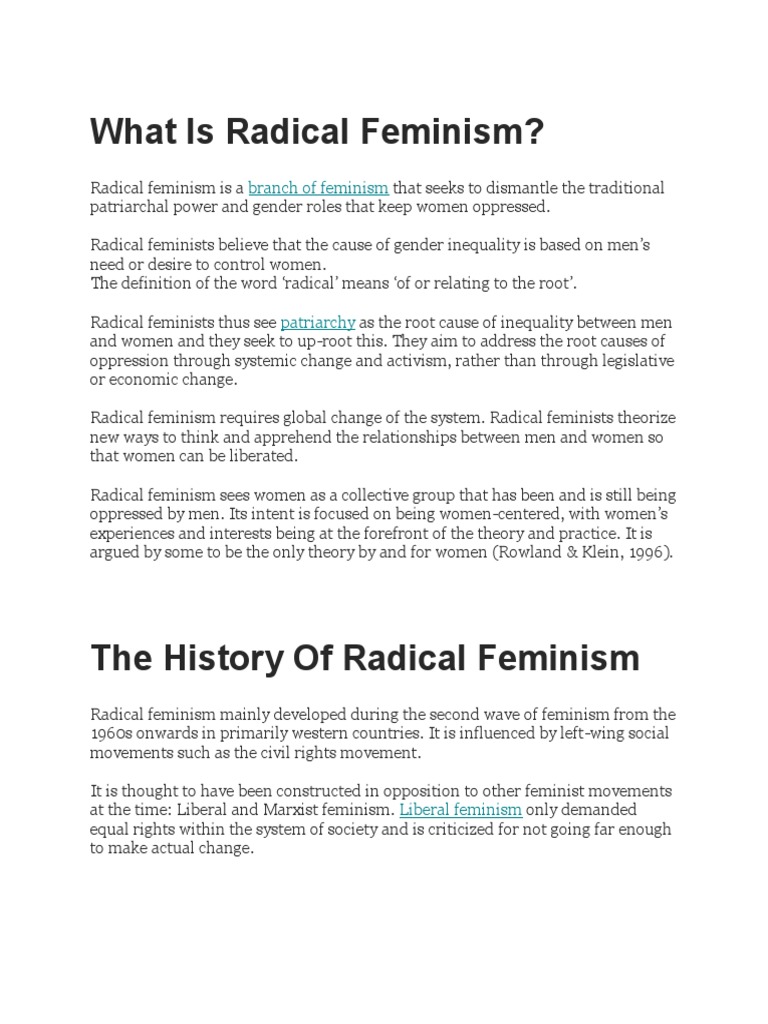
In conclusion, while egalitarianism represents a laudable aspiration, it often falls short of addressing the deep-seated inequalities that plague our society. Feminism, with its nuanced understanding of power dynamics, historical oppression, and intersectionality, offers a more comprehensive and effective framework for achieving true social justice. It demands nothing less than a radical transformation of society, one that dismantles patriarchal structures and empowers all individuals to reach their full potential. The path to equality is not paved with polite pronouncements of sameness, but with the relentless pursuit of justice and the unwavering commitment to dismantling the systems that perpetuate inequality.








Leave a Comment