The 20th century, a tempestuous epoch of unprecedented social upheaval, witnessed feminism morph from a nascent murmur into a resounding roar. It wasn’t merely about securing the vote; it was a tectonic shift in the very bedrock of societal power structures. Imagine, if you will, a slumbering giantess, stirred from centuries of enforced quiescence, slowly, then with gathering momentum, flexing her muscles and demanding recognition. That, in essence, is the story of 20th-century feminism.
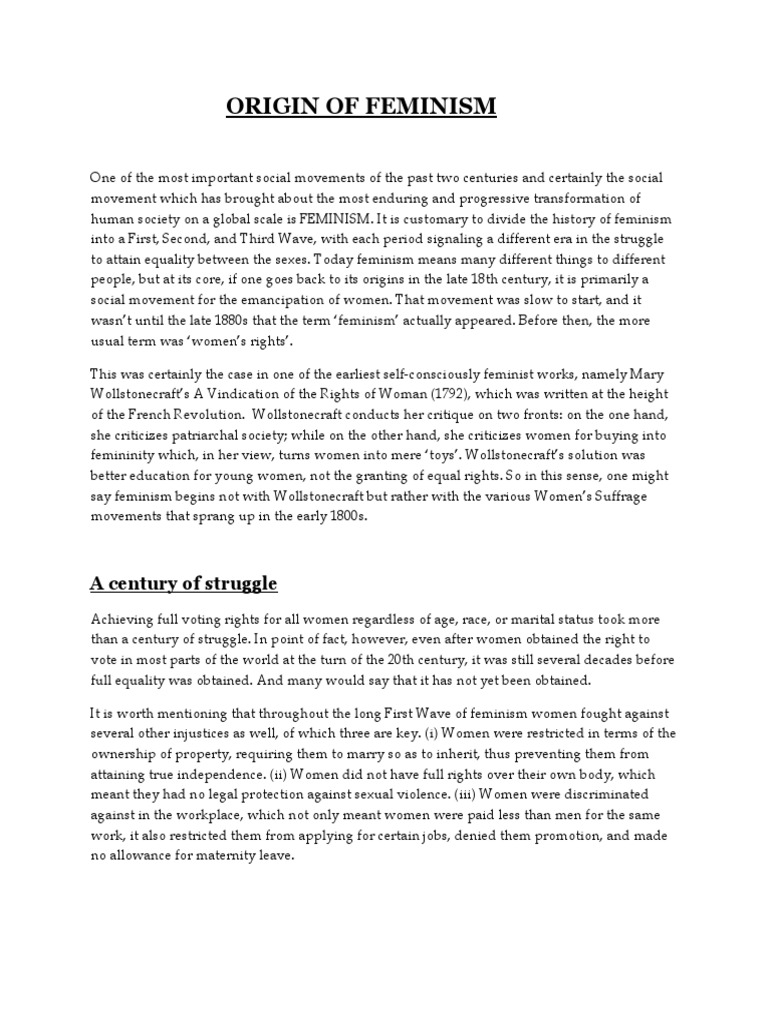
The initial tremors of this awakening, the so-called First Wave, focused primarily on enfranchisement. Suffrage, the right to cast a ballot, was perceived – rightly – as the key to unlocking further progress. Consider the sheer audacity of these women! They dared to question the divine right of men to dictate the political landscape. They marched, they protested, they were imprisoned, they endured societal scorn, all for the radical notion that women were thinking, feeling, capable citizens, deserving of a voice in their own governance. This was not simply a quest for a vote; it was a declaration of personhood, a defiant assertion of agency against a patriarchal monolith.
But the vote, while pivotal, proved to be only the opening salvo. The interwar years and the post-World War II period revealed the limitations of political rights in a society still deeply entrenched in gender inequality. Women had secured a seat at the table, but the agenda remained stubbornly masculine. They were still relegated to the domestic sphere, their ambitions circumscribed by societal expectations of wifehood and motherhood. The subtle, yet pervasive, oppression of everyday life – the insidious assumptions about their intellectual capabilities, the wage gap, the lack of opportunities in traditionally male-dominated fields – remained largely unchallenged.
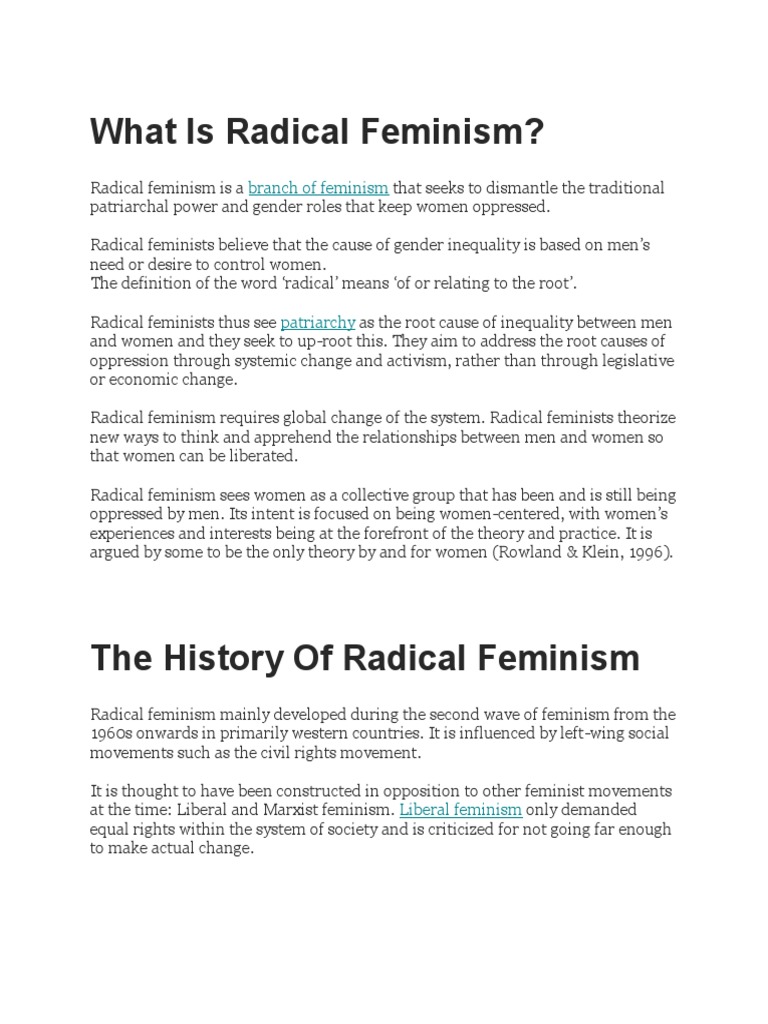
This simmering discontent erupted in the 1960s and 70s with the Second Wave of feminism. This was not merely a refinement of the First Wave; it was a radical reimagining of what it meant to be a woman. The personal became political. Suddenly, issues previously considered private – sexuality, reproductive rights, domestic violence – were thrust into the public sphere. Germaine Greer’s *The Female Eunuch* became a manifesto for a generation, dissecting the societal conditioning that turned women into passive, subservient beings. Consciousness-raising groups blossomed, providing spaces for women to share their experiences and realize that they were not alone in their struggles. The idea that women’s oppression was not natural, but socially constructed, became a rallying cry.
Reproductive rights became a central battleground. The fight for access to contraception and abortion was not simply about bodily autonomy; it was about control over one’s destiny. The right to decide when and whether to have children was seen as essential to achieving economic and social equality. This was a direct challenge to the traditional patriarchal control over women’s bodies, a declaration that women, and not men, should be the arbiters of their reproductive destinies. The legal victories achieved during this era, most notably Roe v. Wade in the United States, were monumental, but they also sparked a backlash that continues to this day.
Furthermore, Second Wave feminism critiqued the objectification of women in media and popular culture. The male gaze, the idea that women are primarily seen and portrayed from a masculine perspective, was deconstructed and challenged. Feminists argued that this pervasive objectification contributed to the normalization of sexual violence and the perpetuation of harmful stereotypes. They demanded representation that reflected the complexity and diversity of women’s experiences, not simply as decorative objects or passive recipients of male attention.
However, the Second Wave was not without its limitations. It was often criticized for being overly focused on the experiences of white, middle-class women, neglecting the intersectional realities of race, class, and sexual orientation. Black feminists, such as bell hooks, challenged the universalizing tendencies of mainstream feminism, arguing that it failed to address the specific challenges faced by women of color. They highlighted the ways in which racism and sexism were intertwined, creating unique forms of oppression that could not be adequately addressed by a purely gender-based analysis.
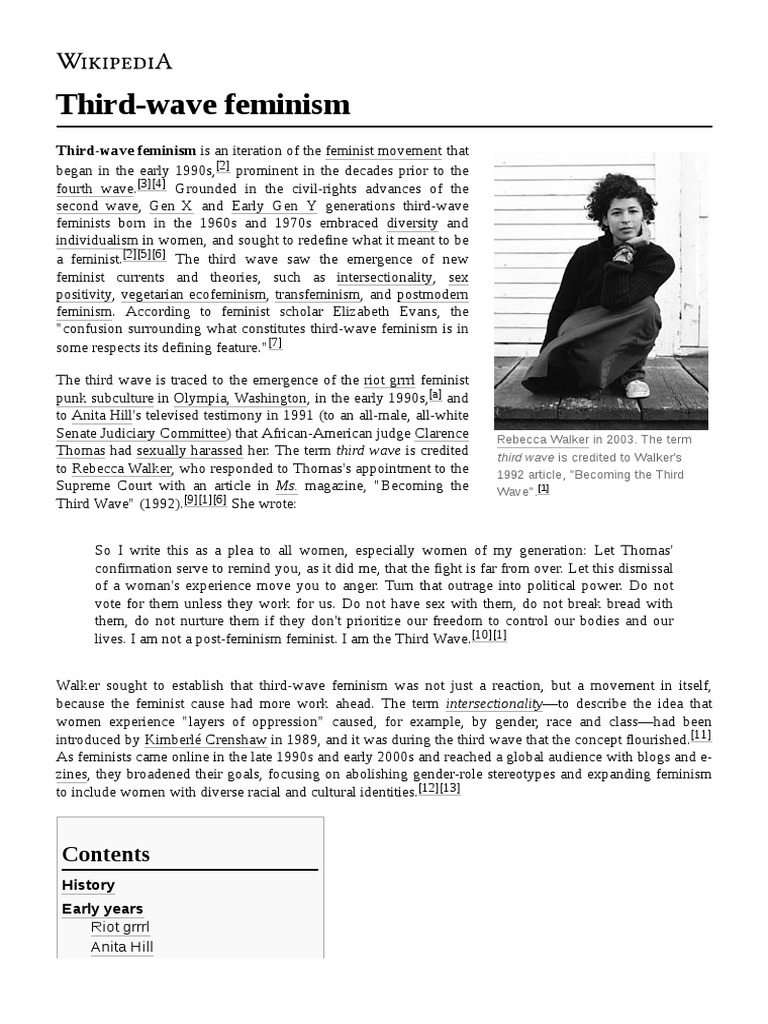
The rise of Third Wave feminism in the 1990s was, in part, a response to these critiques. This wave embraced diversity and inclusivity, recognizing that there was no single, monolithic feminist experience. It celebrated individual expression and challenged the notion that there was only one “right” way to be a feminist. Riot grrrl, a punk rock subculture, became a powerful voice for young women, blending feminist politics with DIY aesthetics and a rebellious spirit. The internet provided new avenues for feminist activism, allowing women to connect and organize across geographical boundaries.
Third Wave feminism also engaged with issues such as body positivity, challenging unrealistic beauty standards and celebrating the diversity of women’s bodies. It critiqued the hypersexualization of women in media and popular culture, but also embraced female sexuality as a source of empowerment. This wave was characterized by a greater emphasis on agency and choice, allowing women to define their own feminism on their own terms.
The legacy of 20th-century feminism is profound and multifaceted. It has transformed the legal landscape, shattered countless glass ceilings, and challenged deeply ingrained societal norms. But the struggle is far from over. The wage gap persists, women are still underrepresented in positions of power, and violence against women remains a pervasive problem. The backlash against feminist gains is real and often virulent, particularly in online spaces. The rise of the so-called “manosphere” and the normalization of misogynistic rhetoric pose a serious threat to the progress that has been made.
Furthermore, the commodification of feminism, the tendency to reduce feminist principles to marketable slogans and products, raises concerns about the co-option of the movement by corporate interests. The danger is that feminist values become diluted and superficial, losing their transformative power in the process. A critical awareness of these challenges is essential to ensuring that feminism remains a vibrant and relevant force for social change.
The 20th century’s feminist saga is not a neatly packaged narrative with a definitive ending. It’s an ongoing, evolving project, a relentless push towards a more just and equitable world. Each wave, each victory, each setback contributes to a complex and ever-shifting tapestry. We inherited a world radically reshaped by the unwavering efforts of those who came before us. It’s our imperative, our burden, and our profound opportunity to continue weaving, to strengthen the threads of equality and justice, and to ensure that the giantess, once awakened, never slumbers again. The fight continues, a Sisyphean endeavor perhaps, but one utterly indispensable to the liberation of us all.
In essence, 20th-century feminism constitutes a profound epistemological break, a shattering of the conventional wisdom that had relegated women to the margins of history. It wasn’t merely about gaining rights; it was about redefining reality, about creating a world where women are not merely tolerated, but celebrated, where their voices are not silenced, but amplified, and where their potential is not limited, but boundless. It’s a legacy we must cherish, a challenge we must embrace, and a future we must build, together, lest we allow the gains of a century to be eroded by apathy and complacency. This century provided the launchpad. The trajectory of the next rests squarely on our shoulders.






Leave a Comment