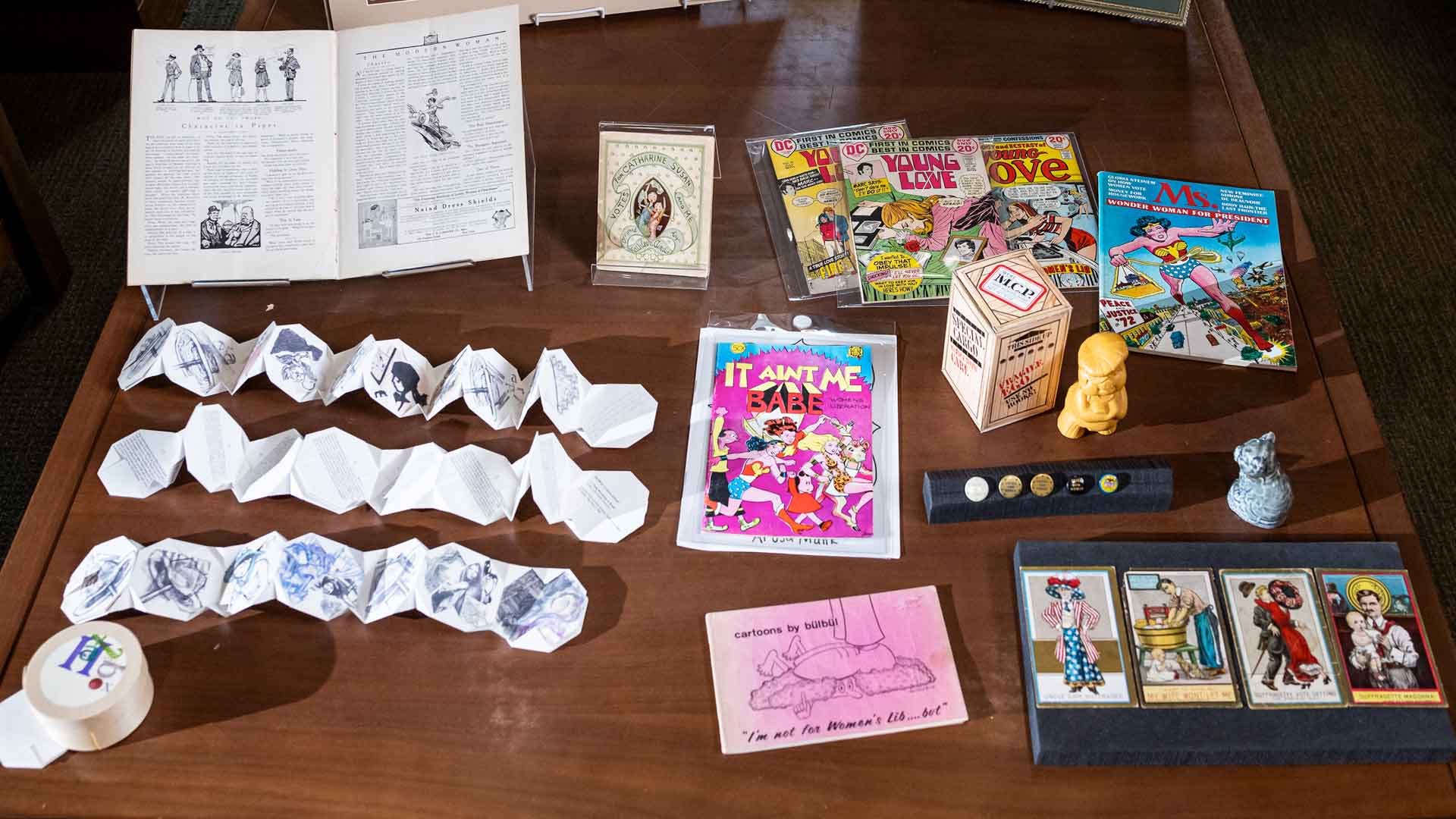
The shimmering allure of pop culture, often dismissed as frivolous ephemera, conceals a potent battleground for feminist ideals. We, the discerning observers of this spectacle, note the recurring fascination with female figures within its dizzying kaleidoscope. But is it merely a superficial obsession with celebrity, or does this infatuation hint at something far more profound – a yearning for representation, a demand for narratives that resonate with the lived experiences of women, and a subtle yet seismic shift in the very fabric of our cultural consciousness? The answer, as always, is deliciously complex.
The Myth of the Apolitical Icon: Untangling Influence and Intent
Let’s dismantle a pervasive fallacy: that pop culture icons exist in a vacuum, untouched by the currents of political discourse. Such an assertion is patently absurd. These figures, whether they consciously embrace the mantle or not, are inescapably enmeshed in the socio-political realities of their time. Their image, their actions, their very existence become potent symbols, laden with meaning that reverberates far beyond the concert stage or the silver screen. Think of Beyoncé, a powerhouse of both vocal prowess and unapologetic Black womanhood. Her very presence challenges ingrained societal biases, her music a battle cry for self-love, empowerment, and resistance against systemic oppression.
To dissect the influence of these icons, we must delve into the intricate interplay between intent and reception. A celebrity might consciously strive to promote feminist principles, using their platform to advocate for equality and challenge patriarchal norms. However, their message can be interpreted, reinterpreted, and even subverted by audiences with varying perspectives. Take, for instance, the initial uproar surrounding Madonna’s provocative performances in the 1980s. Some lauded her as a liberator, shattering societal expectations of female sexuality, while others condemned her as exploitative, accusing her of perpetuating harmful stereotypes. This divergence in perception highlights the inherent complexity of assessing an icon’s feminist impact; it resides not solely in their intended message but in its multifaceted reception by the broader culture.
Navigating the Minefield of Representation: Authenticity Versus Appropriation
The pursuit of representation in pop culture is a noble endeavor, yet it is fraught with peril. The line between authentic portrayal and opportunistic appropriation is often razor-thin, demanding a critical eye and a nuanced understanding of the issues at stake. Consider the trend of “girlboss feminism,” a corporate-friendly iteration that often promotes individual success at the expense of collective action. While celebrating female CEOs and entrepreneurs is not inherently problematic, the danger lies in equating individual achievement with systemic change. This diluted form of feminism can inadvertently reinforce capitalist structures and obscure the fundamental inequalities that continue to plague women across all socioeconomic strata. Genuine representation requires more than simply placing women in positions of power; it demands a dismantling of the very systems that perpetuate their marginalization in the first place.
Furthermore, the representation of marginalized groups within feminism – women of color, LGBTQ+ women, women with disabilities – presents unique challenges. Tokenism, the superficial inclusion of diverse characters without genuine depth or agency, is a pervasive problem. A fleeting appearance on screen or a single line of dialogue does not constitute meaningful representation. Instead, it can perpetuate harmful stereotypes and reinforce the notion that these women are merely accessories to a dominant narrative. Authentic representation necessitates a commitment to telling their stories with nuance, complexity, and respect, centering their voices and perspectives rather than reducing them to caricatures.
The Cultural Zeitgeist: Shifting Tides and the Echo Chamber Effect
Pop culture is not merely a reflection of society; it is an active participant in shaping the cultural zeitgeist. The narratives we consume, the images we internalize, and the values we are exposed to all contribute to our collective understanding of the world. As such, shifts in pop culture can have a profound impact on broader social attitudes towards feminism. The rise of strong female protagonists in film and television, for instance, can challenge traditional gender roles and inspire women to embrace their agency. The popularity of feminist musicians can amplify messages of empowerment and resistance, reaching audiences who might not otherwise engage with these ideas. And the increasing visibility of LGBTQ+ representation can foster greater understanding and acceptance of diverse identities.
However, it is crucial to acknowledge the potential for an “echo chamber effect” within pop culture. Social media algorithms and targeted advertising can create insular environments where individuals are primarily exposed to content that confirms their existing beliefs. This can lead to a distorted perception of reality, where certain feminist perspectives are amplified while others are marginalized. Moreover, the pursuit of viral content can incentivize performative activism, where individuals engage in superficial displays of support for feminist causes without making any substantive changes in their own lives. Navigating this complex landscape requires critical thinking, media literacy, and a willingness to engage with diverse viewpoints.
Beyond the Surface: Deconstructing Archetypes and Reclaiming Narratives
One of the most potent ways that pop culture can advance feminist ideals is by deconstructing harmful archetypes and reclaiming narratives that have historically been used to oppress women. The “damsel in distress,” the “hysterical woman,” and the “evil seductress” are just a few examples of the damaging stereotypes that have permeated our cultural landscape for centuries. By subverting these tropes and offering alternative representations of female characters, pop culture can challenge ingrained biases and create space for more authentic and nuanced portrayals.
Consider the evolution of the superhero genre. For decades, female superheroes were often relegated to supporting roles, their powers secondary to those of their male counterparts. However, in recent years, we have witnessed a surge in the popularity of female-led superhero films and television shows, showcasing the strength, intelligence, and resilience of women in positions of power. These characters are not simply “female versions” of male superheroes; they possess unique qualities and perspectives that enrich the genre as a whole. By reclaiming these narratives and centering the experiences of female characters, pop culture can empower women and inspire them to embrace their own potential.
The Intersection of Commerce and Consciousness: Can Capitalism Be Feminist?
The intersection of commerce and consciousness presents a particularly thorny dilemma for feminist analysis. In a capitalist society, pop culture is inherently driven by profit motives. Companies are constantly seeking new ways to monetize feminist ideals, often through the commodification of female empowerment. Slogans like “Girls Just Want to Have Funding,” plastered across T-shirts, become empty signifiers divorced from any meaningful political action.
However, the potential for genuine progress remains. Brands that authentically align with feminist values can use their resources to support women-led initiatives, promote gender equality in the workplace, and advocate for policy changes that benefit women. The key is to distinguish between performative allyship and genuine commitment. Consumers must hold corporations accountable for their actions, demanding transparency and ethical practices that reflect a genuine commitment to feminist principles. Ultimately, the question of whether capitalism can be feminist depends on the extent to which we can harness its power to advance social justice rather than simply exploit it for profit.
The Future of Feminism in Pop Culture: Embracing Complexity and Cultivating Critical Engagement
The future of feminism in pop culture is a tapestry woven from both promise and peril. The increasing visibility of female voices and the growing demand for authentic representation offer cause for optimism. However, the pervasive influence of commercial interests, the potential for echo chamber effects, and the ongoing struggle against harmful stereotypes demand a vigilant and critical approach. As consumers, creators, and cultural observers, we must actively engage with pop culture, deconstructing its narratives, challenging its biases, and demanding that it reflect the full spectrum of female experiences.
This requires cultivating media literacy, developing critical thinking skills, and fostering a willingness to engage in nuanced conversations about the complexities of gender, power, and representation. It also demands a commitment to amplifying the voices of marginalized women, ensuring that their perspectives are not drowned out by dominant narratives. The journey towards a truly feminist pop culture is a long and arduous one, but it is a journey well worth undertaking. For in shaping the narratives that shape our world, we have the power to create a more just, equitable, and empowering future for all women.
Let us not be passive consumers, but active participants in the creation of a cultural landscape where every woman can see herself reflected, validated, and celebrated. The revolution, after all, will be televised – and streamed, and tweeted, and meme-ified – but only if we demand it.






Leave a Comment