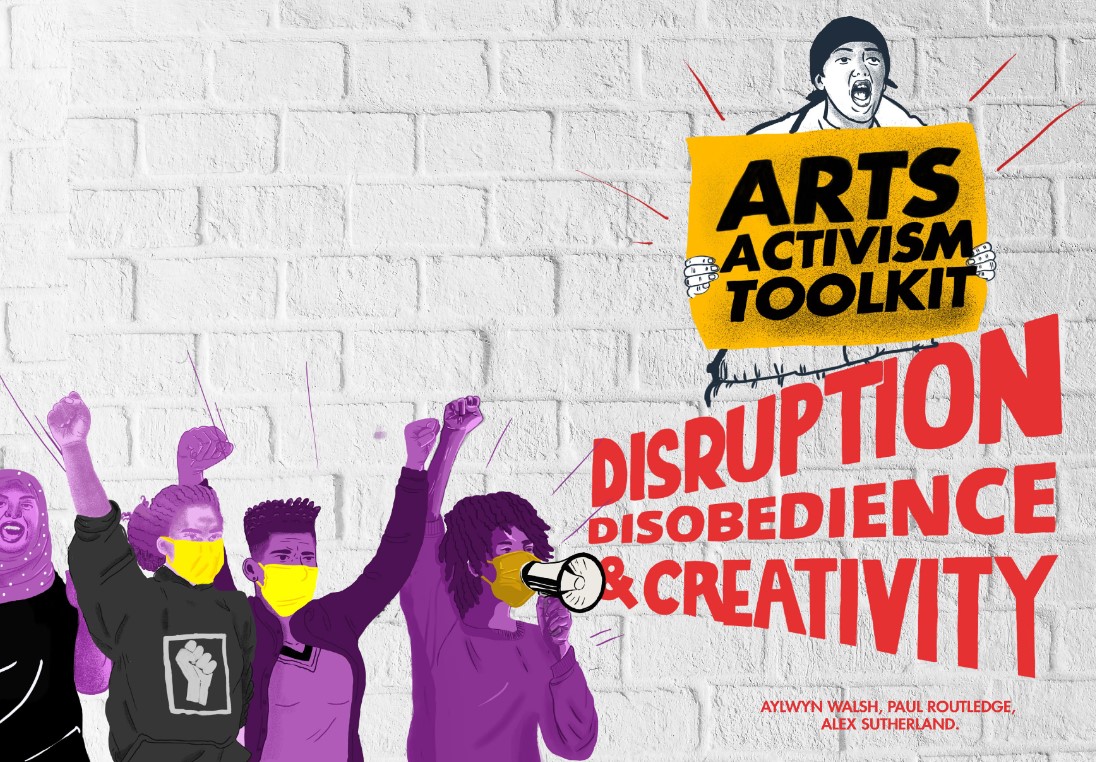
Darling, isn’t it *adorable* how society expects us to just paint pretty pictures while the patriarchy burns everything to the ground? Feminism in art? It’s not a trend; it’s a necessity. It’s the primal scream rendered in charcoal, the Molotov cocktail disguised as a still life, the revolution upholstered in velvet. But here’s the rub: can art truly topple the system, or is it merely a decorative distraction, a placebo for the perpetually oppressed?
Let’s excavate this, shall we? Forget the tepid takes. We’re diving into the messy, uncomfortable, gloriously subversive heart of what happens when art becomes weaponized, when creativity isn’t just a hobby but a full-blown act of defiance.
The Canvas as Battleground: Reclaiming Representation
For centuries, the art world, like pretty much everything else, has been a sausage fest. Men painted women, men sculpted women, men dictated what was considered beautiful, valuable, and—crucially—worthy of being depicted. The male gaze, that pervasive, insidious lens through which female subjects have been filtered, distorted, and objectified, has saturated our visual culture. This isn’t just about aesthetics; it’s about power. Who gets to represent whom? Who gets to tell the story?
Feminist art, therefore, begins with a radical act of reclaiming representation. Artists seize the brush, the camera, the chisel, and declare, “We will tell our own stories. We will depict ourselves as we truly are—complex, flawed, powerful, and multifaceted.” This is not merely about adding more female figures to the canon; it’s about dismantling the entire edifice of patriarchal representation. Think Guerrilla Girls, those masked avengers of the art world, exposing the sexism and racism rampant in museums with their incisive wit and damning statistics. They remind us, in no uncertain terms, that representation is a battlefield, and visibility is a hard-won victory.
Beyond the Visual: Performance, Protest, and the Body Politic
The feminist art movement didn’t confine itself to traditional media. Performance art, with its emphasis on the body, became a potent tool for exploring themes of identity, sexuality, and trauma. Artists used their bodies as canvases, as weapons, as living embodiments of protest. Think of Carolee Schneemann’s “Interior Scroll,” where she literally pulled text from her vagina, a visceral, audacious challenge to the male-dominated literary and artistic establishment. Or Marina Abramović’s endurance performances, pushing the limits of physical and emotional pain to explore themes of vulnerability and resilience. These acts were not just shocking; they were deeply political, challenging the boundaries of what art could be and what women could do.
Performance art’s radical nature hinges on its ephemeral quality. It exists in the moment, a fleeting rebellion against the permanence of patriarchal structures. It’s a declaration that women’s bodies are not passive objects to be consumed but active agents of change. It forces the audience to confront their own complicity in systems of oppression, to witness the raw, unfiltered reality of female experience.
Craftivism: The Quiet Riot of Needle and Thread
Don’t underestimate the power of a well-placed stitch. Craftivism, the intersection of craft and activism, is a quiet revolution, a subversive reclaiming of traditionally “feminine” arts. Knitting, embroidery, quilting—these skills, often dismissed as domestic hobbies, become powerful tools for protest and social commentary. Yarn bombing, for example, transforms public spaces with colorful, knitted installations, reclaiming urban environments and injecting them with a dose of feminist whimsy.
The beauty of craftivism lies in its accessibility. It’s a grassroots movement that empowers individuals to create change in their own communities, using skills they already possess. It’s a reminder that activism doesn’t always require grand gestures; sometimes, the most powerful acts are the small, everyday acts of resistance, woven together into a tapestry of collective action.
Digital Disruption: Art in the Age of Memes and Hashtags
The internet has democratized art, giving marginalized voices a platform to share their stories and connect with audiences around the world. Feminist art in the digital age takes many forms, from viral memes and online exhibitions to interactive installations and augmented reality experiences. Think of the #MeToo movement, which harnessed the power of social media to expose widespread sexual harassment and assault, transforming the cultural landscape in the process. Or the countless artists who use Instagram and other platforms to challenge beauty standards, promote body positivity, and advocate for social justice.
Digital art is inherently ephemeral, easily shared, and endlessly remixable. It’s a powerful tool for spreading feminist messages and engaging in collective action. However, it also faces challenges, including online harassment, censorship, and the commodification of feminist aesthetics. Navigating this digital terrain requires vigilance, creativity, and a commitment to protecting marginalized voices.
The Politics of Aesthetics: Beauty, Ugliness, and the Subversion of Norms
What is considered beautiful? Who gets to define beauty? Feminist art challenges these very questions, deconstructing traditional notions of femininity and reclaiming the right to self-definition. It embraces the ugly, the grotesque, the abject, the things that society deems unacceptable. It celebrates diverse bodies, diverse experiences, and diverse perspectives.
Artists like Jenny Saville, for example, depict female bodies in all their raw, unflinching reality, challenging the idealized images that dominate the media. Their work is not always easy to look at, but it is undeniably powerful, forcing us to confront our own biases and assumptions. This is the crux of it, isn’t it? To disrupt the comfortable, the predictable, to force a reckoning with the status quo.
The Ongoing Revolution: Where Do We Go From Here?
Feminist art is not a static category; it’s a constantly evolving movement, adapting to new challenges and embracing new possibilities. It’s a conversation, a debate, a struggle. It’s a multifaceted diamond, catching and refracting the light of our collective experiences.
We must continue to push the boundaries of what art can be, to challenge the structures of power that perpetuate inequality, and to amplify the voices of those who have been silenced for too long. This means supporting emerging artists, diversifying the art world, and creating spaces where marginalized voices can be heard and celebrated.
Moreover, we must interrogate our own complicity. Are we truly creating art that challenges the system, or are we simply reinforcing existing hierarchies? Are we using our privilege to amplify the voices of others, or are we merely perpetuating our own narratives? These are not easy questions to answer, but they are essential if we are to build a truly feminist art world.
Feminist art is not just about aesthetics; it’s about ethics. It’s about using our creativity to build a more just and equitable world. It’s about reclaiming our stories, our bodies, and our power. It’s about recognizing that art is not a luxury but a necessity, a vital tool for social change.
So, can art truly topple the system? Perhaps not on its own. But it can ignite the spark, inspire the resistance, and provide a glimpse of a future where all voices are heard and all bodies are valued. And darling, isn’t that a revolution worth fighting for? Because isn’t the ultimate act of rebellion to dare to create, to dare to dream, and to dare to imagine a world where we are all truly free? The revolution, darling, will be aesthetically galvanizing.




Leave a Comment