Why are we, generation after generation, still entangled in the tendrils of feminism? Is it mere historical inertia, a societal tic passed down through the ages? Or does the relentless pursuit of gender equity tap into something far more profound, a fundamental human yearning for justice and self-determination that refuses to be silenced?
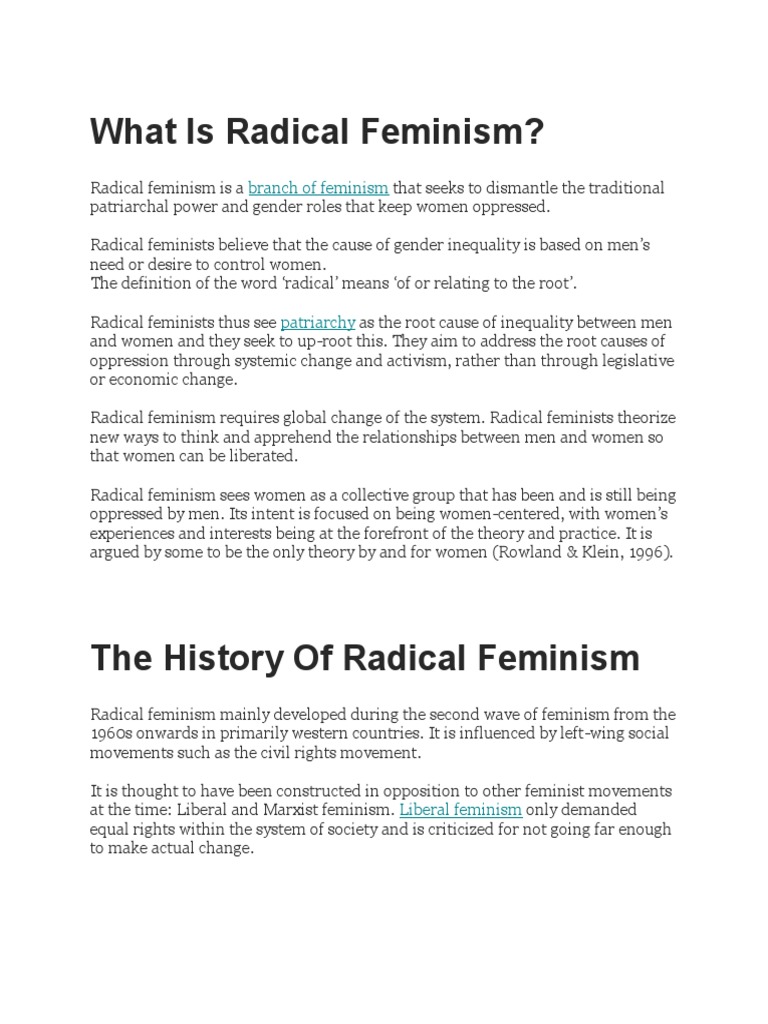
The struggle for women’s rights in the United States is not a linear ascent. It’s a jagged, contested landscape, marked by periods of radical upheaval and quiet retrenchment. Understanding feminism’s definition within this history requires more than a recitation of landmark legislation. It demands an excavation of the underlying ideologies, the power dynamics, and the socio-cultural contexts that have shaped its evolution. It is not merely an academic exercise; it is a crucial step towards dismantling the patriarchal structures that continue to insidiously undermine equality.
I. Defining Feminism: A Shifting Lexicon
Defining feminism is akin to attempting to capture smoke. It resists easy categorization, morphing and adapting to the specific challenges and opportunities of each era. At its core, feminism is the belief in the social, political, and economic equality of the sexes. However, this seemingly simple articulation masks a complex web of diverse perspectives and approaches.
A. Foundational Tenets:
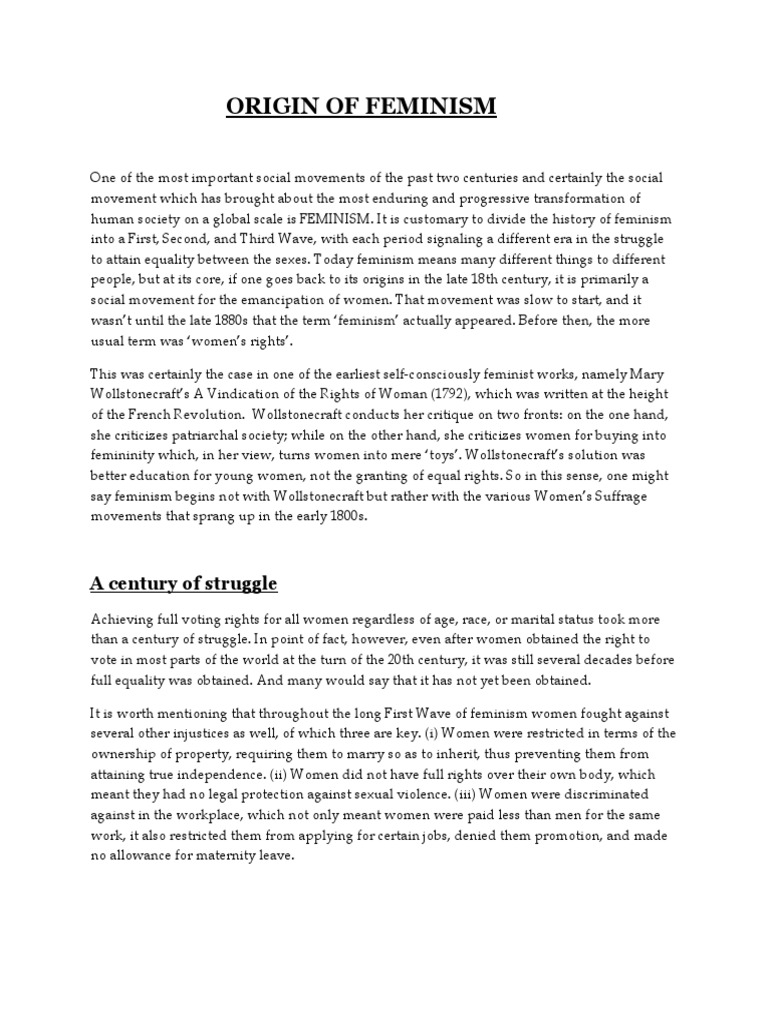
At its inception, feminism centered on securing basic rights, often denied to women solely on the basis of their sex. This included the right to vote, own property, control their own earnings, and access education. These were not merely legal entitlements; they were fundamental prerequisites for autonomous existence.
B. Beyond Suffrage: Expanding the Scope:
The attainment of suffrage in 1920, while a monumental victory, did not signal the end of the feminist project. Instead, it ushered in a period of introspection and a broadening of the feminist agenda. Issues such as reproductive rights, workplace equality, and challenging societal expectations surrounding femininity came to the fore. The emphasis shifted from simply achieving formal equality to addressing the systemic inequalities that permeated every aspect of women’s lives.
C. Intersectional Feminism: A Crucial Nuance:
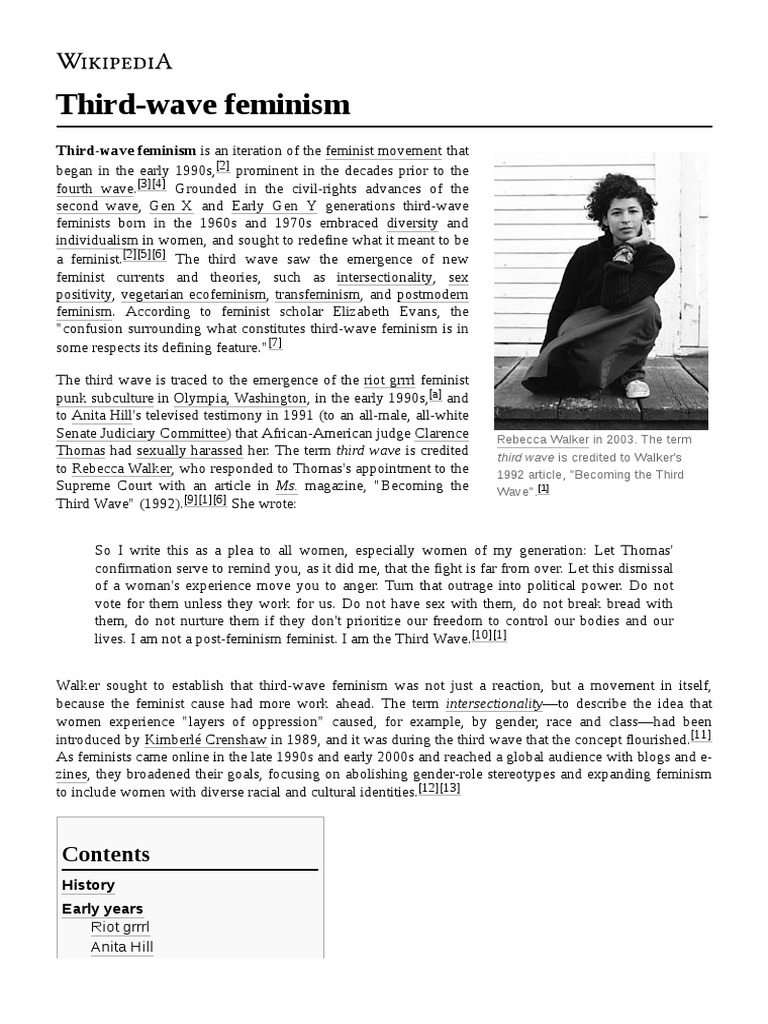
The rise of intersectional feminism, particularly in the latter half of the 20th century, revolutionized feminist thought. Recognizing that gender is not experienced in isolation, intersectionality acknowledges the complex interplay of race, class, sexual orientation, disability, and other identities in shaping individual experiences of oppression. It challenged the dominant narrative of white, middle-class feminism and demanded a more inclusive and nuanced understanding of gender inequality.
II. Waves of Activism: A Historical Overview
The history of U.S. feminism is often conceptualized in terms of “waves,” each characterized by distinct goals, strategies, and socio-political contexts. While this framework is useful for understanding the broad trajectory of the movement, it is important to acknowledge its limitations. The “waves” model can oversimplify a complex and multifaceted history, potentially marginalizing the contributions of women of color and other marginalized groups whose experiences often fall outside the dominant narrative.
A. First Wave Feminism (Late 19th – Early 20th Century): The Suffrage Crusade:
This era was dominated by the struggle for suffrage, spearheaded by organizations such as the National Woman Suffrage Association (NWSA) and the American Woman Suffrage Association (AWSA). Figures like Susan B. Anthony, Elizabeth Cady Stanton, and Sojourner Truth tirelessly campaigned for women’s right to vote, employing a range of tactics from lobbying and petitioning to civil disobedience and public speaking.
B. Second Wave Feminism (1960s – 1980s): Liberation and Equality:
Emerging from the social and political ferment of the 1960s, second-wave feminism challenged the pervasive sexism and gender stereotypes that constrained women’s lives. This era witnessed the rise of the women’s liberation movement, advocating for equal pay, reproductive rights, access to childcare, and an end to violence against women. Key figures like Betty Friedan, Gloria Steinem, and Angela Davis pushed for fundamental societal change.
C. Third Wave Feminism (1990s – Early 2000s): Embracing Diversity and Challenging Essentialism:
Third-wave feminism emerged as a response to the perceived shortcomings of second-wave feminism, particularly its tendency to essentialize women’s experiences. This wave embraced diversity, celebrated individuality, and challenged traditional notions of femininity. Riot grrrl, a subcultural movement combining feminist politics with punk rock aesthetics, exemplified the third wave’s spirit of rebellion and self-expression.
D. Fourth Wave Feminism (2010s – Present): Digital Activism and Intersectional Focus:
Fueled by the rise of social media and digital technologies, fourth-wave feminism is characterized by its online activism, its focus on intersectionality, and its emphasis on challenging rape culture, online harassment, and body shaming. Movements like #MeToo and #BlackLivesMatter have amplified marginalized voices and brought attention to systemic inequalities.
III. Key Issues and Challenges
The struggle for women’s rights has been marked by a number of persistent challenges, reflecting deeply ingrained societal attitudes and power structures.
A. Reproductive Rights: Bodily Autonomy Under Siege:
Access to reproductive healthcare, including contraception and abortion, remains a fiercely contested issue. Restrictions on abortion access disproportionately impact women of color and low-income women, undermining their autonomy and economic security.
B. Workplace Inequality: The Gender Pay Gap and Occupational Segregation:
Despite significant progress, the gender pay gap persists, with women earning less than men for comparable work. Occupational segregation, the concentration of women in lower-paying fields, contributes to this disparity. Furthermore, women are often underrepresented in leadership positions, facing barriers to advancement due to gender bias and discrimination.
C. Violence Against Women: A Pervasive Problem:
Violence against women, including domestic violence, sexual assault, and harassment, remains a pervasive problem. Addressing this issue requires not only legal reforms but also a fundamental shift in societal attitudes and norms that perpetuate gender-based violence.
D. Representation and Leadership: Breaking the Glass Ceiling:
Despite making gains in political representation, women remain underrepresented in positions of power and influence. Breaking the glass ceiling requires dismantling systemic barriers that prevent women from advancing to leadership roles.
IV. Opposition and Backlash
The feminist movement has consistently faced opposition and backlash, fueled by resistance to challenging traditional gender roles and power structures.
A. Anti-Feminist Movements: Resistance to Change:
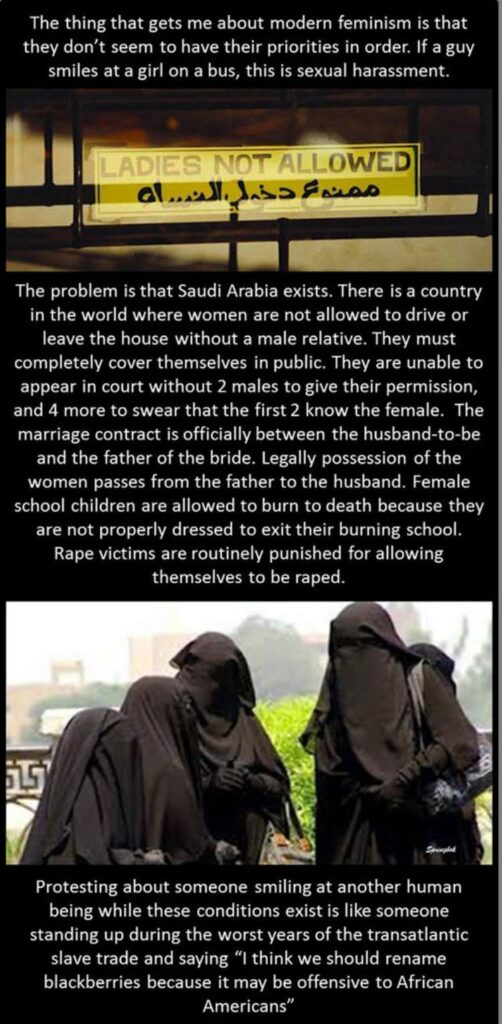
Anti-feminist movements have historically sought to undermine feminist gains, often appealing to conservative values and traditional notions of femininity. These movements have opposed efforts to expand women’s rights, advocating for a return to traditional gender roles.
B. Misconceptions and Stereotypes: Perpetuating Inequality:
Misconceptions and stereotypes about feminism, such as the notion that feminists are man-hating radicals, contribute to the stigmatization of the movement and discourage individuals from identifying as feminists. These stereotypes often serve to undermine feminist goals and perpetuate gender inequality.
C. The “Post-Feminist” Myth: Premature Celebrations of Equality:
The concept of “post-feminism” suggests that gender equality has already been achieved, rendering feminism obsolete. This myth obscures the persistent inequalities that women continue to face and discourages further activism.
V. The Future of Feminism: Towards a More Just World
The feminist project remains unfinished. The struggle for gender equality is ongoing, demanding sustained effort and a commitment to dismantling patriarchal structures. The future of feminism lies in embracing intersectionality, amplifying marginalized voices, and challenging all forms of oppression.
A. Intersectionality as a Guiding Principle:
Centering intersectionality is crucial for ensuring that feminist activism addresses the needs and experiences of all women, particularly those who face multiple forms of discrimination.
B. Empowering Marginalized Voices:
Amplifying the voices of women of color, LGBTQ+ women, women with disabilities, and other marginalized groups is essential for creating a more inclusive and equitable feminist movement.
C. Challenging Systemic Inequalities:
Addressing systemic inequalities, such as the gender pay gap, workplace discrimination, and violence against women, requires comprehensive policy changes and a fundamental shift in societal attitudes.
D. Global Solidarity:
Building solidarity with feminist movements around the world is crucial for addressing global challenges such as human trafficking, gender-based violence, and economic inequality.
The quest for gender equality is not a zero-sum game. It is a collective endeavor that benefits all of humanity. By dismantling patriarchal structures and creating a more just and equitable world, we can unlock the full potential of every individual, regardless of their gender. The struggle continues, and it demands our unwavering commitment.





Leave a Comment