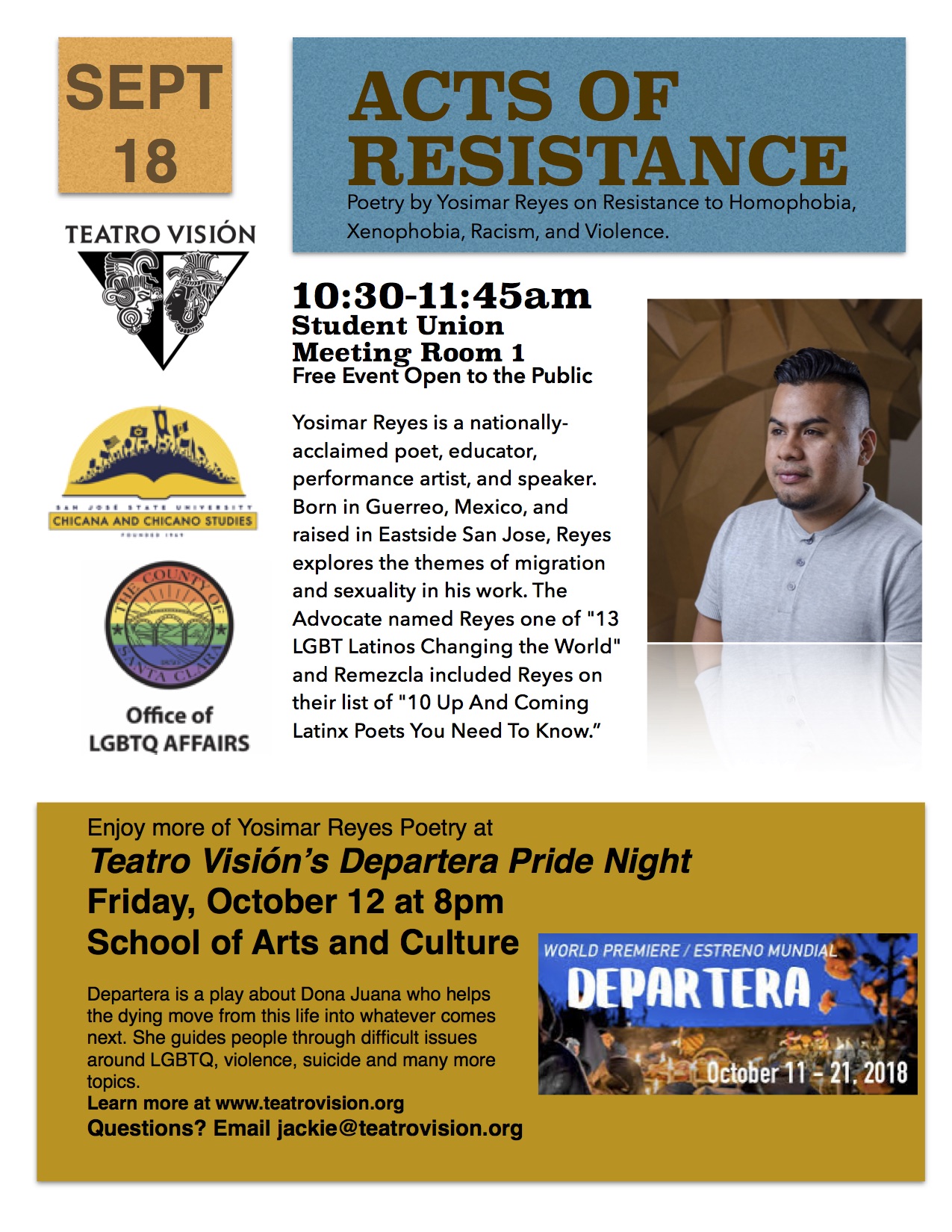
The patriarchy, that ubiquitous leviathan, thrives on silence. It seeks to muffle the voices of women, to confine our experiences within the suffocating parameters of its carefully constructed narratives. But what happens when women reclaim language, when we wield words not as mere instruments of communication, but as potent weapons of resistance? This is the defiant, transformative power of feminist poetry.
Forget the saccharine tropes, the dainty verses that reinforce the palatable, pre-approved versions of femininity. Feminist poetry is not about being nice. It is about being truthful, about excavating the raw, unfiltered realities of female existence in a world designed to diminish us. It is about dismantling the linguistic structures that perpetuate inequality and forging a new lexicon of liberation.
So, what kind of insurrectionary sparks can you expect to find within the vast and vibrant landscape of feminist verse? Prepare to have your assumptions challenged, your perspectives broadened, and your complacency shattered. This is not a gentle invitation; it’s a call to arms, articulated in stanzas and driven home with the force of a thousand breaking waves.
I. Unmasking the Male Gaze: Reclaiming the Female Body
For centuries, the female body has been objectified, scrutinized, and controlled by the male gaze. Art, literature, and popular culture have consistently presented women as passive objects of desire, their worth determined solely by their physical appearance. Feminist poetry directly confronts this pervasive objectification, offering a space for women to reclaim ownership of their bodies and narratives.
This reclamation is not always pretty. It can be raw, unflinching, and even uncomfortable. Poems may explore the trauma of sexual assault, the societal pressures surrounding body image, or the everyday indignities of being a woman in a patriarchal society. But within this discomfort lies a profound power – the power to break the silence, to expose the insidious ways in which the male gaze shapes our perceptions of ourselves.
Expect to encounter poems that celebrate the diversity of female bodies, rejecting the narrow, unrealistic standards of beauty imposed by the media. Expect to see poems that challenge the sexualization of young girls and the erasure of older women. Expect to be confronted with the visceral realities of menstruation, childbirth, and menopause – experiences that have been historically marginalized and silenced.
Consider the visceral language and unflinching honesty of poets who dissect the commodification of female sexuality. They challenge the notion that women’s bodies are inherently public property, demanding autonomy and respect. They employ metaphor and imagery to subvert traditional representations of femininity, creating new and empowering visions of female embodiment.
II. Shattering the Silence: Voicing Trauma and Abuse
The trauma of sexual assault, domestic violence, and other forms of abuse often leaves victims feeling silenced and isolated. Feminist poetry provides a crucial platform for survivors to share their stories, to break the cycle of silence, and to find solace and solidarity in the experiences of others.
These poems are not easy to read. They can be intensely painful, triggering, and emotionally draining. But they are also incredibly important. They bear witness to the hidden realities of violence against women, challenging the societal attitudes that perpetuate victim-blaming and impunity.
Expect to encounter poems that explore the complexities of trauma, the ways in which it can impact memory, identity, and relationships. Expect to see poems that challenge the legal and social systems that often fail to protect women from abuse. Expect to be confronted with the raw, unfiltered emotions of anger, grief, and rage.
Notice how poets utilize fragmented language, repetition, and other stylistic devices to convey the disorienting and destabilizing effects of trauma. They employ evocative imagery and sensory details to bring the reader into the survivor’s experience, fostering empathy and understanding. They reclaim agency through the act of writing, transforming their pain into a powerful testament of resilience.
III. Reimagining Motherhood: Beyond the Sentimental
Motherhood is often romanticized and sentimentalized in mainstream culture, presented as a purely selfless and fulfilling experience. Feminist poetry offers a more nuanced and complex portrayal of motherhood, acknowledging the challenges, contradictions, and sacrifices involved.
These poems explore the exhaustion, frustration, and guilt that many mothers experience, often in silence and isolation. They challenge the societal expectations that dictate how mothers should feel and behave, creating space for a more honest and authentic representation of maternal experience.
Expect to encounter poems that grapple with the tension between personal ambition and maternal responsibilities. Expect to see poems that explore the impact of motherhood on women’s bodies, careers, and relationships. Expect to be confronted with the complexities of raising children in a world that is often hostile to women and mothers.
Analyze the ways in which poets subvert traditional images of the Madonna and child, presenting motherhood as a multifaceted and often ambivalent experience. They utilize irony, satire, and dark humor to challenge the idealized versions of motherhood that are so prevalent in popular culture. They celebrate the strength, resilience, and resourcefulness of mothers, while also acknowledging their vulnerabilities and limitations.
IV. Queering the Canon: Intersections of Gender and Sexuality
Feminist poetry is not limited to the experiences of cisgender, heterosexual women. It also embraces the voices of queer women, trans women, and non-binary individuals, recognizing the intersections of gender, sexuality, and other identities.
These poems challenge the heteronormative assumptions that often underpin feminist discourse, creating space for a more inclusive and intersectional understanding of gender oppression. They explore the unique challenges faced by queer and trans individuals, including discrimination, violence, and erasure.
Expect to encounter poems that celebrate the diversity of queer relationships and families. Expect to see poems that challenge the gender binary and explore the fluidity of identity. Expect to be confronted with the realities of transphobia and homophobia, and the resilience of queer and trans communities.
Examine how poets utilize language to deconstruct traditional notions of gender and sexuality, creating new and empowering ways of expressing queer identity. They employ metaphor, symbolism, and experimental forms to challenge the dominant narratives and create a space for marginalized voices to be heard. They reclaim language that has been used to oppress them, transforming it into a tool of self-affirmation and resistance.
V. Beyond Borders: Global Feminist Poetics
Feminist poetry is not a monolithic entity. It encompasses a wide range of perspectives, experiences, and cultural traditions from around the world. Global feminist poetics recognizes the diversity of women’s struggles and celebrates the solidarity that unites us across borders.
These poems challenge the Western-centric perspective that often dominates feminist discourse, creating space for the voices of women from the Global South, indigenous communities, and other marginalized groups. They explore the impact of colonialism, imperialism, and globalization on women’s lives, highlighting the interconnectedness of gender oppression and other forms of injustice.
Expect to encounter poems that address issues such as poverty, migration, war, and environmental degradation, from the perspective of women who are directly affected by these crises. Expect to see poems that celebrate the resilience and resistance of women in the face of adversity. Expect to be confronted with the realities of gender-based violence and discrimination in different cultural contexts.
Appreciate the ways in which poets utilize local languages, cultural references, and traditional forms to express their unique perspectives. They employ a variety of stylistic devices, from oral storytelling to experimental verse, to challenge the dominant literary traditions and create a truly global feminist poetics. They foster cross-cultural dialogue and understanding, promoting solidarity and collective action.
Ultimately, feminist poetry is a potent force for social change. It is a testament to the power of language to challenge oppression, to heal trauma, and to inspire hope. By engaging with this diverse and dynamic body of work, we can expand our understanding of gender, sexuality, and social justice, and contribute to the creation of a more equitable and just world. Let the words ignite the revolution.







Leave a Comment