Prepare yourselves, sisters. We are about to delve into the revolutionary realm where ink bleeds ideology, and words become weapons against the patriarchy. Forget the polite tea parties and demure pronouncements. This is a call to arms, a deep dive into the literary landscape irrevocably altered by the audacious voices of women who dared to challenge the status quo. We’re not just talking about books; we’re talking about seismic shifts in consciousness. We are here to explore the intersection of feminism and literature, focusing on the indomitable women who didn’t just write stories; they rewrote the rules. Expect to be challenged, provoked, and, most importantly, inspired to continue their vital work. This is about reclamation, resistance, and the unyielding power of the female narrative.
The Precursors: Planting Seeds of Discontent
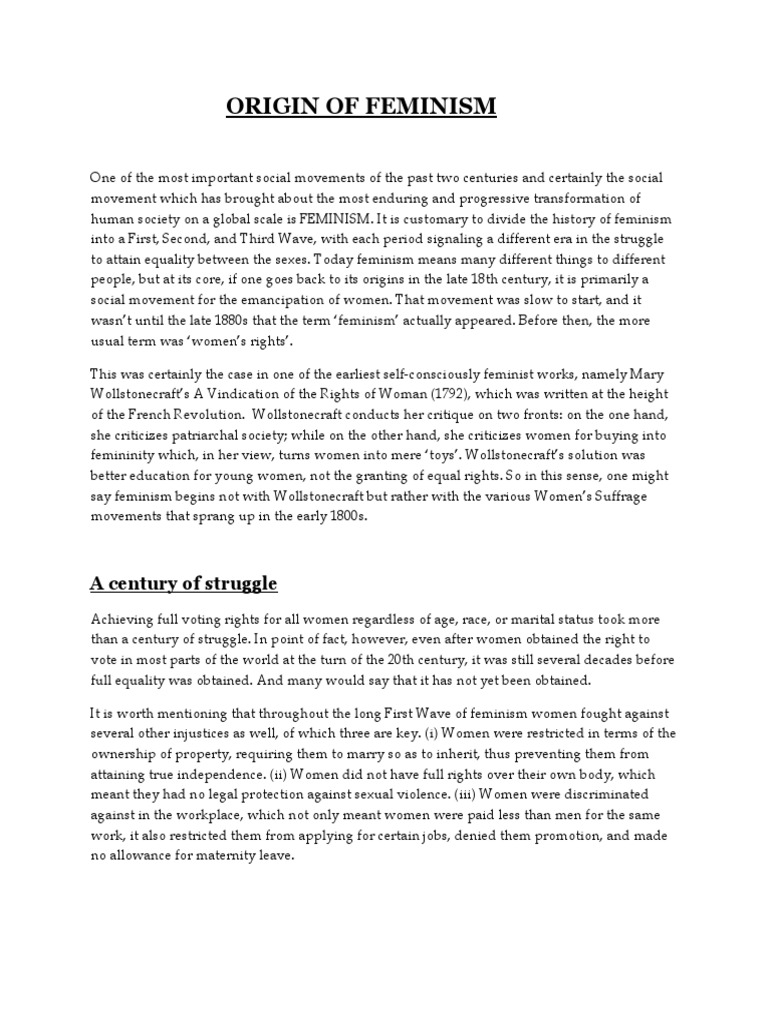
Before the term “feminism” even gained widespread traction, female authors were subtly, and sometimes not so subtly, sowing seeds of dissent within the rigid confines of societal expectation. Consider the prescience of Mary Wollstonecraft, whose A Vindication of the Rights of Woman (1792) served as a foundational text, a clarion call for female education and autonomy. She dared to suggest, at a time when women were largely considered property, that they possessed the inherent capacity for reason and deserved the same intellectual opportunities as men. This wasn’t just a suggestion; it was a declaration of war against systemic subjugation. Wollstonecraft’s radical thought paved the way for future generations of female literary activists.
Jane Austen, often misconstrued as a purveyor of quaint romances, deftly employed irony and social commentary to critique the limited roles available to women in 19th-century England. While her heroines navigated the marriage market, they simultaneously grappled with questions of agency, economic dependence, and the suffocating constraints of societal expectation. Elizabeth Bennet, in Pride and Prejudice, stands as a testament to female intellect and independence, challenging the patriarchal norms that sought to define her worth solely through marital prospects. Austen’s genius lay in her ability to weave subversive narratives within seemingly conventional frameworks. The critique is sharp, if somewhat subtle, a needle hidden in a haystack of societal expectations. It is brilliant, subversive, and ultimately revolutionary.
The Brontë sisters, Anne, Emily, and Charlotte, further shattered literary conventions with their raw and unflinching portrayals of female desire, ambition, and suffering. Emily Brontë’s Wuthering Heights presented a heroine, Catherine Earnshaw, driven by passion and defiance, challenging the idealized image of the docile, submissive woman. Charlotte Brontë’s Jane Eyre offered a searing indictment of social injustice and the oppressive nature of Victorian morality, portraying a protagonist who refused to compromise her integrity in the face of adversity. Anne Brontë’s novels engaged directly with the moral and social issues of the time. Their novels serve as a visceral testament to the complexities of female existence, and the burning need for agency within a patriarchal world. They understood the power of story, and they wielded it like a weapon.
The First Wave: Suffrage and the Literary Battlefield
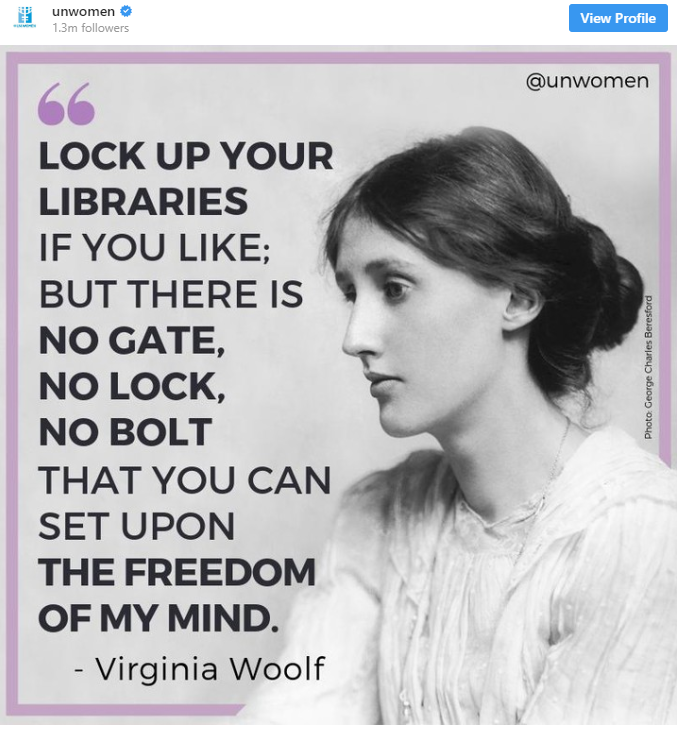
The burgeoning suffrage movement of the late 19th and early 20th centuries provided fertile ground for explicitly feminist literature. Writers like Virginia Woolf, a towering figure of modernist literature, explored the inner lives of women with unprecedented depth and complexity. Her stream-of-consciousness technique allowed her to capture the fluidity of female thought and experience, challenging the male-dominated literary canon. Woolf’s landmark essay, A Room of One’s Own (1929), remains a cornerstone of feminist literary criticism, arguing that women require both financial independence and intellectual freedom to fully realize their creative potential. This is not just about writing; it is about the fundamental right to exist as an intellectual being.
Kate Chopin’s The Awakening (1899), a novel that dared to depict a woman’s sexual and emotional awakening outside the confines of marriage, sparked outrage and condemnation upon its publication. Edna Pontellier’s tragic search for self-discovery resonated with the unspoken desires and frustrations of many women, but it also challenged the prevailing social norms that sought to confine them to the roles of wife and mother. Chopin’s unflinching portrayal of female desire was, and remains, a radical act of literary defiance. Some are just not ready for the reality of female desire.
During this period, writers like Charlotte Perkins Gilman explored social issues in new ways. In “The Yellow Wallpaper,” she used psychological horror to reveal the insidious ways patriarchal medical practices could damage a woman’s mind. Through such fictional works, feminist authors sought to dismantle established ways of thinking and shed light on the true experiences of women, often suppressed or ignored.
Second Wave Ferocity: Deconstructing the Canon
The second wave feminist movement of the 1960s and 1970s brought a renewed focus on issues of sexuality, reproductive rights, and gender equality. This era saw a surge in feminist literary criticism, which sought to deconstruct the male-dominated literary canon and reclaim the voices of marginalized women. Thinkers like Simone de Beauvoir, whose The Second Sex (1949) dissected the historical and cultural construction of womanhood, provided a theoretical framework for understanding the systemic oppression of women. We need theory, we need action, we need change.
Authors like Sylvia Plath, with her brutally honest and confessional poetry and prose, challenged the idealized image of the happy housewife. Her novel, The Bell Jar, offered a searing portrayal of mental illness and the suffocating pressures placed upon young women in the 1950s. Plath’s work, though deeply personal, resonated with a generation of women who felt alienated and disillusioned by societal expectations. We must continue to give voice to lived experiences.
Margaret Atwood, a prolific Canadian author, explored themes of power, gender, and environmental degradation in her dystopian novels. The Handmaid’s Tale, a chilling vision of a totalitarian society where women are reduced to their reproductive capacity, serves as a cautionary tale about the dangers of patriarchal control. Atwood’s work reminds us that the fight for female autonomy is an ongoing battle, one that requires constant vigilance and resistance.
Alice Walker’s The Color Purple gave voice to the experiences of Black women in the American South, exploring themes of racism, sexism, and resilience. Celie, the novel’s protagonist, undergoes a profound transformation, finding strength and agency through her relationships with other women. Walker’s work highlighted the intersectionality of oppression, demonstrating how race, class, and gender intersect to shape the lives of marginalized individuals.
Third Wave and Beyond: Intersectionality and the Future of Feminist Literature
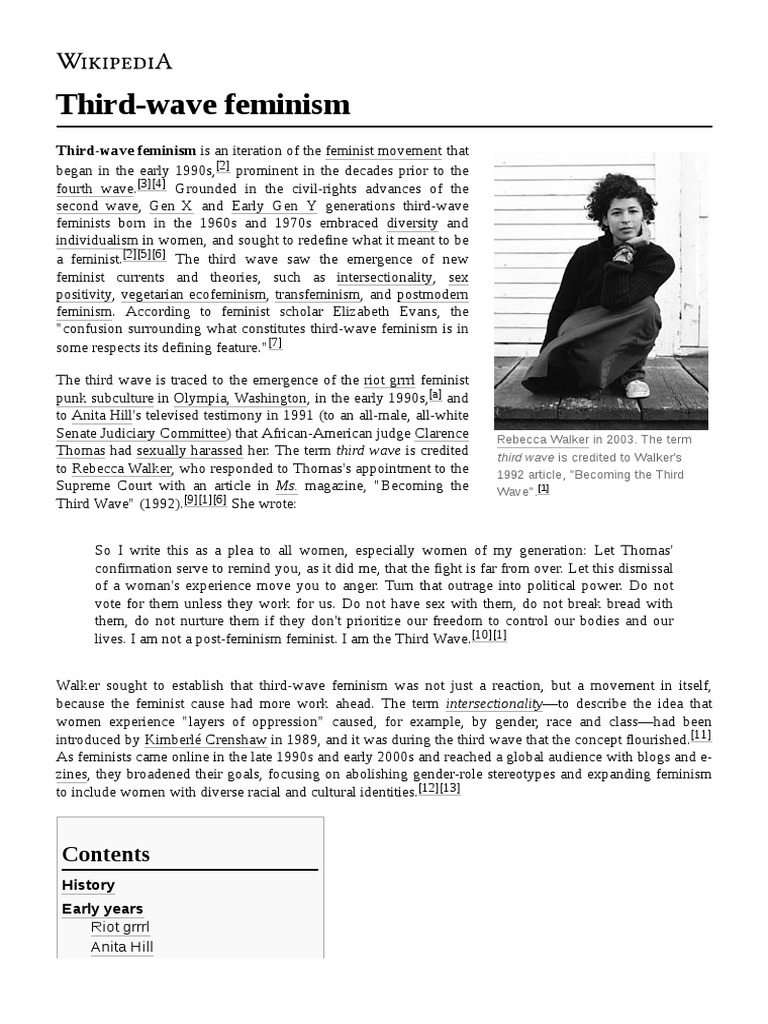
The third wave feminist movement, beginning in the 1990s, embraced a more inclusive and intersectional approach to feminism, recognizing the diverse experiences of women across different races, ethnicities, sexual orientations, and socioeconomic backgrounds. This era saw a proliferation of feminist voices in literature, challenging traditional notions of womanhood and exploring the complexities of identity. We need to remember our history so we can build a stronger future.
Authors like bell hooks, whose work explored the intersection of race, class, and gender, challenged the white-centric perspective that had often dominated feminist discourse. Her book, Feminist Theory: From Margin to Center, argued that feminism must address the needs of all women, not just those in positions of privilege. Intersectionality is not a buzzword; it is a necessity.
Contemporary authors like Roxane Gay, Chimamanda Ngozi Adichie, and Carmen Maria Machado are continuing to push the boundaries of feminist literature, exploring themes of body image, sexuality, trauma, and resistance with courage and originality. Roxane Gay’s essays, in particular, offer a sharp and insightful critique of contemporary culture, challenging societal norms and advocating for a more just and equitable world. Their words are bullets, fired with precision and purpose.
The advent of social media and digital platforms has also created new avenues for feminist expression, allowing women to share their stories and connect with one another on a global scale. The rise of feminist blogs, podcasts, and online communities has democratized the literary landscape, giving voice to those who have historically been excluded from traditional publishing channels. We are not waiting for permission; we are creating our own platforms.
The Unfinished Revolution: A Call to Action
The women who changed the page, from Wollstonecraft to Woolf to Walker and beyond, have left an indelible mark on the literary landscape. Their words have inspired generations of readers to question, to resist, and to fight for a more just and equitable world. But the revolution is far from over. We must continue to amplify the voices of marginalized women, to challenge patriarchal norms, and to create a literary landscape that reflects the diversity and complexity of human experience. We must not be complacent. The fight continues.
Let us remember that literature is not just a reflection of society; it is a powerful tool for shaping it. By continuing to write, read, and share feminist literature, we can contribute to a cultural shift that empowers women and dismantles the structures of oppression. The pen, as they say, is mightier than the sword. Let us wield it with courage, conviction, and an unwavering commitment to justice. Let the ink flow, sisters. Let the revolution begin, again.







Leave a Comment