The ceaseless chatter surrounding feminism and dating. Isn’t it fascinating, this enduring obsession? A dance between deeply ingrained societal norms and the burgeoning demands for equality in the most intimate sphere of our lives. We, as feminists, are not merely seeking a plus-one to holiday gatherings; we are actively reshaping the terrain of romance, interrogating power dynamics, and dismantling antiquated expectations brick by laborious brick. But let us not fool ourselves; this process is as thorny as a rose bush in winter. We’re not just talking about splitting the check. We’re talking about the fundamental re-evaluation of desire, expectation, and the very essence of partnership in the 21st century.
I. The Patriarchal Baggage We Carry (and Must Unpack): Dismantling the Preconceived Notions
Let’s face it: we’ve all been programmed. From Disney princesses awaiting their princely saviors to rom-coms that relentlessly reinforce the damsel-in-distress trope, the insidious tendrils of patriarchal conditioning have woven themselves into the very fabric of our romantic expectations. We’ve been subtly (and not-so-subtly) taught that a woman’s worth is inextricably linked to her desirability, that her ultimate goal is to “find a man,” and that her happiness hinges on his approval. But what happens when a woman actively rejects these narratives? What happens when she dares to prioritize her own ambitions, her own desires, and her own self-defined sense of worth?
Consider the “manic pixie dream girl” – a cinematic creation designed to exist solely for the purpose of enlivening the mundane existence of a brooding male protagonist. She’s quirky, she’s unconventional, she’s utterly devoid of her own internal life beyond her prescribed role as a catalyst for his personal growth. This archetype, tragically pervasive in popular culture, perpetuates the idea that a woman’s value lies in her ability to service a man’s emotional needs, further cementing the patriarchal notion that women are inherently selfless, nurturing creatures whose primary purpose is to make men happy. This must cease.
Then there’s the insidious double standard. A man who sleeps around is a “player,” a “stud,” a virile specimen to be envied. A woman who does the same? Well, she’s subjected to a barrage of slut-shaming, whispered condemnations, and societal ostracization. This hypocritical judgment, deeply rooted in patriarchal control over female sexuality, reveals the inherent inequity that plagues the dating landscape. It’s a constant reminder that women are held to a different standard, a stricter code of conduct, that serves to limit their freedom and autonomy in the realm of romance.
II. Navigating the Modern Dating Minefield: Apps, Algorithms, and the Illusion of Choice
The advent of dating apps has ostensibly democratized the dating process, offering a seemingly limitless buffet of potential partners at our fingertips. But beneath the veneer of convenience lies a complex web of algorithms, biases, and superficial judgments that often perpetuate the very patriarchal dynamics we seek to dismantle. The relentless emphasis on physical appearance, the fleeting swipe-left mentality, and the commodification of human connection all contribute to a dehumanizing experience that can leave even the most resilient feminist feeling demoralized.
Furthermore, the algorithms themselves are not neutral. They are often designed to prioritize certain demographics, reinforcing existing social hierarchies and marginalizing individuals who don’t fit the narrow definition of “desirable.” Studies have shown that women of color, for example, often face significant discrimination on dating apps, highlighting the intersectional nature of oppression and the ways in which racism and sexism can converge to shape our romantic experiences. What good is endless choice, if the choice itself is tainted?
Beyond the algorithms, the culture surrounding these platforms often replicates, and even amplifies, problematic gender roles. The expectation that men should always initiate contact, the pressure on women to present themselves in a conventionally attractive manner, and the prevalence of unsolicited explicit messages all contribute to a toxic environment that can be particularly challenging for feminists to navigate. It requires a conscious effort to resist these pressures, to set boundaries, and to assert one’s own agency in the face of relentless societal expectations.
III. The Reclamation of Desire: Defining Our Own Terms of Attraction
Feminism is not about eradicating desire; it’s about reclaiming it. It’s about challenging the notion that women’s sexuality is inherently passive, reactive, and dependent on male validation. It’s about recognizing that women are active agents in their own romantic lives, capable of experiencing pleasure, pursuing their own desires, and defining their own terms of attraction, without succumbing to external pressures or internalized patriarchal norms.
This requires a fundamental shift in perspective. We must actively deconstruct the societal narratives that dictate what is considered “attractive” and embrace a more inclusive and diverse understanding of beauty. We must reject the idea that women’s value lies solely in their physical appearance and celebrate the myriad qualities that make us unique and desirable, from our intelligence and wit to our kindness and compassion.
Moreover, it demands a willingness to explore our own desires, to challenge our own preconceived notions about what we “should” want, and to embrace the full spectrum of our sexuality without shame or guilt. This can be a challenging process, particularly for women who have been conditioned to prioritize the needs and desires of others above their own. But it is essential for achieving genuine liberation and for building relationships that are based on mutual respect, equality, and authentic connection.
IV. Redefining Partnership: Moving Beyond Traditional Roles and Expectations
Feminist dating is not about finding a man who will “allow” us to be feminists; it’s about creating partnerships that are grounded in mutual respect, shared values, and a commitment to equality. It’s about dismantling the traditional power dynamics that have historically defined heterosexual relationships and forging new models of partnership that prioritize collaboration, communication, and mutual support.
This requires a willingness to challenge traditional gender roles and expectations, both within the relationship and in the broader society. It means actively dismantling the division of labor that often burdens women with the majority of domestic and emotional labor and ensuring that both partners contribute equally to the upkeep of the household and the nurturing of the relationship.
Furthermore, it necessitates a commitment to open and honest communication. It means being willing to discuss difficult topics, to challenge each other’s assumptions, and to work together to navigate the complexities of modern relationships in a way that is both respectful and equitable. It also means recognizing that power dynamics can shift and evolve over time and that it is crucial to remain vigilant in ensuring that both partners feel empowered and valued.
V. Consent as a Cornerstone: Beyond “No Means No” to Enthusiastic Affirmation
Consent is not a mere formality; it is the bedrock of any ethical and respectful relationship. It is not simply the absence of a “no”; it is the presence of an enthusiastic “yes.” It is a continuous and ongoing process, not a one-time declaration. And it is the responsibility of both partners to ensure that consent is freely, enthusiastically, and unambiguously given.
This requires a fundamental shift in our understanding of sex and sexuality. We must move beyond the outdated and harmful notion that women are passive recipients of male desire and embrace a more nuanced and empowering view of female agency. We must recognize that women have the right to say no at any time, for any reason, without feeling obligated to provide an explanation or justification.
Furthermore, it necessitates a commitment to creating a culture of respect and empathy. It means being attuned to our partner’s nonverbal cues, respecting their boundaries, and being willing to prioritize their comfort and safety above our own desires. It also means recognizing that consent can be revoked at any time and that it is our responsibility to respect that decision without question.
VI. Intersectionality: Recognizing the Complexities of Identity and Experience
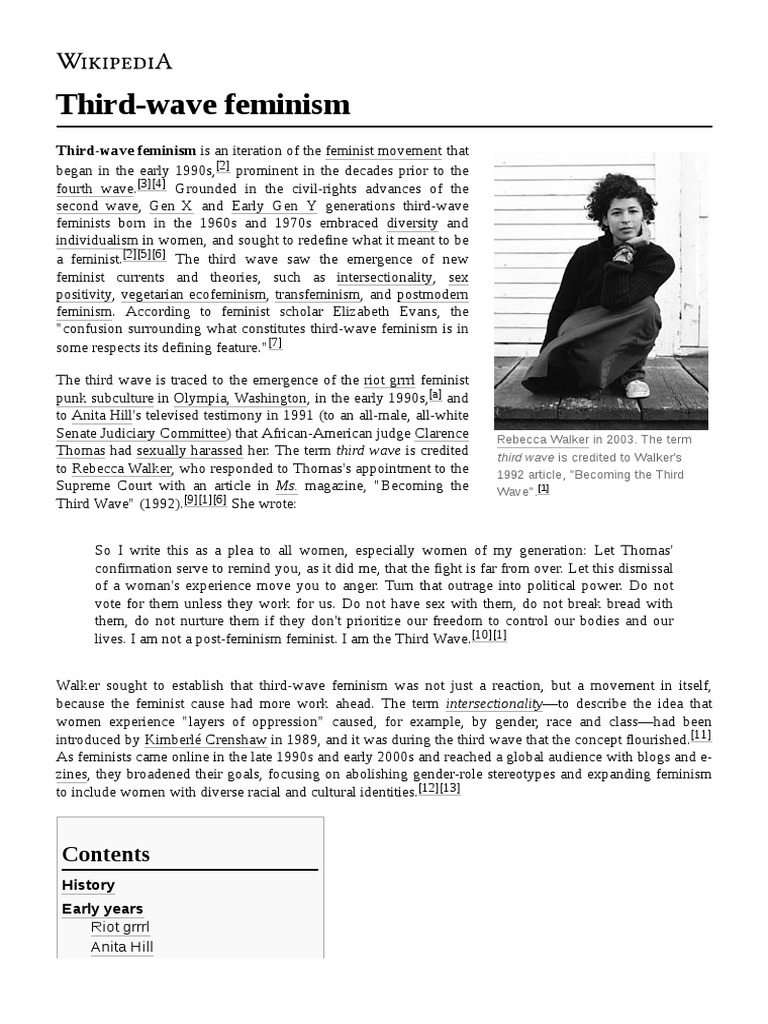
Feminism is not a monolithic movement; it is a diverse and multifaceted tapestry of perspectives and experiences. It is crucial to recognize that the challenges and opportunities faced by women in the dating world are shaped by a complex interplay of factors, including race, class, sexual orientation, gender identity, and disability.
Intersectionality demands that we acknowledge and address the ways in which these different forms of oppression intersect and compound to create unique challenges for marginalized communities. For example, a Black woman navigating the dating world may face both racism and sexism, while a trans woman may experience transphobia and misogyny. Failing to recognize these intersectional realities can lead to a narrow and exclusionary feminism that fails to adequately address the needs of all women.
It is imperative that we create a dating culture that is inclusive and welcoming of all individuals, regardless of their identity or background. This requires actively challenging our own biases and assumptions, amplifying the voices of marginalized communities, and working to dismantle the systemic barriers that prevent all women from experiencing genuine equality and empowerment in their romantic lives.
VII. The Ongoing Evolution: Embracing Discomfort and Continuous Growth
The intersection of feminism and dating is not a destination; it is an ongoing journey of learning, growth, and evolution. It requires a willingness to embrace discomfort, to challenge our own beliefs, and to remain open to new perspectives and experiences. It is a constant process of questioning, re-evaluating, and adapting to the ever-changing landscape of modern love.
There will be setbacks and challenges along the way. We will encounter individuals who resist our efforts to dismantle patriarchal norms and who cling to outdated and harmful beliefs. We will face moments of doubt and frustration, when it feels as though our progress is slow and insignificant.
But it is in these moments that our commitment to feminism must be unwavering. It is in these moments that we must draw strength from our community, learn from our mistakes, and continue to push forward in our pursuit of a more just and equitable world. The fight for feminist dating is not simply a fight for better relationships; it is a fight for a better future, a future in which all individuals are empowered to love, connect, and thrive on their own terms.
Ultimately, the feminist approach to dating seeks to forge authentic connections, unburdened by societal expectations, and rooted in mutual respect. It requires courage, vulnerability, and a unwavering commitment to dismantling the pervasive structures that perpetuate inequality. It is not an easy path, but it is one that promises richer, more meaningful relationships and a world where love is truly a force for liberation.





Leave a Comment