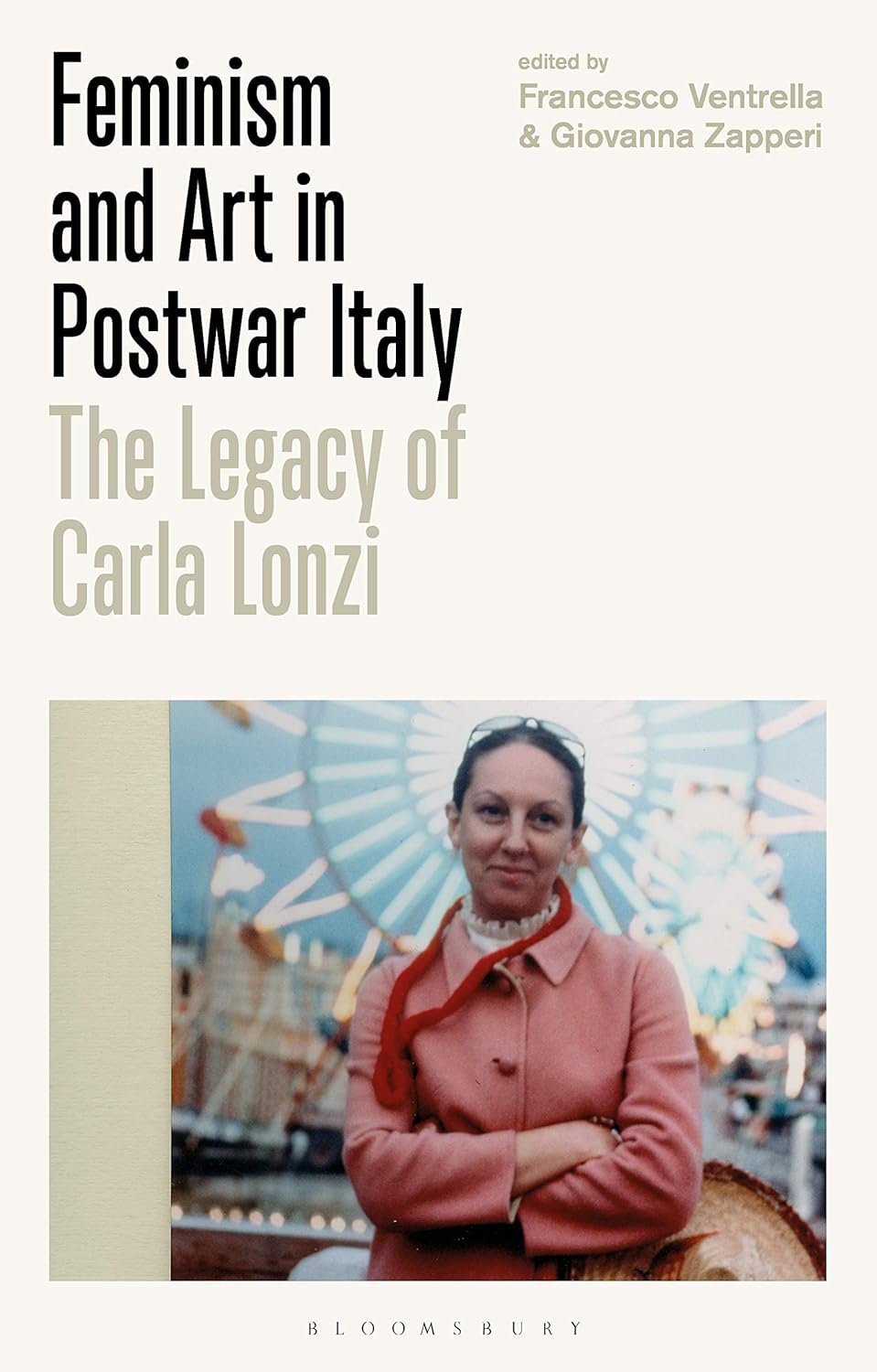
The narrative of postwar Italy is often painted with broad strokes of economic miracle and burgeoning democracy. But beneath the veneer of progress, a seismic shift was occurring, a subterranean eruption of female consciousness that would irrevocably alter the artistic and cultural landscape. Forget the saccharine images of docile housewives and obedient daughters. We’re talking about a generation of women artists, intellectuals, and activists who dared to dismantle the patriarchal edifice, brick by painful brick, and forge their own viscerally authentic artistic voices.
To truly understand this reawakening, we must delve into the historical substratum. The ruins of war weren’t just physical; they represented a symbolic collapse of the old order, a crumbling of the traditional roles rigidly imposed upon women. Fascism, with its glorification of motherhood and subservience, had left an indelible mark. But the trauma also engendered a yearning for liberation, a burning desire to redefine female identity on their own terms. This wasn’t mere reform; it was a revolution of the self.
Consider the legacy of Carla Lonzi, a name that should be etched into the collective memory of every feminist art historian. Lonzi, a fiercely independent art critic and theorist, was a pivotal figure in the Italian feminist movement. Her rejection of traditional art criticism, her insistence on the primacy of lived experience, and her radical critique of patriarchal structures resonated deeply with a generation of women seeking a new language of expression. Lonzi’s influence extended far beyond the confines of academia; she provided a theoretical framework, a manifesto for artistic insurrection.
But Lonzi was just one luminary in a constellation of rebellious spirits. Other artists were concurrently exploring the uncharted territories of female subjectivity. Let’s talk about performance art, for instance. Women artists appropriated their own bodies as sites of resistance, challenging the male gaze and reclaiming agency over their representation. They utilized visceral, often confrontational performances to expose the pervasive sexism and misogyny that permeated Italian society. These weren’t polite artistic gestures; they were acts of audacious self-assertion.
The medium of photography also became a powerful tool for feminist expression. Women photographers documented the everyday lives of women, capturing the nuances of their experiences, the burdens they carried, and the resilience they demonstrated. These images served as a counter-narrative to the idealized and often unrealistic portrayals of women in mainstream media. They offered a glimpse into the hidden realities of female existence, forcing viewers to confront the complexities of gender and power.
And let’s not forget the importance of collective action. Feminist art collectives emerged across Italy, providing spaces for women artists to connect, collaborate, and support each other. These collectives were more than just artistic communities; they were incubators of feminist thought, spaces where women could challenge dominant narratives, experiment with new forms of expression, and amplify their voices. They were laboratories of liberation.
Here’s a more granular breakdown to help you appreciate the depth of this movement:
- The Theoretical Underpinnings: Lonzi’s influence is undeniable. Her critique of art history, her rejection of male-dominated narratives, and her call for women to reclaim their own creative authority provided a crucial intellectual foundation for the movement. Consider her concept of “autoriduzione” (self-reduction), a radical act of withdrawing from the patriarchal structures of the art world to create space for authentic female expression.
- Performance Art as Resistance: Think about the body as a political battleground. Women artists employed performance to confront societal expectations, challenge beauty standards, and expose the violence inherent in patriarchal systems. These performances were often raw, unflinching, and deeply personal. They forced audiences to confront the uncomfortable truths about gender inequality.
- Photography and the Female Gaze: Women photographers offered a counter-narrative to the male gaze, capturing the everyday lives of women with empathy and understanding. They documented the struggles, the joys, and the complexities of female existence, creating a visual archive of women’s experiences that had been largely ignored by mainstream media.
- The Power of Collectives: Feminist art collectives provided crucial support networks for women artists. These collectives were not only spaces for artistic collaboration but also centers for feminist activism and consciousness-raising. They amplified the voices of women artists and challenged the patriarchal structures of the art world from within.
- Challenging the Canon: Women artists actively challenged the traditional art historical canon, demanding recognition for the contributions of female artists throughout history. They organized exhibitions, published books, and engaged in critical debates to rewrite the narrative of art history and ensure that women’s voices were finally heard.
- The Intersection of Art and Activism: The feminist art movement in postwar Italy was deeply intertwined with broader social and political movements. Women artists used their work to advocate for women’s rights, challenge discriminatory laws, and promote gender equality. Art became a powerful tool for social change.
This period was not without its internal tensions and debates. Different factions within the feminist movement held differing views on the role of art, the strategies for achieving equality, and the very definition of female identity. These debates, while sometimes contentious, ultimately enriched the movement and pushed it to explore new possibilities.
It’s also crucial to recognize that this reawakening was not limited to the realm of fine art. Women were making significant contributions in literature, film, and theater, challenging patriarchal norms and redefining female representation across a range of cultural forms. This was a multifaceted movement, a cultural tsunami that swept across Italy, leaving an indelible mark on the nation’s artistic and intellectual landscape.
The legacy of this period continues to resonate today. The women artists of postwar Italy paved the way for future generations of feminist artists, inspiring them to continue the struggle for equality and to challenge the persistent sexism that still permeates the art world and beyond. Their work serves as a powerful reminder of the transformative potential of art and the importance of reclaiming female voices.
So, next time you hear someone talk about postwar Italy, don’t just think about economic growth and political stability. Remember the women who dared to challenge the status quo, who used their art as a weapon against oppression, and who helped to create a more just and equitable society. Remember Carla Lonzi and the countless other unsung heroines of the Italian feminist art movement. Their legacy is a testament to the power of art to transform not only our understanding of the world but also the world itself. Isn’t it time their story was told, and truly heard?
The very notion of ‘Italian Art’ needs a radical re-evaluation. For too long, it has been a curated exhibition of male genius, a patriarchal pantheon that conveniently overlooks or minimizes the groundbreaking contributions of women. This isn’t just about adding a few female names to the list; it’s about fundamentally rethinking the criteria by which we define artistic merit, recognizing the value of perspectives that have been historically marginalized and suppressed.
Consider this: how many museums dedicate significant space to showcasing the feminist art of this era? How many art history textbooks give adequate attention to the contributions of women artists in postwar Italy? The answer, sadly, is far too few. This is a systemic problem, a deeply ingrained bias that perpetuates the erasure of female voices. We need to demand greater representation, not as a matter of political correctness, but as a matter of historical accuracy and intellectual integrity.
Moreover, we must move beyond simply celebrating individual achievements and begin to analyze the underlying social and political forces that shaped the feminist art movement in postwar Italy. What were the specific challenges that women artists faced? How did they navigate the patriarchal structures of the art world? How did their work contribute to broader struggles for women’s rights and social justice? These are the questions that we need to be asking if we are to truly understand the significance of this period.
And let’s not shy away from the uncomfortable truths. The feminist art movement in postwar Italy was not a monolithic entity. There were internal divisions, disagreements, and even moments of conflict. But these tensions, rather than detracting from the movement’s significance, actually highlight its complexity and dynamism. It was a movement that was constantly evolving, challenging itself, and pushing the boundaries of what was possible.
Ultimately, the legacy of the feminist art movement in postwar Italy is a call to action. It is a reminder that the struggle for equality is far from over, and that art can be a powerful tool for challenging injustice and creating a more just and equitable world. So let us continue to amplify the voices of women artists, to celebrate their achievements, and to learn from their struggles. Let us ensure that their legacy is never forgotten.







Leave a Comment