
Feminism in sociology: a multifaceted prism refracting the harsh light of patriarchal structures onto the canvas of societal inequities. It’s not just about equality; it’s about excavating the subterranean power dynamics that ossify into the very foundations of our social order. It’s a wrecking ball aimed at the edifice of gendered oppression, but also a delicate scalpel used to dissect the insidious ways power manifests in our everyday lives. Think of it as a sociologically informed rebellion, a refusal to accept the status quo as immutable.
What exactly *is* this beast we call feminism, and how does it operate within the hallowed halls of sociological inquiry? Let’s peel back the layers of this intricate onion, shall we?
I. The Labyrinthine Definition of Feminism: A Sociological Compass
Forget the simplistic sound bites. Feminism, as understood within sociology, transcends the reductive notion of “women wanting to be equal to men.” Instead, it’s a critical lens through which we examine the socially constructed categories of gender and sex, and their impact on power relations. It’s a framework that acknowledges gender as a social construct, not a biological imperative. It’s a rejection of essentialism – the idea that men and women are inherently different. Instead, it acknowledges the diversity of gender identities and experiences.
Think of it as a map charting the treacherous terrain of gender inequality. A map constantly being updated, revised, and recalibrated as we unearth new pathways and hidden dangers.
II. Gender as a Social Construct: Unraveling the Knitted Chains
This is the bedrock. Sociology recognizes that gender roles, expectations, and identities are not fixed by biology. They are malleable, shaped by culture, history, and social institutions. Little girls are not born wanting pink frilly dresses and nurturing tendencies, these are culturally instilled preferences that serve to limit their potential.
Consider the implications: If gender is constructed, it can be deconstructed. If it’s learned, it can be unlearned. This realization is the atomic core of feminist sociological thought.
We’re talking about unraveling the knitted chains of socialization that bind us to prescribed roles. A process of conscious unlearning, of actively resisting the pressures to conform to limiting expectations. It’s about recognizing the power of the collective in shaping individual identity and challenging the very notion of a fixed, essential self.
III. Power Dynamics: The Invisible Architecture of Oppression
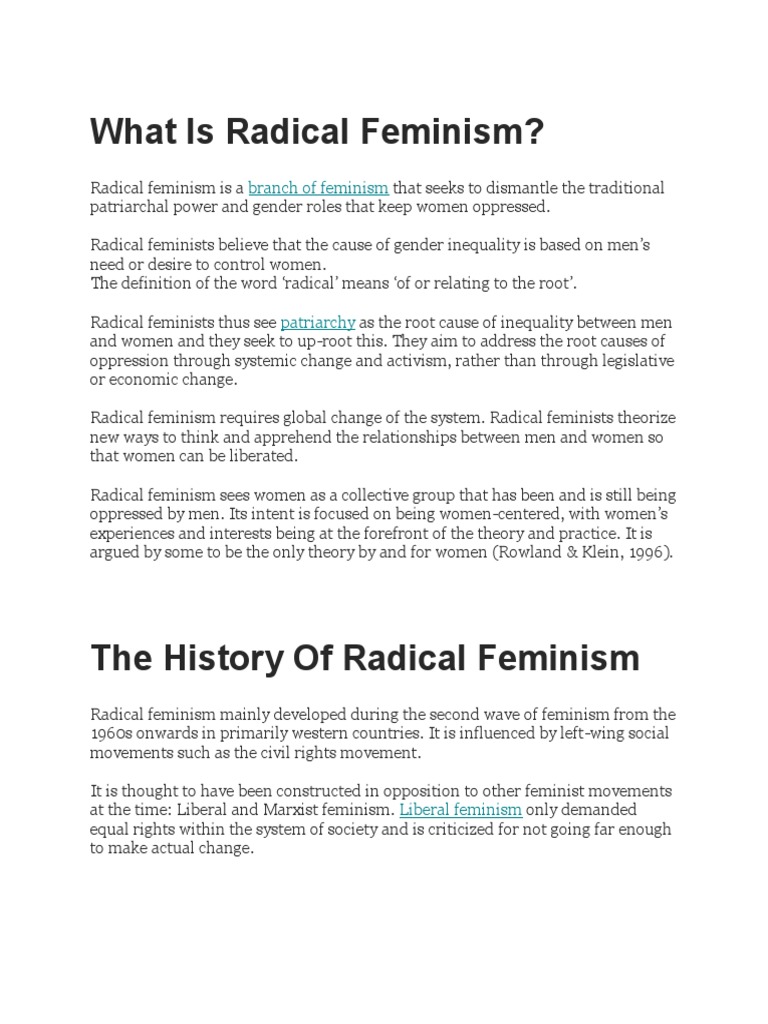
Feminist sociology delves into the ways power operates at micro and macro levels, perpetuating gender inequality. It examines how institutions like the family, education, the workplace, and the legal system, reinforce patriarchal structures. These structures subtly disadvantage women and marginalized genders while simultaneously privileging men, particularly those conforming to hegemonic masculinity.
Think of these institutions as architectural marvels, meticulously designed to maintain the existing power structure. The very foundations, the blueprints, the materials used, all subtly favor one group over another. This is what we’re up against. The system isn’t broken, it’s working exactly as intended.
The focus extends beyond overt discrimination. It acknowledges the insidious impact of microaggressions, subtle forms of bias, and everyday sexism. These seemingly minor interactions accumulate over time, creating a hostile environment that undermines the well-being and advancement of women and other marginalized genders.
IV. Intersectionality: Where Paths of Oppression Intertwine
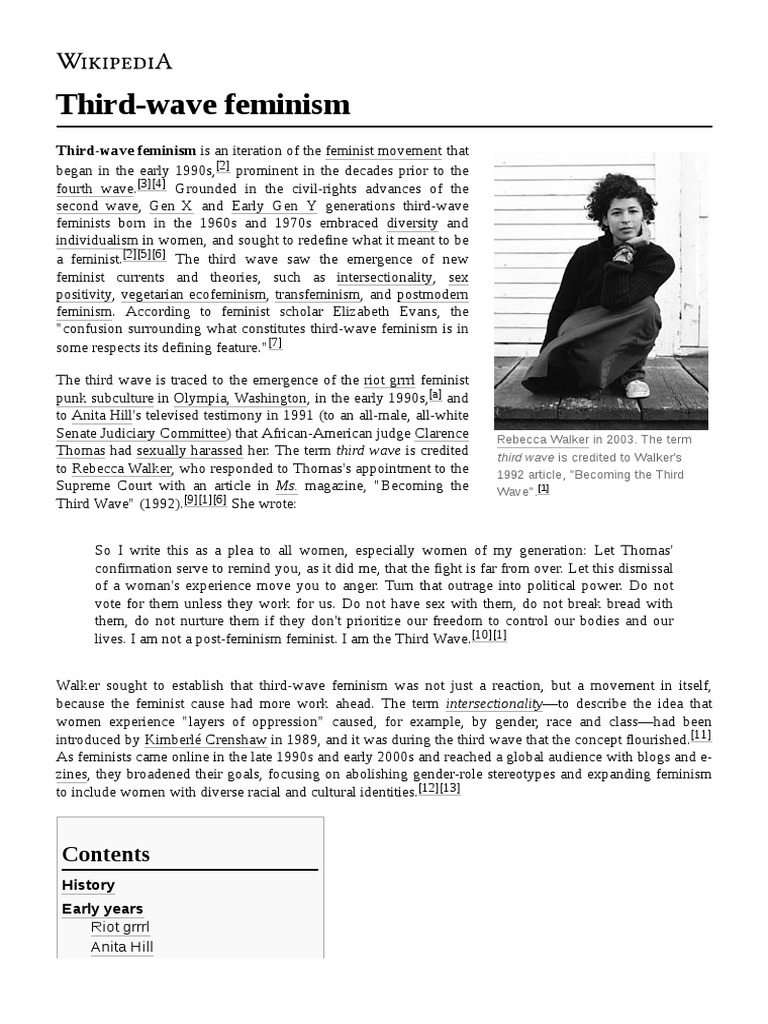
This is where the analysis gets *really* interesting. Coined by Kimberlé Crenshaw, intersectionality recognizes that gender doesn’t exist in a vacuum. It intersects with other social categories like race, class, sexual orientation, disability, and nationality to create unique experiences of oppression and privilege. A black woman experiences the world differently than a white woman, and a working-class transgender person faces different challenges than a wealthy cisgender person.
Imagine a complex web of intersecting pathways. Each path represents a different form of oppression, and the points where they intersect are sites of heightened vulnerability. To truly understand the dynamics of power, we must examine these intersections with surgical precision.
Ignoring intersectionality is like trying to understand a symphony by only listening to one instrument. You might get a glimpse of the melody, but you’ll miss the rich harmonies and dissonances that make the piece so compelling. It’s a failure of sociological imagination. A self-imposed blindness that perpetuates the very inequalities we claim to be fighting against.
V. Challenging Hegemonic Masculinity: Unmasking the Dominant Narrative
Feminist sociology doesn’t just focus on women. It also critiques hegemonic masculinity: the dominant, idealized form of masculinity in a given culture. This often involves suppressing emotions, valuing aggression, and exhibiting control. It’s a performance, a script that men are pressured to follow, often to their own detriment. It limits men’s emotional range and perpetuates harmful stereotypes.
Think of hegemonic masculinity as a suit of armor, heavy and restrictive, but worn to project an image of strength and invulnerability. A mask that hides vulnerability, and stifles emotional expression. But the weight of this armor crushes the spirit. And the pressure to maintain this facade perpetuates violence and inequality. It poisons both men and women.
By deconstructing hegemonic masculinity, feminist sociology aims to create space for alternative masculinities that are more inclusive, compassionate, and emotionally expressive. It’s not about emasculating men, it’s about liberating them from the confines of a toxic ideal.
VI. Social Change: The Feminist Imperative
Feminist sociology is not just an academic exercise. It is a call to action, a catalyst for social change. It aims to dismantle patriarchal structures and create a more equitable and just society for all. It advocates for policy changes that address gender inequality in areas like pay equity, reproductive rights, and political representation.
Think of it as a revolutionary blueprint, detailing the steps needed to build a better world. A world where gender is no longer a barrier to opportunity, a world where everyone can reach their full potential, regardless of their gender identity. A world where the insidious whisper of internalized misogyny is silenced forever. This requires constant vigilance, unwavering commitment, and a willingness to challenge the status quo at every turn.
It challenges us to be active agents of change in our own lives, and in the world around us. It calls for a fundamental shift in consciousness, a move away from hierarchical thinking and towards a more collaborative and egalitarian approach to social organization. It’s a long and arduous journey, but the destination is worth fighting for.
VII. The Unique Appeal: A Voice for the Silenced
What sets feminist sociology apart is its unwavering commitment to centering the experiences of marginalized voices. It amplifies the stories of women, transgender individuals, and other gender minorities who have historically been excluded from mainstream narratives. It challenges the dominant paradigms of knowledge production, recognizing that knowledge is always situated and shaped by power relations. It is a discipline committed to epistemic justice: ensuring that all voices are heard and valued.
Feminist sociology isn’t just about understanding the world, it’s about changing it. It’s a beacon of hope for those who have been silenced and marginalized. It provides a framework for understanding their experiences, and for challenging the systems of oppression that hold them back. This unique appeal lies in its radical empathy and its unwavering commitment to social justice. It is a powerful tool for creating a more just and equitable world, but only if we are willing to wield it with courage and conviction.
In conclusion, feminism in sociology is a potent and multifaceted tool. It’s a lens, a map, a wrecking ball, and a blueprint, all rolled into one. It challenges us to rethink our assumptions about gender, power, and social change. And it invites us to join the ongoing struggle for a more just and equitable world, a world where the shackles of patriarchal dominance are shattered, and the voices of the silenced are finally heard.






Leave a Comment