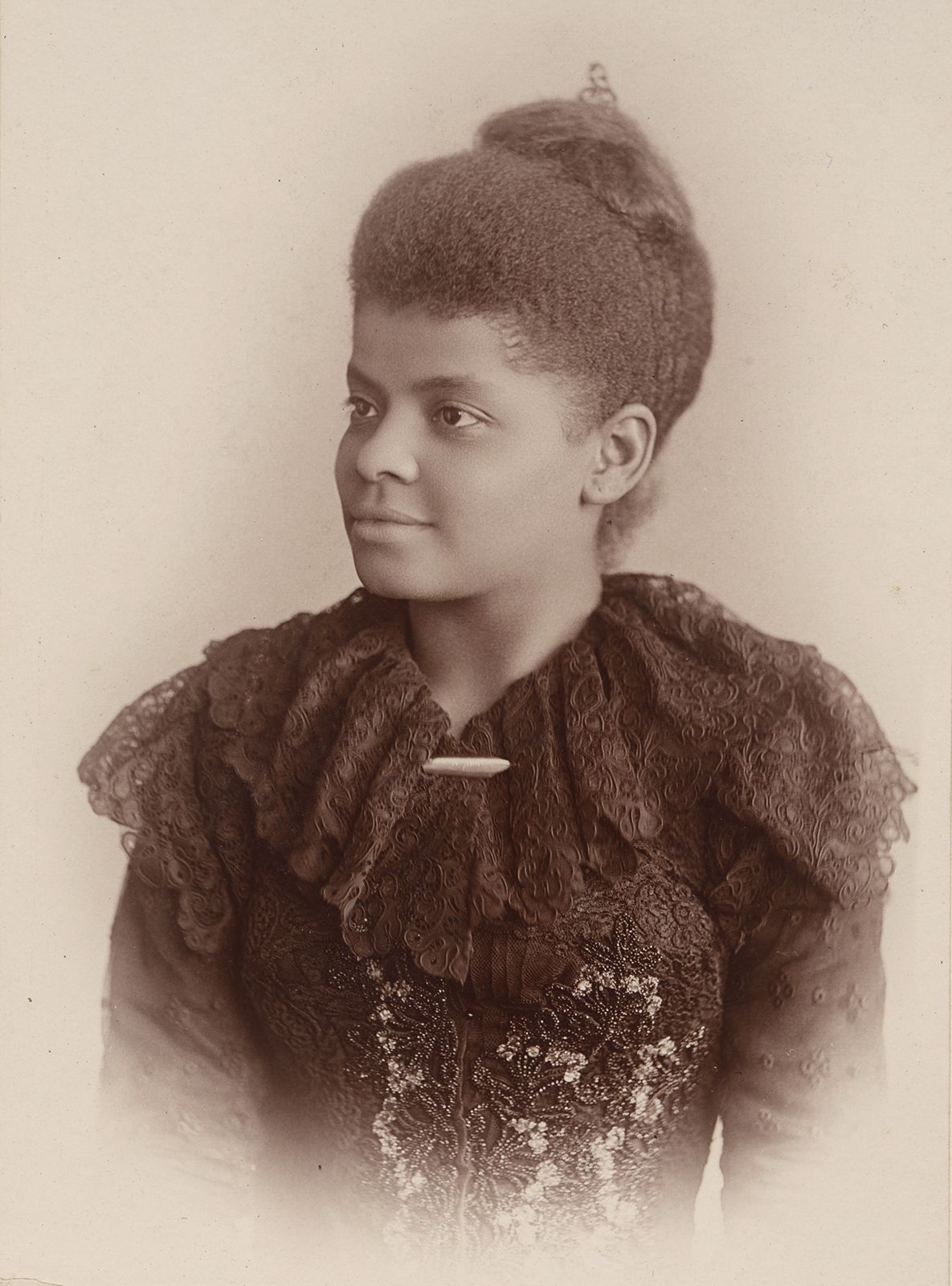
Ever find yourself screaming into the void, wondering why the feminist narrative seems… incomplete? Like a puzzle with crucial pieces missing? Welcome to the wonderfully complex, undeniably necessary world of Black feminism. It’s not just about adding melanin to the mainstream; it’s a seismic shift, a recalibration of the entire damn framework. Let’s dive in, shall we?
1. Beyond the Beige: Why Black Feminism Isn’t Just “Feminism Plus”
Let’s dismantle this pervasive, insidious notion right now: Black feminism isn’t some add-on to the white-centric, often oblivious mainstream feminism. It’s not a remix; it’s a whole new composition. It’s born from the unique crucible of navigating both racial and gender oppression simultaneously. Think of it as the offspring of Sojourner Truth’s iconic “Ain’t I a Woman?” speech, a fiery declaration that the experiences of Black women are not only valid but central to understanding the entirety of patriarchal and racist systems. The erasure is not acceptable!
White feminism has historically, and often continues to, prioritize the concerns of white, middle-class women. Issues like equal pay (while crucial) often neglect the stark realities of the racial wealth gap, where Black women face significantly larger disparities. Reproductive rights, another cornerstone of feminist advocacy, frequently overlooks the forced sterilization that has disproportionately impacted Black and Indigenous women throughout history. Black feminism emerges not as a counter-movement, but as a corrective, a voice demanding that intersectionality – the interconnected nature of social categorizations such as race, class, and gender – be recognized as the foundational principle of any truly liberatory movement.
2. The Combahee River Collective: Where the Revolution Started Brewing
Speaking of foundations, let’s genuflect to the Combahee River Collective. In 1974, a group of Black lesbian feminists in Boston dared to articulate what many had felt but couldn’t quite name. Their statement, a radical manifesto that still resonates with earth-shattering force, laid bare the intertwined oppressions of race, gender, class, and sexuality. They coined the term “identity politics” not as a divisive tool (as it’s often misrepresented today) but as a means of understanding their own experiences and building solidarity across differences. This was not a mere academic exercise. This was a call to arms!
The Collective’s work challenged the prevailing narratives of both the Civil Rights Movement (which often sidelined the experiences of Black women) and the feminist movement (which often ignored the concerns of Black women). They argued that liberation could only be achieved through a holistic understanding of power dynamics and a commitment to fighting all forms of oppression. They weren’t just fighting for a seat at the table; they were building a new table altogether.
3. Intersectionality: More Than Just a Buzzword (Thanks, Kimberlé Crenshaw!)
Kimberlé Crenshaw, legal scholar and critical race theorist, gifted us with the term “intersectionality.” But let’s be clear, Crenshaw didn’t *invent* the experience of overlapping oppressions; she gave us the language to analyze it. Intersectionality isn’t just about acknowledging that people have multiple identities; it’s about understanding how those identities interact to create unique experiences of discrimination. A Black woman doesn’t experience racism and sexism as separate entities; she experiences them simultaneously, in a way that is distinct from the experiences of white women or Black men.
Think of it like this: imagine a car accident at a busy intersection. If you only look at the cars involved, you might miss crucial details about the traffic lights, the road conditions, or the visibility. Intersectionality asks us to look beyond the surface and examine the underlying systems that contribute to inequality. It’s about recognizing that oppression isn’t a single lane highway, but a complex network of interconnected roads.
4. Dismantling the Myth of the “Strong Black Woman”
Ah, yes, the “Strong Black Woman.” That seemingly empowering, yet deeply insidious trope that perpetuates the notion that Black women are somehow superhuman, capable of enduring endless hardship without complaint. This is nothing more than a thinly veiled excuse to ignore their pain, dismiss their vulnerability, and deny them the support they deserve. It’s a tool of oppression masquerading as a compliment.
Black feminism actively challenges this harmful stereotype. It recognizes that Black women are not immune to the effects of trauma, stress, and systemic oppression. It advocates for their mental health, their physical well-being, and their right to be vulnerable. It demands that society recognize their humanity, not just their resilience.
5. Hair Politics: More Than Just a Bad Hair Day
For Black women, hair is never “just hair.” It’s a battleground, a symbol of identity, a political statement. From the days of slavery, when enslaved Africans were forced to shave their heads as a form of dehumanization, to the present day, where Black women are often penalized for wearing natural hairstyles in professional settings, hair has been a site of constant negotiation and resistance.
Black feminism recognizes the importance of hair politics as a form of self-expression and cultural affirmation. It challenges the Eurocentric beauty standards that have historically marginalized Black hair and celebrates the diversity and versatility of Black hairstyles. It’s about reclaiming agency and defining beauty on our own terms.
6. The Wage Gap: A Chasm, Not a Crack
The gender wage gap is a well-documented phenomenon, but the reality for Black women is even more dismal. Black women consistently earn less than white women, white men, and Black men. This isn’t just about individual choices or skills; it’s about systemic racism and sexism that permeate the labor market. Black women are often relegated to lower-paying jobs, face discrimination in hiring and promotion, and are less likely to receive equal pay for equal work.
Black feminism demands economic justice for Black women. It advocates for policies that address the racial wealth gap, promote equal pay, and provide access to quality education and job training. It’s about creating an economy that values the contributions of Black women and provides them with the opportunity to thrive.
7. Reproductive Justice: Beyond “Choice”
The mainstream feminist focus on “choice” often overlooks the complexities of reproductive justice for Black women. Reproductive justice, a term coined by Black women activists, recognizes that access to abortion is not enough. It encompasses the right to have children, the right not to have children, and the right to raise children in safe and healthy environments. It’s about addressing the systemic barriers that prevent Black women from exercising their reproductive rights, such as poverty, lack of access to healthcare, and environmental racism.
Black feminism champions reproductive justice as a fundamental human right. It advocates for policies that support Black families, such as affordable childcare, paid parental leave, and access to comprehensive reproductive healthcare. It’s about creating a world where all Black women have the resources and support they need to make informed decisions about their bodies and their families.
8. Representation Matters: Seeing Ourselves Reflected
For far too long, Black women have been marginalized and misrepresented in media and popular culture. We’ve been relegated to stereotypical roles, our stories have been erased, and our voices have been silenced. Black feminism recognizes the importance of representation in shaping perceptions and challenging harmful stereotypes.
It supports Black women in media, arts, and entertainment. It celebrates Black narratives, Black creativity, and Black excellence. It’s about creating a world where Black women are seen, heard, and valued in all aspects of society.
9. Beyond the Binary: Transgender and Gender Non-Conforming Black Feminism
Black feminism must be explicitly inclusive of transgender and gender non-conforming Black individuals. Their experiences of marginalization are often compounded by transphobia and homophobia, making them particularly vulnerable to violence and discrimination. A truly intersectional Black feminism recognizes the unique challenges faced by transgender and gender non-conforming Black individuals and actively advocates for their rights and well-being.
It is absolutely critical that Black feminism actively combats anti-trans rhetoric and works to create a safe and affirming space for all Black individuals, regardless of their gender identity or expression. This means advocating for trans-inclusive policies, challenging transphobic attitudes, and amplifying the voices of transgender and gender non-conforming Black leaders.
10. Allyship: Not a Performance, but a Practice
Let’s be blunt: Allyship isn’t a self-congratulatory pat on the back; it’s an active, ongoing commitment to dismantling systems of oppression. For white feminists, allyship means listening to Black women, amplifying their voices, and challenging the racism within your own communities. It means acknowledging your privilege and using it to create space for Black women’s leadership. It means being willing to get uncomfortable, to challenge your own biases, and to actively work towards a more just and equitable world. For non-Black people of color, allyship requires solidarity and recognizing the unique historical and ongoing oppression faced by Black women.
True allyship isn’t about being a savior; it’s about being a co-conspirator. It’s about working together to dismantle the systems that oppress us all.
11. The Future is Intersectional: A Call to Action
Black feminism isn’t just a theory; it’s a praxis, a way of being in the world. It’s a call to action, a demand for justice, and a vision for a more equitable future. It requires us to challenge our own assumptions, to listen to marginalized voices, and to actively work to dismantle systems of oppression. It’s not easy, but it’s necessary.
So, what can you do? Educate yourself. Support Black women-owned businesses. Advocate for policies that promote racial and gender justice. Challenge racism and sexism in your own communities. Amplify Black voices. Be an ally. Be a co-conspirator. The future of feminism depends on it.
12. Reclaiming Our Time, Reclaiming Our Power
Ultimately, Black feminism is about reclaiming our time, reclaiming our power, and reclaiming our narratives. It’s about creating a world where Black women are valued, respected, and empowered to live their lives to the fullest. It’s about building a future where all of us can thrive, not just survive. And that, my friends, is a revolution worth fighting for. Because after all, isn’t time we re-write the whole damn story?





Leave a Comment