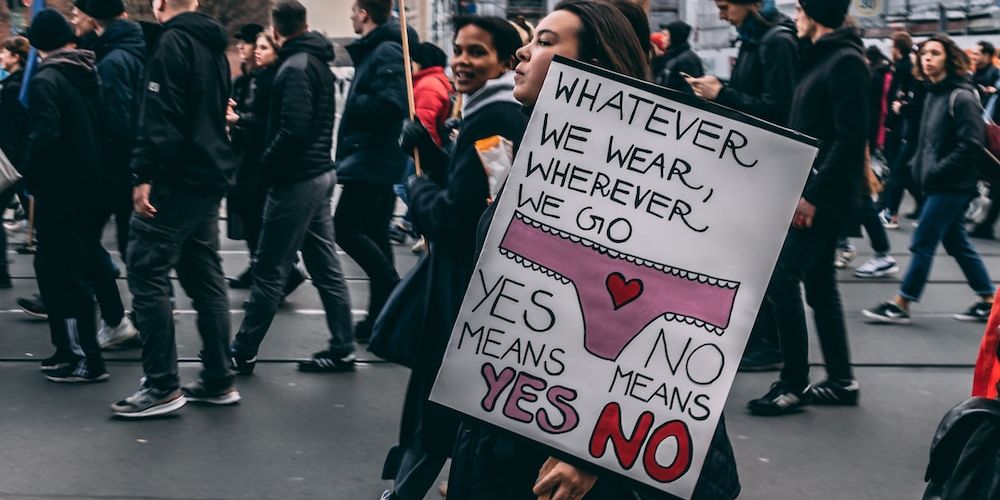
Feminism. The very word conjures images, doesn’t it? Of bra-burning radicalism? Or perhaps, a more palatable, watered-down version sold by corporations on International Women’s Day? But let’s cast aside these caricatures, these convenient narratives crafted to diminish its power. Feminism, at its core, is a seismic force, a geological shift reshaping the landscape of our shared existence. It’s not just about women; it’s about dismantling the entire patriarchal edifice, brick by insidious brick. This is the real impact, the profound transformation often obscured by noise and misrepresentation. Consider this your intellectual wrecking ball.
Let’s delve into the trenches, shall we? Starting with the bedrock upon which society is built: The Personal as Political.
I. The Personal is Political: A Quantum Leap in Understanding
For centuries, the experiences of women were relegated to the realm of the “private sphere.” Domestic violence? A family matter. Unequal pay? A personal negotiation failure. Feminism shattered this artificial divide, exposing the systemic nature of oppression. It declared, with defiant clarity, that the personal is political. This wasn’t merely a catchy slogan; it was an epistemological earthquake.
A. Unmasking Domestic Tyranny: Feminism ripped away the veil of secrecy surrounding domestic violence, transforming it from a shameful secret to a societal ill demanding urgent action. Shelters were established, laws were enacted, and the collective silence was broken. Imagine a world where these safe havens never existed, where violence remained perpetually excused, invisible.
B. Reproductive Autonomy: The Battle for Bodily Sovereignty: The fight for reproductive rights is not simply about abortion; it’s about bodily autonomy, the fundamental right to control one’s own body and destiny. Denying women this right is tantamount to treating them as vessels, denying them full personhood. Access to contraception and safe abortion has demonstrably reduced maternal mortality rates and empowered women to make informed choices about their lives, impacting economies and social structures immeasurably.
C. Challenging the Wage Gap: A Structural Inequity: The persistent wage gap, the infuriating reality that women are paid less than men for doing the same work, is a blatant manifestation of systemic sexism. Feminism has relentlessly exposed this injustice, pushing for equal pay legislation and challenging the ingrained biases that perpetuate it. This is not merely about economic fairness; it’s about recognizing the inherent value of women’s labor and contributions. Short sighted, isn’t it, to undervalue half of the population?
II. Reconstructing the Legal Framework: From Subjugation to Equality (In Theory)
The law, often presented as objective and impartial, has historically been a tool of patriarchal control. Feminism has systematically dismantled discriminatory laws and fought for legal reforms that recognize women as equal citizens.
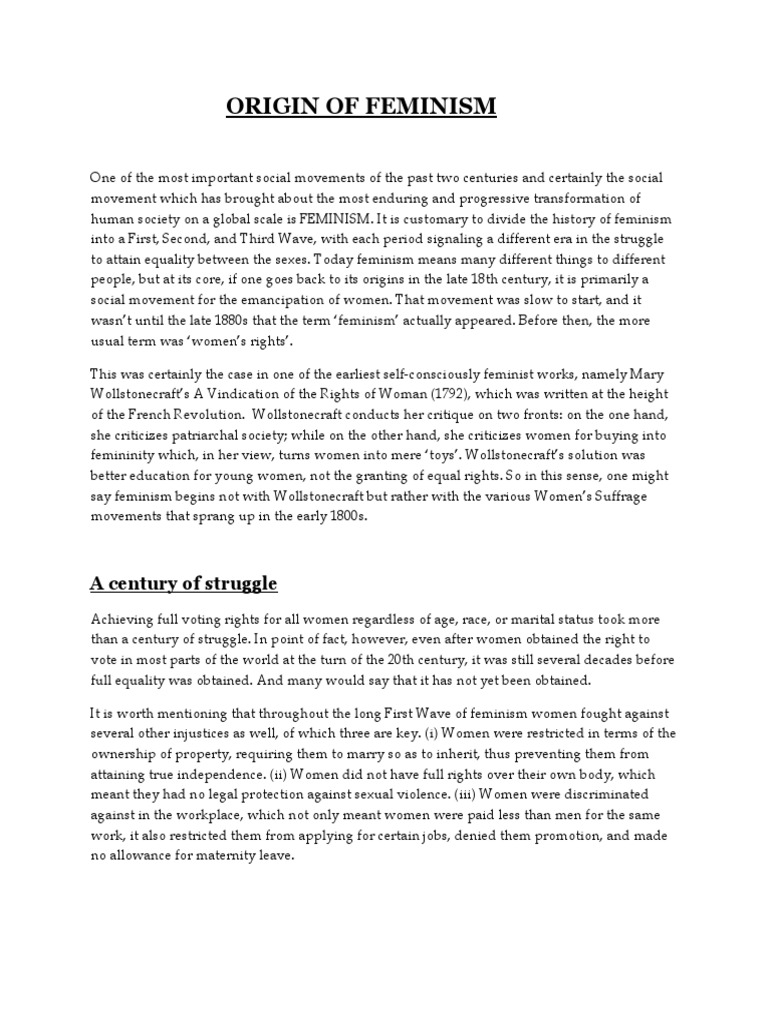
A. Suffrage: The Foundational Victory: The fight for the right to vote, a decades-long struggle marked by sacrifice and resilience, was a cornerstone of feminist activism. Suffrage wasn’t just about casting a ballot; it was about claiming a voice in the political process, demanding representation, and challenging the notion that women were incapable of rational thought and political participation. Think about this: entire nations denied voices based purely on gender.
B. Property Rights: From Chattel to Owners: Historically, women were often considered the property of their fathers or husbands, with limited or no rights to own property. Feminist legal reforms granted women the right to own property, control their earnings, and inherit wealth, empowering them economically and increasing their independence. These were radical transformations that reshaped family dynamics and challenged traditional power structures.
C. Divorce Laws: Escaping Marital Prisons: Prior to feminist legal reforms, divorce was often difficult or impossible for women to obtain, leaving them trapped in abusive or unhappy marriages. Feminist activism led to the liberalization of divorce laws, allowing women to escape untenable situations and rebuild their lives. This fundamentally altered the institution of marriage, transforming it from a binding contract into a partnership based on mutual consent.
III. Education: Unlocking Potential, Shattering Ceilings
Access to education is not merely about acquiring knowledge; it’s about unlocking potential, fostering critical thinking, and empowering individuals to shape their own destinies. Feminism has fought tirelessly to ensure that girls and women have equal access to education at all levels.
A. Challenging Gender Stereotypes in Education: For generations, girls were steered towards traditionally “feminine” subjects, such as home economics and literature, while boys were encouraged to pursue science and mathematics. Feminism has challenged these gender stereotypes, promoting STEM education for girls and encouraging them to pursue careers in traditionally male-dominated fields. The audacity! The nerve!
B. Increased Female Representation in Academia: Feminism has led to a significant increase in the number of women in academia, both as students and faculty members. This has not only expanded access to education for women but has also enriched the intellectual landscape by bringing diverse perspectives and experiences to the forefront.
C. Gender Studies: A Critical Lens on Power Dynamics: The emergence of gender studies as an academic discipline has provided a critical lens for analyzing power dynamics, challenging patriarchal norms, and promoting gender equality. Gender studies programs offer students a nuanced understanding of the social, cultural, and political forces that shape gender identities and relationships.
IV. Transforming the Cultural Landscape: Disrupting Narratives, Reclaiming Agency
Culture, the collective expression of our values and beliefs, is a powerful force that shapes our perceptions and influences our behavior. Feminism has challenged dominant cultural narratives that perpetuate sexism and misogyny, creating space for alternative representations of women and promoting more equitable cultural norms.
A. Challenging Beauty Standards: The relentless pursuit of unrealistic beauty standards has historically been a source of immense pressure and anxiety for women. Feminism has challenged these standards, promoting body positivity, celebrating diverse forms of beauty, and encouraging women to embrace their natural selves. The notion of “perfect” is a capitalist construct designed to sell products, after all.
B. Representation in Media: Feminism has pushed for greater representation of women in media, both in front of and behind the camera. This includes advocating for more female directors, writers, and producers, as well as challenging stereotypical portrayals of women in film and television. Seeing is believing, and positive representation can be transformative.
C. Reclaiming Language: Feminism has challenged the use of sexist language and promoted the use of inclusive language that reflects the diversity of human experience. This includes replacing gendered terms with neutral alternatives and challenging the use of language that reinforces harmful stereotypes. Language shapes thought, and intentional language can create a more equitable world.
V. The Ongoing Struggle: Intersectional Feminism and the Future of Equality
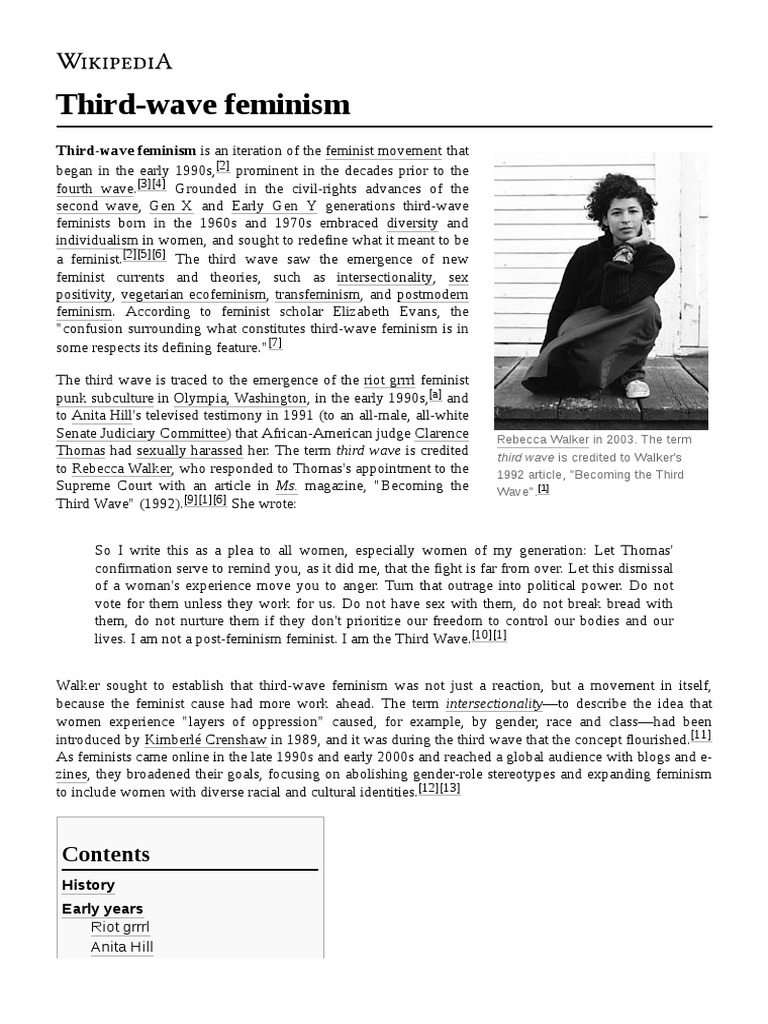
Feminism is not a monolithic movement; it is a diverse and evolving force that recognizes the intersectionality of oppression. Intersectional feminism acknowledges that women experience oppression differently based on their race, class, sexual orientation, disability, and other identities. It seeks to address the complex and interconnected systems of power that perpetuate inequality.
A. Recognizing Intersectional Identities: Intersectional feminism challenges the notion that all women share the same experiences and priorities. It recognizes that the struggles of women of color, LGBTQ+ women, and women with disabilities may be different from those of white, heterosexual, able-bodied women. Failing to acknowledge this nuance is a disservice to the entire movement.
B. Amplifying Marginalized Voices: Intersectional feminism prioritizes the voices of marginalized women, ensuring that their experiences and perspectives are heard and valued. It recognizes that those who are most affected by oppression are often best equipped to lead the fight for liberation.
C. Building Solidarity Across Differences: Intersectional feminism seeks to build solidarity across differences, recognizing that all forms of oppression are interconnected. It emphasizes the importance of working together to dismantle the systems of power that perpetuate inequality for all.
The transformation wrought by feminism is undeniable. It has reshaped legal frameworks, challenged cultural norms, and empowered countless women to live more fulfilling lives. Yet, the struggle is far from over. The insidious tendrils of patriarchy continue to grip our society, manifesting in new and subtle ways. The fight for equality demands unwavering vigilance, relentless activism, and a commitment to intersectional principles. We must continue to challenge the status quo, disrupt the dominant narratives, and build a future where all individuals, regardless of their gender, can thrive. The revolution, like a slow-burning ember, continues to ignite.






Leave a Comment