Recycling is often framed as a mundane, domestic chore—something women are “naturally” better at, while climate policy remains a domain of suits and ties, where men dictate the terms of our collective survival. This dichotomy isn’t accidental. It’s a reflection of how labor, power, and environmental responsibility have been historically gendered, with women saddled with the emotional and physical labor of care, while men shape the systems that govern our world. The irony? The planet doesn’t care about gender roles. But the systems we’ve built do. And that’s why recycling feels like women’s work, while climate policy remains men’s territory—even when the stakes couldn’t be higher.
The Invisible Labor of Recycling: Why Women Bear the Burden
Every time you rinse a yogurt cup or sort a cardboard box, you’re participating in a ritual that has been feminized to the point of invisibility. Recycling isn’t just about sustainability—it’s about the unpaid, unacknowledged work that women have been conditioned to perform. From childhood, girls are taught to be “neat,” to “clean up,” to “take care of things.” These are not just personal habits; they’re societal expectations that extend into adulthood. Men, on the other hand, are rarely socialized to see waste management as their domain. When a man throws a plastic bottle into the trash, it’s often met with a shrug. When a woman does the same, it’s a moral failure.
This isn’t just about individual behavior—it’s about systemic reinforcement. Advertising, education, and even corporate sustainability campaigns often target women as the primary audience for recycling initiatives. Why? Because it’s easier to place the responsibility on the shoulders of those already conditioned to care than to demand accountability from those in power. The message is clear: *Women, fix the mess. Men, make the policies that got us here.*

The Masculine Architecture of Climate Policy: Who Really Holds the Power?
If recycling is the feminine face of environmentalism, climate policy is its patriarchal backbone. The rooms where climate agreements are negotiated, where carbon markets are designed, where energy transitions are debated—these are spaces dominated by men. Not just any men, but men who have been trained to see the world through the lens of control, extraction, and dominance. The language of climate policy is one of “managing” resources, “optimizing” systems, “balancing” economies—all metaphors that betray a worldview where nature is a problem to be solved, not a living system to be respected.
This isn’t just a matter of representation. It’s about how power operates. Men in positions of authority have historically framed environmental issues as technical challenges rather than moral imperatives. They speak in spreadsheets and jargon, while the real-world consequences—floods, droughts, crop failures—are left to women to navigate. The result? Policies that prioritize profit over people, that treat nature as a commodity, and that fail to address the root causes of ecological collapse. Recycling, then, becomes a Band-Aid—a way to make individuals feel like they’re contributing, while the systems that created the crisis remain untouched.
The gendered divide in climate action isn’t just frustrating—it’s dangerous. When women are expected to bear the emotional and physical labor of sustainability, while men dictate the terms of survival, we’re left with a system that’s fundamentally unbalanced. One that treats care as a weakness and control as strength. One that sees the planet as a resource to exploit rather than a home to nurture.
The Hypocrisy of “Personal Responsibility” in a Broken System
There’s a cruel irony in the way we talk about recycling. On one hand, we’re told that individual actions matter—that every plastic bottle recycled is a step toward salvation. On the other, we’re discouraged from asking why there are so many plastic bottles in the first place. The focus on personal responsibility is a distraction, a way to shift the burden of systemic failure onto the shoulders of those least equipped to carry it.
Women, in particular, are caught in this trap. They’re praised for their “green” habits while being systematically excluded from the decision-making processes that shape the world. They’re told to compost their food scraps while corporations dump toxic waste into rivers. They’re encouraged to buy “eco-friendly” products while the industries producing them continue to pollute. The message is clear: *You are responsible for fixing what we broke. We will keep breaking things.*
This isn’t just unfair—it’s unsustainable. A system that relies on the unpaid labor of half the population to clean up the mess of the other half is doomed to fail. And yet, we’re expected to keep sorting our trash, keep reducing our carbon footprints, keep hoping that the men in power will finally do the right thing. But hope isn’t a strategy. And recycling isn’t a revolution.
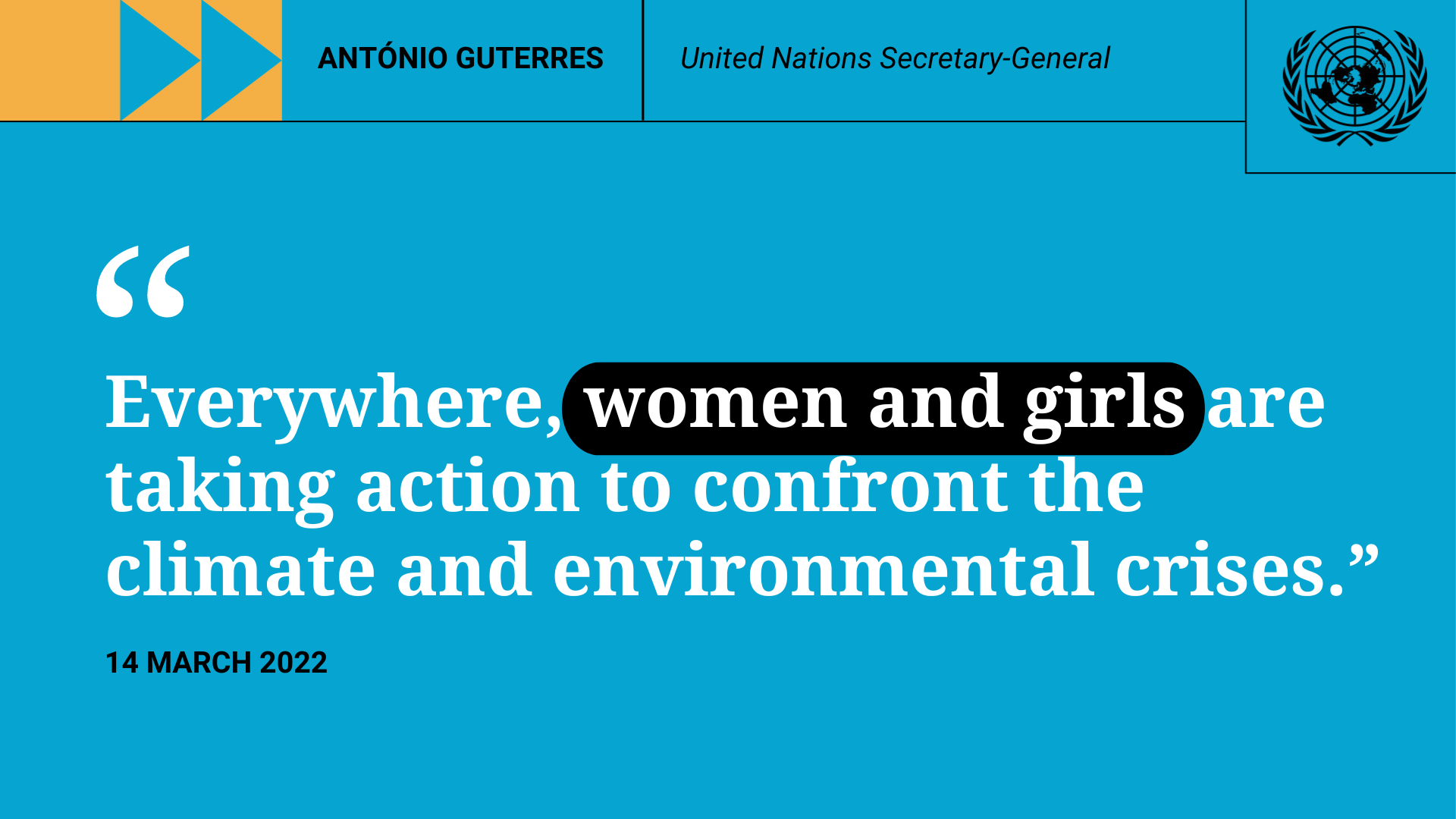
What Happens When Women Demand More Than Recycling?
The real climate revolution won’t come from women sorting their recycling bins more efficiently. It will come when women stop being the only ones held accountable for the planet’s health. When the men who design energy systems are forced to reckon with the consequences of their decisions. When the language of sustainability shifts from “personal responsibility” to “systemic change.”
This isn’t about rejecting recycling—it’s about rejecting the idea that recycling is enough. It’s about demanding that the people who have the power to make real change—corporate leaders, policymakers, investors—stop treating the planet like a problem to be managed and start treating it like a living system that deserves respect. It’s about recognizing that the feminization of care isn’t a virtue—it’s a failure of imagination. A failure to build a world where everyone, regardless of gender, is expected to contribute to the collective good.
The next time someone tells you that recycling is women’s work, ask them why. Ask them why the people who profit from pollution get to decide the terms of our survival. Ask them why the burden of care always falls on the same shoulders. And then demand better. Not just from yourself—but from the systems that shape our world.









Leave a Comment