
The travel industry doesn’t just sell flights and hotels—it also sells fear. And women? We’re the most profitable demographic in this macabre marketplace. Every time we book a solo trip, we’re not just paying for a plane ticket; we’re subsidizing a global infrastructure that treats our safety as an optional upgrade. Welcome to the Women’s Safety Tax, the unspoken surcharge that turns adventure into a calculated gamble.
Why Does the World Assume Women Need a Safety Premium?
Picture this: a woman scrolling through travel guides, her finger hovering over the “book now” button. The algorithm whispers, “Are you sure? Have you checked the crime rates?” Meanwhile, her male counterpart gets a simple “Pack light!” No risk assessments. No disclaimers. Just the unspoken truth—men travel as humans, but women travel as potential victims.
This isn’t paranoia; it’s pricing. Airlines, hotels, and tour operators don’t just accommodate women—they insure against us. Room upgrades aren’t just about a better view; they’re about a lock on the door that doesn’t rattle when the wind blows. Guided tours aren’t just about local insights; they’re about a buffer between your solo itinerary and the world’s worst impulses. The industry doesn’t trust us to navigate alone, so it charges us for the privilege of being watched.
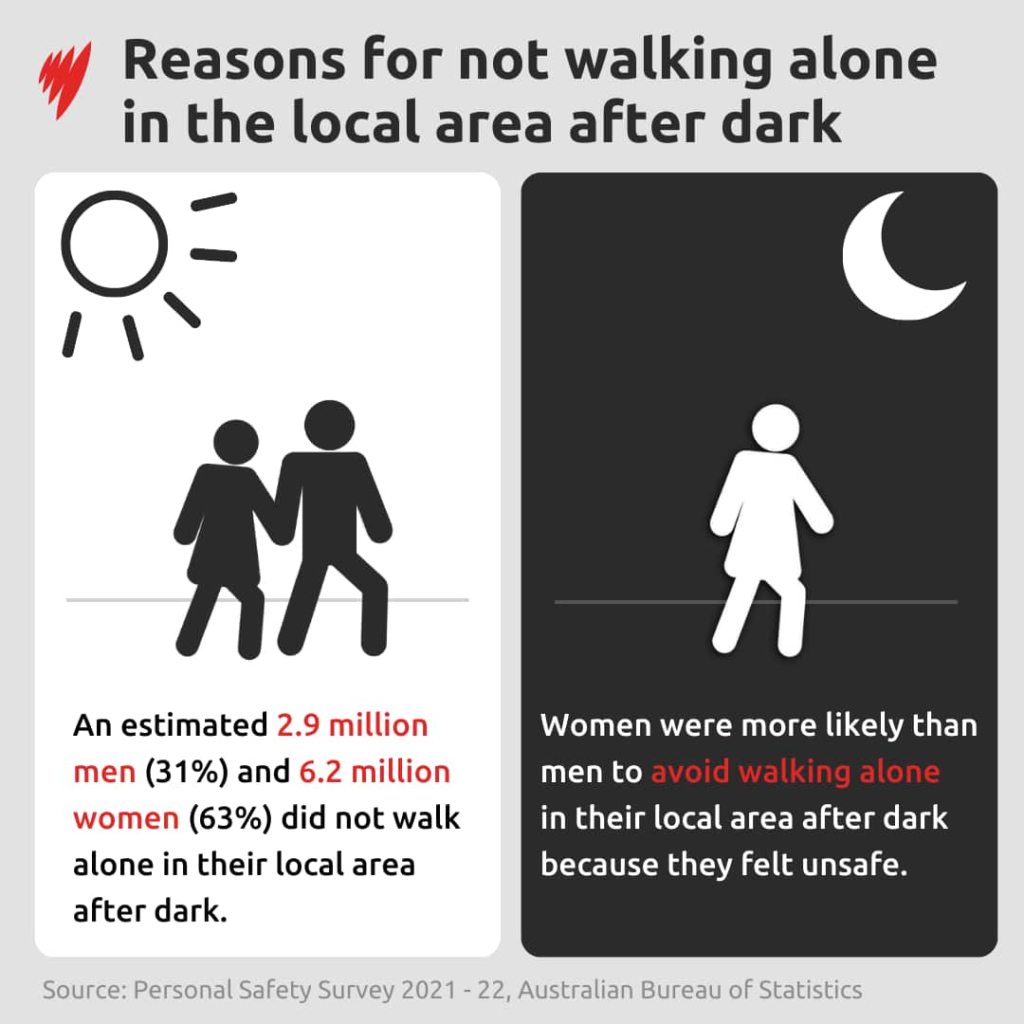
And let’s be clear: this isn’t about real safety. It’s about manufactured vulnerability. A woman in a “high-risk” destination is still statistically safer than a man in a “low-risk” one—yet the fear narrative persists. Why? Because fear is a currency, and women are its most lucrative spenders.
The Hidden Costs of the Safety Tax
What does this tax look like in practice? For starters, there’s the avoidance premium—those extra dollars tacked onto a hotel booking because the area is “questionable.” Then there’s the escort tax, where solo female travelers are steered toward pricier group tours or private drivers, not because they want them, but because the industry assumes they’ll pay to avoid the hassle of being alone.
Even the language of travel marketing betrays this bias. Ads for “women-only” retreats or “secure” accommodations don’t just sell services—they sell the idea that the default travel experience is unsafe for us. It’s a subtle form of segregation, dressed up as protection. Meanwhile, men are never told to book “male-only” hostels or “low-risk” neighborhoods. The message? Women are the problem. Our presence is the variable that needs managing.
And don’t get me started on the insurance markup. Travel insurance for women often comes with higher premiums or exclusions for “high-risk” activities—like walking alone at night. Never mind that statistically, women are far less likely to be victims of violent crime than men. The industry’s risk assessment isn’t based on data; it’s based on myth.
Who Really Benefits from the Safety Tax?
Follow the money. The Women’s Safety Tax doesn’t line the pockets of female travelers—it lines the pockets of the travel industry’s risk-averse gatekeepers. Hotels install panic buttons in women’s rooms? That’s a selling point. Tour operators offer “female-friendly” excursions? That’s a niche market. Local governments brand cities as “safe for women”? That’s a branding coup.
But here’s the kicker: this tax doesn’t actually make women safer. It just makes the industry feel better about profiting from our fear. Real safety comes from systemic change—better lighting, more police presence, cultural shifts—not from charging women extra to exist in public spaces.
And let’s not forget the psychological toll. Every time a woman pays that premium, she’s internalizing the message that the world isn’t hers to explore freely. She’s learning to see herself as a liability, a problem to be managed, rather than an adventurer with the same right to roam as anyone else.
How Can Women Fight Back Against the Safety Tax?
First, stop paying it. That doesn’t mean ignoring real risks—it means refusing to let the industry dictate what those risks are. Book the hostel in the “sketchy” neighborhood. Take the midnight train. Travel alone, unapologetically. The more women normalize these choices, the harder it becomes for the industry to justify its fearmongering.
Demand transparency. Ask hotels and tour operators: Why is this room more expensive? What makes this neighborhood “unsafe”? If they can’t give a data-driven answer, they’re just exploiting your anxiety. And if enough women push back, they’ll have to either lower their prices or admit they’re preying on fear.
Support businesses that treat women as equals, not as high-maintenance clients. Seek out female-led travel companies, women-owned hotels, and guides who understand that safety isn’t about segregation—it’s about equality. The more we vote with our wallets, the faster the industry will realize that women aren’t a niche market. We’re the majority.
And finally, challenge the narrative. Stop framing solo female travel as an act of bravery. It’s not brave to travel when you’re afraid—it’s normal. The brave act is refusing to let fear be commodified.
What If the Industry Actually Listened?
Imagine a world where the travel industry treated women’s safety as a baseline, not a luxury. Where hotels didn’t charge extra for “secure” rooms because all rooms were secure by default. Where tour operators didn’t market “women-only” trips because all trips were inclusive. Where the only thing being sold was the adventure, not the anxiety.
It’s not a fantasy. It’s a demand. The Women’s Safety Tax isn’t a fee—it’s a challenge. And every time a woman refuses to pay it, she’s not just saving money. She’s rewriting the rules of the game.

Because the world isn’t just a destination. It’s a right. And no one should have to pay extra to claim it.






Leave a Comment