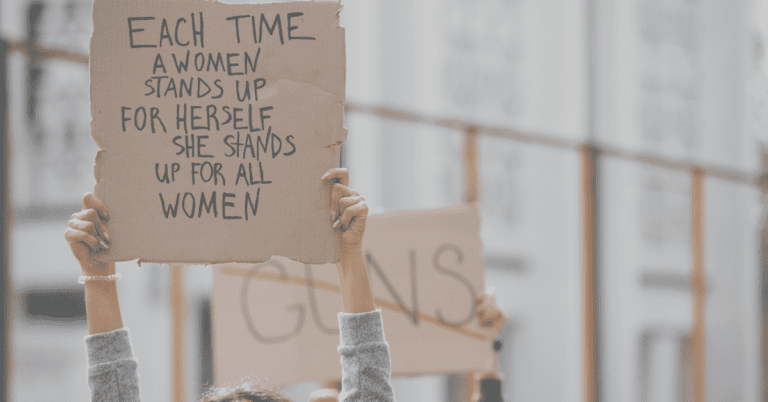
What if the most explosive revolutions in history weren’t sparked by barricades or bullets, but by the quiet defiance of ink on paper? What if the pen—clenched in the fists of women who refused to be silenced—became the most dangerous weapon of all? Feminist poetry isn’t just pretty words arranged on a page; it’s a Molotov cocktail wrapped in velvet, a whisper that grows into a scream, a single line of verse that topples empires. From the salons of 18th-century Paris to the underground zines of 20th-century punk scenes, poetry has been the incendiary fuel of feminist uprisings. But how did these stanzas, these metaphors, these carefully crafted lines of rage and longing, manage to ignite the kind of change that reshaped societies? Buckle up. We’re about to dissect the explosive alchemy of feminist poetry—and the challenge it poses to those who still believe oppression is an unshakable fortress.
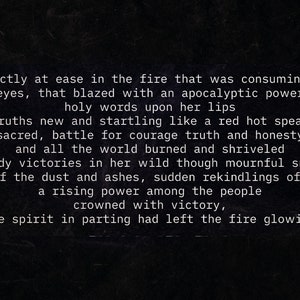
The Birth of Feminist Poetry: When Ink Became a Weapon
Picture this: the year is 1792, and a woman named Mary Wollstonecraft is scribbling furiously in her London lodgings. Her manifesto, A Vindication of the Rights of Woman, isn’t just a political tract—it’s a poetic manifesto disguised as prose. She wields language like a scalpel, dissecting the hypocrisy of a society that praises female virtue while chaining women to the altar of domesticity. But Wollstonecraft’s words weren’t just read; they were felt. They seeped into the collective consciousness, turning abstract grievances into tangible outrage. This was the birth of feminist poetry as a tool of subversion—not just a mirror reflecting oppression, but a hammer shattering it.
Fast forward to the 19th century, where the Bloomer Girls—a radical faction of feminists in the U.S.—paired their rebellious fashion with rebellious verse. Their poetry wasn’t delicate; it was combative. Lines like *“We’ll wear the breeches if we please”* weren’t just sartorial declarations; they were battle cries. These women understood something radical: poetry could be worn like armor. It could be shouted from soapboxes, scribbled on bathroom stalls, passed hand-to-hand in secret. The challenge? To make oppression feel so unbearable that silence became impossible.
Underground Zines and the Punk Poets: Poetry as a Molotov
The 20th century saw feminist poetry evolve from salon chatter to arson. Enter the underground zines of the 1970s and 80s—a DIY revolution where women bypassed traditional publishing to scream their truths into the void. These weren’t polished anthologies; they were raw, unfiltered, and often ugly in the best way. Poets like Susan Griffin and Adrienne Rich turned personal pain into political dynamite. Griffin’s *“Woman and Nature”* didn’t just describe the oppression of women; it embodied it, weaving ecological destruction with patriarchal violence in a way that left readers gasping.
Then came the punks—the riot grrrls who fused poetry with noise, who turned their anger into a three-chord scream. Kathleen Hanna’s *“Riot Grrrl Manifesto”* wasn’t just a call to arms; it was a sonnet of sedition. *“Revolution grrrl style now!”* wasn’t a suggestion; it was an ultimatum. These women didn’t just write poetry—they performed it, spat it, screamed it until the walls trembled. The challenge? To make rebellion feel as urgent as breathing. To refuse the polite request for change and instead demand it with a clenched fist and a snarl.

The Digital Age: When Poetry Became a Viral Wildfire
Now, fast-forward to the 21st century, where feminist poetry isn’t just confined to printed pages or smoky underground venues—it’s a virus, spreading across social media in seconds. Platforms like Instagram and TikTok have turned poetry into a meme, a hashtag, a rallying cry. Poets like Rupi Kaur and Warsan Shire have mastered the art of the micro-manifesto—short, sharable lines that lodge in the brain like splinters. *“You are a storm,”* Shire writes. *“I am the sky.”* It’s not just a metaphor; it’s a declaration of sovereignty.
But here’s the rub: in an era of algorithmic oppression, where even rebellion is monetized, how do we keep poetry from becoming just another commodity? The challenge isn’t just to write feminist verse—it’s to write verse that burns through the noise. To make sure that when a woman’s words go viral, they don’t just trend—they terrify. The digital age has democratized poetry, but it’s also diluted its edge. The question isn’t whether feminist poetry can still start revolutions; it’s whether we’re willing to let it.
The Uncomfortable Truth: Poetry Alone Won’t Save Us
Let’s be real: feminist poetry is a flamethrower, but it’s not a fire extinguisher. It can illuminate the cracks in the system, but it can’t rebuild the world on its own. The challenge? To recognize that poetry is a catalyst, not a cure. It can inspire marches, fuel strikes, and topple statues—but only if we pair it with action. The most revolutionary poets knew this. Sylvia Plath didn’t just write about despair; she lived it, and her words became a mirror for millions. Audre Lorde didn’t just pen odes to difference; she demanded it, turning her poetry into a blueprint for solidarity.
So here’s the provocative question: If feminist poetry has the power to start revolutions, why do we still treat it like a footnote in history? Why do we relegate it to “women’s studies” courses instead of placing it in the hands of every child, every activist, every person who’s ever felt the weight of an unjust world? The answer isn’t that poetry lacks power—it’s that we’ve been taught to underestimate it. The challenge is to stop treating feminist poetry as a pretty accessory and start wielding it like the weapon it was always meant to be.
The Future: Can Poetry Still Be Dangerous?
The final frontier? To ensure that feminist poetry doesn’t become a relic of the past, but a living, breathing force of the present. The challenge isn’t just to write it—it’s to live it. To let it seep into our bones, to let it dictate our actions, to let it remind us that oppression isn’t just a system to critique—it’s a fire to extinguish.
So go ahead. Write the poem that scares you. Perform it in a crowded square. Slap it on a wall. Make it so unbearable that the world has no choice but to listen. Because the next revolution isn’t coming—it’s already here, and it’s written in ink, in blood, in the unapologetic defiance of a woman who refused to be quiet.





Leave a Comment