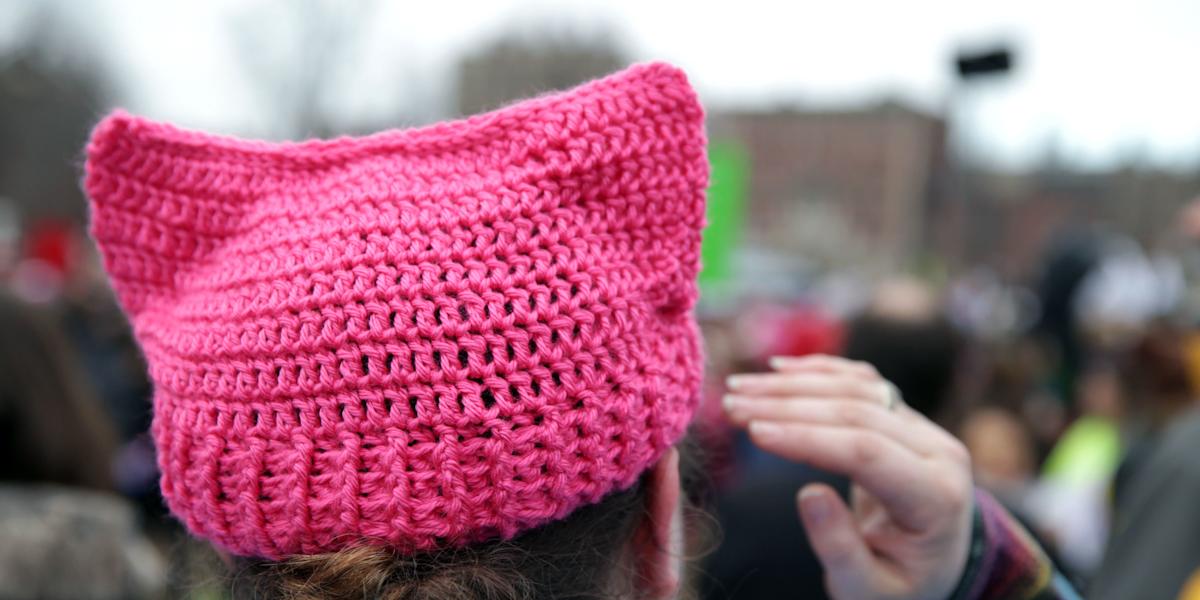
In the kaleidoscopic realm of social upheaval, protest fashion emerges not merely as a sartorial statement but as a visceral, dynamic language of resistance. While the pink hat swiftly became an emblematic icon of feminist dissent, reducing protest fashion to a single hue or accessory grossly underestimates its rich tapestry. The garments, colors, and symbols donned by activists convey multifaceted narratives, galvanizing movements and sculpting public consciousness. This discourse unpacks the intricate layers beneath protest fashion, revealing its potency far beyond the pink hats parade.
The Semiotics of Color and Fabric: More Than Meets the Eye
Color in protest fashion operates as a semiotic palette, each hue charged with historical resonance and political intent. The pink hat’s ascendance during the Women’s March encapsulated a tactical reclamation of femininity. Yet, protest wardrobes often interweave colors like red—the color of revolution and urgency—or black, evoking mourning and solidarity. Consider the Chiapas indigenous movements, whose textile patterns articulate suppressed histories. Fabrics themselves—whether rough hemp or delicate silk—reflect class struggle or cultural heritage, embedding protest within tactile experience.

Symbolism Beyond Accessories: When Clothing Becomes a Manifesto
A pink hat may crown a protester’s head, but the full ensemble often reveals a clandestine manifesto. Embroidered slogans, patchwork collages, and hand-painted jackets transform bodies into walking billboards. Resistance wears many faces—from the crisp, militant lines of uniform-inspired gear signaling unity and order to the anarchic DIY aesthetic tearing down capitalist consumerism. These manifestations are deliberate, coded forms of communication designed to disrupt the complacency of public spaces.
Intersectionality in Threads: Weaving Inclusive Narratives
Protest fashion is not monolithic; it breathes intersectionality. The patterns and styles chosen reflect the myriad identities within social justice movements, from Black Lives Matter’s Afrocentric prints to LGBTQ+ rainbow flag-inspired garments. This sartorial inclusivity expands the boundaries of feminist protest—amplifying voices historically marginalized. More importantly, this diversity challenges the narrow aesthetic tropes that often dominate mainstream portrayals, insisting on representation and respect.

DIY Culture: The Rebellion of Handmade Protest Wear
In a world suffocated by fast fashion and corporate homogenization, the hands-on creation of protest attire is a revolutionary act in itself. Stitching, screen printing, and repurposing clothing democratize fashion, breaking down barriers between designer and wearer. This bricolage ethics fosters community, encourages creativity, and subverts capitalist systems that threaten grassroots movements. Each thread is a testament to resilience and self-expression, resonating with intimate commitment.
The Media’s Role: From Visual Iconography to Political Commodity
The media’s voracious appetite for visual symbols compels protest fashion to perform on dual stages: one of activism and one of spectacle. The pink hat’s media ubiquity granted it mythic status but also sparked commodification, diluting its rebellious edge. Understanding protest fashion requires peeling back this veneer to recognize how images circulate, influence public discourse, and sometimes commodify dissent. Protest fashion’s capacity to disrupt is entangled with its vulnerability to co-option.
Technology and Social Media: Catalysts for Fashioned Resistance
Through the immediacy of social media, protest fashion transcends geographic and cultural barriers. Instagram feeds and TikTok videos document, magnify, and inspire global waves of sartorial defiance. Hashtags and viral moments translate protest aesthetics into accessible, shareable narratives. However, this digital amplification also pressures activists to produce visually striking attire, sometimes prioritizing spectacle over substance—a paradox that continues to shape the evolution of protest fashion.
Looking Forward: The Future Fabric of Feminist Protests
Beyond ephemeral trends lies an enduring evolution of protest fashion, one that increasingly embraces sustainability, ethics, and radical inclusivity. Future feminist protests will likely intertwine eco-conscious materials with high-concept design, advancing narratives that confront not only gender oppression but also environmental injustice and global inequity. Protest fashion will continue to break molds, a living archive documenting struggle and triumph stitched into the very fabric of activism.










Leave a Comment