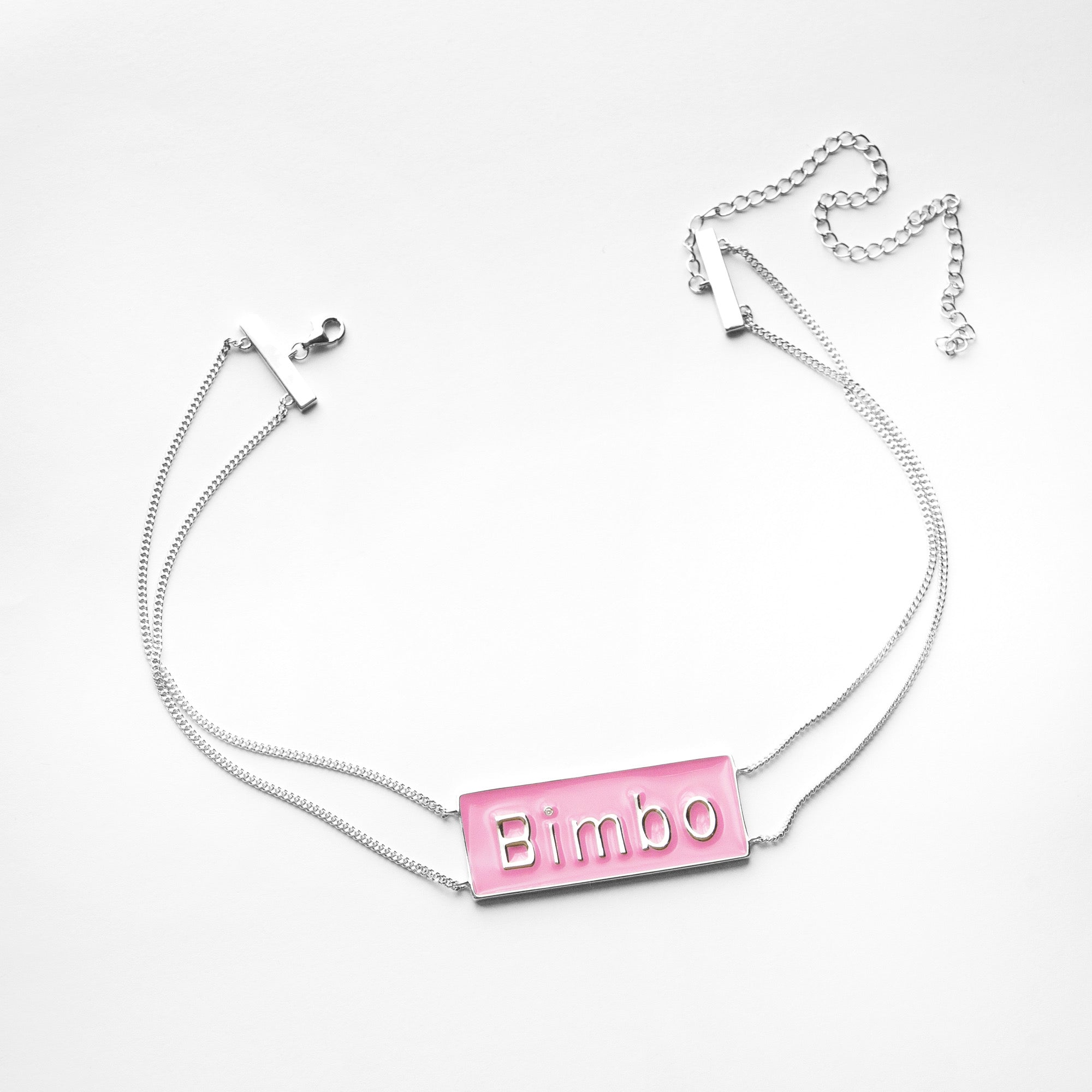
In an era where cultural narratives are incessantly shifting and identities are perpetually renegotiated, the resurgence of the “bimbo” archetype in contemporary media demands rigorous scrutiny. Is this reimagining an audacious act of reclamation, empowering autonomy in traditionally derided femininity? Or does it insidiously perpetuate archaic tropes, entrenching women further into reductive stereotypes? This playful yet pointed inquiry unearths a labyrinthine debate about agency, representation, and the politics of allure in digital and popular culture.
The Etymology and Evolution of the ‘Bimbo’
To unravel the “Bimbo Renaissance,” one must first excavate the term’s historical sediment. Originally a pejorative label, “bimbo” evoked images of superficiality, naivety, and sexual objectification—a trifecta that disempowered women through ridicule and marginalization. Yet, as feminist discourses proliferated, especially in the late 20th and early 21st centuries, some subversive thinkers began to reframe this caricature. The question emerges: can those three seemingly damning traits be recontextualized as symbols of empowerment rather than subjugation?
This linguistic metamorphosis is neither linear nor universally embraced. For many, the bimbo remains a vessel of patriarchal mockery—a trope wielded to undermine women’s intellectual legitimacy. For others, the figure is reappropriated with playful defiance, a bold declaration that intellect and aesthetic expression needn’t exist in opposition. The renaissance, then, is not merely a revival but a battleground where meanings collide and conflate.
Visual Semiotics: The Power and Pitfalls of the Aesthetic
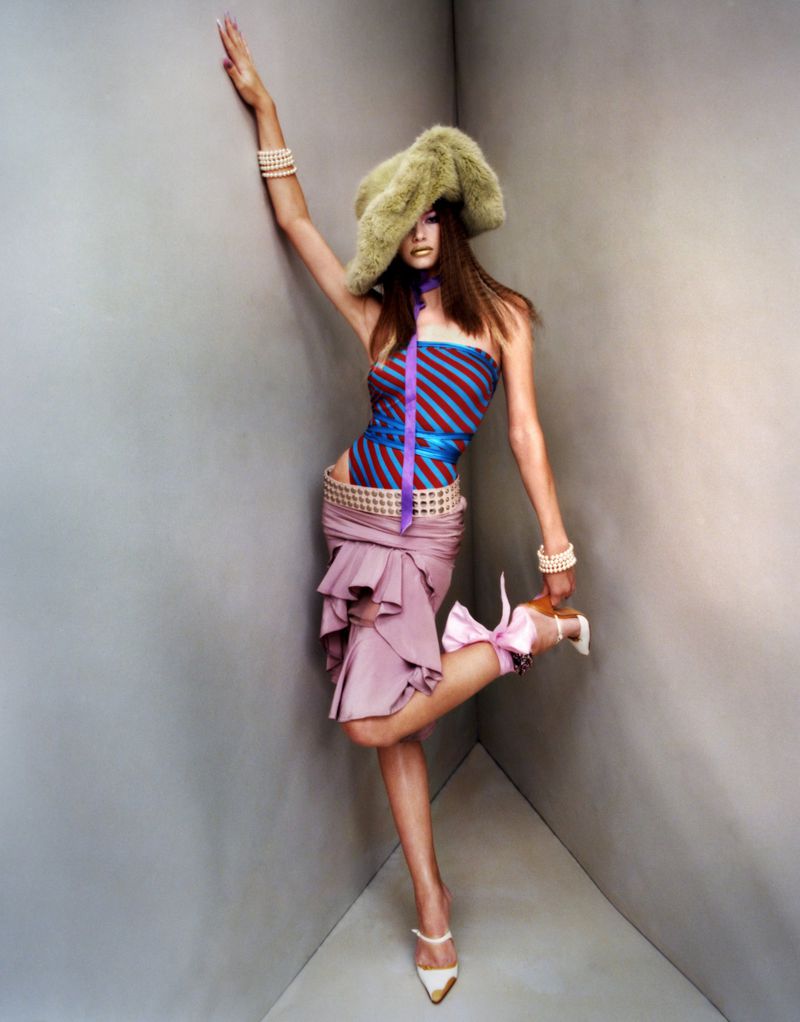
Visual culture is instrumental in shaping public perceptions of the bimbo renaissance. The flamboyant hairstyles, hyper-feminine clothing, and exaggerated makeup styles echo historic pinup imagery but are turbocharged by digital amplification. This aesthetic tantalizes with its audacity, blurring lines between caricature and couture. But is this flamboyance a shield or a snare?
On one hand, these visual signifiers can serve as powerful tools of self-expression and autonomy—unauthorized declarations that resist conformity and celebrate feminine exuberance. On the other, they risk reducing women to eye candy, reinforcing the narcissistic and commodified essence historically ascribed to the bimbo. This tension is the crucible in which the renaissance either gleams or crumbles.
Agency and Subversion: Empowerment or Exploitation?
The most provocative challenge posed by the bimbo renaissance is the interrogation of agency. When women consciously adopt the bimbo persona, are they exercising autonomy over their bodies and narratives, or are they capitulating to a preexisting framework that commodifies femininity?
This dialectic is not easily settled. Some feminists champion the act of self-styling as an assertion of sovereignty—refusing to adhere to conventional standards of “acceptable” feminism that often valorize austerity or intellectualism over sensuality. The bimbo becomes a reclaimed icon, one who revels in her desires and manipulates societal gazes. Yet others caution that adopting such a persona may inadvertently entrench gendered expectations, playing into a spectacle that prioritizes appearance over substance.
Moreover, the digital age complicates this calculus. Social media platforms incentivize visibility, often rewarding amplified exaggeration and performativity. The bimbo’s ostentatious flair fits neatly into these algorithms, but the question remains: are these women mastering the system, or merely performing its demands?
Intersectionality and the Limits of the Bimbo Archetype
To comprehensively dissect the renaissance, an intersectional lens must be applied. The bimbo trope, historically steeped in whiteness and heteronormativity, often neglects the variegated experiences of women across race, class, and sexuality. When women of color or LGBTQ+ individuals engage with or resist the archetype, the narrative becomes exponentially more complex.
Does the reclaimed bimbo narrative encompass these divergent identities, or does it circumscribe itself within a narrow cultural milieu? The risk of erasure and tokenization is tangible, underscoring that any reclamation effort devoid of inclusivity may inadvertently replicate the exclusionary paradigms it aims to dismantle. Thus, the renaissance must be critically appraised not only for its surface provocations but for its capacity to expand frameworks of representation.
Media’s Role: Catalyst or Complicity?

Media industries stand at the epicenter of the bimbo renaissance, alternately catalyzing transformation and perpetuating stereotypes. From glossy magazines to viral TikTok trends, the media martyrs and magnifies the bimbo image with feverish intensity. At times, it promotes this resurgence as a cutting-edge, feminist-forward movement; on other occasions, it reduces it to a mere marketing gimmick, devoid of nuance.
This duplicitous role of media demands scrutiny. Are content creators and corporate interests leveraging the bimbo archetype to commodify rebellion, converting rebellion into revenue? Or do they provide platforms that amplify voices challenging monolithic gender scripts? The answers are messy, underscored by the interplay of market forces, cultural shifts, and audience reception.
Conclusion: Navigating the Ambiguities of the Renaissance
The bimbo renaissance occupies a tantalizingly ambiguous space between parody and prestige, derision and dignity. It invites us to reconsider the boundaries between objectification and ownership, spectacle and substance. Ultimately, whether this cultural moment signifies genuine reclamation or a repackaged mockery hinges on ongoing dialogues—among creators, consumers, and critics alike.
In wrestling with this controversy, society confronts broader questions about femininity, power, and the politics of visibility. The bimbo, once a dismissive epithet, could become a complex symbol of layered identities—if only we dare to look beyond the glittering surface and acknowledge the potent tensions simmering underneath.








Leave a Comment