The feminist movement, ostensibly a crusade for gender egalitarianism, has historically been plagued by a blinding whiteness, a myopic vision that often relegated the experiences and perspectives of Women of Color (WOC) to the periphery. We’re talking about a movement that touted sisterhood while simultaneously silencing, marginalizing, and appropriating the voices of those who stood at the intersection of race and gender. The audacity, frankly, is breathtaking. It’s time we delve deep, dissect the contributions of these unsung heroines, and acknowledge how their struggles have fundamentally reshaped—and continue to reshape—the very fabric of feminism.
What can you expect in this exploration? A ruthless interrogation of the historical oversights, a celebration of the luminaries who refused to be silenced, and a call to action for a truly intersectional feminist future. Buckle up, because this won’t be a comfortable ride.
I. The Historical Whitewashing of Feminism
Let’s not mince words: the first and second waves of feminism were overwhelmingly white and middle-class. Their concerns – suffrage, equal pay for equal work – while valid, often failed to address the unique challenges faced by WOC. Were these women fighting for *all* women, or just women who looked like them? The answer, painfully, is often the latter. The rhetoric of universality conveniently erased the specific oppressions tied to race, class, and colonialism.
Think about it: how could a movement focused solely on legal equality truly liberate women who were simultaneously battling systemic racism, economic exploitation, and the legacy of slavery? How could it claim to represent *all* women when it actively excluded, or at best tokenized, WOC?
This exclusionary praxis had real consequences. WOC were forced to navigate a feminist landscape that often felt hostile, irrelevant, or even actively detrimental to their well-being. They were asked to prioritize gender over race, a proposition that demanded they fragment their identities and betray their lived experiences.
II. The Rise of Intersectional Consciousness
Enter the titans. Women of Color, no longer willing to tolerate their erasure, began to articulate their own distinct brand of feminism. This wasn’t about adding race to the feminist agenda; it was about fundamentally rethinking the entire framework. They introduced the concept of intersectionality, a paradigm-shifting idea that recognized the interconnected nature of social categorizations such as race, class, and gender, creating overlapping systems of discrimination or disadvantage.
Kimberlé Crenshaw, a legal scholar and critical race theorist, is often credited with coining the term “intersectionality,” but the concept itself was forged in the crucible of lived experience by generations of WOC activists and thinkers. Black feminists, Chicana feminists, Asian American feminists, Indigenous feminists – each group brought their unique perspectives to the table, challenging the dominant narrative and demanding a more inclusive and nuanced understanding of oppression.
They argued that the experience of being a woman differed drastically depending on one’s race, class, sexual orientation, and other social identities. A wealthy white woman might face gender discrimination in the workplace, but a poor Black woman might face gender discrimination, racial discrimination, and class discrimination simultaneously. To address these overlapping forms of oppression, a truly intersectional feminism was needed.
III. Key Figures and Their Contributions
To understand the depth of this transformative shift, we must acknowledge the contributions of key figures who dared to challenge the status quo:
- Sojourner Truth: Her “Ain’t I a Woman?” speech, delivered at the 1851 Women’s Rights Convention, remains a potent indictment of the racism inherent in the suffrage movement. She challenged the idealized image of womanhood, exposing the hypocrisy of a movement that excluded Black women from its definition of equality.
- The Combahee River Collective: This Black feminist lesbian organization articulated a radical vision of liberation that centered the experiences of Black women. Their 1977 statement is a foundational text of Black feminism, outlining their commitment to fighting against racism, sexism, homophobia, and class oppression simultaneously.
- Gloria Anzaldúa: A Chicana theorist and cultural critic, Anzaldúa explored the complexities of identity and borderlands, challenging the rigid boundaries of race, gender, and sexuality. Her book, “Borderlands/La Frontera: The New Mestiza,” is a seminal work in Chicana feminist theory, offering a powerful meditation on the experience of living between cultures.
- Audre Lorde: A self-described “Black, lesbian, mother, warrior, poet,” Lorde’s writings on race, sexuality, and identity are essential reading for anyone interested in understanding the intersections of oppression. Her essays and poems explored the power of difference, the importance of self-care, and the need for radical self-acceptance.
These women, and countless others, paved the way for a more inclusive and transformative feminism. They challenged the narrow focus of the mainstream movement, demanding that it address the complex realities of WOC’s lives.
IV. Challenging White Feminism’s Dominance
The rise of intersectional feminism has not been without its challenges. White feminism, often unintentionally, continues to perpetuate its dominance by:
- Centering White Women’s Experiences: Ignoring or minimizing the experiences of WOC, often framing their concerns as secondary or divisive.
- Appropriating the Labor of WOC: Taking credit for the intellectual and activist work of WOC, often without acknowledgement or compensation.
- Tokenizing WOC: Including WOC in feminist spaces for the sake of appearances, without genuinely valuing their contributions or addressing their concerns.
- Maintaining a “Colorblind” Approach: Ignoring the role of race in shaping women’s experiences, thereby perpetuating systemic racism.
Overcoming these challenges requires a conscious and sustained effort to decenter whiteness and prioritize the voices of WOC. It requires white feminists to actively listen to and learn from the experiences of WOC, to challenge their own biases and assumptions, and to use their privilege to advocate for systemic change.
V. The Ongoing Evolution of Intersectional Feminism
Intersectional feminism is not a static ideology; it is a dynamic and evolving framework that continues to adapt to the changing realities of the world. Contemporary feminist discourse is grappling with issues such as:
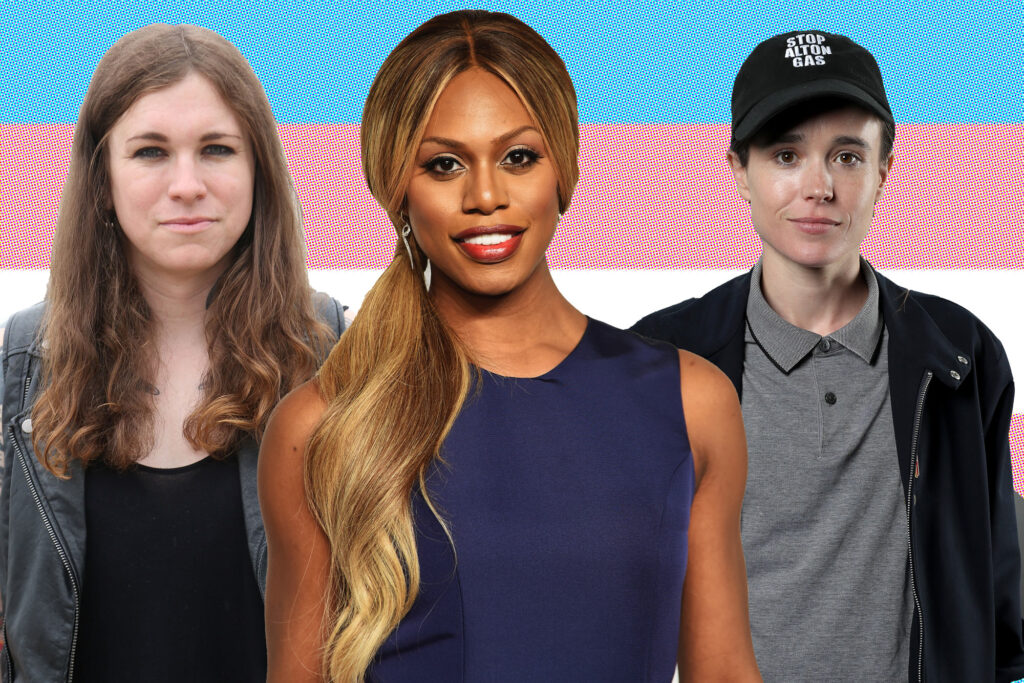
- Transgender Rights: Ensuring that transgender women of color are fully included in the feminist movement and that their rights are protected.
- Environmental Justice: Recognizing the disproportionate impact of environmental degradation on communities of color and advocating for sustainable solutions that prioritize their well-being.
- Reproductive Justice: Expanding the concept of reproductive rights to encompass not only access to abortion but also access to comprehensive healthcare, economic justice, and freedom from violence.
- Decolonization: Challenging the legacy of colonialism and advocating for the self-determination of Indigenous peoples.
These issues are deeply intertwined with race, class, gender, and other social identities. Addressing them effectively requires a nuanced and intersectional approach that centers the voices of those most affected.
VI. A Call to Action: Building a Truly Intersectional Feminist Future
The fight for gender equality is far from over. To create a truly just and equitable world, we must commit to building a feminist movement that is inclusive, intersectional, and accountable. This requires:
- Listening to and Amplifying the Voices of WOC: Creating space for WOC to share their stories and perspectives, and actively promoting their leadership.
- Challenging Systemic Racism and Sexism: Working to dismantle the systems of oppression that perpetuate inequality and discrimination.
- Educating Ourselves and Others: Learning about the history of feminist activism, the contributions of WOC, and the principles of intersectionality.
- Supporting WOC-Led Organizations and Initiatives: Investing in the work of organizations that are led by and serve WOC.
- Holding Ourselves and Others Accountable: Challenging racist, sexist, and other oppressive behaviors when we see them.
This is not simply about being “nice” or “politically correct.” It’s about recognizing the fundamental injustice of a system that privileges some at the expense of others. It’s about acknowledging the inherent worth and dignity of all people. It’s about building a world where everyone has the opportunity to thrive.
The legacy of Women of Color in the feminist movement is one of resilience, resistance, and radical transformation. They have challenged the status quo, expanded our understanding of oppression, and paved the way for a more just and equitable future. Let us honor their contributions by continuing their work, by building a feminism that is truly for all.
The time for complacency is over. The time for action is now. Let’s get to work.





Leave a Comment