Alright, sisters, let’s dismantle this seemingly simple question that’s been lobbed our way for ages: “Why is it called Feminism if it means equality?” It’s a loaded question, dripping with the insidious implication that perhaps, just perhaps, we’re asking for *more* than our fair share. We’re not. But to understand why the nomenclature sticks, we need to delve deeper than surface-level definitions and excavate the historical and societal bedrock upon which this movement stands.
Think of it this way: Imagine a river, once diverted from its natural course, forced into a narrow, stagnant channel. Equality is the vast, open ocean where all tributaries converge, flowing freely. Feminism? Feminism is the dedicated, tireless engineering – the dredging, the widening, the blasting through rock – necessary to return that river to its rightful, expansive path. It’s the active, corrective force applied to a system inherently skewed. It’s not about special treatment; it’s about restorative justice.
I. The Uneven Playing Field: A Primer
Before we even address the “why,” we must confront the “what.” What is the reality on the ground? Is this a level playing field? I think not.
A. The Wage Gap as a Chasm: The persistent and pervasive wage gap isn’t some abstract statistic. It’s a tangible theft, a daily devaluation of women’s labor. It’s the culmination of systemic biases in hiring, promotion, and the undervaluation of traditionally “feminine” work. This is not a mere “difference”; this is a deliberate disparity.
B. Representation as a Mirage: Walk into any boardroom, any parliament, any institution of power, and what do you see? A sea of suits. A dearth of dresses. Women are perpetually underrepresented in positions where decisions are made, where policies are forged, and where the future is shaped. This isn’t accidental; it’s a structural impediment.
C. Violence as a Pandemic: The staggering rates of sexual assault, domestic violence, and femicide are not isolated incidents. They are symptoms of a culture that normalizes male dominance and objectifies women. This violence is not an anomaly; it’s an endemic plague.
D. The Invisible Labor of Care: The disproportionate burden of childcare, eldercare, and household management falls squarely on women’s shoulders. This unpaid labor, often dismissed as “natural” or “loving,” is an economic anchor, limiting women’s opportunities for advancement and perpetuating gendered expectations. It is an unacknowledged tax levied upon the feminine gender.
II. The Historical Imperative: Excavating the Roots of Inequality
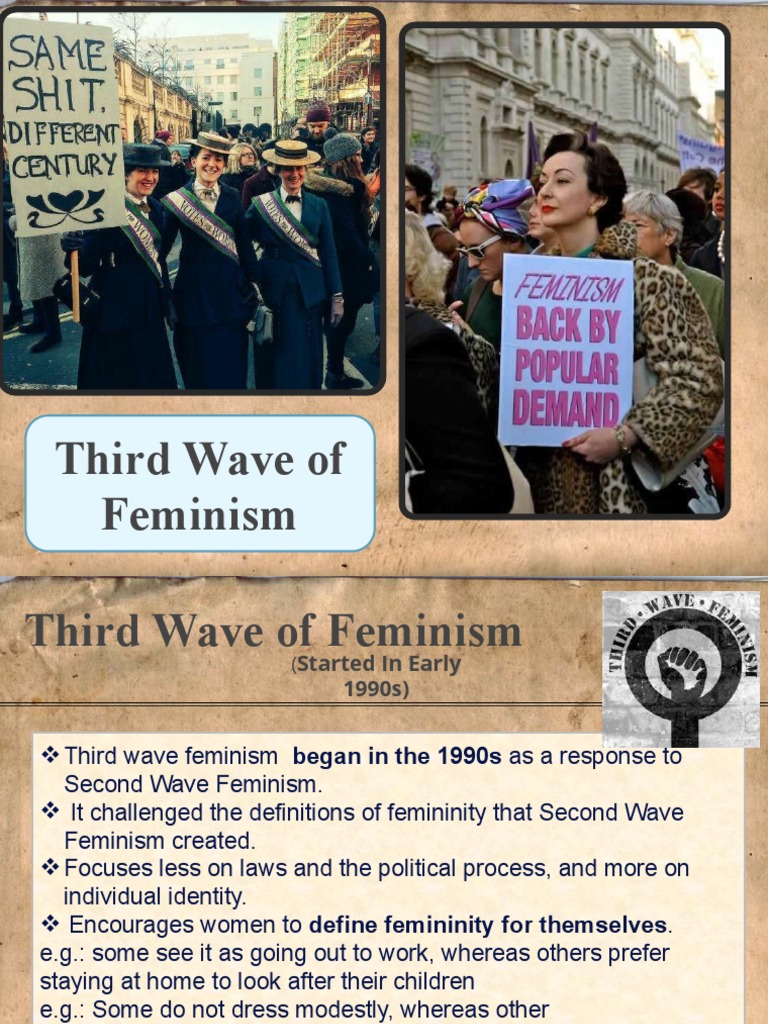
Feminism didn’t spring forth from thin air. It arose as a direct response to centuries of systemic oppression, a historical legacy that continues to cast a long shadow.
A. Patriarchy’s Long Reign: Patriarchy, the societal system where men hold primary power and predominate in roles of political leadership, moral authority, social privilege and control of property, is not some abstract theoretical construct. It’s a living, breathing entity that has shaped our institutions, our laws, and our very consciousness for millennia. It is a resilient parasite deeply embedded in the host of civilization.
B. The Erasure of Women’s Contributions: History, as it’s traditionally told, is a “his-story.” Women’s achievements, their contributions to science, art, literature, and politics, have been systematically minimized, ignored, or attributed to men. This historical amnesia perpetuates the myth of male superiority and reinforces the notion that women are somehow less capable.
C. Legal Subjugation: Throughout history, women have been denied basic rights: the right to own property, to vote, to control their own bodies, to receive an education. These legal restrictions were not arbitrary; they were deliberate tools of oppression, designed to keep women in a state of perpetual dependence.
III. Why “Feminism” and Not “Egalitarianism”? The Nuance of Language
Now, let’s tackle the heart of the matter. Why the specific nomenclature? Why not a more neutral term?
A. Centering the Marginalized: “Feminism” explicitly acknowledges the historical and ongoing oppression of women. It centers the experiences of those who have been systematically marginalized, ensuring that their voices are heard and their needs are addressed. It’s a targeted intervention, not a generic solution.
B. Addressing the Root Cause: The core issue isn’t just a lack of equality; it’s the pervasive, deeply ingrained sexism that underpins our society. “Feminism” directly confronts this root cause, challenging the patriarchal structures that perpetuate inequality. It’s a scalpel, not a butter knife.
C. Reclaiming the Stigma: “Feminism” has been deliberately demonized, portrayed as radical, man-hating, and even dangerous. By embracing the term, we reclaim its power, stripping away the negative connotations and redefining it on our own terms. It’s an act of defiance, a declaration of solidarity.
D. The Limitation of “Egalitarianism”: While egalitarianism espouses equality for all, it often fails to account for the specific and unique challenges faced by women. It can become a diluted concept, obscuring the gendered dynamics of power and privilege. It’s a broad-brush approach, inadequate for addressing the intricate nuances of gender inequality.
IV. The Evolving Landscape: Intersectionality and the Future of Feminism
Feminism is not a monolithic ideology. It’s a constantly evolving movement, shaped by the diverse experiences and perspectives of women from all walks of life.
A. Intersectionality as a Compass: Intersectionality recognizes that gender inequality intersects with other forms of oppression, such as racism, classism, homophobia, and ableism. It acknowledges that women’s experiences are shaped by their multiple identities and that a truly feminist movement must address the needs of all women, not just a privileged few. It is the cartography of oppression, mapping the complex intersections of identity and power.
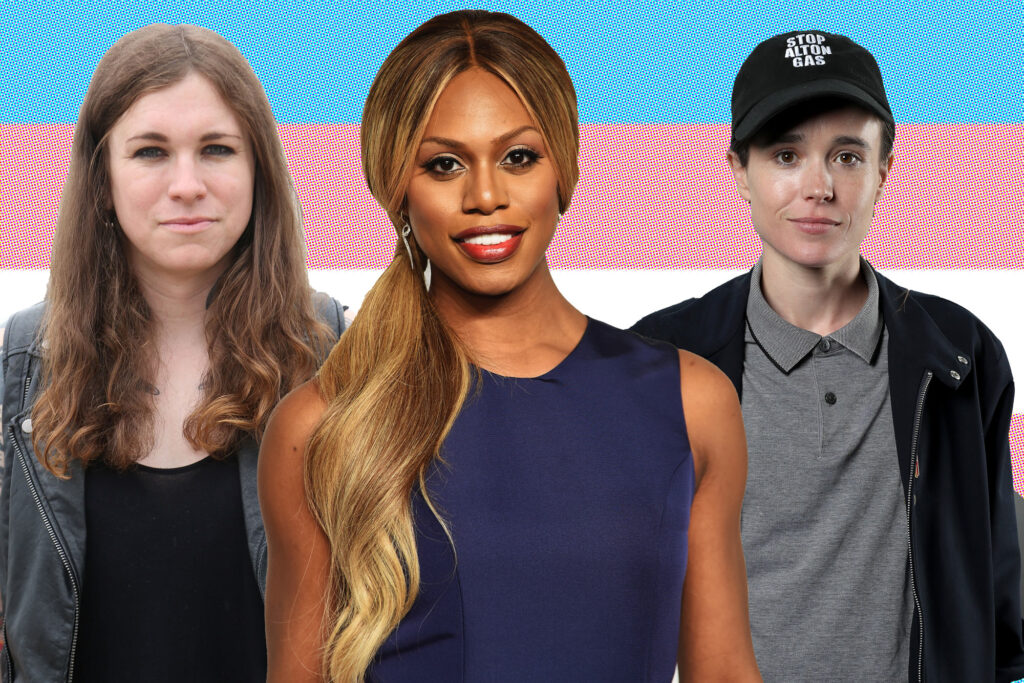
B. Trans-Inclusivity as a Moral Imperative: Trans women are women. Their experiences are integral to the feminist movement, and their rights must be fiercely defended. Trans-inclusivity is not a side issue; it’s a core principle of feminist solidarity.
C. Challenging Toxic Masculinity: Feminism is not anti-male. It’s anti-patriarchy. It challenges the harmful norms of toxic masculinity, which harm both men and women. It’s about creating a world where everyone can thrive, regardless of their gender.
D. The Global Sisterhood: Feminism transcends national borders and cultural differences. It’s a global movement, uniting women in their struggle for equality and justice. It is a constellation of resistance, linked by shared experiences and a common goal.
V. The Ongoing Struggle: Vigilance and Resistance
The fight for gender equality is far from over. We must remain vigilant, resisting the forces that seek to undermine our progress and perpetuate the status quo.
A. Combating the Backlash: Every step forward is met with resistance. We must be prepared to confront the backlash, the attempts to roll back our rights and silence our voices.
B. Amplifying Marginalized Voices: It is our imperative to elevate the voices of those who are most marginalized within the feminist movement. We must create space for their stories, their perspectives, and their leadership.
C. Holding Institutions Accountable: We must demand accountability from our institutions, our governments, and our corporations. We must challenge discriminatory policies and practices and advocate for systemic change.
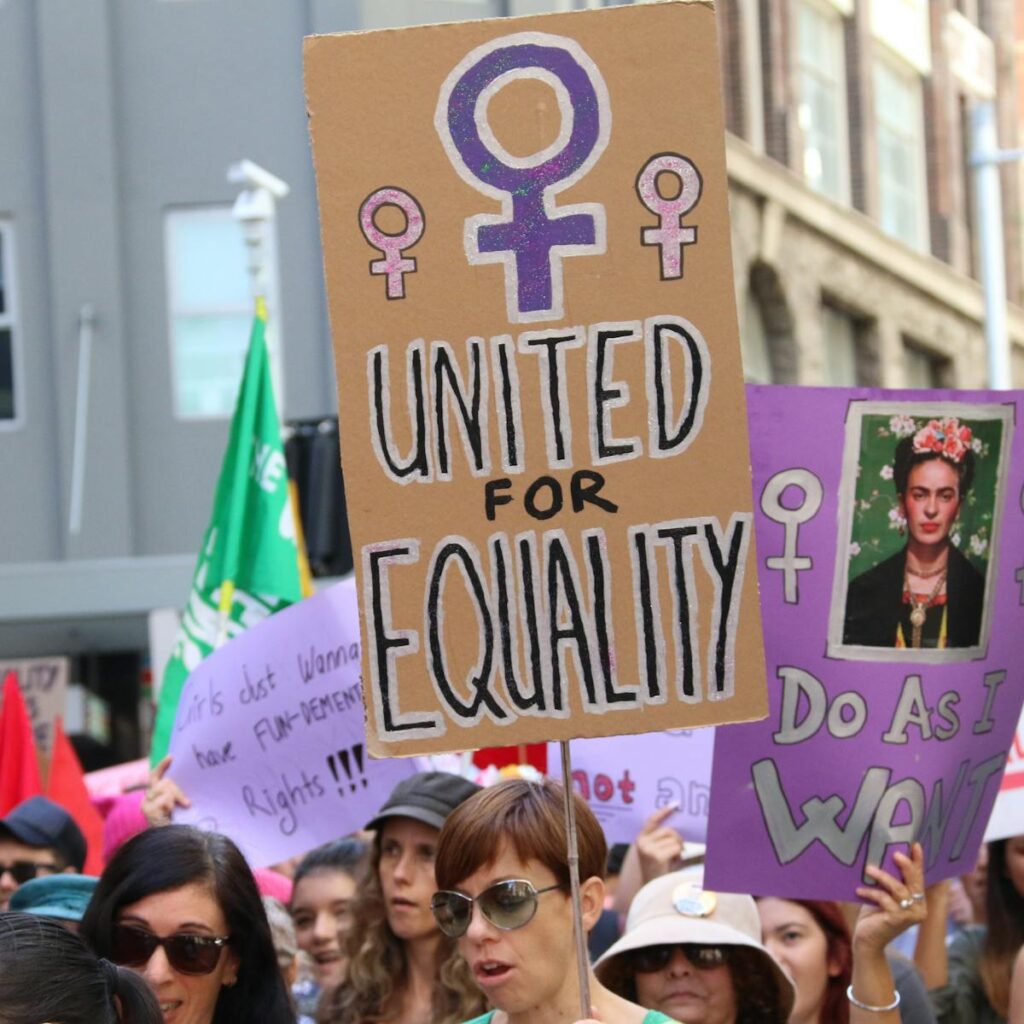
D. The Power of Collective Action: Change happens when we come together, when we organize, when we mobilize. We must harness the power of collective action to create a more just and equitable world.
So, the next time someone asks, “Why is it called Feminism if it means equality?” you’ll be armed with the knowledge and the fervor to dismantle their misguided query. It’s called feminism because we’re not there yet. It’s called feminism because the work is far from done. It’s called feminism because the revolution continues. Now, let’s continue to reshape the world into our shared ideal.






Leave a Comment