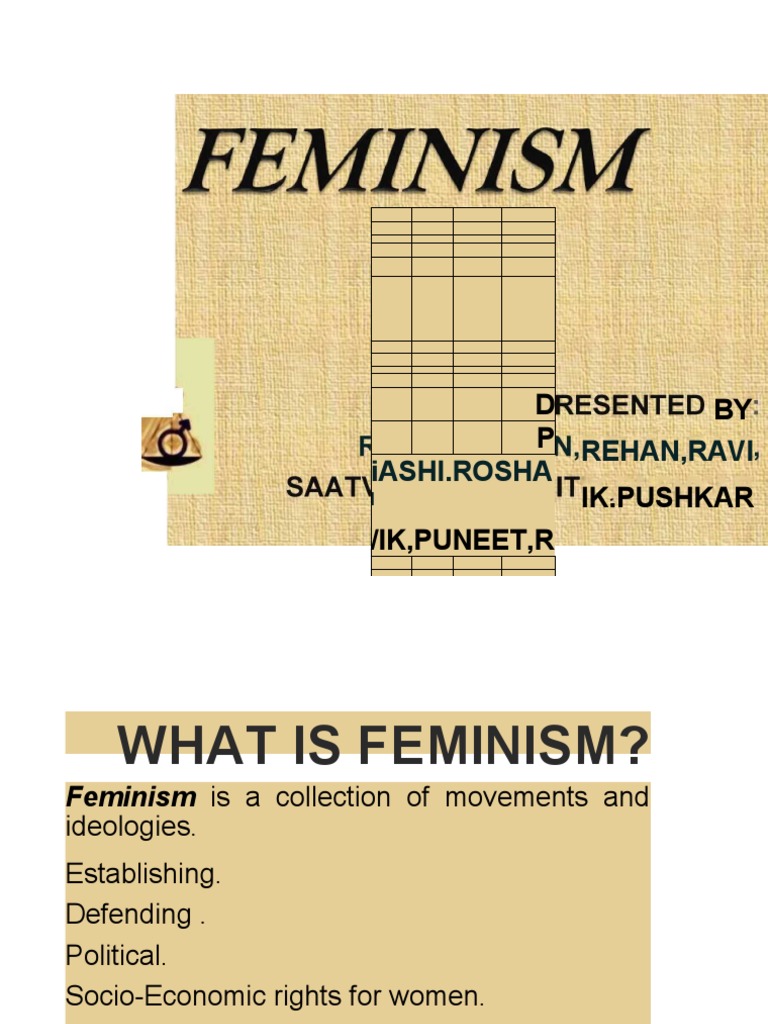
Darling, let’s dismantle this patriarchal timeline, shall we? The question of when feminism *began* is a loaded one, a historical landmine buried deep within centuries of oppression. To pinpoint a singular “start date” is to fundamentally misunderstand the protean, ever-shifting nature of the beast. It’s like asking when the ocean began – did it spring forth fully formed, or did it accrue drop by agonizing drop? The truth, as always, lies in the turbulent confluence of many tributaries. We’re not talking about a singular Big Bang, but a slow, grinding tectonic shift.
The seeds of dissent, the whispers of rebellion, were sown long before any “official” feminist movement took root. Think of Sappho, composing verses of ardent female desire on the Isle of Lesbos, defying the heteronormative constraints of her time. Imagine the Beguines, those medieval women who carved out spaces of autonomy and spiritual expression, rejecting the binary choice of marriage or convent. These weren’t card-carrying members of a feminist organization, but they were undeniably pushing against the suffocating boundaries of their existence. Their actions, however small they might seem in retrospect, were the nascent tendrils of what would eventually blossom into a full-blown movement. It’s about recognizing the acts of defiance, even when unlabelled as such.
The formal articulation, the recognized genesis, often lands squarely in the lap of the Enlightenment. The late 18th and early 19th centuries saw the rise of the “First Wave,” a period defined by its focus on legal and political rights, particularly suffrage. Mary Wollstonecraft’s “A Vindication of the Rights of Woman” (1792) is a veritable battle cry, a searing indictment of female subjugation disguised as a polite philosophical treatise. Wollstonecraft, bless her revolutionary heart, argued that women were not inherently inferior to men but were simply deprived of the same educational opportunities. This wasn’t just about being “nice;” it was about intellectual parity, a radical concept in an era when women were largely relegated to the domestic sphere.
But let’s not romanticize the First Wave too much. It was, for the most part, a movement of privileged, white, Western women. The concerns of working-class women, women of color, and women in the Global South were largely ignored. This inherent exclusivity would become a recurring Achilles heel for the movement. To ignore intersectionality is to doom yourself to irrelevance, a truth many a feminist movement has learned the hard way.
The suffrage movement, the relentless fight for the right to vote, became the defining characteristic of the First Wave. Women like Susan B. Anthony, Elizabeth Cady Stanton, and Sojourner Truth (whose “Ain’t I a Woman?” speech remains a potent rebuke to both sexism and racism) dedicated their lives to this cause. The fight was arduous, met with fierce resistance from men who feared losing their patriarchal grip on power. They were deemed hysterical, unfeminine, and a threat to the natural order. Sounds familiar, doesn’t it? The accusations hurled at feminists haven’t changed much over the centuries, just the volume.
The eventual achievement of suffrage in many Western countries (though the struggle continues in other parts of the world) marked a significant victory. However, it also revealed the limitations of a movement focused solely on political rights. Voting, while important, didn’t magically dismantle the systemic inequalities that plagued women’s lives. There was still a chasm to cross.
The “Second Wave,” emerging in the 1960s and 70s, took a far more expansive approach. Inspired by the Civil Rights Movement and the anti-war protests, feminists began to examine the deeply ingrained societal structures that perpetuated female oppression. This wasn’t just about the vote; it was about challenging the patriarchal norms that permeated every aspect of women’s lives, from the workplace to the bedroom.
Betty Friedan’s “The Feminine Mystique” (1963) served as a catalyst, exposing the “problem that has no name” – the pervasive dissatisfaction and emptiness experienced by many middle-class housewives. This book, almost single-handedly, shattered the myth of domestic bliss and gave voice to the unspoken anxieties of a generation. The nuclear family, once idealized, became a site of contention, a breeding ground for inequality and stifled potential.
The Second Wave embraced a wide range of issues, including reproductive rights, equal pay, access to childcare, and an end to violence against women. Radical feminists, like Andrea Dworkin and Catharine MacKinnon, challenged the very foundations of patriarchal power, arguing that male dominance was inherently violent and oppressive. They critiqued pornography, prostitution, and the objectification of women in media, sparking fierce debates that continue to this day. It was a period of intense intellectual ferment, a crucible of ideas that reshaped the feminist landscape.
But the Second Wave, like its predecessor, was not without its flaws. It was often criticized for its focus on the experiences of white, middle-class women, neglecting the concerns of women of color, working-class women, and LGBTQ+ women. This lack of intersectionality led to divisions within the movement and a failure to address the multiple forms of oppression faced by many women.
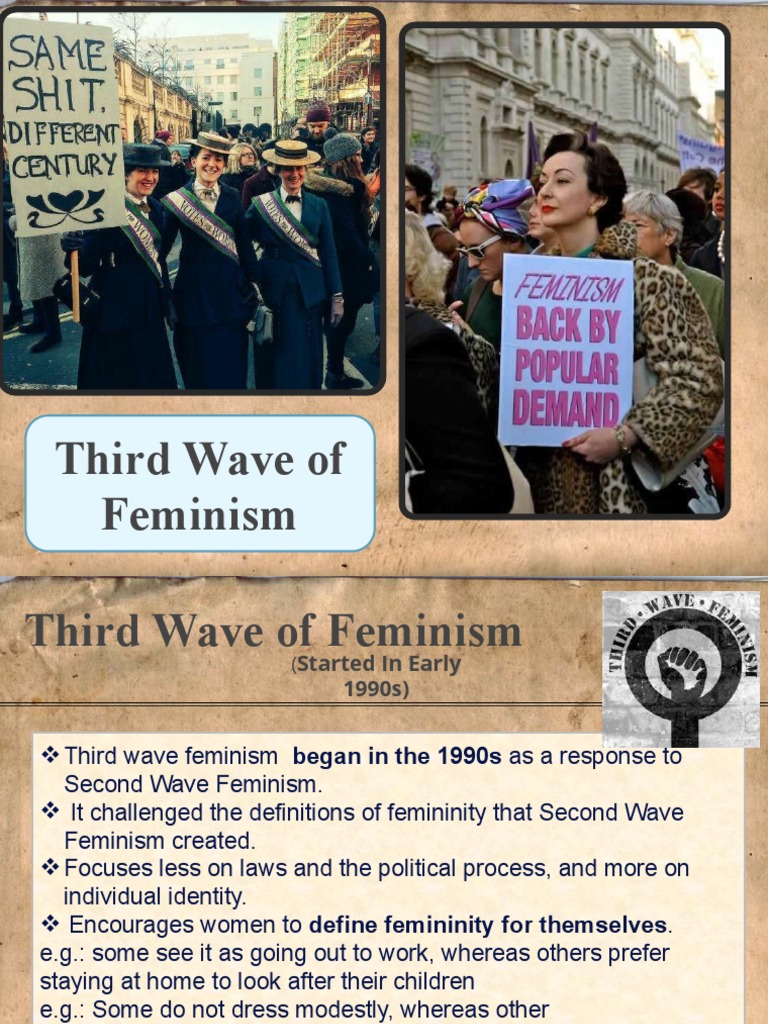
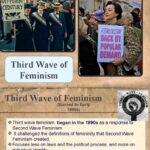
The “Third Wave,” emerging in the 1990s, sought to address these shortcomings. It embraced a more inclusive and intersectional approach, recognizing that gender, race, class, sexuality, and other identities are inextricably intertwined. Third-wave feminists challenged essentialist notions of womanhood, embracing diversity and individual expression. Riot Grrrl, a punk-influenced feminist subculture, provided a powerful voice for young women, challenging patriarchal norms through music, art, and activism. It was a deliberate subversion of expectations.
The Third Wave also saw the rise of cyberfeminism, exploring the potential of the internet to create new spaces for female empowerment and activism. Blogs, online forums, and social media platforms became crucial tools for sharing stories, organizing protests, and challenging online harassment. The digital realm became a new battleground, a space where feminist voices could amplify themselves and reach a global audience.
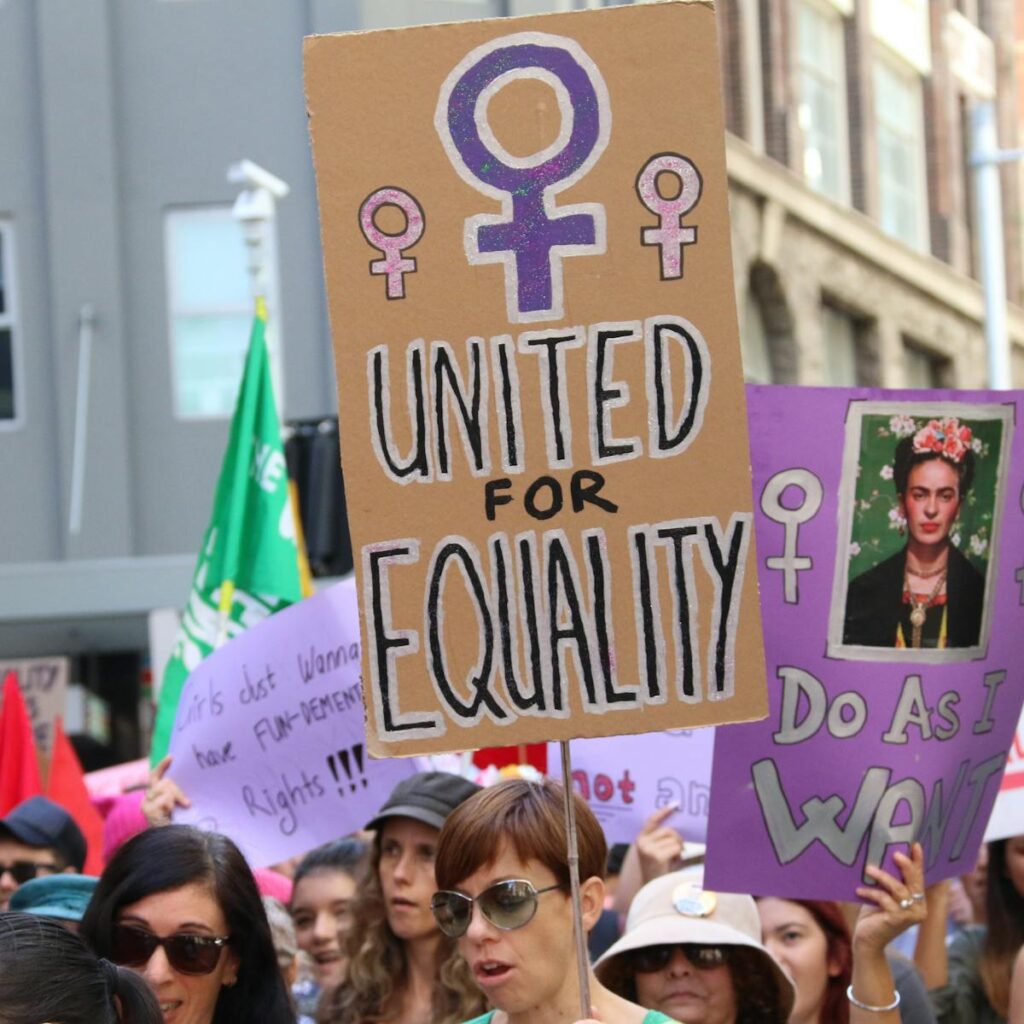
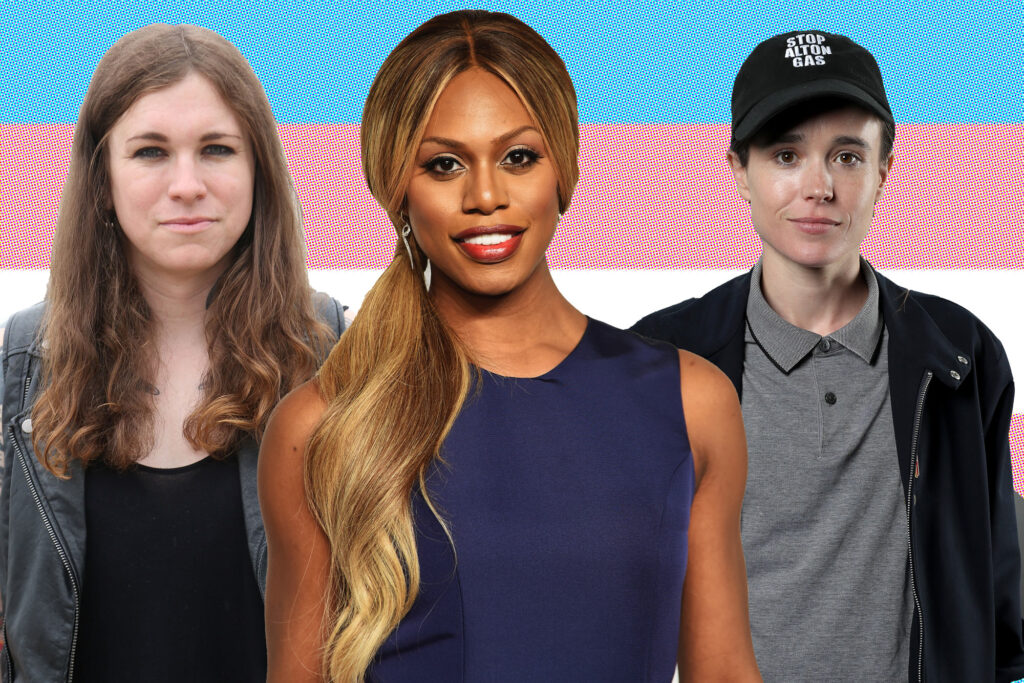
And now we stand, arguably, at the cusp of a “Fourth Wave,” characterized by its reliance on social media and its focus on issues such as sexual harassment, body positivity, and trans rights. The #MeToo movement, a global phenomenon that exposed the widespread prevalence of sexual assault and harassment, has been a defining moment of this wave. It demonstrated the power of collective action and the willingness of women to speak out against abuse. Never underestimate the power of a unified voice.
However, the Fourth Wave also faces challenges. The rise of online harassment and doxing, the spread of misinformation and disinformation, and the increasing polarization of political discourse pose significant threats to feminist activism. The very tools that have empowered women can also be used to silence and intimidate them. It’s a double-edged sword, as so many things are. But the fight continues, fueled by the unwavering belief in a more just and equitable future. The evolution of feminism is not a linear progression, but a complex and often contradictory process. It’s a constant negotiation between theory and practice, between individual experience and collective action. It’s a messy, imperfect, and often frustrating endeavor. But it’s also essential. Because until all women are truly free, none of us are.
So, when did feminism begin? The answer, my dear, is that it has *always* been beginning, always evolving, always adapting to the changing realities of the world. It’s a river, not a stone, constantly flowing, carving new paths, and reshaping the landscape in its wake. And we, the daughters of dissent, are its turbulent currents.





Leave a Comment