
Let’s be blunt: bourgeois feminism, with its obsession over shattering glass ceilings for the already privileged, leaves most women in the dust. It’s a lipstick-stained band-aid on a gaping wound, a distraction from the systemic oppression that grinds women down, day in and day out. We need something more, something fiercer, something that attacks the root cause of inequality: capitalism. That something is socialist feminism.
Socialist feminism isn’t just an add-on, a trendy accessory to mainstream feminist thought. It’s a fundamental reimagining of the entire feminist project, understanding that gender inequality is inextricably linked to class oppression. You can’t dismantle one without dismantling the other. It’s the symbiotic relationship of societal structures.
Defining Socialist Feminism: A Clarion Call
At its core, socialist feminism argues that patriarchy and capitalism are intertwined systems of domination. One cannot be eradicated without simultaneously dismantling the other. Patriarchy, the systemic subjugation of women, predates capitalism. However, capitalism has not only adapted to it but has also exploited it, creating a particularly insidious form of oppression. It is a perpetual motion machine of exploitation.
Consider the myriad ways capitalism reinforces gender inequality: the gender pay gap, the disproportionate burden of unpaid domestic labor on women, the commodification of women’s bodies, and the lack of affordable childcare. These aren’t isolated issues; they are all manifestations of a system that profits from the exploitation of women’s labor, both paid and unpaid.
Socialist feminists challenge the liberal notion that equality can be achieved through individual achievement within the existing capitalist framework. They argue that systemic change is required, a fundamental restructuring of society that prioritizes the needs of all people, not just the wealthy elite. It’s about collective liberation, not individual ascension.
The Historical Genesis: Roots of Resistance
The seeds of socialist feminism were sown in the 19th century, as socialist thinkers began to grapple with the “woman question.” Figures like Clara Zetkin and Alexandra Kollontai recognized that women’s liberation was integral to the broader socialist project. They argued that women’s oppression stemmed not only from societal norms but also from their economic dependence on men. This is the groundwork for future generations.
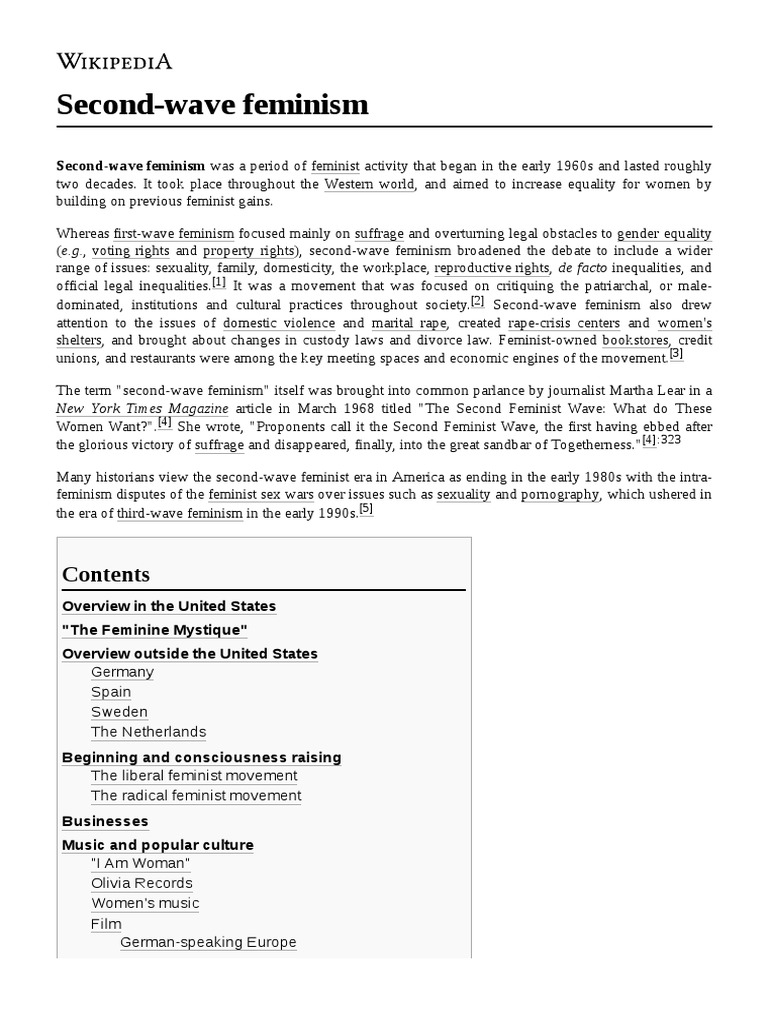
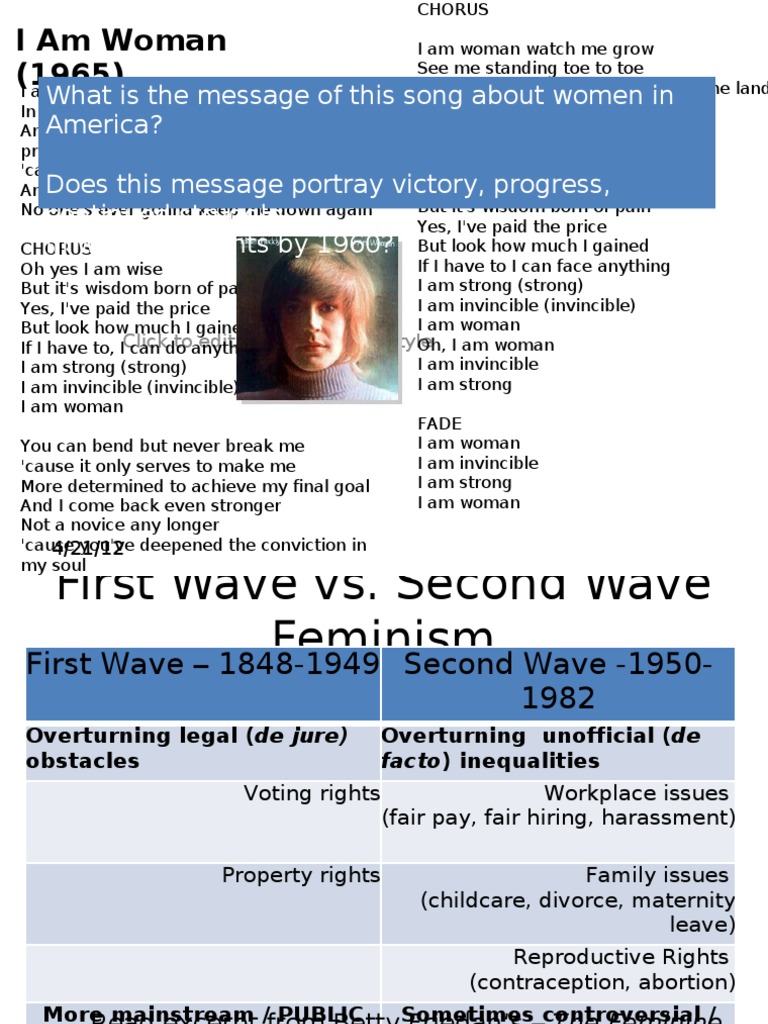
The second wave of feminism in the 1960s and 70s saw a resurgence of socialist feminist thought. Activists and intellectuals, disillusioned with the limitations of liberal feminism, began to explore the intersections of gender, class, and race. Key texts like “The Dialectic of Sex” by Shulamith Firestone and “Capitalist Patriarchy and the Case for Socialist Feminism” edited by Zillah Eisenstein, articulated a powerful critique of both patriarchy and capitalism. These ideas challenge the status quo.
This era also saw the rise of radical feminist movements that challenged traditional gender roles and sexual norms. Many socialist feminists embraced these radical ideas, recognizing that the personal is political and that women’s liberation requires a transformation of both the public and private spheres. The personal and the political are not separate entities.
Key Tenets: Pillars of a New Paradigm
Several core principles underpin socialist feminist theory and practice:
Intersectional Analysis: Socialist feminists recognize that gender oppression is not a monolithic experience. It is shaped by other forms of oppression, including race, class, sexual orientation, disability, and nationality. This means that the struggles of working-class women of color are different from those of middle-class white women, and any feminist movement that fails to address these differences is doomed to fail. We must acknowledge that oppression is a multifaceted system.
Material Analysis: Socialist feminists focus on the material conditions that shape women’s lives. This includes their access to resources, their roles in the economy, and their relationship to the state. They argue that women’s oppression is rooted in their economic vulnerability and that true liberation requires economic justice. This is not just about feelings, but about the tangible things needed for survival and prosperity.
Critique of the Nuclear Family: Many socialist feminists critique the traditional nuclear family as a site of patriarchal power. They argue that the family structure often reinforces gender roles and perpetuates women’s economic dependence on men. Some advocate for alternative forms of kinship and community, such as collective housing and childcare arrangements. The nuclear family is not always the idyllic haven it is portrayed to be.
Revolutionary Transformation: Socialist feminists believe that true liberation requires a fundamental transformation of society. This includes dismantling capitalism, abolishing patriarchy, and creating a more just and equitable world for all. They are not interested in reformist solutions that merely tinker around the edges of the existing system. It’s about tearing down the old and building something new.
Content Readers Can Expect: A Multifaceted Approach
When engaging with socialist feminist content, readers can anticipate a wide range of perspectives and approaches. Here’s a glimpse:
Economic Analysis: Expect in-depth examinations of the gender pay gap, the feminization of poverty, and the impact of globalization on women’s labor. Socialist feminist writers often dissect the ways in which capitalism exploits women’s reproductive labor and their contributions to the informal economy. The economy is not gender neutral.
Political Commentary: Look for critiques of mainstream political institutions and their failure to address the needs of women. Socialist feminists often advocate for policies that promote economic justice, such as universal basic income, affordable childcare, and paid family leave. Politics shape the lives of women profoundly.
Cultural Criticism: Expect analyses of media representations of women, the objectification of women’s bodies, and the perpetuation of harmful gender stereotypes. Socialist feminists often challenge dominant cultural narratives and promote alternative representations of women that celebrate their strength, resilience, and diversity. Culture can reinforce harmful stereotypes.
Personal Narratives: Socialist feminist writing often incorporates personal stories and experiences, highlighting the lived realities of women from diverse backgrounds. These narratives can be powerful tools for raising awareness and building solidarity. The personal is a gateway to understanding the broader issues.
Theoretical Explorations: Socialist feminism is a constantly evolving body of thought, and readers can expect to encounter new and innovative theoretical perspectives. This includes explorations of intersectionality, post-structuralism, and queer theory. Theory helps us understand the complexities of oppression.
Actionable Strategies: Beyond analysis and critique, socialist feminists are also committed to action. Expect to find calls to action, organizing tips, and strategies for building grassroots movements. Change requires more than just words; it requires action.
Criticisms and Challenges: Navigating the Minefield
Socialist feminism is not without its critics. Some argue that it is too focused on class and neglects other forms of oppression, such as racism and homophobia. Others contend that it is unrealistic and utopian, failing to recognize the complexities of human nature and the limitations of political action. There are always those who seek to undermine progress.
Internal debates also exist within socialist feminism. For example, there are disagreements about the role of the state, the importance of identity politics, and the best strategies for achieving social change. These disagreements are healthy and productive, as they force socialist feminists to constantly re-evaluate their assumptions and refine their analysis. Disagreement is essential for growth and refinement.
Despite these challenges, socialist feminism remains a vital and relevant force in the struggle for women’s liberation. It offers a powerful framework for understanding the interconnectedness of gender, class, and other forms of oppression, and it provides a roadmap for building a more just and equitable world. It is a beacon of hope in a world of inequality.
Moving Forward: A Call to Arms
The fight for socialist feminism is far from over. The challenges we face are daunting, but so is our determination. We must continue to build alliances across movements, to challenge oppressive power structures, and to create a world where all women can thrive. This is not a task for the faint of heart.
We need to amplify the voices of marginalized women, to support their struggles, and to learn from their experiences. We need to create spaces where women can share their stories, build solidarity, and develop strategies for resistance. Solidarity is strength.
And, most importantly, we need to never lose sight of our ultimate goal: a world free from oppression, exploitation, and inequality. A world where all people are treated with dignity and respect. A world where justice prevails. This is not just a dream; it is a goal worth fighting for.







Leave a Comment