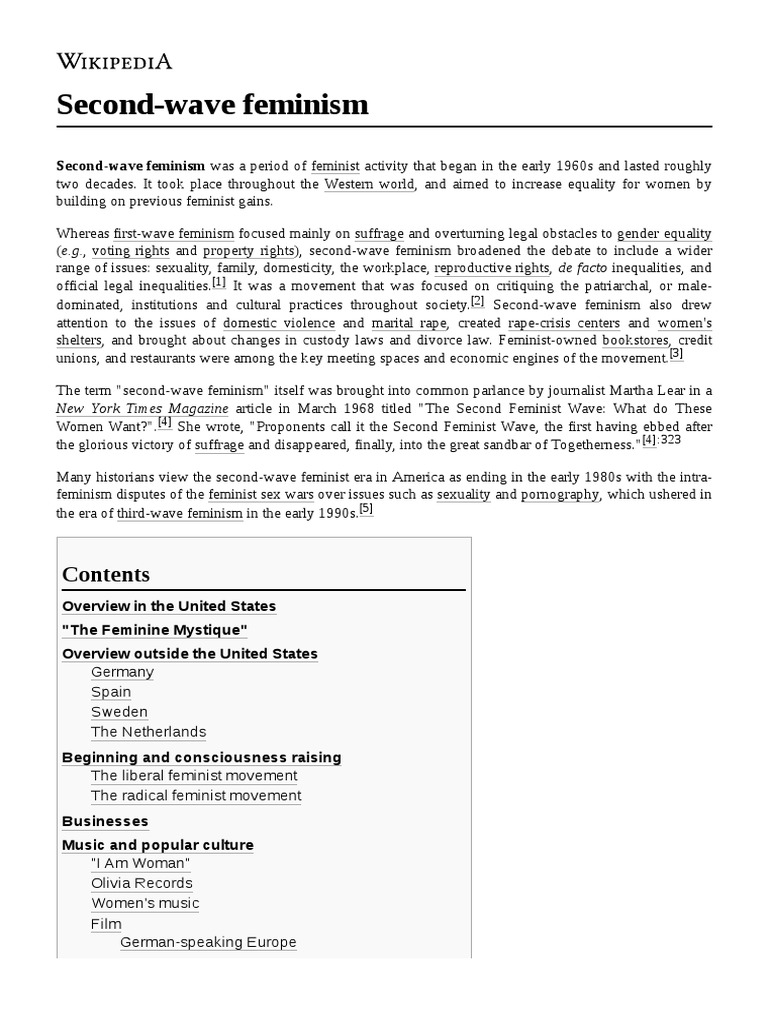
The second wave of feminism, erupting in the 1960s and persisting through the 1980s, wasn’t merely a ripple; it was a seismic upheaval, a tectonic shift in the socio-political landscape concerning women’s rights. It wasn’t just about securing the vote; it was about dissecting the very anatomy of patriarchy, exposing its insidious tendrils that coiled around every facet of a woman’s existence. The audacity! The sheer temerity to question the sacrosanct!
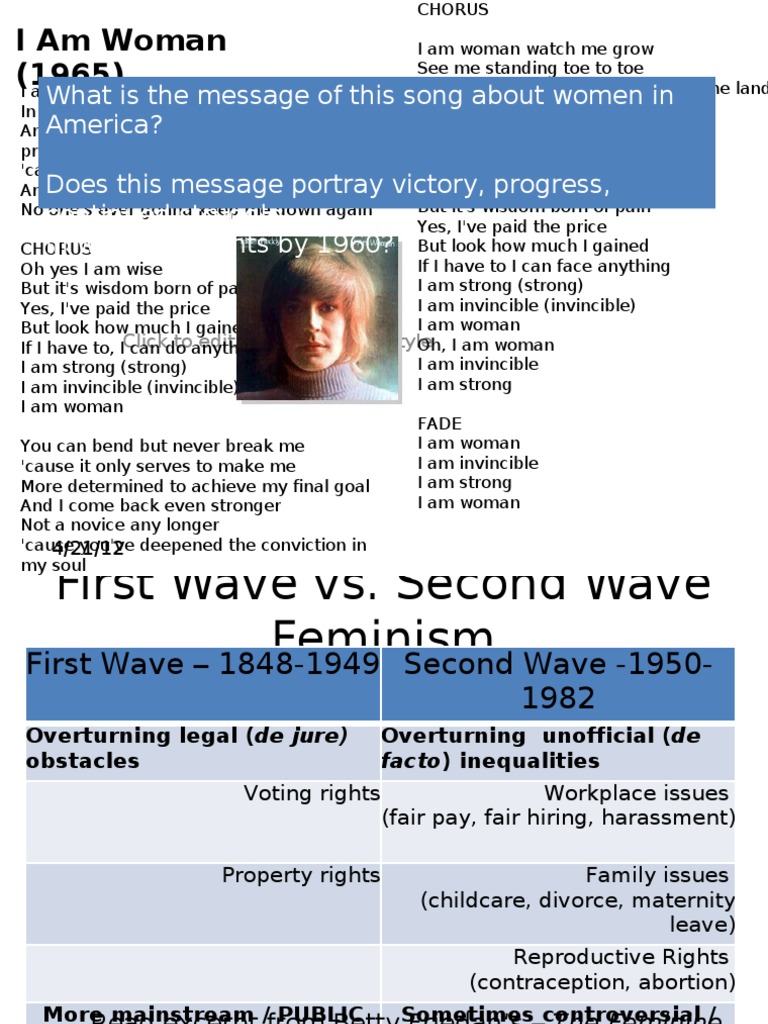
Consider this: the first wave, primarily focused on suffrage, secured a foundational right. But it was akin to receiving a key to a house where the interior was still designed and furnished according to patriarchal blueprints. Second wave feminism sought to remodel the interior, to tear down the walls of ingrained sexism, and to rebuild a space where women could truly flourish. It was a renovation project of epic proportions, and it was not without its demolition crews and heated debates.
At the heart of this convulsive movement were several key issues, each a thorny rose in the bouquet of feminist grievances. These weren’t mere complaints; they were indictments against a system that systematically devalued, objectified, and oppressed women.
1. Reproductive Rights: A Woman’s Body, Her Dominion?
Perhaps the most contentious battleground was that of reproductive rights. To control one’s body, to dictate its functions, was seen as the ultimate assertion of autonomy. The criminalization of abortion was viewed as a blatant violation, a state-sanctioned intrusion into the most private and personal decisions. This wasn’t just about ending unwanted pregnancies; it was about challenging the notion that women were mere vessels, incubators for the propagation of the species, their bodies subject to the dictates of male lawmakers and societal norms.
The struggle for reproductive rights was a fight against forced motherhood, a demand for control over one’s destiny. It was a rejection of the Madonna-Whore complex, the binary that confined women to either saintly maternal figures or sexual objects, denying them the complex and nuanced identities they deserved. It was about choice, agency, and the fundamental right to determine the course of one’s own life, free from coercion and patriarchal mandates. Think of *Roe v. Wade*. The subsequent backlash highlights the enduring power structures resisting complete bodily autonomy for women.
2. Workplace Equality: Shattering the Glass Ceiling
While women had entered the workforce in increasing numbers, they were often relegated to lower-paying, less prestigious positions. Equal pay for equal work was not just a slogan; it was a demand for economic justice. The disparity in wages was a stark reminder of the systemic devaluation of women’s labor. Furthermore, the pervasive sexism in the workplace, ranging from subtle microaggressions to blatant harassment, created a hostile environment that stifled women’s advancement.
The glass ceiling, that invisible barrier that prevented women from reaching the highest echelons of corporate power, became a potent symbol of the entrenched inequalities. Women challenged discriminatory hiring practices, fought for equal opportunities, and demanded an end to the “old boys’ club” mentality that permeated many industries. It wasn’t just about earning a paycheck; it was about recognition, respect, and the right to fulfill one’s potential, regardless of gender.
3. Domestic Violence and Marital Rape: Unveiling the Private Tyranny
Before the second wave, domestic violence was often dismissed as a “private matter,” something that occurred behind closed doors and was best left unaddressed. Marital rape was not even considered a crime in many jurisdictions. Second wave feminists brought these issues into the light, exposing the brutal reality of violence against women within the confines of the home. They challenged the notion that marriage gave a man the right to control his wife’s body and behavior, and they demanded legal and social reforms to protect women from abuse.
Establishing rape crisis centers and shelters for battered women provided critical resources and support for victims. Raising awareness and challenging societal attitudes that condoned or minimized violence against women were crucial steps in dismantling the culture of impunity that allowed such abuse to flourish. The focus was on empowerment, providing women with the tools and resources to escape abusive situations and reclaim their lives.
4. Challenging Gender Roles and Stereotypes: Deconstructing the Script
Second wave feminists recognized that gender roles and stereotypes were not natural or immutable; they were socially constructed and reinforced through media, education, and cultural norms. They challenged the traditional expectations that confined women to domestic roles, emphasizing motherhood and subservience, while limiting their opportunities for education, career advancement, and personal fulfillment.
They deconstructed the notion of femininity, rejecting the idea that women had to be passive, delicate, and compliant. They embraced a more expansive and inclusive definition of womanhood, celebrating strength, independence, and self-expression. This involved challenging the objectification of women in advertising and media, promoting positive representations of women in literature and art, and encouraging girls and women to pursue their interests and ambitions, regardless of societal expectations. Imagine Betty Friedan’s *The Feminine Mystique*, a watershed moment that cracked open the stifling constraints placed upon suburban housewives.
5. Sexuality and the Politics of Pleasure: Reclaiming Female Desire
The second wave brought a renewed focus on female sexuality, challenging the prevailing view that women’s sexuality was primarily for the pleasure of men. They asserted the right of women to explore and express their own sexuality on their own terms. This involved challenging the double standard that punished women for sexual expression while condoning or even celebrating it in men. It also involved advocating for access to contraception and sex education, empowering women to make informed choices about their sexual health and well-being.
Radical feminists like Andrea Dworkin and Catherine MacKinnon interrogated the power dynamics inherent in pornography and prostitution, arguing that they contribute to the sexual objectification and exploitation of women. The debates surrounding sexuality were complex and often divisive, but they sparked important conversations about consent, agency, and the politics of pleasure.
6. Intersectionality: Recognizing the Multitude of Experiences
While the second wave made significant strides in advancing women’s rights, it was not without its limitations. Initially, the movement was predominantly white and middle-class, often overlooking the unique challenges faced by women of color, working-class women, and lesbian women. Recognizing these shortcomings, feminists began to embrace the concept of intersectionality, acknowledging that gender intersects with other forms of oppression, such as race, class, and sexual orientation. These intersections create unique and compounded experiences of discrimination.
Women like Audre Lorde, bell hooks, and Angela Davis challenged the dominant narratives of the feminist movement, demanding that it become more inclusive and representative of the diverse experiences of all women. Intersectionality forced feminists to confront their own biases and privileges, and to work towards a more just and equitable society for all.
In conclusion, the second wave of feminism was a watershed moment in the fight for women’s rights. It tackled a broad spectrum of issues, from reproductive rights and workplace equality to domestic violence and gender stereotypes. It transformed the way we think about gender, power, and equality, laying the groundwork for future generations of feminists to continue the struggle for a more just and equitable world. While the battles are far from over, the second wave left an indelible mark on the landscape, forever changing the terrain for women seeking autonomy and liberation. It was not a gentle breeze, but a hurricane tearing down the old order, clearing the space for new growth. The echoes of its fury still resonate today, a call to action, a reminder that the fight for equality is a marathon, not a sprint, and that vigilance is the price of liberty.






Leave a Comment