The shimmering, seductive allure of the moving image has always possessed a peculiar power. A power amplified exponentially when wielded as a tool for social commentary, particularly within the perpetually contested terrain of feminist discourse. We find ourselves, repeatedly, drawn to these digital artifacts – snippets, lectures, documentaries – that purport to encapsulate the sprawling, multifaceted beast that is feminism. Why this fixation? Is it mere laziness, a preference for digestible soundbites over rigorous theoretical engagement? Or does something deeper resonate within these curated glimpses into a movement that continues to redefine our understanding of power, gender, and justice?
Perhaps the answer lies in the accessibility. A complex philosophical argument, painstakingly constructed over hundreds of pages, can be rendered into a compelling five-minute explainer video. The gatekeeping of academia, the often-impenetrable jargon, is bypassed, allowing a wider audience to engage with ideas previously confined to ivory towers. This democratization, while undeniably beneficial, carries its own set of perils. Nuance is frequently sacrificed at the altar of brevity. Complex histories are flattened into simplistic narratives. A critical eye becomes essential when navigating this digital landscape.
But let’s not dismiss the videos’ potential outright. They can act as potent catalysts, igniting curiosity and prompting further investigation. A viral clip dismantling the insidious nature of everyday sexism might be the spark that sets someone on a path of deeper feminist study. A documentary showcasing the struggles of women in a specific region could be a powerful consciousness-raising tool, fostering empathy and galvanizing action. The key, as always, lies in critical engagement. We must approach these videos not as definitive statements, but as invitations to delve further, to question, to challenge, and to form our own informed opinions. Are we merely consuming content or actively participating in a dialogue?
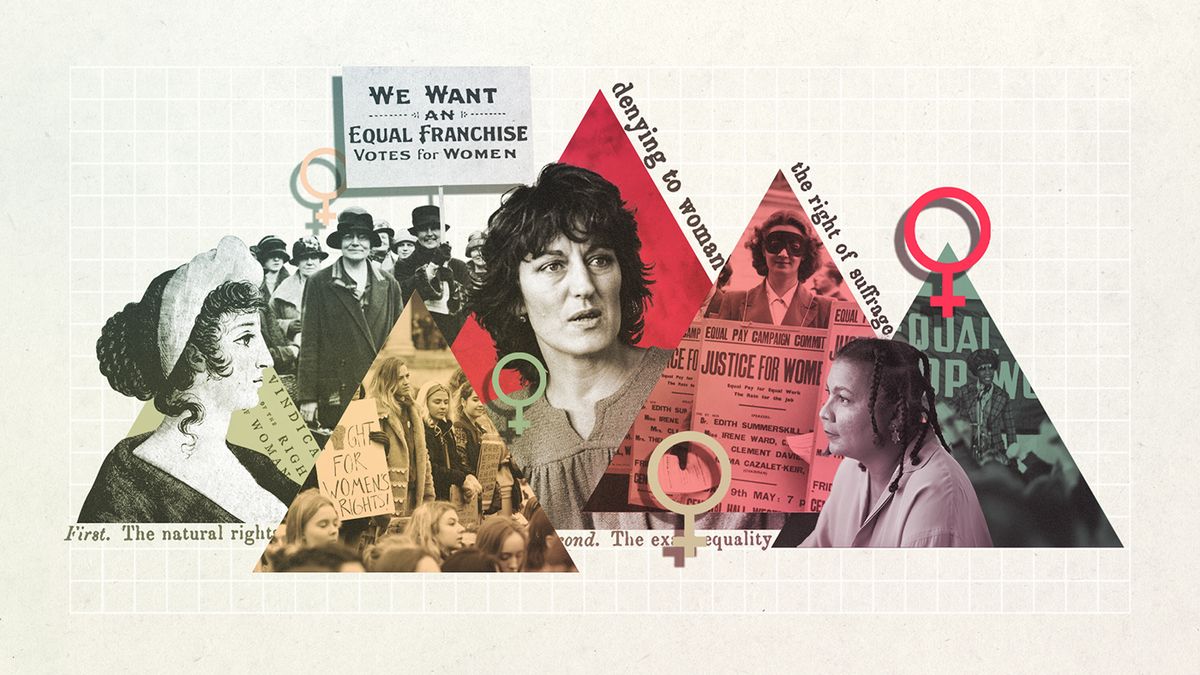
Furthermore, these videos often serve as vital archives, preserving moments of feminist activism and resistance. Think of the footage documenting the early waves of feminist protest, the fiery speeches, the defiant acts of civil disobedience. These visual records are not simply historical documents; they are living testaments to the enduring power of collective action. They remind us that the fight for equality is not a relic of the past, but an ongoing struggle that demands our continued vigilance and engagement. They offer a powerful connection to those who came before us, inspiring us to carry the torch forward.
However, a cautionary note is warranted. The very nature of video, with its inherent capacity for manipulation and selective framing, presents significant challenges. The editorial choices made in the creation of a video can subtly, or not so subtly, skew the narrative, presenting a particular perspective as the only valid one. Consider, for instance, the ways in which different videos portray the complexities of intersectionality. Are marginalized voices adequately represented? Are the diverse experiences of women of color, queer women, and disabled women given due consideration? Or are these issues relegated to the periphery, serving merely as tokens of inclusivity?
To truly grasp the impact of videos on feminist discourse, we must dissect their constituent elements, examining the language employed, the visual imagery presented, and the overall message conveyed. We must ask ourselves: Whose voices are amplified, and whose are silenced? What assumptions are being reinforced, and what assumptions are being challenged? Are these videos promoting genuine understanding and solidarity, or are they perpetuating divisive narratives and reinforcing existing power structures? The answer, as always, is rarely straightforward. It requires a nuanced and critical approach, a willingness to engage with the material on its own terms, while simultaneously interrogating its underlying assumptions and biases.
Consider the proliferation of “feminist fail” compilations, often circulated online for comedic effect. While ostensibly harmless, these videos frequently serve to undermine feminist ideals by portraying activists as irrational, hysterical, or simply out of touch. They perpetuate harmful stereotypes and reinforce the notion that feminist concerns are trivial or even laughable. The subtle erosion of credibility, one viral clip at a time, can have a significant impact on public perception. Are we laughing with them, or at them? The distinction is crucial.
Conversely, videos that highlight the achievements of feminist activists, past and present, can be incredibly empowering. They showcase the resilience, ingenuity, and unwavering dedication of those who have fought tirelessly for gender equality. They remind us that progress is possible, even in the face of seemingly insurmountable obstacles. They inspire us to believe in our own capacity to make a difference, to challenge injustice, and to create a more equitable world. The power of visual representation should not be underestimated.
The rise of platforms like YouTube and TikTok has further complicated the landscape of feminist discourse. These platforms offer unprecedented opportunities for marginalized voices to be heard, allowing individuals to share their personal experiences and perspectives with a global audience. However, they also create new challenges, including the spread of misinformation, the amplification of extremist views, and the potential for online harassment and abuse. Navigating this digital ecosystem requires a high degree of media literacy and a commitment to critical thinking.
The concept of “performative activism” is particularly relevant in this context. Many videos aim to capitalize on the trending feminist discourse. Often without genuine engagement or understanding of the underlying issues. A brand that launches a “feminist” advertising campaign, only to continue exploiting women in its supply chain. A celebrity who espouses feminist ideals in interviews, while simultaneously perpetuating harmful beauty standards. These examples highlight the dangers of superficial engagement and the importance of holding individuals and institutions accountable for their actions.
The algorithmic curation of content on these platforms also raises concerns. Algorithms are designed to maximize engagement, often prioritizing sensationalized or emotionally charged content over more nuanced or substantive analyses. This can lead to the creation of “echo chambers,” where individuals are primarily exposed to information that reinforces their existing beliefs, making it more difficult to engage with dissenting viewpoints and fostering polarization. Breaking out of these echo chambers requires a conscious effort to seek out diverse perspectives and to challenge our own assumptions.
Moreover, the commodification of feminism within the video landscape is a growing concern. The “feminist” aesthetic, with its emphasis on empowerment and self-love, has become increasingly marketable, attracting consumers eager to align themselves with a perceived progressive brand identity. This can lead to the trivialization of feminist ideals, reducing them to mere marketing slogans or fashion trends. The challenge lies in distinguishing between genuine expressions of feminist values and cynical attempts to profit from the movement’s popularity.
In conclusion, the impact of videos on feminist discourse is complex and multifaceted. They can be powerful tools for education, inspiration, and mobilization. Also they can be vectors for misinformation, manipulation, and commodification. Navigating this digital landscape requires a critical eye, a willingness to engage with diverse perspectives, and a commitment to holding individuals and institutions accountable for their actions. We must approach these visual artifacts not as passive consumers, but as active participants in an ongoing dialogue, constantly questioning, challenging, and refining our understanding of feminism in the 21st century.
It is not simply about watching; it is about *how* we watch, and *what* we do with what we see. The future of feminist discourse, in part, hinges on our ability to critically engage with the visual narratives that shape our understanding of the world. Let us not be passive recipients of information, but active agents of change.






Leave a Comment