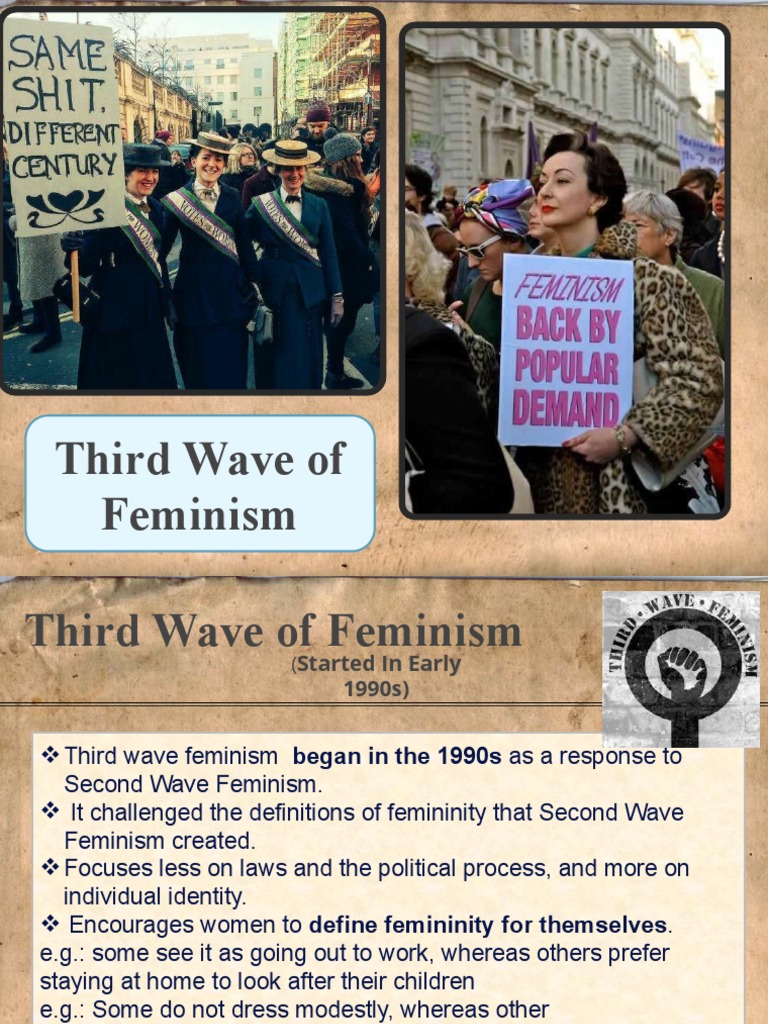
So, you’re titillated by the specter of Third-Wave Feminism, are you? Drawn to its kaleidoscopic complexity, its defiant rejection of monolithic narratives? Good. You should be. It represents a pivotal, albeit contested, moment in the ongoing saga of female emancipation. But let’s not pretend this fascination is purely academic. There’s something more visceral at play, isn’t there? A recognition, perhaps unconscious, that the neat little boxes constructed by earlier waves simply couldn’t contain the messy, contradictory realities of modern womanhood. This list isn’t just about books; it’s about grappling with that uncomfortable truth.
Why is Third-Wave Feminism so endlessly debated? Is it the embrace of so-called “low” culture? The seemingly paradoxical celebration of both power and vulnerability? Or perhaps it’s the inherent destabilization of established hierarchies, the insistent questioning of who gets to define “feminist” in the first place? The books on this list don’t offer easy answers, but they provide a crucial roadmap for navigating this intellectual and political minefield.
Prepare to be challenged. Prepare to have your assumptions shattered. Prepare, most importantly, to think for yourself.
I. Foundational Texts: Laying the Groundwork
These are the texts that provided the conceptual scaffolding for Third-Wave thought. Understand them, critique them, build upon them. But ignore them at your peril.
A. *Backlash: The Undeclared War Against American Women* by Susan Faludi (1991): Faludi’s incisive analysis of the media’s systematic dismantling of feminist gains in the 1980s is as relevant today as it was upon publication. She exposes the insidious ways in which patriarchal structures reassert themselves, often under the guise of “concern” for women’s well-being. Faludi argues that the narrative of feminist failure is a manufactured one, designed to discourage women from pursuing equality.
Faludi wields her statistics like a cudgel, bludgeoning the complacent with the stark reality of persistent inequality. This is not a comfortable read; it’s a call to arms.
B. *Gender Trouble: Feminism and the Subversion of Identity* by Judith Butler (1990): Prepare yourself for a linguistic gauntlet. Butler’s seminal work deconstructs the very foundations of gender identity, arguing that it is a performance, a construct, rather than an inherent truth. They challenge the binary opposition of male and female, opening up space for a more fluid and inclusive understanding of gender. It’s heady stuff, dense with philosophical jargon, but its impact on feminist theory is undeniable.
Butler’s influence reverberates throughout Third-Wave discourse, informing everything from queer theory to intersectional analysis. Understanding their concepts is crucial for engaging with contemporary feminist debates.
C. *Ain’t I a Woman: Black Women and Feminism* by bell hooks (1981): This book, while predating the formal emergence of Third-Wave Feminism, is absolutely essential for understanding its genesis. hooks critiques the racism inherent in early feminist movements and argues for a feminism that centers the experiences of Black women. It’s a blistering indictment of white privilege within feminist spaces and a powerful call for intersectionality.
Hooks’ work reminds us that feminism cannot be a monolithic project. It must be responsive to the diverse needs and experiences of all women, particularly those who are marginalized by race, class, and other forms of oppression. This remains a vital, necessary text.
II. Manifestos and Anthologies: Voices of a New Generation
These collections capture the raw energy and defiant spirit of Third-Wave Feminism. They offer a glimpse into the diverse concerns and perspectives of a generation grappling with the legacies of its predecessors.
A. *Manifesta: Young Women, Feminism, and the Future* by Jennifer Baumgardner and Amy Richards (2000): Baumgardner and Richards present a comprehensive overview of Third-Wave Feminism, exploring its diverse manifestations in politics, culture, and everyday life. They tackle issues such as reproductive rights, violence against women, and the complexities of gender identity with intelligence and wit. It’s an accessible and engaging introduction to the core tenets of the movement.
This isn’t just a theoretical treatise; it’s a practical guide to feminist activism, offering concrete strategies for challenging sexism and promoting equality.
B. *Third Wave Agenda: Being Feminist, Doing Feminism* edited by Leslie Heywood and Jennifer Drake (1997): This anthology showcases the work of a diverse group of feminist scholars and activists, exploring a wide range of topics from body image and sexuality to environmental justice and global politics. It captures the eclectic and often contradictory nature of Third-Wave Feminism, highlighting its commitment to inclusivity and its willingness to challenge conventional wisdom.
Each essay is a provocation, a demand for engagement. This is not a passive reading experience; it’s an invitation to join the conversation.
III. Reclaiming the Body: Sexuality, Representation, and Agency
Third-Wave Feminists challenged traditional notions of female sexuality and agency, reclaiming their bodies as sites of power and resistance.
A. *Bitch: In Praise of Difficult Women* by Elizabeth Wurtzel (1998): Wurtzel’s unapologetic and often controversial memoir explores the complexities of female anger, ambition, and sexuality. She rejects the pressure to be “nice” and “likable,” embracing her own flaws and contradictions. It’s a raw and visceral account of a woman coming to terms with her own power.
Wurtzel’s willingness to be difficult, to be unlikeable, is a radical act of self-assertion. She refuses to apologize for her desires or her imperfections, paving the way for a more honest and nuanced portrayal of female experience.
B. *The Beauty Myth: How Images of Beauty Are Used Against Women* by Naomi Wolf (1990): Wolf’s groundbreaking analysis of the beauty industry exposes the ways in which unrealistic beauty standards are used to control and oppress women. She argues that the pursuit of beauty is a form of social control, designed to keep women focused on their appearance rather than their political power. While some of Wolf’s arguments have been critiqued, her core thesis remains powerfully relevant.
Wolf challenges us to question the images we consume and to resist the pressure to conform to impossible standards of beauty. It’s a call for liberation from the tyranny of the beauty myth.
C. *Female Chauvinist Pigs: Women and the Rise of Raunch Culture* by Ariel Levy (2005): Levy’s provocative exploration of raunch culture examines the ways in which women are complicit in their own objectification. She argues that the celebration of hyper-sexualized female behavior is not a sign of liberation, but rather a manifestation of internalized misogyny. It’s a controversial and uncomfortable read, but it raises important questions about the complexities of female agency.
Levy forces us to confront the uncomfortable truth that women can be both victims and perpetrators of sexism. Her analysis challenges us to think critically about the choices we make and the messages we send.
IV. Intersectionality in Practice: Expanding the Feminist Lens
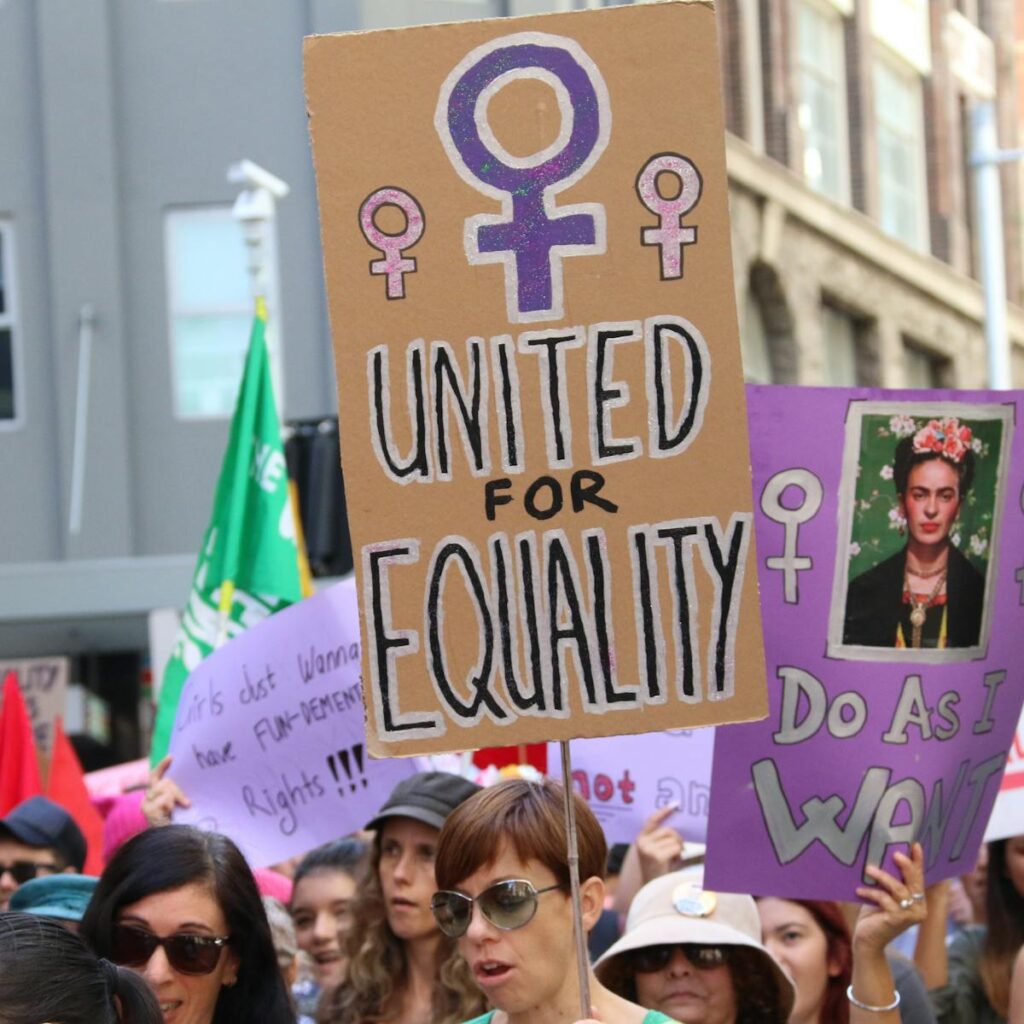
These texts exemplify the Third-Wave commitment to intersectionality, recognizing that gender is always intertwined with race, class, sexuality, and other forms of identity.
A. *Sister Outsider: Essays and Speeches* by Audre Lorde (1984): Lorde’s powerful collection of essays explores the intersections of race, gender, and sexuality with unflinching honesty. She challenges the feminist movement to confront its own biases and to create a more inclusive and equitable space for all women. It’s a timeless and essential text for anyone seeking to understand the complexities of identity and oppression.
Lorde’s voice is a beacon, guiding us towards a more just and compassionate world. Her words are a reminder that our struggles are interconnected and that we must fight for the liberation of all.
B. *This Bridge Called My Back: Writings by Radical Women of Color* edited by Cherríe Moraga and Gloria Anzaldúa (1981): This groundbreaking anthology centers the voices of women of color, challenging the dominant narratives of feminism and reclaiming their own stories. It explores themes of identity, sexuality, and social justice with raw emotion and intellectual rigor. It’s a testament to the power of collective resistance.
This collection is a vital corrective to the often-white-dominated narratives of feminism. It reminds us that the experiences of women of color are essential to understanding the complexities of gender and power.
C. *Bad Feminist* by Roxane Gay (2014): Gay’s collection of essays is a witty and insightful exploration of the contradictions and complexities of contemporary feminism. She embraces her own imperfections and challenges the notion that there is only one “right” way to be a feminist. It’s a relatable and accessible introduction to the core tenets of the movement.
Gay’s honesty and humor make her a compelling voice for a new generation of feminists. She reminds us that feminism is not about achieving perfection, but about striving for a more just and equitable world.
V. Beyond the Binary: Transgender and Gender Non-Conforming Voices
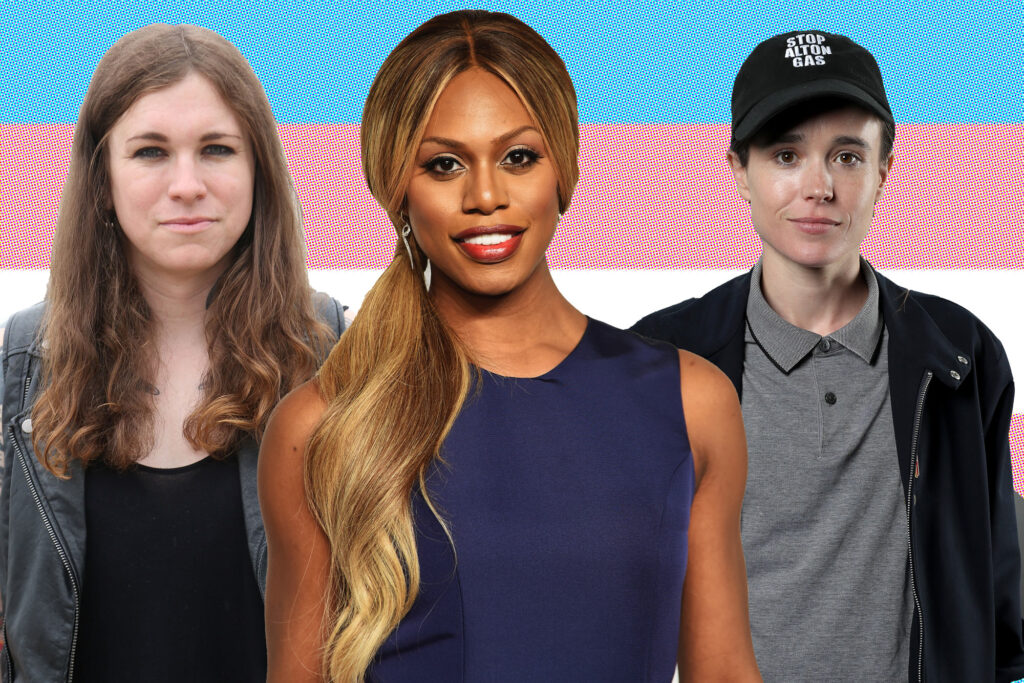
These texts challenge the binary understanding of gender and explore the experiences of transgender and gender non-conforming individuals within the feminist movement.
A. *Whipping Girl: A Transsexual Woman on Sexism and the Scapegoating of Femininity* by Julia Serano (2007): Serano’s insightful analysis of transphobia and sexism explores the ways in which femininity is devalued and demonized in our society. She argues that trans women are often scapegoated for embodying femininity, and that their experiences can shed light on the broader dynamics of gender inequality. It’s a crucial text for understanding the intersections of trans identity and feminism.
Serano’s work is a powerful challenge to the cisnormative assumptions that often pervade feminist discourse. It reminds us that gender is a complex and fluid concept, and that we must create space for all individuals to express their identities authentically.
B. *Transgender Warriors: Making History from Joan of Arc to Dennis Rodman* by Leslie Feinberg (1996): Feinberg’s groundbreaking history of transgender resistance explores the diverse and often-overlooked experiences of transgender individuals throughout history. It’s a powerful testament to the resilience and creativity of transgender communities, and a reminder that the fight for gender equality is a long and ongoing struggle.
Feinberg’s work provides a crucial historical context for understanding contemporary transgender activism. It reminds us that transgender individuals have always been present, and that their stories deserve to be told.
This list is just a starting point. The journey through Third-Wave Feminism is a long and winding one, filled with challenges, contradictions, and unexpected discoveries. But it is a journey worth taking. For within its complexities lies the potential for a more just, equitable, and ultimately, more liberating future for all.







Leave a Comment